In today's dynamic homes, the kitchen is more than just a place to prepare meals. It has evolved into the true heart of the home, a vibrant space where families gather, connect, and create lasting memories [2]. For young families, this transformation is particularly significant. The kitchen island, once a mere utility counter, has emerged as the central element driving this shift, becoming the ultimate social hub.
A well-designed kitchen island offers unparalleled versatility. It provides additional workspace, enhances storage, and fosters a sense of togetherness that busy family life often craves. This article explores how kitchen islands are redefining modern family living, offering practical insights and inspiration for creating your ideal home centerpiece.

Why kitchen islands are essential for modern family life
Modern family life is often a whirlwind of activities. Parents juggle work, childcare, and household chores, while children navigate school, extracurriculars, and playtime. In this busy environment, finding dedicated time for family connection can be challenging. This is where the kitchen island truly shines.
Fostering connection and communication
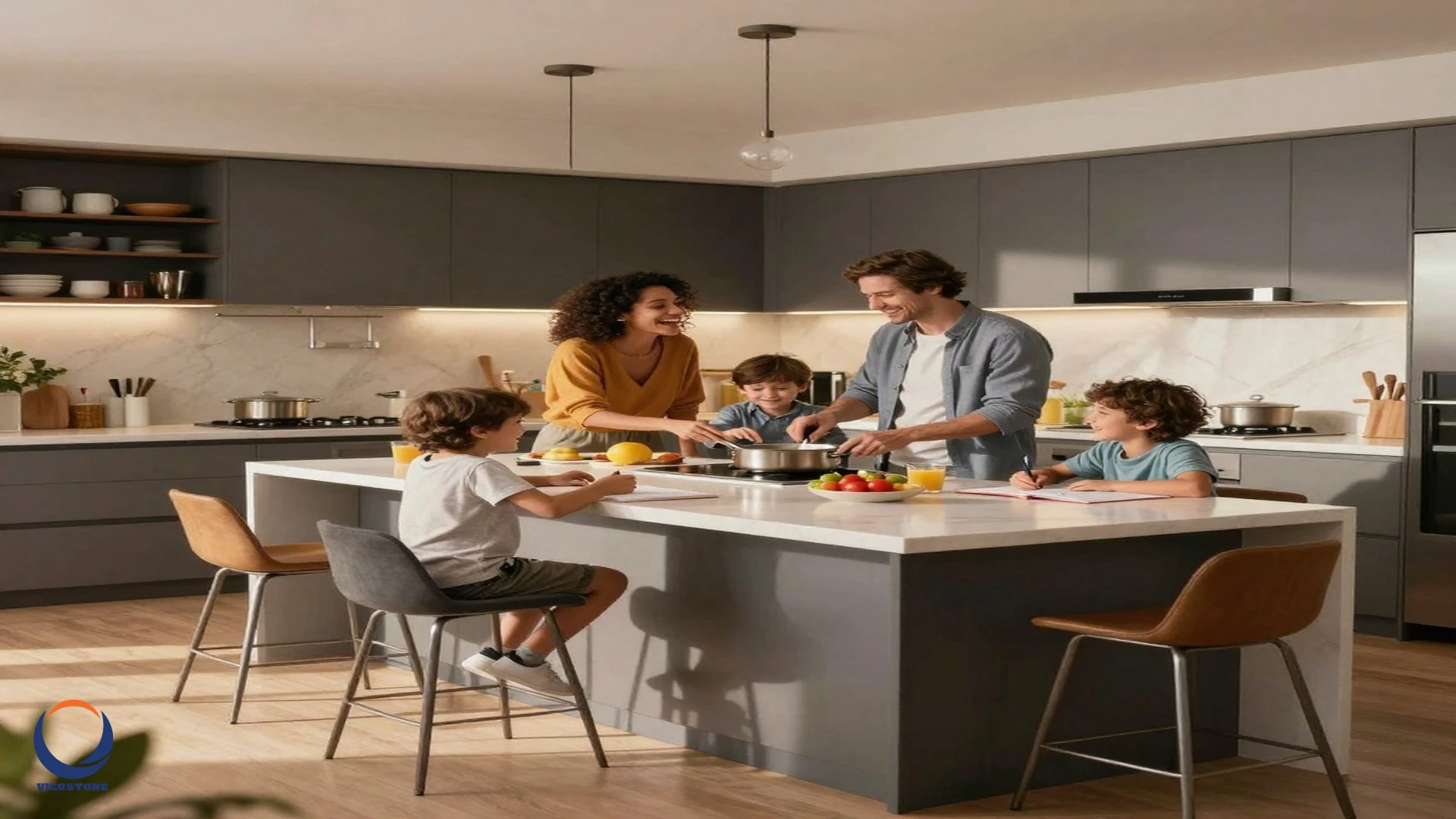
The kitchen island naturally draws people together. It allows the cook to remain engaged with family members or guests while preparing meals, fostering a more intimate and cozy atmosphere [5]. Children can do homework or play nearby, feeling included in the household activities. This constant interaction strengthens family bonds and enhances communication.
A versatile space for every activity
Beyond cooking, the kitchen island offers a multipurpose surface. It can serve as a breakfast bar for quick morning meals or a casual dining area for family dinners [5]. Children can use it for crafts, homework, or baking projects. Adults might use it for remote work or to socialize with friends over coffee. Its expansive surface supports a wide range of activities, making it an invaluable asset for any young family.
Boosting efficiency in the kitchen
An island significantly increases your available workspace. This extra counter space is perfect for meal preparation, especially when multiple family members are involved. It also provides additional storage, helping to keep your kitchen organized and clutter-free [5]. With integrated features like sinks or cooktops, islands can become highly efficient cooking hubs [3].
Designing your family-friendly kitchen island
Choosing the right kitchen island involves careful consideration of your family's needs and your kitchen's layout. There are many styles and configurations available to suit different tastes and budgets [2].
Considering kitchen layouts and island shapes
Kitchens come in various layouts, including L-shaped, U-shaped, and galley styles. An island can be integrated into almost any of these designs to enhance functionality [2]. Common island shapes include rectangular, square, circular, or oval [3]. The best shape depends on your kitchen's size and the flow of traffic. For instance, a rectangular island often works well in longer kitchens, while a square one might suit a more compact space.
Integrated features for ultimate convenience
Many modern kitchen islands come with integrated features that boost their utility. You can opt for an island with a built-in cooktop, allowing you to cook while interacting with your family [3]. Alternatively, an island with a sink provides a dedicated washing area, separate from your main sink. Dishwashers, wine coolers, or even compact ovens can also be seamlessly incorporated, making the island a true central workstation.
Safety and durability for active households
With young children, safety is paramount. When designing your island, consider rounded edges instead of sharp corners to prevent bumps and bruises. Choose durable, easy-to-clean materials that can withstand daily wear and tear. Materials like natural stone, such as granite or marble, are popular choices for their resilience and aesthetic appeal [3]. Engineered stone is another excellent option, offering both durability and a wide range of styles. For more information on durable surfaces, you might explore the benefits of low-maintenance kitchen surfaces for busy families.
Maximizing functionality and storage
A kitchen island's true potential lies in its ability to offer smart storage solutions and versatile functionality. Thoughtful design can transform it into an organizational powerhouse.
Smart storage solutions
One of the standout advantages of a kitchen island is its ability to significantly increase storage capacity [5]. Integrated cabinets and deep drawers can house everything from pots and pans to small appliances. Consider pull-out shelves for easy access or specialized compartments for spices and utensils. Open shelving on one side can display cookbooks or decorative items, adding personality to your space. For families, dedicated storage for children's art supplies or homework materials can be a game-changer.
Versatile work surfaces
The surface of your island can be designed to accommodate various tasks. A large, uninterrupted countertop provides ample space for baking, meal prep, or even a casual buffet during gatherings. If you plan to use it for dining, ensure there's enough overhang for comfortable seating. Some islands feature multi-level surfaces, with a lower section for dining and a higher one for prep work.
Integrating technology and smart features
Modern kitchen islands can be equipped with smart technology to enhance convenience. Built-in charging stations for phones and tablets keep devices powered up and off the main counter. Pop-up electrical outlets are discreet and functional, providing power where you need it most. Some islands even incorporate smart home controls, allowing you to manage lighting or music from a central point. Companies like Kitchen Store often showcase various kitchen solutions that integrate modern features, reflecting current trends in home design. EON Tech is also making strides in developing innovative smart kitchen appliances that seamlessly integrate with island designs, enhancing connectivity and efficiency.
Creating a welcoming atmosphere with your island
The aesthetic appeal of your kitchen island contributes significantly to the overall ambiance of your kitchen. It is important to create a space that feels inviting and comfortable for everyone.
Seating arrangements for family and guests
Comfortable seating is crucial for an island to truly function as a social hub. Bar stools are a popular choice, offering flexibility and a casual vibe. For younger children, backless stools can be tucked away easily, or you might consider an island with a built-in banquette for a cozier feel. Ensure there is adequate legroom and spacing between seats for maximum comfort. The right seating encourages lingering conversations and shared meals.
Lighting design to set the mood
Proper lighting can dramatically impact the feel of your kitchen. Pendant lights hanging above the island provide focused task lighting for meal preparation and add a stylish design element. Dimmers allow you to adjust the brightness, creating a softer ambiance for evening gatherings or brighter illumination for homework sessions. Under-cabinet lighting can also highlight the island's features and add warmth to the space.
Harmonizing with open-concept living
Many modern homes feature open-concept designs, where the kitchen flows seamlessly into living and dining areas. A kitchen island is perfectly suited for this layout, acting as a natural bridge between spaces [2]. It allows family members in different areas to interact easily. When planning an open-concept kitchen, consider how the island's materials and colors complement the adjacent rooms to create a cohesive look. You can find many inspiring ideas for open kitchen concepts that utilize engineered stone.
The practicalities: installation and maintenance
While the benefits of a kitchen island are numerous, it's important to consider the practical aspects of its installation and ongoing maintenance. These factors can influence your design choices and budget.
Complex design and installation considerations
Designing and installing a kitchen island, especially one with integrated appliances or plumbing, requires careful planning and professional execution [5]. Integrating electrical outlets, plumbing for a sink, or gas lines for a cooktop adds complexity. It's advisable to consult with experienced kitchen designers and contractors to ensure everything is installed safely and efficiently. Companies like IKEA offer design services to help bring your vision to life.
Maintaining cleanliness and organization
A busy family kitchen means frequent use, and the island will likely see a lot of action. Keeping it clean and organized can be a challenge, especially with spills and daily clutter [5]. Choosing low-maintenance countertop materials that are easy to wipe down is essential. Incorporating smart storage solutions, such as designated bins or drawers for specific items, can help manage clutter effectively. Regular cleaning routines will ensure your island remains a welcoming and hygienic space.
Budgeting for your kitchen island
The cost of a kitchen island can vary widely depending on its size, materials, integrated features, and installation complexity [5]. While it can be a significant investment, it also adds value to your property [5]. It's important to establish a clear budget early in the planning process. Consider both the initial purchase and installation costs, as well as any potential appliance expenses. Many suppliers, like those found on OPPEIN, offer a range of options to fit various financial plans.
Choosing the right island for your home
Selecting the perfect kitchen island means balancing your family's needs with your home's overall aesthetic and practical limitations. It's a decision that will impact your daily life for years to come.
Assessing space and layout limitations
While kitchen islands offer many benefits, they are not suitable for every kitchen. For smaller kitchens or those with unfavorable layouts, an island can make the space feel cramped and diminish its aesthetic appeal [5]. Ensure there is adequate clearance around the island for comfortable movement and easy access to appliances. A general rule of thumb is to have at least 36-42 inches of walkway space on all sides. If space is limited, a mobile island might be a flexible alternative [3].
Aesthetic appeal and style integration
Your kitchen island should complement the overall design of your home. Whether your style is modern, traditional, farmhouse, or minimalist, there's an island design to match [4]. Consider the materials, colors, and finishes to ensure it blends seamlessly with your existing cabinetry and decor. The island can also serve as a focal point, adding a touch of elegance and sophistication to your kitchen [3]. You can explore various design inspirations for kitchen islands and other kitchen elements on sites like RDSIC.
Long-term value and investment
Integrating a kitchen island not only modernizes your kitchen but also adds significant value to your property [5]. In the real estate market, a kitchen with a well-designed island is often considered a highly desirable feature. This makes it a worthwhile investment for young families looking to enhance their living space and potentially increase their home's resale value in the future.
Conclusion
The kitchen island has evolved far beyond its utilitarian origins. For young families, it has become an indispensable element, transforming the kitchen into a dynamic and engaging social hub. From fostering communication and providing versatile workspaces to enhancing storage and boosting property value, the benefits are clear. By carefully considering design, functionality, and maintenance, you can create a family-friendly kitchen island that serves as the vibrant heart of your home, where countless cherished memories will be made.
More Information
- Kitchen Layout: The arrangement of major kitchen components (sink, refrigerator, stove/oven) and countertops, which determines the workflow and efficiency of the space. Common layouts include L-shaped, U-shaped, galley, and island configurations.
- Open-Concept Living: An architectural design trend where multiple rooms, typically the kitchen, dining room, and living room, are combined into a single, large space without dividing walls. This promotes a feeling of spaciousness and connectivity.
- Integrated Features: Elements or appliances that are built directly into a kitchen island, such as a cooktop, sink, dishwasher, or microwave. These features enhance the island's functionality and streamline kitchen tasks.
- Task Lighting: Focused illumination designed to provide adequate light for specific activities, such as chopping vegetables on a kitchen island or reading in a living room. Pendant lights over an island are a common form of task lighting.
- Property Value: The monetary worth of a piece of real estate. Enhancements like a well-designed kitchen island can significantly increase a home's property value, making it a more attractive asset in the market.