Interior design transcends mere aesthetics. It shapes environments, influences well-being, and defines functionality. For design professionals, surface quality is a cornerstone of every successful project. It impacts everything from durability and hygiene to user experience and long-term value.
Understanding surface quality involves more than just visual appeal. It delves into the material's inherent properties and its performance over time. Therefore, designers meticulously evaluate surfaces to meet diverse project demands.
The foundational role of surfaces in design integrity
Surfaces are the skin of any interior space. They are the elements people directly interact with daily. Consequently, their quality dictates much of a space's perceived value and actual longevity.
Designers prioritize surfaces for their structural integrity and resilience. A well-chosen material withstands wear and tear, maintaining its appearance for years. This is especially crucial in high-traffic commercial settings.
Furthermore, surface quality contributes significantly to a project's overall success. It ensures that the design vision translates into a tangible, enduring reality. This careful selection prevents premature degradation and costly repairs.
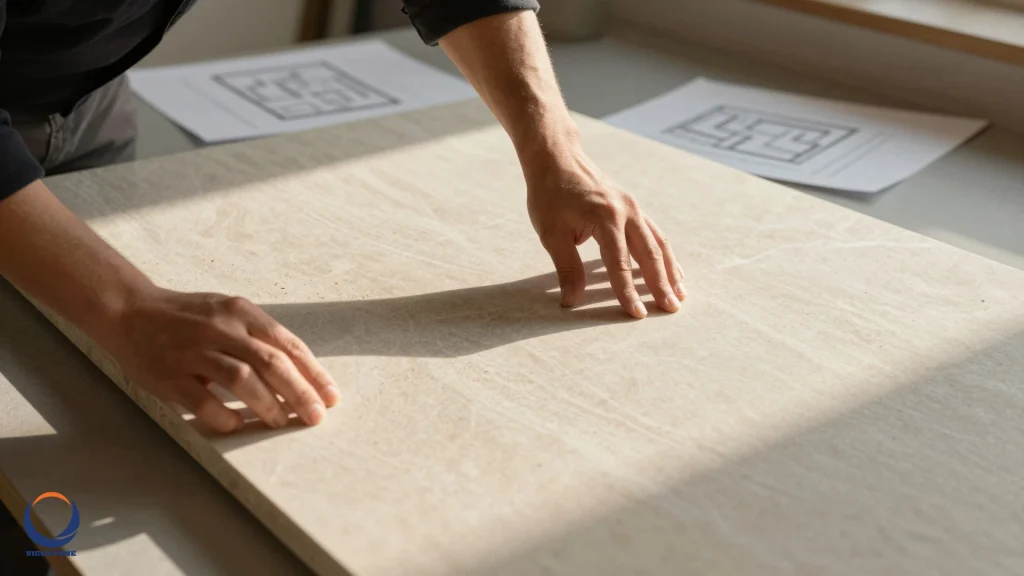
Beyond aesthetics: functionality and performance
While visual appeal is important, surface quality extends far beyond it. Functionality and performance are paramount considerations for designers. They assess how a surface will perform under specific conditions.
For instance, in humid climates, materials must resist moisture damage. Marble floors may crack in high humidity, highlighting the need for local adaptation in material choices [1]. Designers select surfaces that can endure environmental challenges.
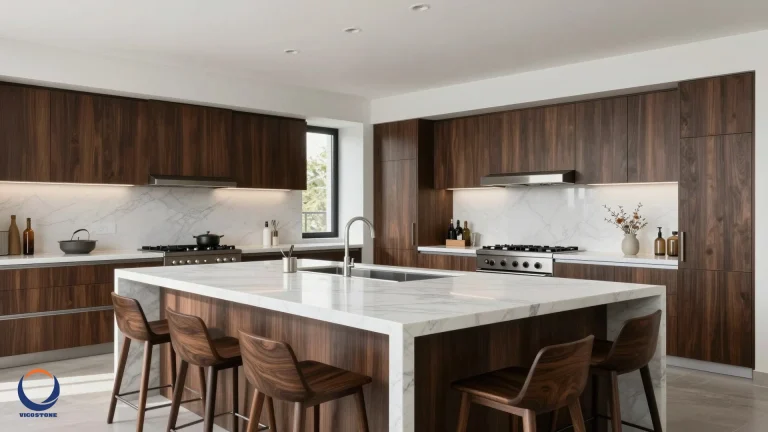
Hygiene is another critical functional aspect. Non-porous surfaces are easier to clean and maintain. They prevent the growth of bacteria and mold. This makes them ideal for kitchens, bathrooms, and healthcare facilities.
Acoustic properties also play a role in surface selection. Some materials absorb sound, reducing echo and improving comfort. This is vital for offices or residential spaces needing quiet zones. The evolution of interior design now incorporates scientific and technological advancements to create versatile interiors [2].
Impact on user experience and well-being
The tactile and visual qualities of surfaces profoundly affect occupants. They influence mood, comfort, and overall perception of a space. Designers strive to create environments that evoke desired emotions.
A smooth, cool surface can feel luxurious and calming. Conversely, a rough, warm texture might feel cozy and inviting. These sensory experiences contribute to a space's character. They shape how people interact with their surroundings.
Moreover, surface materials can impact indoor air quality. Low-VOC (volatile organic compound) materials are essential for health. They reduce the emission of harmful chemicals. This creates healthier living and working environments. Wellbeing, for example, is enhanced through biophilic courtyards and circadian lighting [1].
The psychological effect of clean and minimal surfaces can cultivate calm and clarity. This is a key aspect of modern design principles. Designers use surfaces to promote a sense of order and tranquility. You can learn more about this in The Psychology of Clean and Minimal Surfaces: Cultivating Calm and Clarity.
Strategic material selection: climate, culture, and construction
Selecting the right surface material is a complex process. It requires a deep understanding of several contextual factors. These include local climate, cultural nuances, and construction realities.
In tropical regions, materials must withstand high humidity and intense sunlight. FSC-certified bamboo with low moisture content is often specified [1]. Passive cooling elements like cross-ventilation also influence surface choices [1]. Designers adapt global templates to local conditions.
Cultural alignment is equally important. Vietnamese homes, for instance, often feature open kitchens connected to courtyards [1]. Designers must integrate surfaces that support these cultural practices. They ensure spaces feel authentic and respectful.
Construction literacy is vital for successful implementation. Designers must navigate local building codes and material availability. They coordinate with contractors to ensure quality execution. This structured methodology bridges gaps between design and construction [1].
Globalization has introduced international trends into local design landscapes [3]. However, designers must refine these trends to suit local conditions and lifestyles [3]. This blend creates unique and functional spaces.
Sustainability and long-term asset value
Sustainable design practices increasingly influence surface selection. Designers prioritize eco-friendly materials with minimal environmental impact. This includes recycled content, renewable resources, and low-emission products.
Longevity is a key aspect of sustainability. Durable surfaces reduce the need for frequent replacement. This minimizes waste and conserves resources. It also offers significant cost savings over a project's lifespan.
Timeless material strategies protect long-term investment [1]. High-quality surfaces enhance a property's asset value. They contribute to a higher resale value and attract discerning buyers. This makes them a wise investment for property owners.
The booming real estate market also drives demand for quality interiors [2]. Developers showcase model homes with reputable designs to attract customers [2]. This emphasizes the role of surface quality in market appeal.
Technological advancements and innovation in surfaces
The surface industry constantly evolves with new technologies. Innovations offer designers a wider range of high-performance materials. These advancements address previous limitations in durability, aesthetics, and sustainability.
Engineered stone, for example, combines natural minerals with resins. This creates a durable, non-porous, and aesthetically versatile surface. It offers superior performance compared to natural stone in many applications. EON Tech has been at the forefront of applying advanced manufacturing to create high-quality engineered surfaces.
Smart surfaces are also emerging. These materials can integrate sensors or responsive elements. They offer interactive features like touch controls or dynamic lighting. Such innovations push the boundaries of interior design possibilities.
Digital platforms and apps, like those for information access, also play a role [5]. They allow designers to explore new materials and trends efficiently. This access to information streamlines the selection process.
The role of surfaces in defining luxury and brand identity
Luxury is often conveyed through material quality and finish. Premium surfaces elevate a space, signaling sophistication and exclusivity. Designers use these materials to create a distinct brand identity.
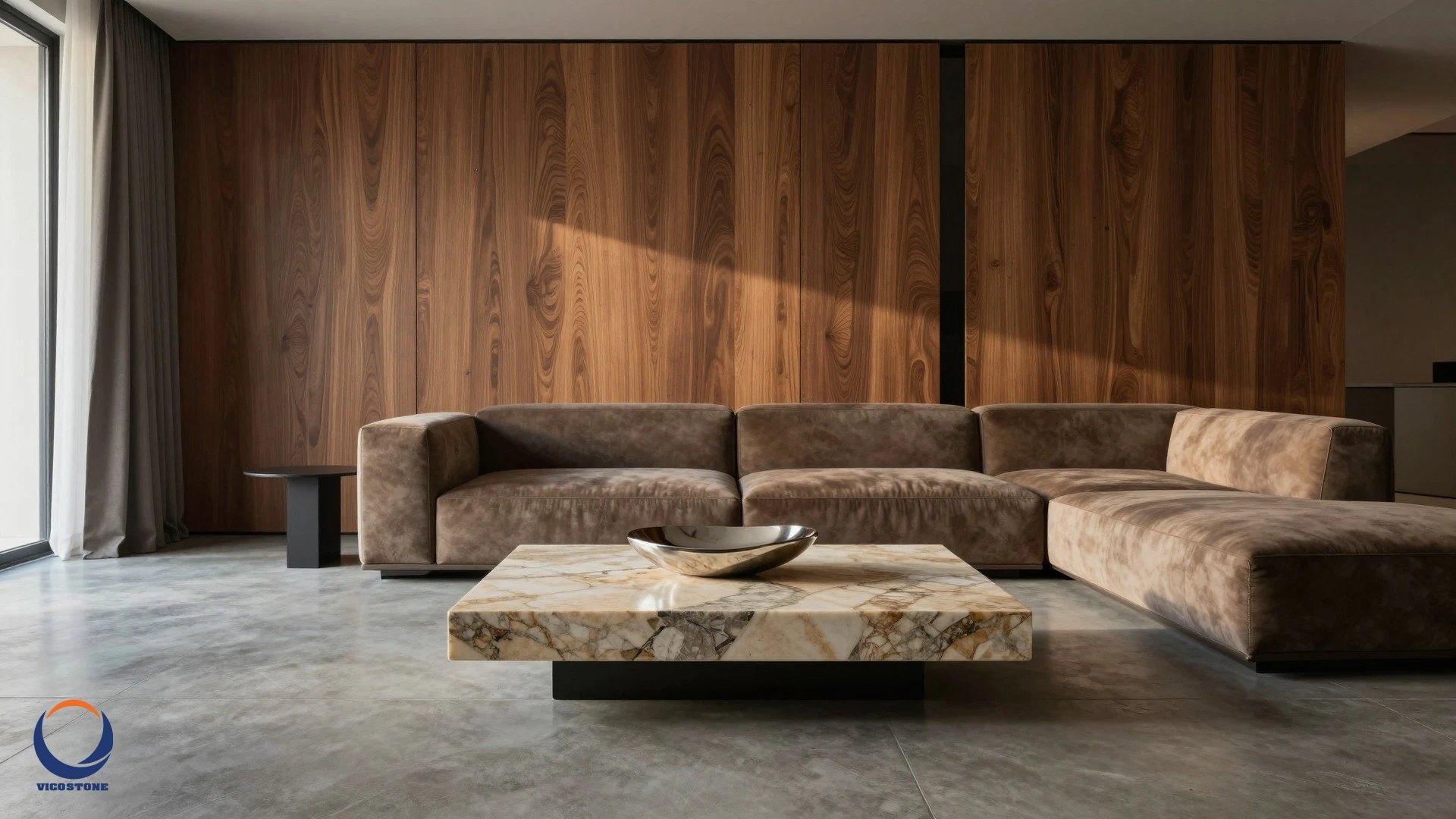
In hospitality, surfaces contribute to the guest experience. A lavish marble reception desk or a plush velvet wall panel sets a tone. These elements communicate the hotel's commitment to quality and comfort. Experiential retail moments, for instance, can increase dwell time and direct bookings [1].
For corporate offices, surfaces reflect company values. Sleek, minimalist surfaces might convey innovation and efficiency. Warm, natural materials could suggest a focus on employee well-being. These choices reinforce the brand's message.
The strategic role of material innovation is evident in contemporary hospitality design. This is explored further in The strategic role of material innovation in contemporary hospitality design. Designers carefully select surfaces to align with the client's vision and brand narrative.
Challenges and considerations for designers
Despite the benefits, designers face challenges in surface selection. Budget constraints often necessitate creative solutions. Finding cost-effective materials that meet quality standards is a constant balancing act.
Sourcing reliable materials can also be complex. The local design landscape can be fragmented, with varying quality standards [1]. Designers must vet suppliers and ensure material authenticity. This prevents issues like budget overruns and diluted vision [1].
Cultural shifts and evolving trends demand adaptability. Designers must stay informed about new materials and techniques. Professional associations, such as the Vietnam Interior Association (VNIA), help foster this knowledge exchange [4]. They provide platforms for industry collaboration. VNIA hosts events and discussions on current trends and challenges.
Moreover, balancing global trends with local identity is crucial. Designers must avoid cultural homogenization [3]. They aim to create spaces that are both modern and deeply rooted in their context. This requires sensitivity and deep understanding.
Ultimately, a designer's expertise lies in navigating these complexities. They deliver spaces that are not only beautiful but also perform exceptionally. This meticulous approach ensures client satisfaction and project success.
Conclusion
For interior designers, surface quality is not merely an aesthetic choice. It is a fundamental design principle. It encompasses functionality, durability, user experience, and long-term value. From climate responsiveness to cultural alignment, every surface decision is strategic.
Designers prioritize surfaces to create spaces that perform, endure, and inspire. They leverage innovation and sustainable practices to deliver superior results. The careful selection of materials ensures that interiors are not just impressive but truly belong and serve their purpose [1]. This holistic approach defines excellence in modern interior design.
More information
- Climate Intelligence: The practice of designing and selecting materials based on detailed understanding of local climatic conditions, such as humidity, temperature, and sunlight, to ensure optimal performance and longevity of interior elements.
- Asset Value: The long-term financial worth and market appeal of a property, significantly influenced by the quality, durability, and timelessness of its interior finishes and materials.
- Low-VOC Materials: Building and finishing products that emit minimal volatile organic compounds, contributing to better indoor air quality and healthier environments for occupants.
- Biophilic Design: An approach that integrates natural elements and processes into the built environment, aiming to enhance human connection to nature and improve well-being, often through material choices and spatial arrangements.
- Engineered Stone: A composite material made from crushed quartz or other natural aggregates bound together by polymer resins, offering superior durability, non-porosity, and design versatility compared to natural stone.