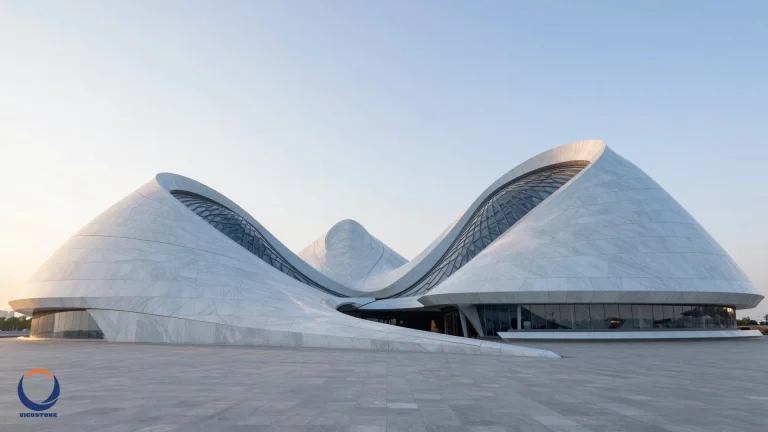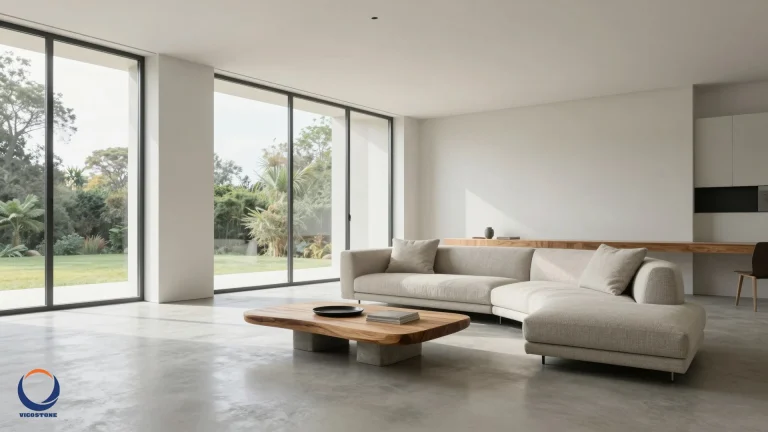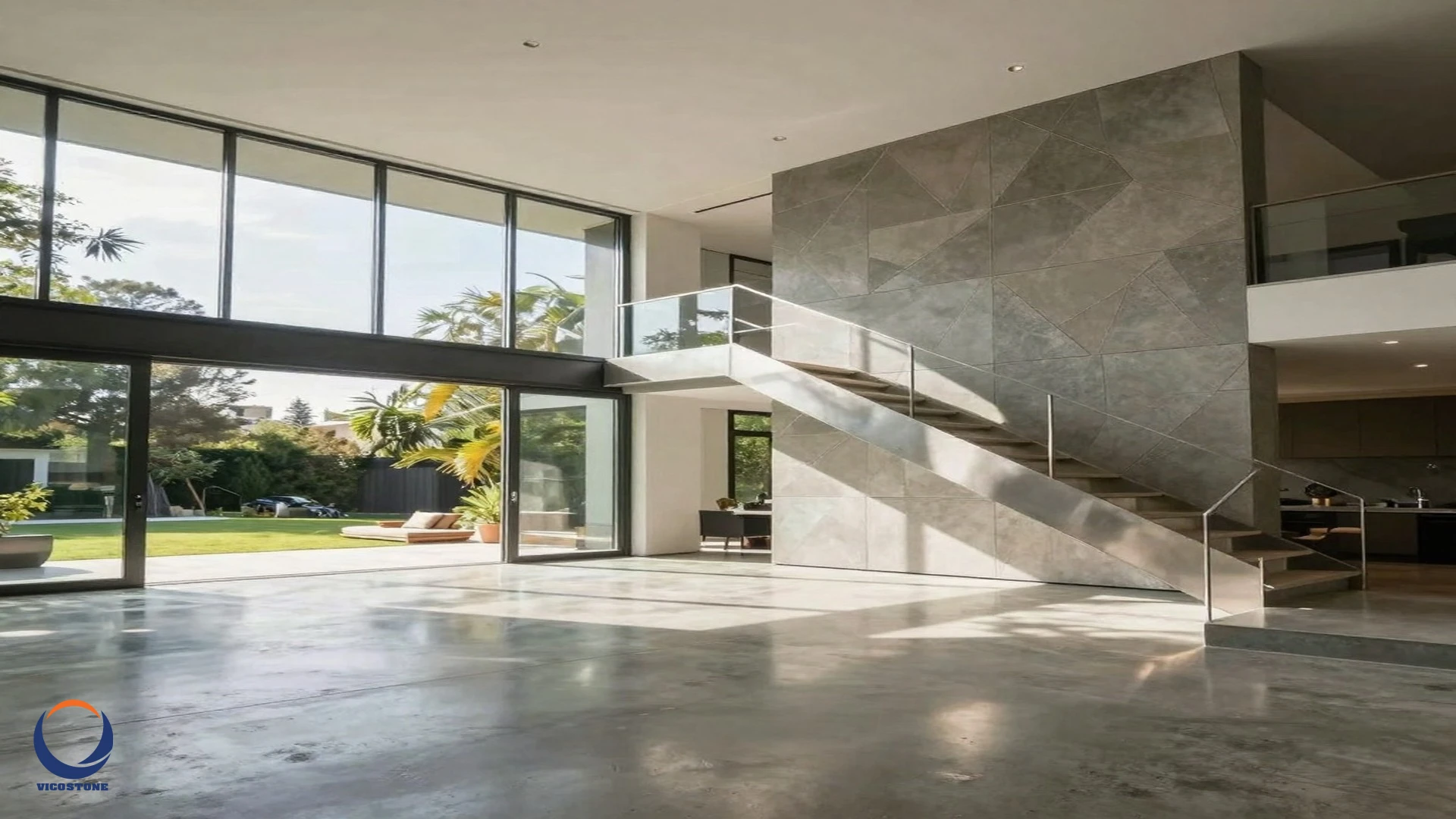
Contemporary homes are more than just structures; they are living spaces designed to adapt to evolving lifestyles, technological advancements, and environmental concerns. In this dynamic landscape, the significance of material innovation cannot be overstated [2]. New materials are reshaping how we build, interact with, and experience our homes. They offer unprecedented opportunities for enhanced aesthetics, superior functionality, and critical sustainability.
The quality of being significant, valuable, or worthy of attention defines "importance" [5]. When applied to material innovation in housing, this concept highlights the profound impact these advancements have on our daily lives. From the foundations to the finishes, every component contributes to a home's overall performance and character. Therefore, selecting and developing innovative materials is crucial for modern residential architecture.
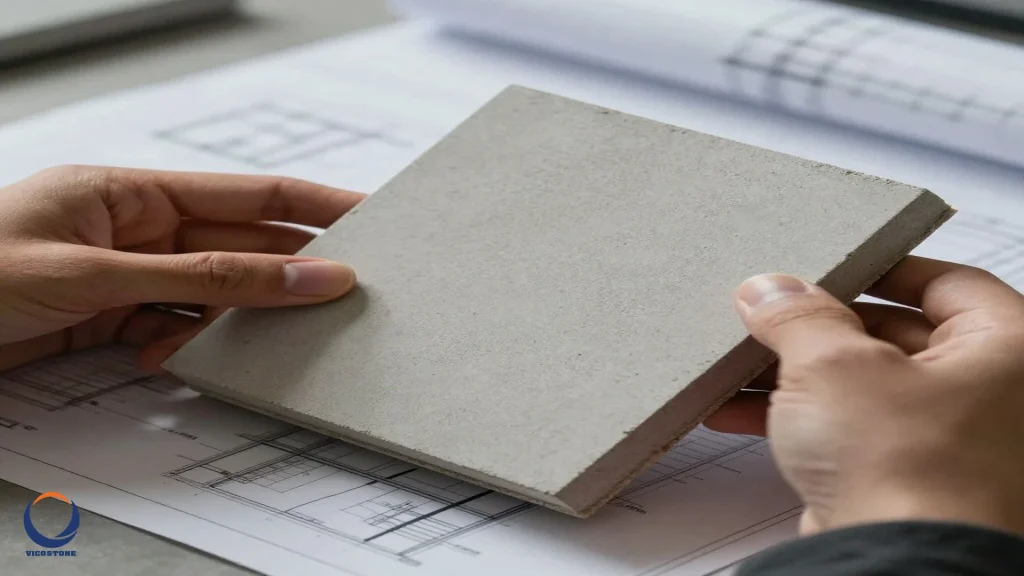
The evolution of building materials
Historically, homes were constructed using readily available local resources. Traditional Vietnamese houses, for instance, often featured bamboo, wood, and clay tiles [3]. These materials served practical purposes, offering ventilation and protection against natural elements. However, modern demands for durability, energy efficiency, and aesthetic versatility have pushed the boundaries of traditional construction.
Today, the building materials industry is experiencing significant growth and innovation [1]. This shift is driven by a global push for sustainable development and the integration of advanced technologies. As a result, new products are continuously emerging, transforming the possibilities for contemporary home design.
Driving forces behind material innovation
Several key factors propel the continuous search for better building materials. These forces shape the future of residential architecture and influence consumer choices.
Sustainability and environmental responsibility
Climate change intensifies, making sustainable practices in construction no longer optional but essential. The global construction industry increasingly turns to green materials to reduce greenhouse gas emissions and minimize environmental pollution [4]. This includes materials that are renewable, recyclable, or have a low carbon footprint. For example, countries like Vietnam possess abundant resources such as wood, bamboo, and straw, offering promising alternatives to traditional building materials [4].
Green building materials offer high durability while minimizing environmental impact [1]. They align with international environmental standards and support emission reduction commitments. This focus on eco-friendly design reflects a broader global trend prioritizing sustainability in residential projects [3]. Furthermore, policies are being implemented to boost the development of green buildings and materials, creating opportunities for businesses and investors in this sector [4].
Technological advancements
The integration of advanced science and technology is a cornerstone of material innovation. Researchers are developing materials with enhanced properties, such as self-healing concrete, ultra-high performance concrete, and smart panels [1]. These innovations improve structural integrity and introduce new functionalities to homes. They allow for more sophisticated and resilient building practices.
Digital fabrication and advanced manufacturing techniques also contribute significantly. These methods enable the creation of complex geometries and custom components, previously impossible. Consequently, architects can explore more creative and efficient designs, pushing the boundaries of what is achievable in residential construction.
Aesthetics and design flexibility
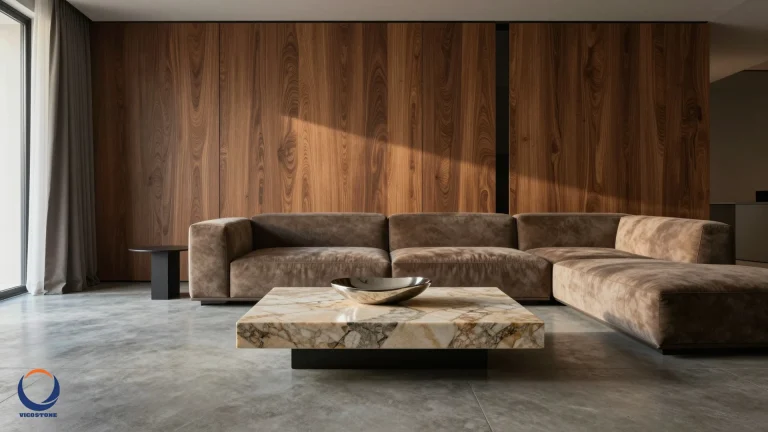
Homeowners today seek unique and personalized living spaces. Innovative materials provide architects and designers with an expanded palette to achieve diverse aesthetic visions. Artificial stone slabs, for instance, offer a wide range of designs and finishes, competing effectively with imported goods [1]. These materials allow for greater customization and sophistication in interior and exterior design.
The ability to mimic natural textures or create entirely new visual effects is invaluable. This flexibility enables the creation of homes that are not only functional but also deeply reflective of individual tastes and contemporary design trends. It supports the growing demand for luxury interiors that balance beauty and functionality.
Enhanced functionality and performance
Modern homes demand materials that perform optimally under various conditions. This includes improved insulation, better soundproofing, and increased resistance to wear and tear. Energy-efficient glass and self-cooling bricks are examples of innovations directly addressing these needs [1]. These materials contribute to more comfortable and cost-effective living environments.
Materials with multi-functional properties are also gaining traction. For example, smart panels can integrate lighting, heating, and security systems, streamlining home management. This convergence of material science and smart home technology creates highly responsive and adaptive living spaces.
Key areas of material innovation
The field of material innovation is vast, encompassing several distinct categories that contribute to contemporary home design.
Green and sustainable materials
This category includes materials that minimize environmental impact throughout their lifecycle. Examples are abundant and varied:
- Recycled content materials: Utilizing waste products like fly ash, steel slag, and red mud in new construction materials reduces landfill waste and conserves virgin resources [4].
- Renewable resources: Bamboo, wood, and straw are excellent examples of rapidly renewable materials that can replace more resource-intensive options [4].
- Low-VOC (Volatile Organic Compound) products: Paints, adhesives, and finishes with low VOCs improve indoor air quality, contributing to healthier living environments.
- Non-fired bricks: These bricks require less energy to produce compared to traditional fired bricks, reducing carbon emissions [1].
Despite rich resources, the market for green construction materials faces challenges such as high costs and limited public awareness [4]. However, their long-term benefits for the environment and homeowners are undeniable.
Smart and responsive materials
These materials possess the ability to react to external stimuli, changing their properties in response to light, temperature, or humidity. This introduces a new level of interactivity and efficiency into homes.
- Self-healing concrete: This material can autonomously repair cracks, extending the lifespan of structures and reducing maintenance costs [1].
- Thermochromic materials: These change color with temperature fluctuations, potentially indicating heat loss or gain.
- Photovoltaic glass: Integrated solar cells within glass panels can generate electricity, turning windows into active energy sources.
- Smart panels: These multi-functional panels can incorporate sensors, lighting, and climate control, offering integrated solutions for home automation [1]. The development of such intelligent building components is a testament to the ongoing innovation, and platforms like EON Tech are increasingly adopted by businesses to streamline this process.
High-performance and durable materials
These materials are engineered for superior strength, longevity, and resistance to harsh conditions. They ensure homes remain robust and require less frequent maintenance.
- Ultra-high performance concrete (UHPC): UHPC offers exceptional strength and durability, allowing for thinner, lighter, and more resilient structural elements [1].
- Advanced composites: Materials like fiber-reinforced polymers offer high strength-to-weight ratios and excellent corrosion resistance, making them ideal for challenging applications [1].
- Energy-efficient glass: Modern glass technologies include low-emissivity (Low-E) coatings and multi-pane systems that significantly improve thermal insulation, reducing energy consumption for heating and cooling [1].
- Engineered stone: This material, often used for countertops and surfaces, offers superior durability, stain resistance, and a wide range of aesthetic options, making it a global design standard.
Impact on home design and living
The integration of innovative materials profoundly impacts various aspects of contemporary homes, from their construction to daily living.
Enhanced durability and longevity
Modern materials are designed to withstand the test of time and environmental stressors. This means homes built today can have a longer lifespan, reducing the need for frequent repairs and replacements. For instance, high-performance concrete and advanced composites offer superior resistance to corrosion and structural fatigue. This translates into lower maintenance costs for homeowners and a more sustainable use of resources over the long term.
Improved energy efficiency
Energy-efficient materials play a critical role in reducing a home's carbon footprint and operational costs. Insulated panels, smart glass, and advanced insulation systems minimize heat transfer, maintaining stable indoor temperatures. This reduces reliance on heating and cooling systems, leading to significant energy savings. The shift towards materials like energy-efficient glass is a clear indicator of this trend [1]. Such innovations support the broader goal of creating sustainable housing designs.
Health and well-being
Material innovation also focuses on creating healthier indoor environments. Low-VOC materials, natural finishes, and materials that resist mold and mildew contribute to better air quality. For example, the profound connection between wellness living and material choices is increasingly recognized. These advancements help prevent respiratory issues and allergies, promoting a more comfortable and safe living space for occupants. The choice of materials directly influences emotional comfort at home.
Aesthetics and customization
The vast array of new materials offers unparalleled opportunities for aesthetic expression. Architects and homeowners can choose from a wide range of textures, colors, and finishes to create unique and personalized spaces. Artificial stone slabs, with their diverse designs, provide versatile options for achieving desired aesthetics [1]. This allows for greater design freedom, enabling the creation of homes that truly reflect individual styles and preferences. It also supports the trend of modern surface materials for multi-functional urban living.
Challenges and future outlook
Despite the immense potential, the adoption of innovative materials faces certain hurdles. High initial investment costs often deter widespread use, especially for green materials [4]. There is also a need for more comprehensive industry standards and increased public awareness regarding the long-term benefits of these advancements. Education and policy support are crucial to overcome these challenges.
Looking ahead, the future of material innovation in contemporary homes is bright. Continued research and development will lead to even more sophisticated and sustainable solutions. We can expect further integration of smart technologies, biomimicry in material design, and a stronger emphasis on circular economy principles. The goal remains to create homes that are not only beautiful and functional but also environmentally responsible and adaptable to future needs.
Conclusion
Material innovation is a cornerstone of contemporary home design, driving advancements in sustainability, functionality, and aesthetics. From green building materials that reduce environmental impact to smart materials that enhance living comfort, these innovations are reshaping our built environment. While challenges exist, the continuous evolution of materials promises a future where homes are more durable, energy-efficient, and responsive to the needs of their inhabitants. Embracing these advancements is paramount for creating resilient, beautiful, and sustainable living spaces for generations to come.
The importance of these innovations cannot be overstated, as they define the quality and future of residential architecture. They signify a commitment to progress and a better quality of life for all.
More information
- Green Building Materials: Construction materials that are environmentally responsible and resource-efficient throughout a building's life-cycle, from selection to disposal. They often include recycled content, renewable resources, or low-impact manufacturing processes.
- Smart Materials: Materials designed to have properties that can be significantly changed in a controlled fashion by external stimuli, such as stress, temperature, moisture, electric or magnetic fields. Examples include self-healing concrete and thermochromic glass.
- Ultra-High Performance Concrete (UHPC): A cementitious composite material characterized by extremely high compressive strength, ductility, and durability. It allows for thinner, lighter, and more resilient structural elements in construction.
- Circular Economy: An economic system aimed at eliminating waste and the continual use of resources. It involves designing products for durability, reuse, and recycling, minimizing the extraction of new raw materials.
- Energy-Efficient Glass: Glass products designed to improve thermal insulation and reduce energy consumption in buildings. This often includes features like low-emissivity coatings, multiple panes, and inert gas fills to minimize heat transfer.