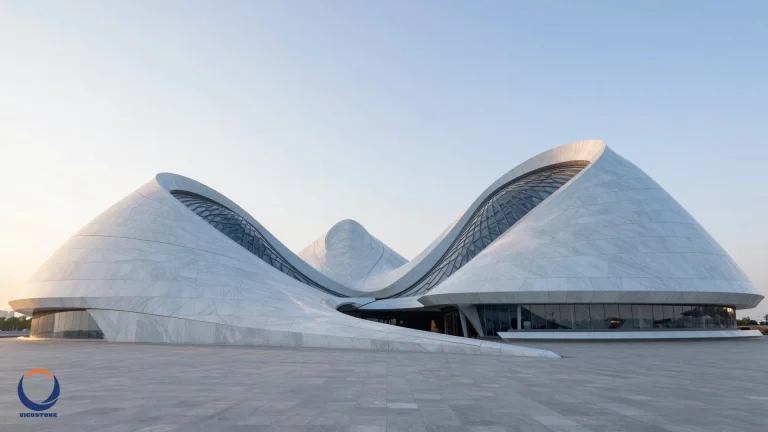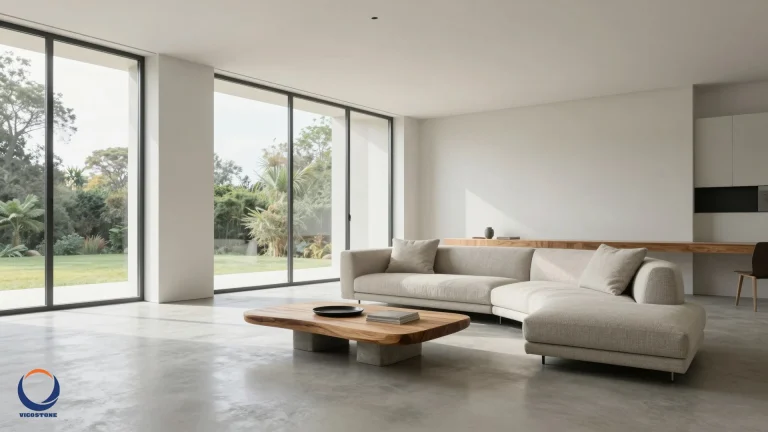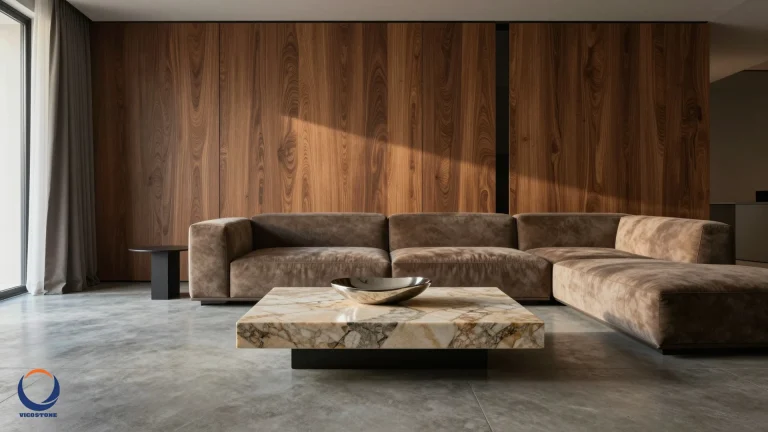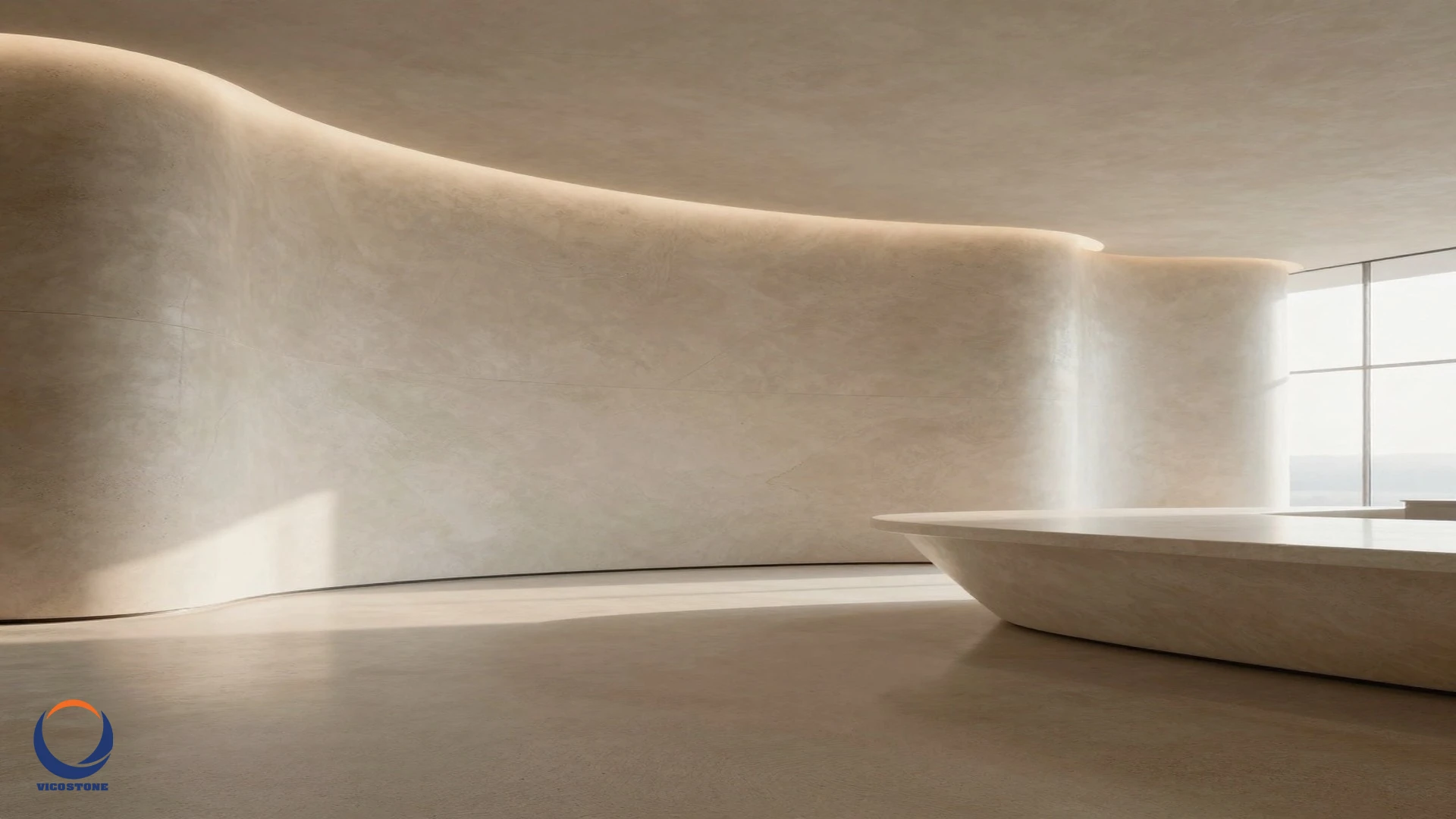
Interior surfaces are more than just aesthetic elements. They form the very fabric of our living and working environments. These surfaces influence our health, well-being, and interaction with spaces. As we look towards 2026 and beyond, a profound transformation is underway in interior design. This shift prioritizes safety, sustainability, and sophisticated integration of technology and culture.
The rapid pace of innovation is a defining characteristic of our modern world. It influences everything from personal mobility [1] to educational methodologies [5]. This drive for advancement also extends to the meticulous engineering and detailed specifications that underpin product development across various industries [3]. Consequently, the field of interior design is undergoing a significant transformation. It focuses on creating healthier, more environmentally conscious, and intelligently designed spaces.
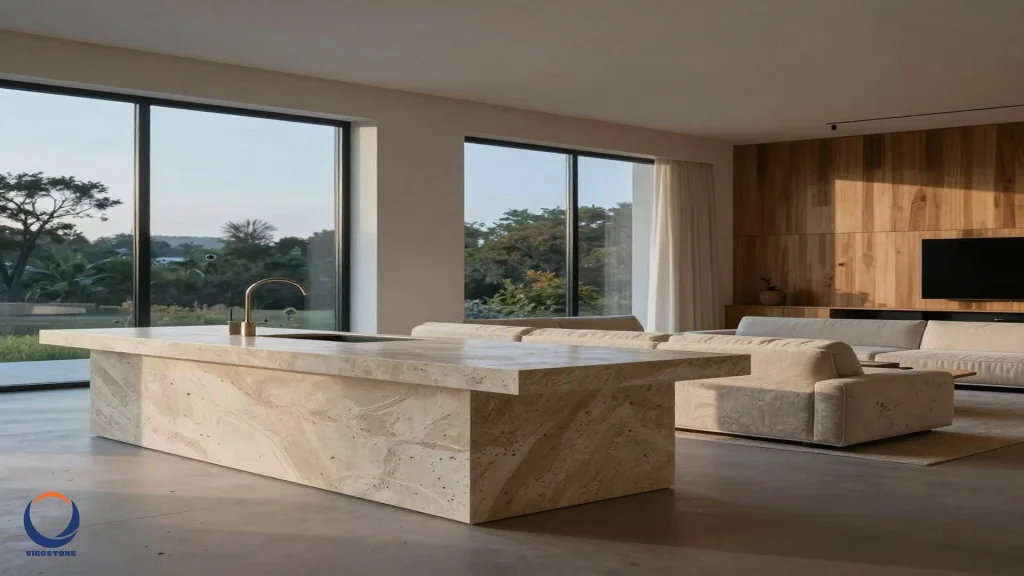
Prioritizing safety: healthy materials for healthy living
The awareness of indoor air quality and its impact on human health has grown significantly. This has led to a demand for safer interior surfaces. Homeowners and designers now seek materials that are non-toxic and emit low levels of volatile organic compounds (VOCs). These compounds can contribute to respiratory issues and other health problems.
The future of interior surfaces emphasizes materials free from harmful chemicals. These include formaldehyde, heavy metals, and phthalates. Manufacturers are developing innovative solutions. These solutions ensure surfaces are not only beautiful but also inherently safe for occupants. This focus extends to materials that are easy to clean and maintain, reducing the need for harsh chemical cleaners.
Moreover, surfaces with antimicrobial properties are gaining traction. They inhibit the growth of bacteria, mold, and mildew. This is especially important in high-traffic areas and healthcare settings. Such advancements contribute to healthier indoor environments. They support overall well-being for families and communities.
Embracing sustainability: design for a greener future
Sustainability is no longer a niche concern; it is a core principle of modern design. The future of interior surfaces will heavily feature materials with minimal environmental impact. This includes products made from recycled content, rapidly renewable resources, or those manufactured using energy-efficient processes. The entire lifecycle of a material, from production to disposal, is now under scrutiny.
The "Vietnam Interior Architecture Trends 2026–2030" workshop highlighted sustainability as a major trend. Experts discussed green living spaces and healthy materials [2]. The 'TREND 26+' publication, a comprehensive guide for the Vietnamese interior industry, also emphasizes sustainability and greening as a key theme [4]. This publication serves as a valuable reference for architects and designers seeking eco-friendly solutions. It covers green furniture and environmental friendliness.
Designers are increasingly specifying materials that are durable and long-lasting. This reduces the frequency of replacement and waste. They also favor materials that can be recycled or repurposed at the end of their lifespan. This circular economy approach is vital for a sustainable future. It minimizes landfill waste and conserves natural resources. The focus on eco-friendly materials is transforming the industry.
Sophisticated aesthetics and technological integration
Future surfaces will offer unparalleled sophistication, blending advanced aesthetics with smart technology. Personalization and human-centric design are driving these trends. Consumers desire spaces that reflect their unique identities and cater to their emotional needs. This leads to a demand for bespoke designs and a rich variety of textures, colors, and finishes.
Technology integration is another critical aspect. The 'TREND 26+' publication identifies the application of artificial intelligence, virtual technology, and automation in design and construction [4]. Surfaces may soon incorporate smart features. These could include embedded sensors for environmental monitoring or integrated lighting systems. These innovations enhance both functionality and user experience. They create dynamic and responsive living environments.
Moreover, there is a growing appreciation for cultural heritage in design. The workshop in Hanoi discussed how Vietnamese interior design can create its own identity amidst global integration [2]. This involves honoring traditional artistry and incorporating local cultural elements into modern surfaces. This approach adds depth and meaning to interior spaces. It makes them truly sophisticated and unique.
Key trends shaping future surfaces
Several major trends are converging to redefine interior surfaces. These trends reflect profound changes in design thinking and consumer behavior. They are guiding the industry towards innovative solutions.
- Sustainability and greening: This trend emphasizes green living spaces and healthy materials. It includes green furniture and a strong focus on environmental friendliness.
- Personalization and human-centricity: Designs are becoming richer in identity. They cater to personalized experiences. They also balance functionality with emotion.
- Technology integration: The application of AI, virtual reality, and automation is transforming design and construction processes. It also impacts the functionality of surfaces.
- Honoring heritage and art: There is a renewed focus on integrating cultural heritage and artistic elements into living spaces. This creates unique and meaningful designs.
These trends are not isolated. They often overlap and reinforce each other. For example, sustainable materials can be personalized through advanced manufacturing techniques. Smart surfaces can enhance human comfort and well-being. This holistic approach ensures that future interiors are both beautiful and responsible.
The role of material innovation
Advancements in material science are crucial for realizing these future trends. Engineered stone, for instance, offers a blend of durability, versatility, and aesthetic appeal. It provides a sophisticated alternative to natural stone. This material allows for a wide range of design possibilities. It also offers enhanced performance characteristics. You can learn more about why engineered stone is becoming a global design standard.
The development of silica-free surface solutions is another significant innovation. These materials address health concerns associated with traditional stone fabrication. They offer safer alternatives for both manufacturers and end-users. Such innovations are critical for promoting healthier living environments. They align perfectly with the safety imperative.
EON Tech is at the forefront of applying advanced material science to create surfaces that meet these evolving demands. Manufacturers are also exploring new composites and bio-based materials. These offer unique properties like self-healing capabilities or enhanced thermal regulation. These innovations promise to revolutionize how we interact with our interior spaces. They push the boundaries of what surfaces can achieve.
Challenges and opportunities in surface design
The journey towards safe, sustainable, and sophisticated surfaces presents both challenges and opportunities. One challenge is balancing the cost of innovative materials with market demand. Sustainable and technologically advanced products can sometimes be more expensive initially. However, their long-term benefits often outweigh the upfront investment. These benefits include durability and reduced environmental impact.
Educating consumers and industry professionals is another key area. Many are still unaware of the full potential of new surface materials. They may not know their health and environmental benefits. Workshops and publications, like 'TREND 26+', play a vital role in disseminating this knowledge [4]. They help to foster a deeper understanding and appreciation for innovative design. This allows for informed choices.
The opportunity lies in creating unique regional design identities. As discussed in Vietnam, there is a strong desire to build a distinct design language [2]. This involves integrating local culture and craftsmanship with global trends. Such an approach can lead to truly authentic and resonant interior spaces. It allows for a rich tapestry of design expressions. This also supports local economies and preserves cultural heritage. You can explore the growing demand for sustainable architectural materials.
The path ahead: a holistic vision for interior surfaces
The future of interior surfaces is bright. It is characterized by a holistic approach to design. This approach integrates safety, sustainability, and sophistication seamlessly. Designers and manufacturers are moving beyond purely aesthetic considerations. They are creating surfaces that actively contribute to human well-being and environmental health.
This evolution will shape our homes, offices, and public spaces. They will become more responsive, healthier, and more aligned with our values. The emphasis on non-toxic, eco-friendly, and intelligent materials will define the next generation of interiors. This ensures that our built environments are not only beautiful but also responsible and future-proof. The journey promises exciting innovations and a deeper connection between people and their surroundings. These trends will redefine design in the coming years.
More information
- VOCs (Volatile Organic Compounds): These are chemicals emitted as gases from certain solids or liquids. VOCs include a variety of chemicals, some of which may have short- and long-term adverse health effects, impacting indoor air quality.
- Human-Centric Design: An approach to design that focuses on understanding and addressing the needs, behaviors, and limitations of the people who will use a product or system, aiming to create intuitive and satisfying experiences.
- Circular Economy: An economic system aimed at eliminating waste and the continual use of resources. It involves designing products for durability, reuse, and recyclability, keeping materials in use for as long as possible.
- Engineered Stone: A composite material made from crushed stone (like quartz) bound together by an adhesive, often resin. It offers high durability, low maintenance, and a wide range of aesthetic options for surfaces.
- Antimicrobial Properties: The characteristic of a material or substance to kill or inhibit the growth of microorganisms such as bacteria, fungi, or viruses, thereby contributing to a more hygienic environment.