Boutique hotels have redefined the hospitality experience. They offer more than just a place to stay. These unique establishments provide an immersive journey [3]. Guests seek comfort, intimacy, and a deep emotional connection [2]. This shift from sterile luxury to residential authenticity has profound implications for interior design. It particularly influences the surfaces we choose for our homes.
Interior design enthusiasts are constantly looking for fresh inspiration. Boutique hotels serve as cutting-edge laboratories for style. They experiment with materials, textures, and finishes. These experiments often set new trends. These trends then trickle down into residential design. Understanding these surface trends can help you elevate your own living spaces.
What defines a boutique hotel's aesthetic?
The concept of a boutique hotel emerged in the early 1980s [3]. These hotels are typically smaller. They have a limited number of rooms. Their design is unique and personalized [3]. The key differentiator is their "atmosphere" [3]. This atmosphere comes from bold design choices. It also stems from creative ideas and specialized services. They aim to make guests feel safe, warm, and at home [3].
Boutique hotels often transform unconventional spaces. They might occupy old factories or abandoned gardens [3]. Designers strive to preserve the original "atmosphere" of these structures. This creates a special feeling for guests [3]. This approach encourages unique surface applications. It blends history with modern comfort.
The shift towards residential authenticity
Today's travelers crave spaces that feel familiar and calming [2]. Hotels are moving away from formality. They embrace residential authenticity instead [2]. This trend is fueled by remote work and longer stays. It also appeals to Gen-Z's desire for "Instagrammable but real" moments [2]. This means surfaces must contribute to a sense of home.
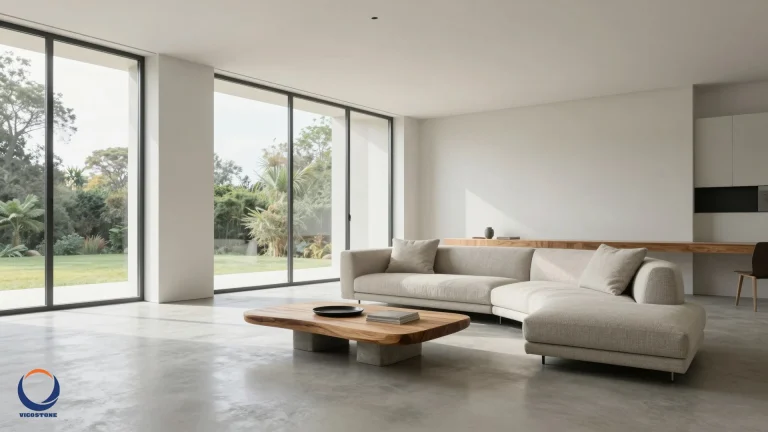
Designers replace rigid reception desks. They opt for living-room-style welcome zones. These areas often feature low seating and soft textiles [2]. Rooms are designed like apartments. They include functional kitchens and reading nooks [2]. These elements require surfaces that are both beautiful and practical. They must withstand daily use while maintaining a cozy aesthetic.
Material storytelling: embracing local and authentic surfaces
Boutique hotels excel at material storytelling [2]. They weave local identity into every detail. This creates an emotional connection for guests [2]. For instance, designers might use reclaimed teak from old boats. They might also incorporate laterite stone or lacquer finishes [2]. These materials tell a story. They connect the space to its surroundings.
This trend encourages the use of natural and culturally significant materials. Terrazzo made from local stone aggregate is one example [2]. Hand-painted tiles and handwoven textiles also feature prominently [2]. These choices add depth and character to surfaces. They move beyond generic finishes. This approach creates a unique and memorable experience. It also inspires homeowners to seek out materials with a narrative.
Texture and tactility: the sensory experience
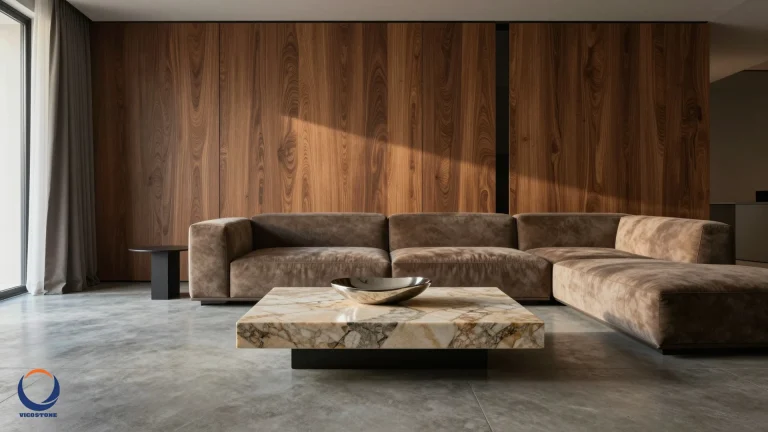
Surfaces in boutique hotels engage more than just sight. They invite touch. Soft, layered textiles like linen, cotton, and silk are common [2]. These materials add warmth and comfort. They create a rich sensory experience. Textured wallpapers, rough-hewn wood, and polished concrete also play a role. They add visual and tactile interest.
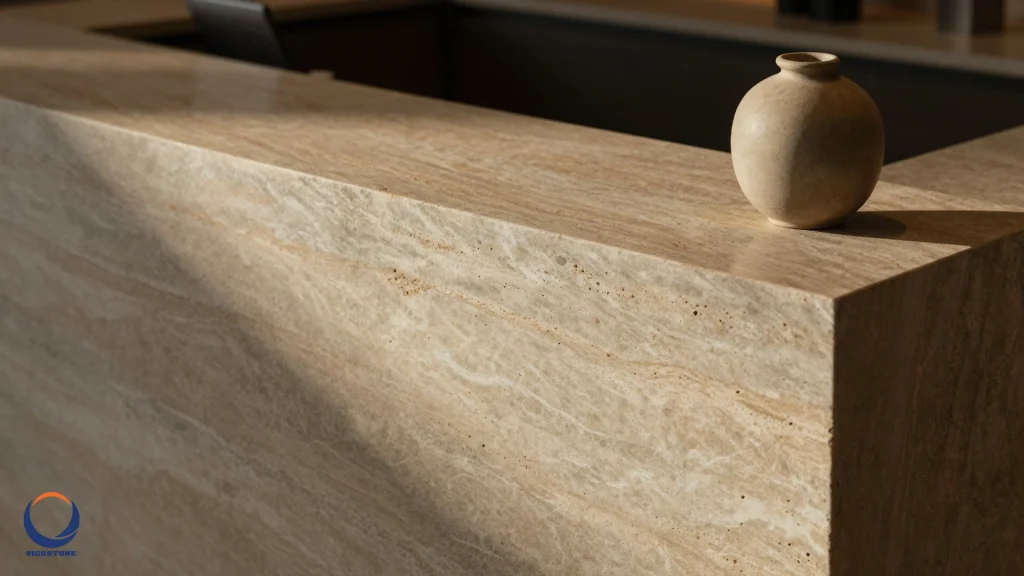
Consider the feeling of a cool stone countertop. Think about the softness of a velvet headboard. These tactile elements contribute to the overall ambiance. They make a space feel luxurious and inviting. Homeowners can replicate this by mixing materials. Combine smooth, cool surfaces with soft, warm ones. This creates a dynamic and comfortable environment. It makes a room feel more alive.
Sustainable and biophilic surfaces
Modern design increasingly focuses on sustainability. It also emphasizes biophilia. Boutique hotels often lead this charge. They use climate-responsive materials and layouts [2]. Humidity-resistant finishes that "breathe" are important in tropical climates [2]. This focus extends to natural, eco-friendly surface choices.
Materials like bamboo, cork, and recycled wood are gaining popularity. Engineered stone, known for its durability and low maintenance, also fits this trend. It offers a sustainable alternative to natural stone. These surfaces connect occupants to nature. They promote well-being. This approach aligns with a growing desire for healthier living spaces. It also supports environmentally conscious design decisions.
Bold patterns and artistic expressions
Boutique hotels are not afraid of bold design decisions [3]. Surfaces become canvases for artistic expression. This includes striking geometric patterns on floors. It also features vibrant murals on walls. Custom-designed tiles can create unique focal points. These artistic elements contribute to the hotel's distinct personality.
Homeowners can adopt this trend. Use patterned tiles in a bathroom or kitchen backsplash. Install a feature wall with a unique wallpaper. Experiment with painted designs. These choices inject personality into a room. They create memorable visual statements. It is about making a space feel curated and special.
Seamless integration of technology
While focusing on natural aesthetics, boutique hotels also embrace modern conveniences. Surfaces can cleverly conceal technology. Smart home systems are often integrated seamlessly. Charging ports are hidden within furniture. Lighting controls are discreetly placed. This ensures functionality without disrupting the design.
Modern surfaces are designed to accommodate these needs. For example, technology retailers offer sleek devices that blend into contemporary interiors [1]. Similarly, specialized tech stores provide solutions for integrated smart living [4]. This allows for a clean, uncluttered look. It enhances both aesthetics and user experience. EON Tech solutions often help designers achieve this balance.
Creating a "sense of place": cultural resonance in surfaces
A key aspect of boutique hotel design is its ability to honor local culture [2]. The Elysinam Boutique Ha Long, for example, blends modern design with Vietnamese culture [5]. This is reflected in its cozy and refined spaces [5]. Surfaces play a crucial role in this cultural integration. They use materials and patterns that resonate with the location's heritage.
This means incorporating local craftsmanship. It involves using indigenous materials. This creates a unique identity. It makes the space feel authentic. For your home, consider your own heritage. Think about your travels. Incorporate elements that tell your personal story. This could be a specific type of wood. It might be a patterned fabric. It could even be a color palette inspired by a beloved place. This approach makes a home truly personal.
Practicality meets aesthetics: durable and low-maintenance surfaces
Boutique hotels experience high traffic. Their surfaces must be durable. They must also be easy to maintain. Yet, they cannot compromise on style. This drives innovation in surface materials. Engineered stone is a prime example. It offers the beauty of natural stone. However, it provides superior resistance to stains and scratches. This makes it ideal for countertops and high-traffic flooring.
The demand for durable engineered surfaces in hospitality is high. These materials ensure longevity. They also reduce maintenance costs. Homeowners can benefit from these same qualities. Opt for materials that are both beautiful and resilient. This ensures your investment lasts. It also keeps your home looking pristine with minimal effort. Consider future-proof interiors with silica-free surface solutions for added safety and sustainability.
Bringing the boutique hotel look home
Replicating boutique hotel surface trends at home is achievable. Start by identifying your desired atmosphere. Do you want a cozy retreat? Or a vibrant, artistic space? Then, focus on material selection. Mix textures and finishes. Combine natural wood with sleek metal accents. Pair soft fabrics with hard stone surfaces.
Consider the emotional impact of each surface. Does it evoke warmth? Does it feel calming? Invest in quality materials. These will last longer. They will also look better over time. Don't be afraid to incorporate unique elements. A statement wall or a custom furniture piece can transform a room. Pay attention to lighting. It enhances the beauty of your chosen surfaces. Ultimately, create a space that feels personal and inviting. Make it a place where you truly want to belong.
Conclusion
Boutique hotels are powerful trendsetters in interior design. Their focus on authenticity, emotional connection, and unique aesthetics inspires us. They demonstrate how surfaces can tell stories. They show how materials can evoke feelings. From local craftsmanship to sustainable choices, these hotels push boundaries. They offer a blueprint for creating truly special spaces.
By observing these trends, homeowners can transform their own environments. You can bring that coveted boutique hotel charm into your daily life. Choose surfaces that reflect your personality. Select materials that offer both beauty and function. Create a home that is not just stylish but also deeply resonant. Embrace the art of surface design. Make your home a sanctuary.
More Information
- Boutique Hotel: A small, intimate hotel typically with a unique character and personalized service, often emphasizing distinctive design and a specific theme or atmosphere rather than standardized luxury.
- Residential Authenticity: A design philosophy in hospitality that prioritizes creating spaces that feel genuinely home-like, comfortable, and emotionally resonant, moving away from formal or sterile luxury.
- Material Storytelling: The practice of selecting and using materials in interior design that have a historical, cultural, or local significance, thereby imbuing the space with narrative and a sense of place.
- Biophilic Design: An architectural and interior design approach that seeks to connect building occupants more closely to nature, using natural light, ventilation, landscapes, and natural materials and patterns.
- Tactile Surfaces: Materials and finishes chosen for their ability to engage the sense of touch, adding depth, warmth, and sensory richness to an interior space through varied textures and sensations.