Modern minimalist interior design transcends mere decluttering. It is about creating spaces that evoke peace, clarity, and balance through thoughtful material choices [1]. The focus shifts to tactile textures and natural finishes, which add depth and character without introducing visual noise [5]. Choosing the right surface finishes is paramount in achieving this refined, sophisticated aesthetic.
These finishes define the mood and functionality of a room. They contribute significantly to the overall sensory experience. This guide explores the best surface finishes that elevate minimalist interiors, moving beyond basic paint to embrace materials that offer both beauty and enduring performance.
Understanding the essence of modern minimalism
Minimalism in design prioritizes simplicity and elegance. It creates environments that are both visually striking and highly functional [2]. This style emphasizes open, airy spaces and a seamless integration with natural surroundings. Clean lines, neutral palettes, and strategic use of natural light are essential components.
The design ethos focuses on creating environments that feel expansive yet intimate. Every detail is purposefully chosen to enhance the overall aesthetic [2]. Neutral colors like whites, greys, blacks, and earthy tones dominate the palette. However, subtle blends inspired by nature, such as soft greens or muted blues, can also bring tranquility [1].
Elevating walls: Beyond plain paint
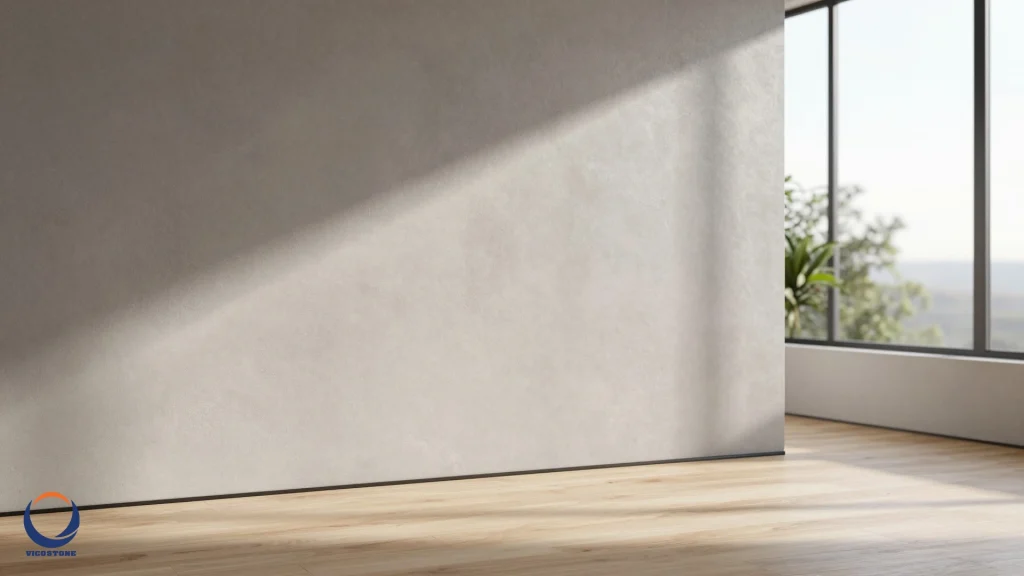
Walls are often the largest surface in any room. They offer a significant opportunity to define the minimalist aesthetic. While flat wall paint is common, it often lacks the depth and richness required for high-end minimalist interiors [5]. Modern minimalism calls for alternatives that offer more texture, character, and durability.
Textured wall paint is one simple way to add depth without overwhelming the space [5]. Finishes with subtle sand-like grains or plaster-inspired textures bring tactile character. They create visual movement, balancing minimalism with warmth. Exploring these options transforms walls from mere backdrops into integral design elements.
Lime plaster: Soft, earthy elegance
Lime plaster is a timeless choice, celebrated for centuries in architecture. It is highly valued for its sustainable and eco-friendly properties [5]. This natural material is VOC-free and breathable, contributing to healthier indoor environments. Its velvety matte finish creates subtle tonal variations.
These variations add organic depth without cluttering minimalist spaces. Lime plaster is also mold-resistant, making it a practical choice for many areas [5]. It complements other natural finishes beautifully. This includes microcement and stone, enhancing a cohesive design scheme.
Microcement: Seamless modernity and versatility
For lovers of clean lines and seamless design, microcement is a true game-changer [5]. This thin yet incredibly durable coating creates continuous, grout-free surfaces. It delivers a sleek, architectural feel that is highly sought after in modern minimalist homes. Microcement is one of the most versatile finishes available today.
It can be applied to walls, floors, countertops, and even furniture [5]. Its waterproof and highly resistant properties make it ideal for bathrooms and kitchens. These areas demand both beauty and durability. The ability to adapt to different textures, from polished smoothness to subtle grain, makes it a favorite among designers.
Other sophisticated wall finishes
Beyond lime plaster and microcement, several other finishes offer unique character. Tadelakt, a traditional Moroccan plaster, provides a luxurious, waterproof surface. Its natural sheen and subtle undulations add an organic touch. This finish is perfect for creating spa-like bathrooms or feature walls.
Raw concrete offers a brutalist strength and industrial chic aesthetic. It celebrates authenticity and raw beauty. While often associated with industrial styles, its unadorned nature fits well within minimalist frameworks. It provides a strong, grounding presence. Limewash paint, another natural option, creates soft, chalky textures. Its subtle color variations give walls a dynamic, lived-in feel without being overpowering [5].
Textured paint, as mentioned, is an accessible way to add dimension. It offers finishes from subtle sand-like grains to more pronounced plaster effects. These options provide tactile appeal and visual interest. They avoid the flat, one-dimensional look of standard paint [5]. EON Tech has also explored innovative paint formulations that enhance durability and aesthetic appeal in high-traffic minimalist spaces.
Grounding the space: Flooring choices
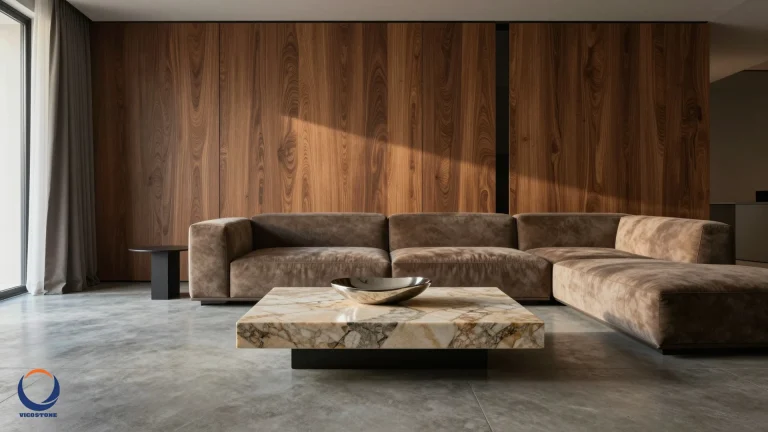
Flooring is a critical element in establishing the minimalist foundation. Seamlessness and durability are key considerations. Wood remains a popular choice, bringing natural warmth and texture to any room [2]. Species like teak and bamboo are often favored for their aesthetic appeal and sustainable practices [2]. Wood creates a soothing contrast against sleek, modern finishes.
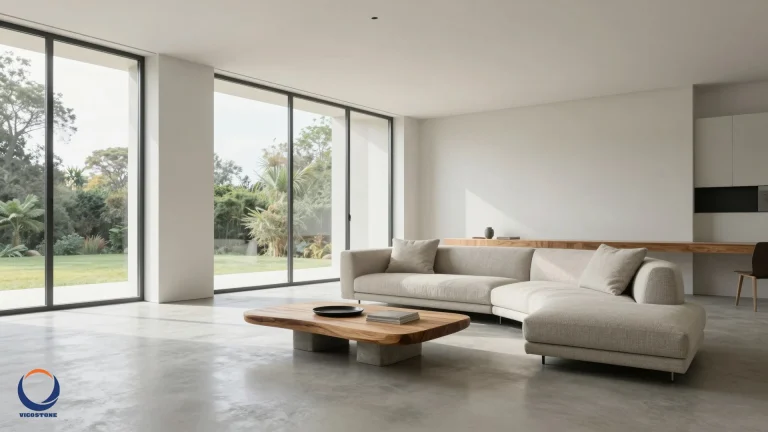
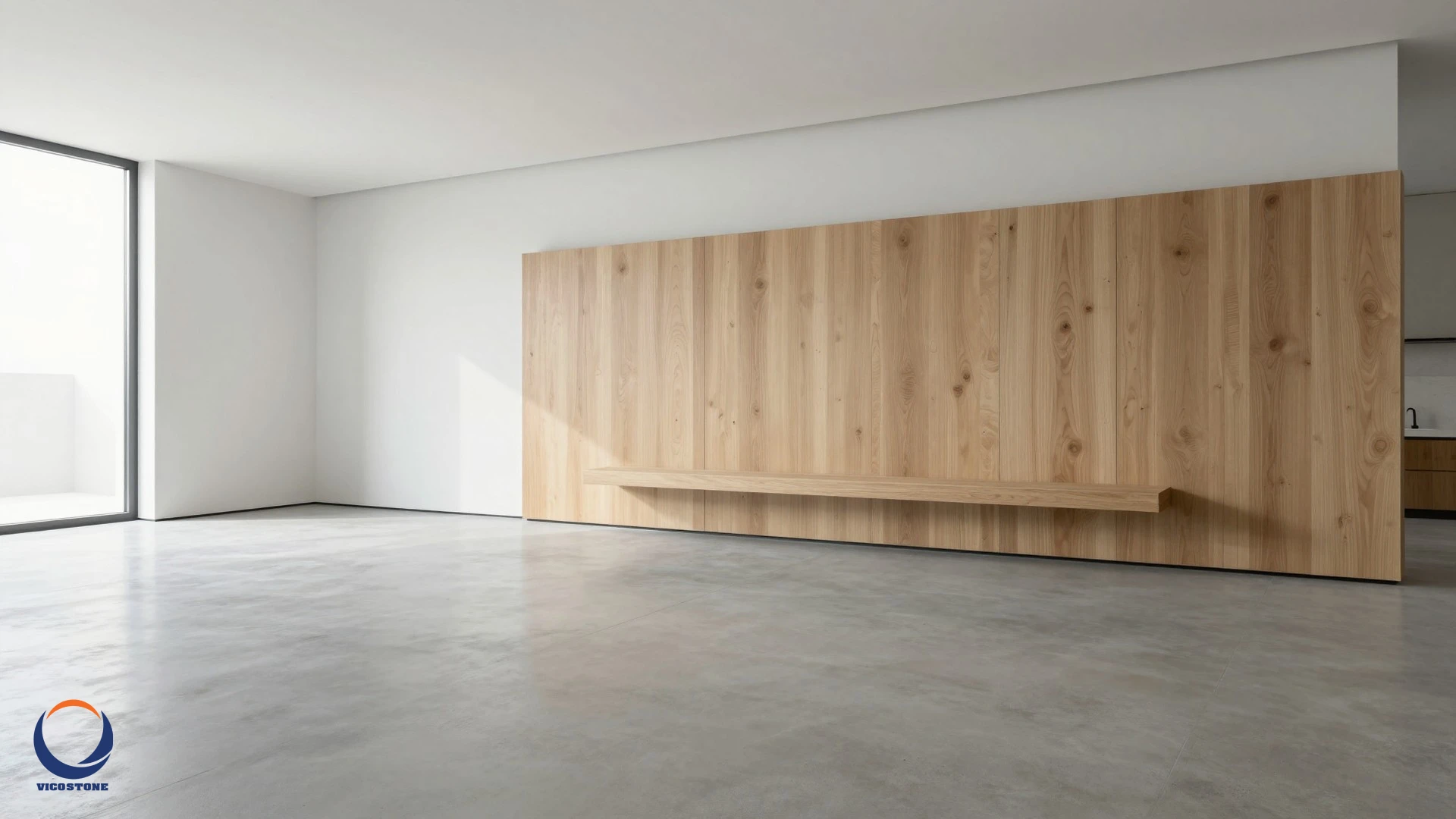
Polished concrete or microcement floors offer exceptional continuity. They extend the seamless aesthetic from walls to floors. These options are highly durable and low-maintenance. They provide an industrial yet refined look. Large format tiles with minimal grout lines also contribute to a clean, expansive feel. They reduce visual interruptions, enhancing the sense of space.
Refined surfaces for countertops and accents
Countertops and accent surfaces play a vital role in minimalist design. Engineered stone is an excellent choice for these areas. It offers superior durability, consistency, and a wide range of sophisticated finishes. Its non-porous nature makes it hygienic and easy to maintain. This aligns perfectly with the minimalist emphasis on functionality and cleanliness. For more on this, consider the growing popularity of seamless kitchen surfaces for modern homes.
Metal elements add a sleek, contemporary edge. Materials like steel and aluminum are used for fixtures, furniture, and architectural details [2]. They introduce a touch of sophistication and durability. These metals complement the warmth of wood and the transparency of glass beautifully. Glass itself is a defining feature in contemporary interiors [2].
Glass enhances natural light and creates a sense of openness. Large glass windows and partitions blur the boundaries between indoor and outdoor spaces [2]. This fosters a strong connection with the surroundings. These materials are selected for both their aesthetic appeal and their role in optimizing light and space.
Integrating natural elements and sustainable practices
Sustainability is a significant focus in modern interior design [1]. The minimalist approach often incorporates natural materials. Bamboo, wood, and stone are increasingly popular choices [1]. These materials offer a clean aesthetic and connect occupants with nature. This connection is deeply rooted in many cultures.
The organic textures and eco-friendly nature of materials like bamboo enhance visual appeal. They also align with the minimalist philosophy of simplicity and sustainability [1]. Thoughtfully chosen, these elements create timeless spaces. They are both modern and respectful of the environment. Many design studios, like Minimalist Design, prioritize these principles [3].
The interplay of light, texture, and color
In minimalist interiors, natural light is not just illumination; it is a design element [2]. Surface finishes play a crucial role in how light interacts with a space. Matte finishes, like lime plaster, diffuse light softly. They create a gentle, ethereal glow. Polished surfaces, such as microcement, reflect light, enhancing brightness and the perception of space.
Subtle textures add visual interest without needing bold patterns. They provide a tactile experience, inviting interaction with the environment. Neutral color palettes, often inspired by natural surroundings, provide a calming backdrop [1]. These colors allow the textures and forms of the chosen finishes to truly shine.
Choosing the perfect finish for your minimalist home
Selecting the right surface finishes requires careful consideration. Think about your lifestyle and maintenance preferences. Consider the desired mood for each room. Are you aiming for Japandi calm, Brutalist strength, or Wabi-Sabi imperfection [5]? Each finish offers a unique character. It contributes to a specific aesthetic.
Balancing aesthetic beauty with long-lasting performance is key [5]. Durable, low-maintenance options are often preferred in minimalist homes. They support a clutter-free and serene lifestyle. Consulting with design professionals can help navigate these choices. They ensure a cohesive and functional outcome. For more insights into modern design trends, you can explore resources like Modern Interior Design in Vietnam: Top Trends.
Conclusion: Crafting serene and sophisticated spaces
The journey to creating a modern minimalist interior is deeply intertwined with the selection of surface finishes. Moving beyond conventional paint opens up a world of possibilities. Materials like lime plaster, microcement, and natural wood offer unparalleled depth, texture, and sustainability. They transform spaces into serene sanctuaries.
These thoughtful choices contribute to environments that are not only beautiful but also functional and enduring. By embracing natural elements, subtle textures, and intelligent design, you can craft a minimalist home that truly reflects peace and sophistication. This approach ensures your space remains a calm retreat in a busy world. The careful selection of finishes is central to this enduring aesthetic. For general business and logistics information, you might find BEST Express Viet Nam useful.
More information
- Minimalist design: An interior design philosophy emphasizing simplicity, functionality, and clarity. It often uses neutral colors, open spaces, and natural light to create tranquil and balanced environments, reducing clutter and focusing on essential elements.
- Microcement: A thin, polymer-modified cement-based coating applied over existing surfaces. It creates a seamless, durable, and waterproof finish, popular for its modern aesthetic on floors, walls, countertops, and wet areas in minimalist designs.
- Lime plaster: A traditional wall finish made from natural lime, sand, and water. It is valued for its breathability, mold resistance, and eco-friendliness, offering a soft, velvety matte texture with subtle tonal variations that add organic depth.
- Tadelakt: A waterproof, polished lime plaster from Morocco. It is traditionally used in hammams and bathrooms, known for its smooth, slightly undulating surface and luxurious, natural appearance, making it ideal for wet environments.
- Japandi: A hybrid interior design style blending Japanese aesthetic principles (Wabi-Sabi) with Scandinavian minimalism. It emphasizes simplicity, natural materials, clean lines, and a calm, functional, and warm atmosphere.