Urban living often means making the most of every square inch. For families in bustling cities, the kitchen is no longer just a place to cook. It has evolved into a dynamic, multi-functional hub. This transformation reflects a broader trend towards maximizing utility and enhancing aesthetic appeal in compact spaces. As a result, there is a growing demand for innovative kitchen designs and high-quality materials.
Modern urban households seek spaces that adapt to their diverse needs. They require areas for cooking, dining, working, and socializing. This shift has propelled the rise of multi-functional kitchens. These designs cleverly integrate various activities into one cohesive space. Furthermore, the selection of premium surfaces plays a crucial role in achieving both functionality and sophisticated style.
The evolving urban kitchen: more than just a cooking space
In today's urban landscape, kitchens are central to family life. They are often open-plan, merging seamlessly with living and dining areas. This layout encourages interaction and connectivity among family members. The traditional, isolated kitchen is rapidly becoming a thing of the past. Instead, families desire a versatile environment that supports their busy lifestyles.
Rapid urbanization drives this demand for modern, space-efficient designs [1]. As cities expand, the need for stylish and functional kitchen solutions increases significantly. Urban populations are growing, leading to more households seeking contemporary designs [1]. This trend is evident globally, with consumers prioritizing aesthetics, functionality, and durability [1].
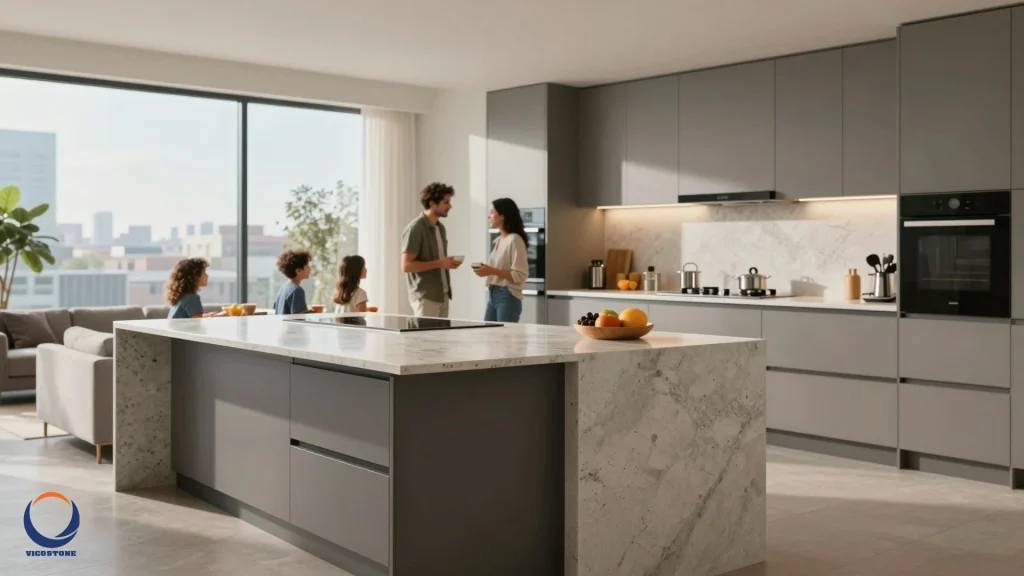
The kitchen's role has expanded beyond meal preparation. It now serves as a homework station, a home office, and an entertainment zone. This versatility is essential for urban families living in smaller homes or apartments. Every element must contribute to the overall efficiency and comfort of the space. Therefore, thoughtful design and material choices are paramount.
Defining multi-functional kitchen design
A multi-functional kitchen is designed to serve several purposes simultaneously. It optimizes space without compromising on style or efficiency. Key components often include innovative storage, adaptable layouts, and integrated appliances. These elements work together to create a flexible and inviting environment.
The central role of the kitchen island
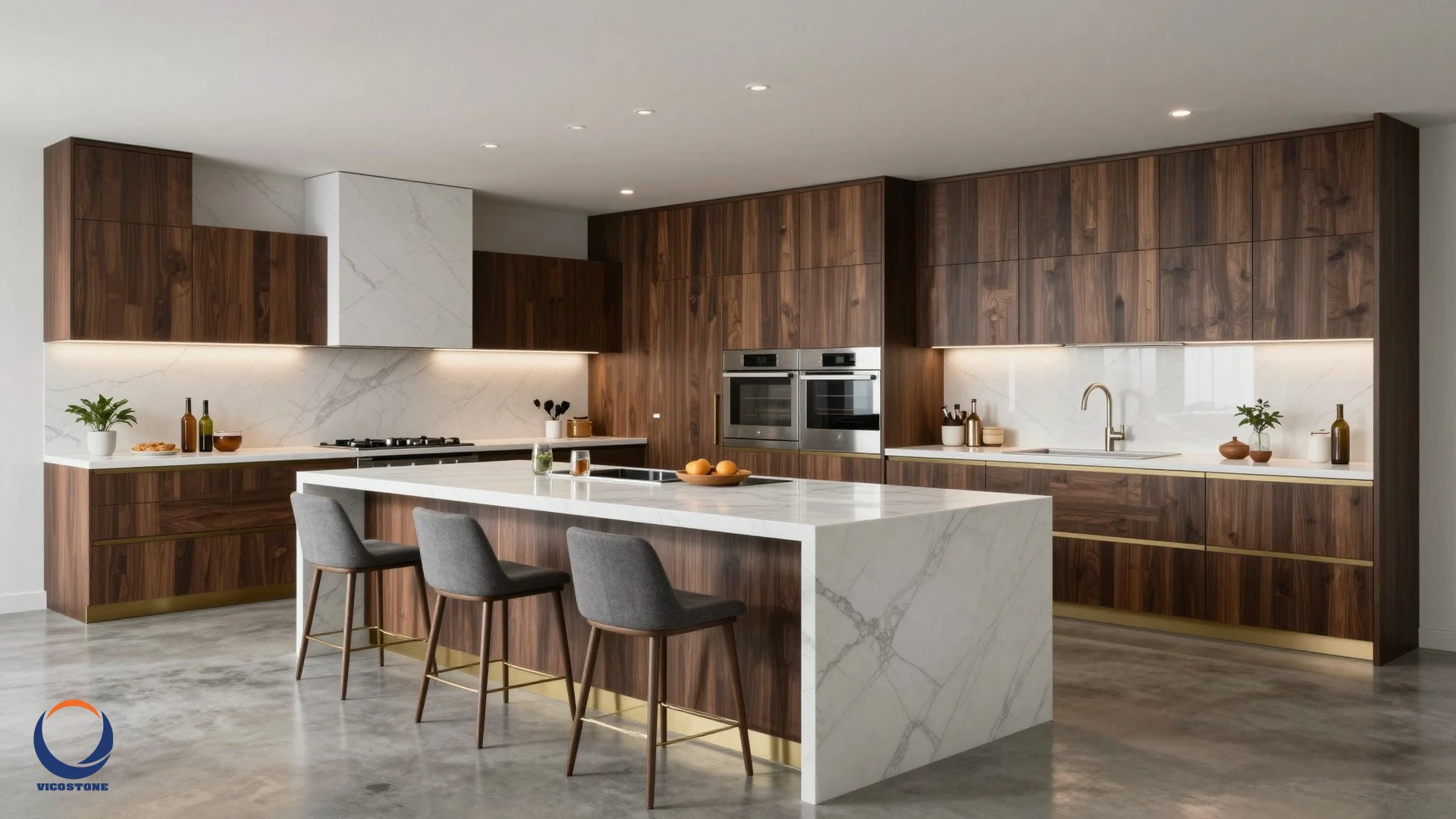
The kitchen island is perhaps the quintessential feature of a multi-functional kitchen. It acts as a versatile centerpiece. Islands provide additional workspace for meal preparation. They also offer extra storage, often with built-in cabinets or shelves [1]. Moreover, many islands incorporate casual dining areas with stools, making them perfect for family meals or entertaining guests [1].
Islands can house sinks, cooktops, or even wine coolers. This integration reduces clutter and streamlines workflows. For urban families, an island can be a breakfast bar in the morning and a homework station in the afternoon. It can transform into a buffet for parties. This adaptability makes it an invaluable asset in any modern kitchen.
Smart storage solutions
Space is a premium in urban dwellings. Consequently, smart storage is critical in multi-functional kitchens. Solutions like pull-out pantries, corner carousels, and drawer organizers maximize every inch. Vertical storage systems and wall-mounted units keep countertops clear. This thoughtful organization helps maintain a tidy and efficient space. It also makes daily tasks much easier for busy families.
Integrated appliances also contribute to a sleek, uncluttered look. Refrigerators, dishwashers, and microwaves can be hidden behind cabinet panels. This creates a seamless aesthetic. Such design choices are not only visually appealing but also highly practical. They contribute to the overall efficiency of the kitchen. This focus on utility within compact urban dwellings is a significant market driver [2].
Open-plan living and seamless transitions
Multi-functional kitchens often embrace open-plan layouts. This design promotes a sense of spaciousness and connection. It allows activities to flow naturally between the kitchen, dining, and living areas. For families, this means parents can cook while children play nearby. Guests can socialize comfortably while meals are prepared. This fosters a more inclusive and engaging home environment. Why engineered stone is ideal for open-plan living further explores this concept.
The rise of premium surfaces: elevating aesthetics and durability
As kitchens become more central to home life, the demand for high-quality materials grows. Premium surfaces are now a cornerstone of modern kitchen design. They offer superior aesthetics, durability, and ease of maintenance. Urban families are increasingly willing to invest in higher-end options [1]. They prioritize materials that can withstand daily wear and tear while looking elegant.
The growing middle class in many regions is driving this trend. They are prioritizing kitchen aesthetics, functionality, and durability [1]. This spurs demand for premium and customized options. These choices cater to modern lifestyles and culinary needs [1]. Premium surfaces contribute significantly to the overall value and appeal of a home.
Aesthetics: making a statement
Premium surfaces instantly elevate the look and feel of a kitchen. Materials like quartz, natural stone, and high-quality solid surfaces come in a vast array of colors and patterns. They can mimic the look of marble or granite with added benefits. Bold veining and unique textures create stunning visual interest. These surfaces become focal points, transforming the kitchen into a design statement. They contribute to a quiet luxury kitchens: less decoration, more material quality aesthetic.
The consistent quality and finish of premium materials are unmatched. They offer a sophisticated backdrop for any design style. From minimalist to contemporary, these surfaces enhance the overall ambiance. They reflect light beautifully, making spaces feel brighter and more expansive. This is particularly beneficial in urban apartments where natural light might be limited.
Durability: built to last
Urban kitchens endure heavy use. Therefore, durability is a non-negotiable feature for surfaces. Premium materials are engineered to withstand scratches, stains, and heat. Quartz, for example, is highly resistant to common kitchen mishaps. It is less porous than natural stone, making it more hygienic and easier to clean. This resilience ensures surfaces maintain their beauty for years to come. This is why durability is a key factor for consumers investing in kitchen furniture[1].
Investing in durable surfaces reduces the need for frequent repairs or replacements. This provides long-term value for urban families. It also aligns with sustainable living practices by minimizing waste. The robust nature of these materials makes them ideal for busy households with children and pets. They can handle spills, impacts, and daily wear without showing significant signs of damage.
Hygiene and easy maintenance
Maintaining a clean kitchen is paramount for family health. Premium surfaces often boast non-porous properties. This means they do not absorb liquids, preventing bacteria growth and staining. Quartz and solid surfaces are particularly easy to clean. A simple wipe with soap and water is usually sufficient. This low-maintenance aspect is a huge advantage for time-strapped urban families.
Unlike some natural stones, many premium engineered surfaces do not require sealing. This saves time and effort in ongoing care. Their smooth, seamless finishes leave no crevices for dirt to accumulate. This contributes to a healthier and more sanitary cooking environment. The ease of maintenance ensures the kitchen remains sparkling clean with minimal effort.
Popular premium surface materials for urban kitchens
Several premium materials stand out for their suitability in multi-functional urban kitchens. Each offers unique benefits in terms of aesthetics, performance, and cost. Understanding these options helps families make informed decisions.
Engineered quartz
Engineered quartz is a top choice for urban families. It is composed of natural quartz minerals combined with resins and pigments. This creates a highly durable and non-porous surface. Quartz offers exceptional resistance to scratches, stains, and heat. It comes in a wide range of colors and patterns, including designs that mimic natural stone. Its low maintenance and hygienic properties make it ideal for busy households. The EON Tech manufacturing process for engineered stone ensures consistent quality and performance.
Solid surface materials
Solid surface materials are made from acrylic or polyester polymers and natural minerals. They are known for their seamless appearance. Joints can be virtually invisible, creating a sleek, continuous look. Solid surfaces are non-porous, making them highly hygienic and stain-resistant. They are also repairable; scratches and minor damage can often be buffed out. This material offers flexibility in design, allowing for integrated sinks and custom shapes. The use of polymer composites in kitchen furniture highlights their versatility [2].
Natural stone (granite and marble)
Granite and marble remain popular choices for their timeless beauty. Granite is highly durable and heat-resistant, making it a robust option for countertops. Marble offers unparalleled elegance with its distinctive veining. Both require more maintenance than engineered surfaces. They are porous and need regular sealing to prevent stains. However, their unique natural patterns provide a luxurious appeal that many urban families desire.
Benefits for urban families
The combination of multi-functional design and premium surfaces offers numerous advantages for urban families.
- Space optimization: Clever layouts and integrated solutions make the most of limited square footage.
- Enhanced durability: Surfaces withstand daily wear, ensuring longevity and reducing replacement costs.
- Easy maintenance: Non-porous materials are simple to clean, promoting hygiene and saving time.
- Increased home value: High-quality materials and thoughtful design contribute to a property's market appeal.
- Improved aesthetics: Premium finishes create a stylish and inviting atmosphere, reflecting modern tastes.
- Versatility: Kitchens adapt to various activities, from cooking and dining to work and entertainment.
Designing your multi-functional kitchen: practical considerations
Creating a multi-functional kitchen requires careful planning. Urban families should consider several factors to ensure their new space meets their specific needs.
- Assess your family's lifestyle: How do you use your kitchen most often? Do you entertain frequently? Do children do homework there?
- Prioritize functionality: Identify essential features like a large island, ample storage, or a dedicated work zone.
- Choose durable and low-maintenance surfaces: Select materials that can withstand daily use and are easy to clean. This is especially important for busy families.
- Consider integrated appliances: These help maintain a sleek and uncluttered look, maximizing counter space.
- Optimize lighting: Good lighting is crucial for both task-oriented activities and creating ambiance.
- Work with a designer: A professional can help translate your needs into a practical and beautiful design.
The future of urban kitchens
The trend towards multi-functional kitchens with premium surfaces will continue to grow. As urban populations increase, so does the demand for efficient and stylish living spaces [1]. Technological advancements will further enhance kitchen functionality. Smart appliances and automated systems will become more common. This will create even more seamless and convenient cooking experiences. Moreover, sustainability will play a larger role in material selection. Consumers will seek eco-friendly and responsibly sourced premium surfaces. This will ensure that kitchens are not only beautiful and functional but also environmentally conscious.
Conclusion
Multi-functional kitchens, enhanced by the elegance and resilience of premium surfaces, are transforming urban homes. They offer urban families the perfect blend of style, efficiency, and adaptability. From the versatile kitchen island to the hygienic and beautiful countertops, every element contributes to a space that supports modern living. Investing in these designs and materials creates a kitchen that is truly the heart of the home, ready to meet every demand of contemporary family life. The ongoing evolution of kitchen design reflects a deep understanding of urban needs, proving that even in compact spaces, functionality and luxury can coexist beautifully.
More Information
- Urbanization: The process by which populations shift from rural to urban areas, leading to increased demand for housing and modern infrastructure, including contemporary kitchen solutions.
- Multi-functional Kitchen: A kitchen designed to serve multiple purposes beyond just cooking, such as dining, working, socializing, and entertaining, optimizing space in compact urban dwellings.
- Premium Surfaces: High-quality materials used for countertops, backsplashes, and other kitchen elements, chosen for their superior aesthetics, durability, hygiene, and low maintenance.
- Kitchen Island: A freestanding cabinet or countertop unit in a kitchen that provides additional workspace, storage, and often a casual dining area, serving as a versatile hub for various activities.
- Engineered Quartz: A popular premium surface material made from natural quartz minerals, resins, and pigments, known for its durability, non-porous nature, and wide range of design options.