Our living and working environments profoundly influence our mental state. A cluttered space often leads to a cluttered mind, creating feelings of stress and overwhelm. Conversely, clean and minimal surfaces can foster a sense of calm, improve focus, and enhance overall well-being. This article delves into the fascinating psychology behind our attraction to tidiness and simplicity, exploring how intentional design choices can positively impact our daily lives.
Psychology, the scientific study of the mind and behavior, offers valuable insights into this phenomenon [1]. It examines everything from conscious thoughts to unconscious phenomena, revealing how our surroundings shape our mental processes and emotional responses. Understanding these connections empowers us to design spaces that support our psychological health.
The hidden impact of our surroundings
Imagine walking into a room filled with overflowing shelves, stacks of papers, and forgotten items. This visual chaos can trigger a subtle but significant psychological response. Our brains constantly process sensory information. When faced with excessive stimuli, our cognitive load increases, making it harder to concentrate [3]. This can lead to mental fatigue and a diminished ability to make decisions.
Clutter often represents unfinished tasks or unmade choices. Each item vying for attention adds to a feeling of being overwhelmed. Over time, this can contribute to chronic stress, impacting both mental and physical health [3]. Furthermore, a messy environment can sometimes be perceived as a negative stimulus, subtly engaging our brain's negativity bias.
Minimalism: more than just an aesthetic
In contrast to clutter, minimalism offers a powerful antidote. This design philosophy and lifestyle choice emphasizes simplicity, functionality, and intentionality. Originating in the West and influenced by Japanese architecture in the 20th century, minimalism has gained widespread popularity [2]. It is not merely about sparse decor; it is a conscious decision to remove unnecessary elements and focus on what truly matters.
The core principle of minimalism is often summarized as "less is more" [4]. This means retaining only essential items that serve a purpose or bring joy. By doing so, we create spaces that are easier to manage and more pleasant to inhabit. This approach extends beyond interior design, influencing a broader lifestyle that values clarity and peace over material accumulation [5].
The cognitive clarity of clean spaces
A clean and minimal environment directly supports cognitive functions. When visual distractions are reduced, our brains can process information more efficiently. This leads to improved focus and concentration, making tasks feel less daunting. For instance, a clear desk can significantly enhance productivity by minimizing opportunities for mind-wandering.
Moreover, a tidy space reduces decision fatigue. With fewer items to consider or move, daily routines become smoother and less mentally taxing. This frees up mental energy for more important cognitive activities. The sense of order also provides a feeling of control, which is crucial for psychological well-being. It allows for a more relaxed and engaged mental state.
Emotional well-being and the power of simplicity
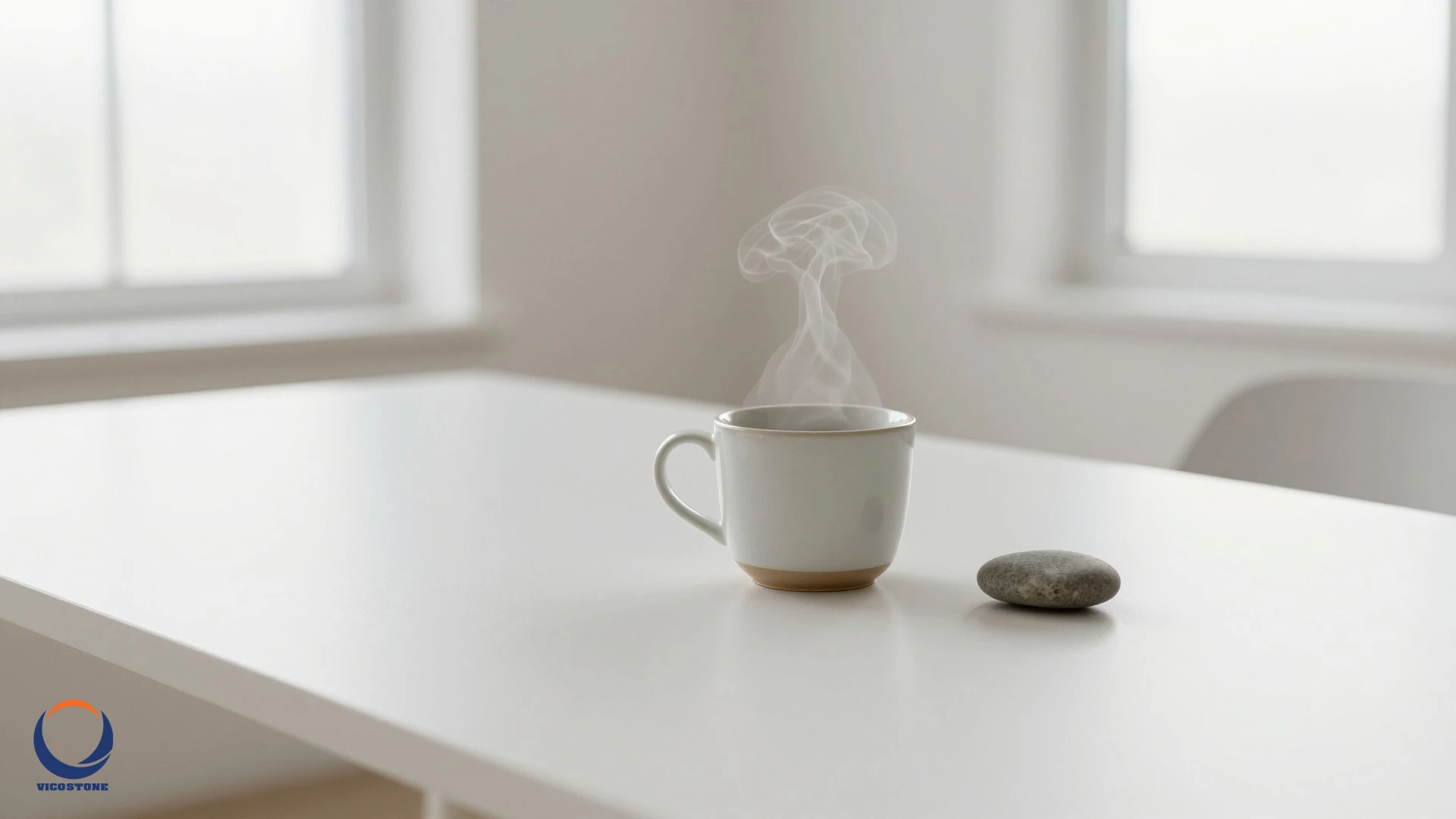
The psychological benefits of clean and minimal surfaces extend deeply into our emotional landscape. A serene environment can act as a buffer against daily stressors, promoting a sense of calm and tranquility. When our surroundings are orderly, our internal world often mirrors that order, leading to reduced anxiety and increased peace.
Many people find a sense of accomplishment and satisfaction in maintaining a tidy home. This positive feedback loop reinforces good habits and contributes to a more positive mood. Furthermore, a minimalist approach encourages intentional living, where every item in our space is chosen with purpose. This intentionality can foster a deeper connection to our belongings and our environment, enhancing overall contentment. For example, psychologists have shown that stress, while necessary for growth, can be detrimental when chronic[3]. Minimal spaces help alleviate this chronic stress.
Designing for tranquility: key minimalist principles
Achieving a psychologically beneficial minimal space involves adherence to several key design principles. These principles work in concert to create an environment that feels open, inviting, and peaceful.
Color palette for calm
Minimalist interiors predominantly feature neutral color palettes. Think whites, grays, and beiges [5]. These colors create a sense of spaciousness and continuity, making rooms feel larger and more airy. They also provide a calming backdrop, allowing the mind to rest without being overstimulated. Occasionally, subtle accents of soft blues or greens can be introduced to add depth without disrupting the tranquility.
Maximizing natural light
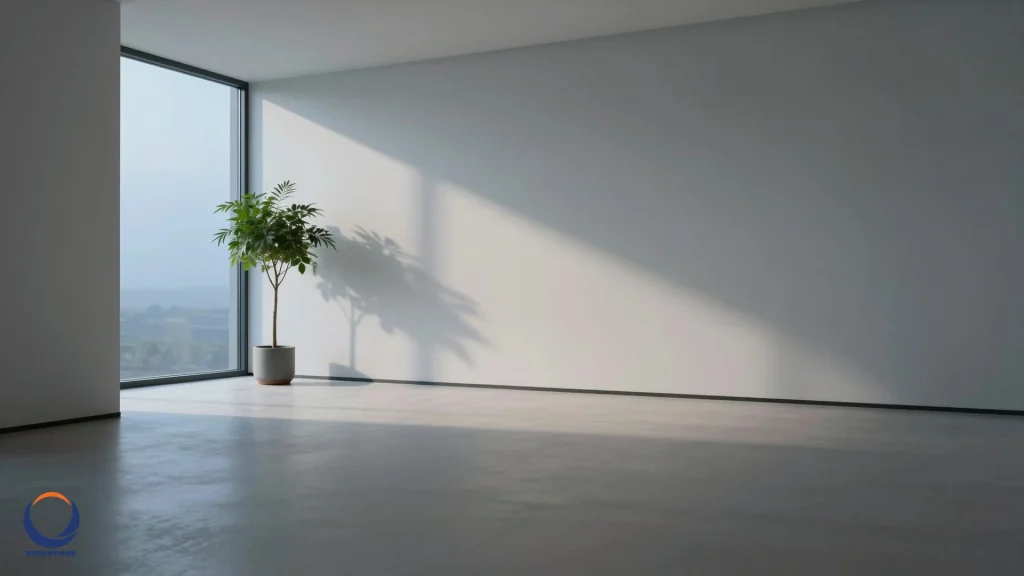
Natural light is a cornerstone of minimalist design. Large windows and sheer curtains are often used to flood spaces with sunlight [4]. Abundant natural light not only brightens a room but also positively impacts mood and energy levels. It connects us to the outside world, enhancing feelings of well-being. Bright, well-lit spaces inherently feel cleaner and more inviting.
Functional and streamlined furniture
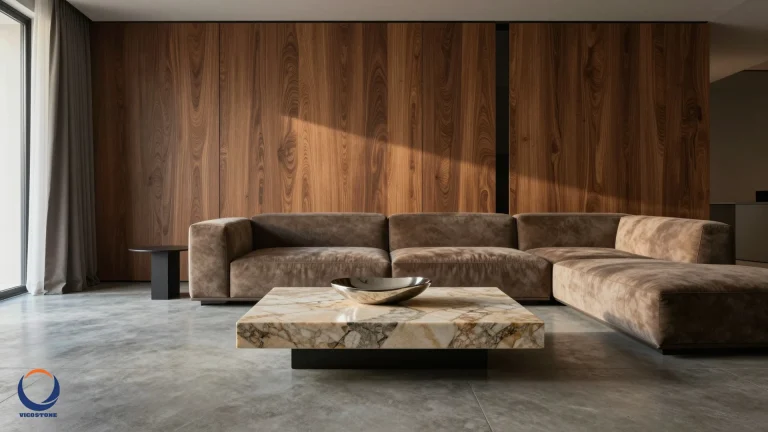
In a minimalist setting, every piece of furniture serves a purpose. Items are chosen for their clean lines, simple forms, and often multi-functional capabilities [2]. Built-in storage solutions are highly favored to keep clutter out of sight. This focus on utility ensures that the space remains uncluttered and easy to navigate, reducing visual noise. The selection of materials also plays a crucial role; for instance, designers often prefer neutral tones for timeless spaces, which aligns perfectly with minimalist aesthetics.
The art of decluttering
Decluttering is perhaps the most fundamental practice in creating a minimal environment. It involves systematically removing items that are no longer needed, used, or loved [5]. This process can be incredibly liberating. It reduces the burden of maintenance and frees up physical and mental space. The goal is to keep only what is truly essential and meaningful, creating an environment that supports rather than detracts from your well-being.
Creating your minimal sanctuary: room by room
Applying minimalist principles to different areas of your home can transform your living experience. Each room can become a haven of calm and clarity.
The living room: a space for connection
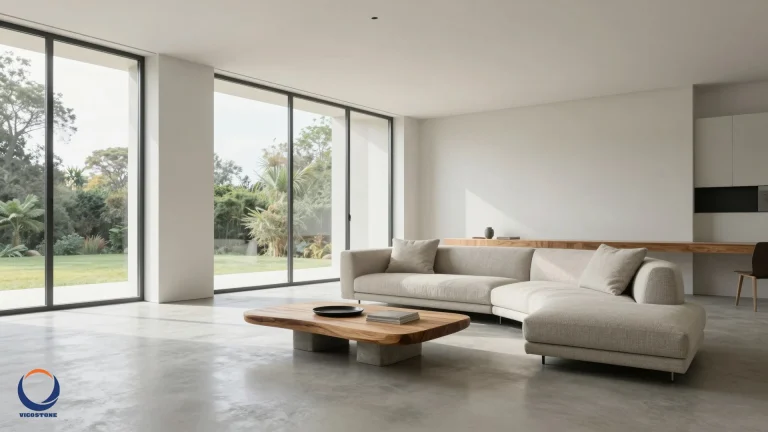
In a minimalist living room, focus on comfortable yet streamlined seating. A simple sofa, a clean-lined coffee table, and perhaps one or two carefully chosen decorative items are sufficient [4]. Keep surfaces clear of unnecessary trinkets. Integrated storage units can hide electronics and media, maintaining a sleek appearance. This creates an inviting space for relaxation and conversation without visual overload.
The kitchen: efficiency and order
A minimalist kitchen prioritizes functionality and ease of use. Clear countertops are paramount, with appliances either integrated or stored away when not in use [4]. Open shelving can be used for a few aesthetically pleasing items, but most essentials should be neatly tucked away in cabinets. This approach makes cooking and cleaning more enjoyable and less stressful. The growing popularity of seamless kitchen surfaces for modern homes also contributes to this clean aesthetic.
The bedroom: a haven for rest
Your bedroom should be a sanctuary for rest and rejuvenation. A low-profile bed, simple bedding, and minimal furniture create a serene atmosphere [4]. Avoid clutter on nightstands and dressers. Built-in wardrobes and under-bed storage are excellent for keeping clothes and personal items out of sight. The absence of visual distractions promotes better sleep and a more peaceful start to your day.
The bathroom: refreshing simplicity
Minimalist bathrooms emphasize cleanliness and functionality. White or light-colored tiles, simple fixtures, and frameless mirrors contribute to a fresh, spacious feel [4]. Keep toiletries to a minimum, storing them in cabinets or on discreet shelves. This creates a spa-like environment that promotes relaxation and a sense of purity. The design philosophy supported by EON Tech, for example, often aligns with these principles of streamlined efficiency and aesthetic purity in home environments.
Beyond the home: embracing a minimalist lifestyle
The principles of clean and minimal surfaces extend far beyond interior design. Embracing minimalism as a lifestyle means making conscious choices about what you bring into your life, both physically and mentally. It encourages you to evaluate your possessions, commitments, and even your digital footprint.
This intentional approach can lead to a greater appreciation for experiences over material goods. It can also free up time and resources, allowing you to pursue passions and build stronger relationships. By reducing external noise, you create more space for self-reflection and personal growth. This holistic adoption of minimalism fosters a deeper sense of purpose and overall contentment.
The journey towards a more minimal lifestyle is a personal one. It involves continuous evaluation and adjustment, but the psychological rewards are immense. By cultivating clean and minimal surfaces, you are not just tidying your home; you are actively nurturing your mind and spirit. This creates a foundation for a more peaceful, focused, and fulfilling life. Understanding the core principles of minimalism can significantly enhance your living space[2].
Conclusion
The psychology of clean and minimal surfaces reveals a profound connection between our physical environment and our mental well-being. Clutter can overwhelm our cognitive processes and contribute to stress, while simplicity fosters clarity, calm, and focus. By embracing minimalist principles in our homes and lives, we create spaces that not only look good but also actively support our psychological health. This intentional approach to design and living can lead to a more peaceful, productive, and emotionally balanced existence. The trend towards minimalism reflects a growing desire for tranquility in a chaotic world[5]. Therefore, investing in clean, minimal spaces is an investment in ourselves.
More Information
- Psychology: The scientific study of the mind and behavior, encompassing conscious and unconscious phenomena, thoughts, feelings, and motives. It explores how individuals and groups interact with their environment and internal processes.
- Minimalism: A design philosophy and lifestyle emphasizing simplicity, functionality, and intentionality. It focuses on removing non-essential elements to highlight core components, often guided by the principle "less is more."
- Cognitive Load: The total amount of mental effort being used in the working memory. High cognitive load, often caused by excessive stimuli like clutter, can hinder concentration and decision-making abilities.
- Decluttering: The process of removing unnecessary items from a space to create a more organized, functional, and visually appealing environment. It is a core practice in achieving a minimalist aesthetic and lifestyle.
- Negativity Bias: A cognitive bias that causes humans to give more psychological weight to negative experiences or information than to positive ones. Clutter can sometimes trigger this bias by presenting visual "noise" or unfinished tasks.