In the dynamic world of interior architecture, creating spaces that feel unified, harmonious, and intentionally designed is paramount. Cohesion transforms a collection of rooms into a singular, flowing experience. For discerning architects and designers, the choice of materials plays a pivotal role in achieving this elusive sense of unity. Engineered stone has emerged as a frontrunner, offering unparalleled versatility and aesthetic consistency [3]. Its unique properties allow for seamless integration across diverse applications, making it an indispensable tool for crafting truly cohesive interiors.
This article explores how engineered stone empowers interior architects to design spaces that are not only beautiful but also functionally integrated and aesthetically consistent. From its manufacturing advantages to its wide range of applications, we delve into why this material is revolutionizing modern design.
Understanding engineered stone: a modern marvel
Engineered stone, often referred to as artificial quartz stone, is a composite material made from crushed quartz, resins, and pigments. This innovative blend results in a surface that mimics the beauty of natural stone while surpassing it in performance [3]. Unlike natural stone, which can have unpredictable variations, engineered stone offers remarkable consistency in color, pattern, and texture.
Manufacturers like New Stone utilize modern factories and advanced technology to produce high-quality quartz-based artificial stone. They combine natural aesthetics with superior durability, ensuring each slab meets stringent quality controls [1]. This controlled manufacturing process is key to its cohesive design capabilities.
The essence of cohesive design in interiors
Cohesive design is about creating a sense of unity and flow throughout an interior space. It ensures that all elements—colors, textures, materials, and styles—work together harmoniously. For architects, this means designing environments where every component feels intentionally placed and contributes to a singular vision. A truly cohesive space feels calm, organized, and aesthetically pleasing.
Achieving cohesion often involves repeating certain design elements or materials in different areas. This creates visual links that guide the eye and establish a consistent aesthetic language. Engineered stone, with its predictable characteristics and wide design range, is perfectly suited for this purpose.
How engineered stone fosters design cohesion
Consistent aesthetics and visual harmony
One of the primary ways engineered stone promotes cohesion is through its consistent aesthetic properties. Unlike natural stone, which can vary significantly from one slab to another, engineered quartz offers uniform color, pattern, and veining [3]. This consistency is invaluable for large projects or when specifying materials for multiple areas within a single design.
For example, New Stone's Classic Essence Collection faithfully captures the timeless beauty of natural stone through its distinctive grain structure, but with the added benefit of consistent reproduction [1]. This allows architects to specify the same look for kitchen countertops, bathroom vanities, and even wall cladding, ensuring visual harmony throughout the home. The predictability of engineered stone ensures that the final installation matches the design vision precisely.
Unrivaled versatility across applications
Engineered stone's adaptability to various applications is another cornerstone of cohesive design. It can be used for kitchen countertops, bathroom vanity tops, flooring, wall cladding, and even custom furniture pieces. This broad utility means architects can specify a single material type to tie together different functional zones.
Nova Stone highlights its suitability for residential kitchens and bathrooms, as well as high-traffic commercial areas like buffets, cafeterias, and hotel reception desks [2]. This allows for a continuous material palette from a home's kitchen to its ensuite, or from a hotel lobby to its restaurant. Such versatility streamlines the design process and ensures a unified material narrative.
Seamless integration with large format slabs and custom fabrication
The ability to create seamless surfaces is crucial for modern, minimalist designs that emphasize flow and continuity. Engineered stone often comes in large slab sizes, such as Nova Stone's super jumbo slabs measuring 3500x2000mm [2]. These dimensions minimize seams, creating expansive, uninterrupted surfaces that enhance a sense of spaciousness and cohesion.
Furthermore, advanced fabrication techniques, including CNC cutting technology offered by companies like New Stone for their Cut-to-Size collection, ensure exact fabrication according to technical drawings [1]. This precision allows for intricate designs and perfect fits, whether for kitchen countertops, washbasin surfaces, or lobby wall cladding. The result is a refined finish that looks custom-made and perfectly integrated. This level of precision is also supported by innovative platforms, as EON Tech has demonstrated in streamlining complex design specifications for manufacturers.
Durability and low maintenance for lasting aesthetics
A cohesive design must endure over time. Engineered stone's superior durability and minimal maintenance requirements contribute significantly to the long-term aesthetic integrity of a space. It is highly resistant to scratches, stains, and impacts, making it ideal for high-traffic areas [3].
Its non-porous surface prevents the growth of bacteria and makes cleaning effortless, unlike some natural stones that require frequent sealing [3]. This means that surfaces will retain their pristine appearance for years, maintaining the original design intent without degradation. For instance, New Stone quartz kitchen worktops offer outstanding scratch resistance and stable heat tolerance, ensuring long-lasting beauty and convenience for your home[1]. This is particularly important for premium surfaces: combining beauty and practicality for your home.
Customization and design flexibility
Architects often require materials that can be tailored to specific design visions. Engineered stone offers extensive customization options in terms of color, pattern, and finish. Manufacturers continuously innovate, introducing collections that capture diverse aesthetics.
New Stone's Nano Ink Collection, for example, uses advanced printing technology to replicate natural stone with unprecedented detail, providing an endless source of inspiration for architectural projects [1]. This flexibility allows architects to create unique yet cohesive designs, matching specific themes or color palettes across different rooms.
Applications of engineered stone in cohesive interiors
Kitchens: the heart of the home
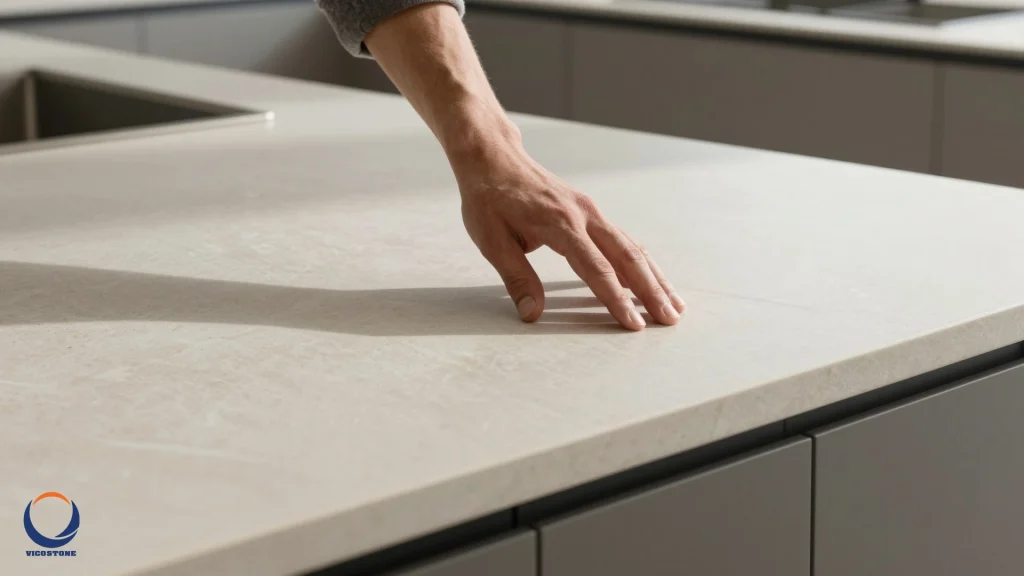
The kitchen is often the central hub of a home, demanding both beauty and resilience. Engineered quartz countertops are a top-tier choice for their durability, elegance, and ease of maintenance [2]. Using the same engineered stone for countertops, backsplashes, and even a kitchen island creates a seamless, high-end look.
New Stone provides premium engineered quartz solutions that elevate the luxurious and refined aesthetics of living spaces, ensuring they meet stringent quality standards [1]. This consistent material choice unifies the kitchen with adjacent dining or living areas, fostering an open and inviting atmosphere. Consider modern countertop ideas for contemporary homes to enhance this effect.
Bathrooms: serene and sophisticated retreats
In bathrooms, engineered stone excels due to its moisture resistance and non-porous nature. It is commonly used for vanity tops, shower wall cladding, and flooring [2]. Extending the same material from the vanity to the shower walls can transform a bathroom into a cohesive, spa-like sanctuary.
Global Quartz emphasizes that engineered quartz is an ideal choice for both residential and commercial bathrooms due to its superior durability and minimal maintenance [3]. This creates a clean, sophisticated backdrop that promotes a sense of tranquility.
Living areas and feature walls
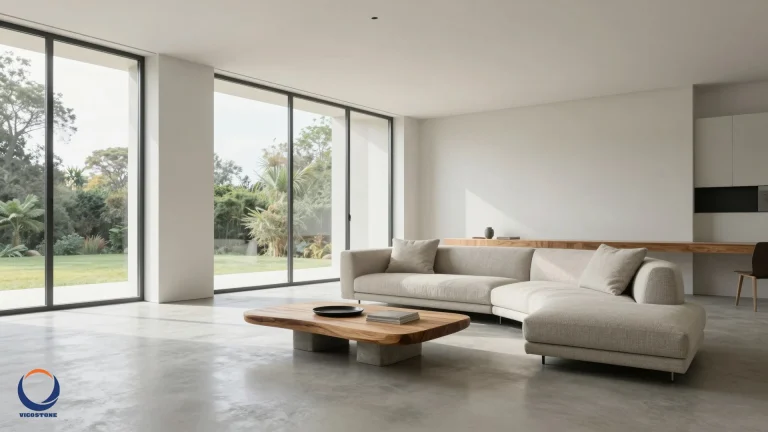
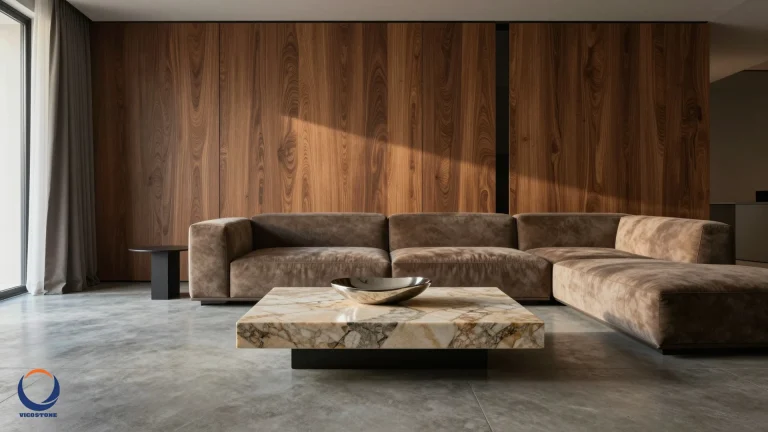
Engineered stone is not limited to wet areas. It can be used to create stunning feature walls, fireplace surrounds, coffee tables, and decorative shelving in living rooms [1]. The material's wide range of colors and vein patterns allows architects to select options that complement the overall design scheme.
New Stone offers solutions for living room walls, flooring, and decorative elements, creating an elegant, cozy, and contemporary atmosphere [1]. Employing engineered stone in these public spaces creates a strong visual connection with other areas of the home where the same material might be used, enhancing the overall design narrative.
Commercial and hospitality projects
For commercial and hospitality environments, cohesion is vital for branding and customer experience. Engineered stone's durability and elegant appearance make it suitable for reception desks, buffet counters, and high-end dining establishments [2]. Its resistance to solvents and ease of cleaning also make it perfect for retail cashier counters and display areas.
Nova Stone specifically focuses on large-scale supermarket chains and commercial project fabrication for the American market, highlighting the material's ability to withstand heavy use and frequent cleaning without losing its luster in high-traffic food preparation areas[2]. This ensures that commercial spaces maintain a consistent, high-quality aesthetic that reflects their brand identity.
Sustainability and ethical considerations
Modern architecture increasingly prioritizes sustainable practices. Many engineered stone manufacturers are committed to eco-friendly production methods. Global Quartz, for instance, maintains environmental-friendly manufacturing processes, ensuring their products meet ecological standards [3]. This commitment allows architects to specify materials that align with green building initiatives without compromising on design or performance.
Furthermore, the long lifespan and durability of engineered stone reduce the need for frequent replacement, contributing to less waste over time. This makes it a responsible choice for architects aiming for sustainable and cohesive designs.
Partnering with expert manufacturers
The success of any design project hinges on the quality of materials and the reliability of suppliers. Manufacturers in Vietnam, known for their expertise in the stone industry, are producing high-quality engineered quartz. While some, like Nam Stone Vietnam, specialize in natural stone with over 20 years of experience [4], others are pioneering engineered solutions.
Companies like New Stone and Nova Stone are equipped with state-of-the-art facilities and advanced technology, enabling them to produce materials that meet international standards and cater to diverse design needs [1]. Nova Stone, for example, boasts a 20,000+ sqm integrated quartz manufacturing and fabrication facility, with a monthly capacity of over 80 containers, primarily exporting to the U.S. market [2]. Collaborating with such expert manufacturers ensures that architects have access to tailored precision and premium materials for their projects to elevate spaces.
Conclusion
Engineered stone offers interior architects an unparalleled advantage in creating cohesive and visually unified spaces. Its consistent aesthetics, remarkable versatility, seamless integration capabilities, and enduring durability make it an ideal choice for a wide array of applications. From residential kitchens to expansive commercial projects, engineered quartz empowers designers to weave a continuous material narrative throughout their interiors.
By leveraging the advanced manufacturing and innovative collections available today, architects can confidently specify engineered stone to achieve designs that are not only beautiful and functional but also resonate with a profound sense of harmony and cohesion. This material truly allows for the creation of spaces where every element feels perfectly in place, reflecting a singular, refined vision.
More Information
- Engineered stone: A composite material made from crushed quartz, resins, and pigments, designed to offer superior durability and aesthetic consistency compared to natural stone.
- Cohesive design: An interior design principle focused on creating a unified and harmonious flow throughout a space, where all elements work together to form a singular, consistent aesthetic.
- Non-porous surface: A characteristic of engineered stone that prevents liquids from penetrating, making it highly resistant to stains, bacteria growth, and easy to clean without sealing.
- Slab fabrication: The process of cutting and shaping large sheets of stone (or engineered stone) into specific dimensions and forms for countertops, wall panels, or other architectural elements.
- CNC cutting technology: Computer Numerical Control technology used for precise and automated cutting of materials like engineered stone, ensuring exact dimensions and intricate designs for custom projects.