The landscape of interior design is constantly evolving. Architects and designers continually seek materials that blend aesthetic appeal with practical functionality. More recently, the focus has shifted dramatically towards health, safety, and environmental responsibility. This profound change asks a fundamental question: "Why?"[1] The answer lies in innovative solutions like silica-free engineered stone. This material is not just a trend; it represents a significant advancement in surface technology. It is redefining expectations for modern interiors.
Silica-free engineered stone offers a compelling alternative to traditional surfaces. It delivers outstanding durability and aesthetic versatility. Crucially, it eliminates the health risks associated with crystalline silica. This makes it a superior choice for both commercial and residential projects. This article explores the reasons why silica-free engineered stone is becoming an indispensable material. It is truly shaping the future of interior design.
Understanding the Shift: The "Why" Behind Silica-Free Stone
Traditional engineered quartz has long been a popular choice. Its hardness and durability made it ideal for countertops and wall cladding [2]. However, these surfaces contain over 90% crystalline silica [2]. This composition, while robust, carries significant health risks. The reason for this concern is clear [4].
Health Hazards of Crystalline Silica
During fabrication, cutting, or polishing, crystalline silica dust is released [2]. Prolonged exposure to this dust can cause silicosis. This is an irreversible lung disease [2]. It poses serious occupational hazards for stone fabricators. This health crisis spurred a global reevaluation of materials.
Global Regulatory Changes and Industry Response
Governments worldwide have tightened regulations. Australia banned the production and sale of high-silica quartz stone in 2024 [2], [5]. Europe and North America introduced stricter workplace safety measures [2]. These policies created a favorable environment for alternatives [5]. The global quartz countertop market saw sharp declines [2]. This accelerated the adoption of zero-silica stone solutions. They offer a safer alternative without compromising performance or aesthetics [2].
What Defines Silica-Free Engineered Stone?
The primary innovation lies in its composition. Silica-free stone replaces crystalline silica. It uses amorphous silica or other safe, non-toxic raw materials instead [2], [3]. This fundamental change ensures safety. It maintains the desired material properties.
Innovative Production Approaches
Two main production methods dominate the market:
- Glass-Based Formulation: This approach uses recycled glass powder or cullet, often up to 90% [2]. These are combined with resins and additives. It emphasizes sustainability by reusing industrial waste. It also provides excellent mechanical properties [2].
- Sintered Block Formulation: This method employs specially processed sintered powders. It achieves finer textures, higher strength, and enhanced durability [2]. While production costs are higher, the results are exceptional.
Both methods create non-toxic architectural surfaces. They are suitable for various applications [2]. Each offers unique advantages. They address different usage scenarios and price points. Together, they have driven the industrialization of silica-free quartz [2].
Core Advantages for Architects and Interior Designers
Silica-free stone delivers a perfect blend of performance, safety, and sustainability. It surpasses what traditional quartz can offer. This makes it an attractive option for modern design projects.
Enhanced Health and Safety
Eliminating crystalline silica is a major benefit. It significantly reduces the risk of respiratory issues [3]. This protects both manufacturers and end-users. Silica-free stone is an excellent choice for environments where air quality is paramount. This includes residential kitchens, commercial spaces, and healthcare facilities [3]. It ensures safe handling for workers. It provides a healthy, worry-free surface for occupants.
Uncompromised Durability and Performance
Despite the absence of crystalline silica, these surfaces maintain exceptional durability. They offer performance on par with traditional quartz. Key attributes include:
- Hardness and Wear Resistance: With a Mohs hardness of ≥5, it outperforms ordinary engineered marble [2]. It rivals natural quartz.
- Mechanical Strength: It features bending strength above 50 MPa and compressive strength over 200 MPa [2]. This ensures long-lasting durability. It performs well in high-traffic and heavy-use settings.
- Thermal and Moisture Stability: Low water absorption (<0.05%) and heat tolerance up to 300°C prevent damage [2]. It maintains performance in humid or hot environments.
- Resistance: It offers excellent resistance to scratches, stains, and heat [3]. This makes it suitable for demanding areas.
Aesthetic Versatility and Design Freedom
Silica-free engineered stone offers extensive design possibilities. It is available in a wide range of colors, finishes, and textures [3], [5]. Designers can choose from marble-look veining to ultra-modern matte tones. This allows for creative expression without compromise. It can emulate the look of natural stone. Yet, it provides a modern, sleek appearance [3]. This versatility means it integrates seamlessly into any design scheme.
Sustainability and Eco-Friendliness
Sustainability is a growing concern in construction. Silica-free quartz surfaces often incorporate recycled materials [3]. They use sustainable practices in their production. Choosing these surfaces supports eco-friendly manufacturing processes. It minimizes environmental impact. The use of alternative materials reduces the need for raw silica. It also promotes the recycling of waste products. This contributes to a circular economy [3]. Furthermore, these materials often align with LEED certification goals [5]. They support circular design principles.
Low Maintenance Requirements
Silica-free quartz surfaces are designed for ease of care. They require only regular cleaning to maintain their pristine look [3]. Unlike natural stone, they are non-porous. They are resistant to staining. This eliminates the need for sealing and special care [3]. This makes them a practical choice for busy environments. They reduce long-term upkeep costs. This is a significant benefit for both residential and commercial clients.
Diverse Applications in Modern Design
Silica-free engineered stone is incredibly versatile. It can be used in a wide array of applications. Its properties make it suitable for almost any interior surface.
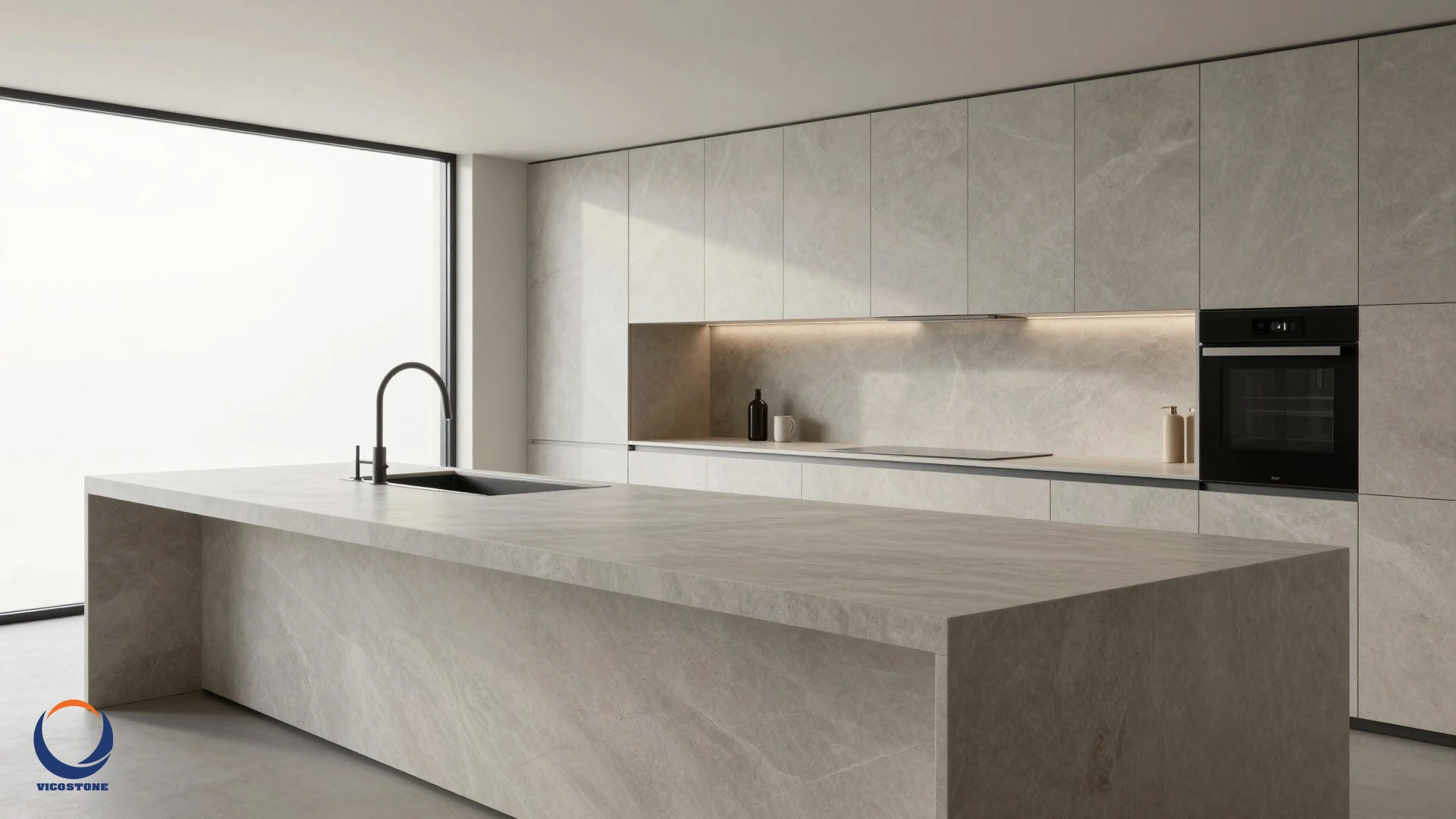
- Residential Interiors: It is ideal for countertops, backsplashes, and flooring [3]. It provides a contemporary look with added safety and durability. Homeowners benefit from a beautiful, long-lasting, and healthy environment.
- Commercial Spaces: These materials are perfect for high-traffic areas. This includes restaurants, hotels, and office buildings [3]. Here, both functionality and style are crucial. The durability and low maintenance are highly valued.
- Healthcare Facilities: Silica-free surfaces are beneficial in hospitals and clinics [3]. Cleanliness and air quality are critical in these settings. The non-porous nature helps prevent bacterial growth.
- Other Applications: It is also excellent for reception desks, bar tops, and retail displays. Its robust nature handles constant use.
The Future is Now: Embracing a Safer, Smarter Approach
The demand for health-conscious and environmentally friendly materials continues to grow. Silica-free engineered stone emerges as a forward-thinking solution [3]. It aligns perfectly with modern design philosophies. These philosophies prioritize well-being and sustainability. This material is no longer a niche innovation. It is becoming a necessary evolution in material science [5].
Architects and interior designers are at the forefront of this transformation. They have the power to specify materials that protect. They can create healthier spaces. They can contribute to a more sustainable future. By choosing silica-free engineered stone, they are making a responsible decision. They are also selecting a material that offers unparalleled aesthetic and performance benefits. Companies like Wayon are leading the way. They provide high-quality zero-silica stone solutions. Furthermore, Dystone Industry emphasizes the future of sustainable stone. Sunhing Stones is also embracing this safer future. This shift represents a proactive response to global health and environmental concerns. It also offers significant design advantages. BEYOND SCALE: WHY SUPER JUMBO REDEFINES MODERN SURFACES 8 highlights the innovation in surface technology. It showcases how larger formats enhance design freedom. The integration of advanced materials, like those developed by EON Tech, ensures that designers have access to cutting-edge options. This material offers cost-efficient long-term benefits. It reduces potential medical claims and insurance liabilities [5]. This makes it a sound investment for any project. Designers can also explore BEYOND SCALE: WHY SUPER JUMBO REDEFINES MODERN SURFACES for more insights into large format applications.
Conclusion
Silica-free engineered stone is more than just a new product. It is a testament to innovation driven by necessity. It addresses critical health concerns. It champions environmental responsibility. It delivers exceptional performance and aesthetic appeal. For architects and interior designers, this material offers a powerful tool. It allows them to create stunning, safe, and sustainable spaces. Embracing silica-free engineered stone means designing for a healthier present and a more responsible future. It is truly shaping the next generation of interior design.
More Information
- Why (word definition): A versatile English word functioning as an adverb to inquire about reasons, a noun referring to an explanation, an interjection expressing surprise, or a conjunction indicating cause.
- Crystalline Silica: A common mineral found in traditional engineered quartz, which, when airborne as dust, poses severe health risks like silicosis to workers during fabrication.
- Silicosis: An irreversible and progressive lung disease caused by the prolonged inhalation of crystalline silica dust, primarily affecting stone fabricators and construction workers.
- Amorphous Silica: A non-crystalline form of silica used in silica-free engineered stone, which does not pose the same health risks as crystalline silica when processed.
- Engineered Stone: A composite material made from crushed stone (like quartz or recycled glass) bound together with polymer resins, often used for countertops and surfaces.