Living in a small apartment presents a unique set of challenges and opportunities. While limited square footage might seem restrictive, it also encourages creativity and smart design choices. Apartment owners often seek ways to maximize space, enhance functionality, and imbue their homes with a sense of luxury and comfort. The key to achieving this transformation lies significantly in the strategic selection and application of premium surface materials.
These materials are not merely aesthetic choices; they are fundamental to creating durable, low-maintenance, and visually expansive interiors. By carefully choosing high-quality finishes, even the most compact living spaces can feel grand, sophisticated, and deeply personal. This article explores how premium surface materials can elevate small apartment design, offering practical insights and inspiration for owners looking to make the most of their urban sanctuaries.
Understanding the small apartment challenge
Small apartments, often ranging from 20 to 30 square meters, are a flexible housing type perfectly suited for dynamic urban lifestyles [4]. However, their limited area demands intelligent design solutions. Common hurdles include a lack of storage, the feeling of being cramped, and difficulty in creating distinct functional zones. Without thoughtful planning, these spaces can quickly become cluttered and uninspiring.
The goal of designing a small apartment is to make it feel larger, more organized, and more luxurious than its actual footprint suggests. This requires a holistic approach, where every element, from furniture placement to material choice, serves a dual purpose: aesthetic appeal and practical utility. Opting for smart design solutions is paramount to transforming these compact areas into fully functional and comfortable homes [4].
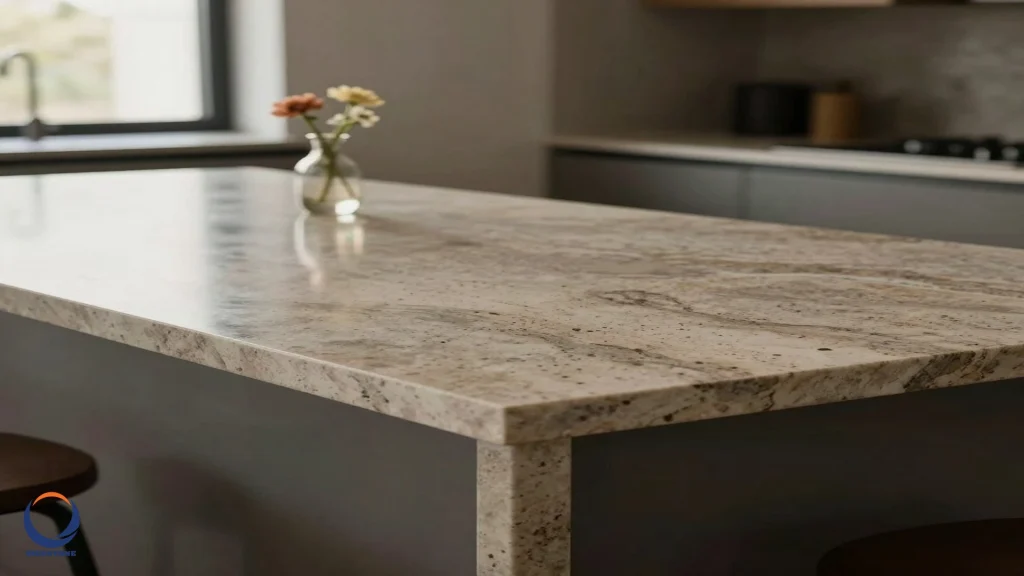
The power of premium surface materials
Premium surface materials offer far more than just good looks. They bring a host of practical benefits that are particularly valuable in small living environments. Durability is a primary concern; high-traffic areas in a compact apartment mean surfaces endure more wear and tear. Premium materials like engineered stone or high-quality porcelain are built to last, resisting scratches, stains, and impacts.
Furthermore, these materials often require less maintenance, which is a significant advantage for busy apartment dwellers. Their inherent quality also contributes to a perception of luxury and permanence. Unlike cheaper alternatives that might quickly show signs of age, premium surfaces maintain their pristine appearance over time, adding long-term value and sophistication to the home. They create a foundation of elegance that elevates the entire design scheme.
Key premium materials for small apartments
Selecting the right materials is crucial for enhancing both the aesthetics and functionality of a small apartment. Certain premium surfaces are particularly well-suited to compact spaces due to their durability, visual impact, and versatility.
Engineered stone (quartz)
Engineered stone, particularly quartz, is a top choice for small apartments. It is renowned for its non-porous nature, making it highly resistant to stains, bacteria, and moisture. This characteristic makes it an ideal material for kitchen countertops, backsplashes, and bathroom vanities. Its durability means it can withstand daily use without showing significant wear, ensuring a lasting, pristine look.
Moreover, engineered stone offers an extensive range of colors, patterns, and finishes, from marble-look to concrete-inspired designs. This versatility allows apartment owners to achieve various aesthetic goals, from minimalist to luxurious. The consistency of its patterns also provides a seamless look, which can visually expand a small area. For those concerned about health, why designers are switching to silica-free countertops is an important consideration, as safer fabrication options become more prevalent. Ultimately, why quartz-based surfaces remain popular in luxury homes is due to their blend of beauty, resilience, and low maintenance.
High-quality hardwood and engineered wood flooring
Flooring plays a pivotal role in defining the character and perceived size of a small apartment. High-quality hardwood or engineered wood flooring introduces natural warmth and timeless elegance. Lighter wood tones, such as light oak or maple, are particularly effective as they reflect light and help to make a room feel more open and airy. Consistent flooring throughout an apartment can also create a seamless flow, blurring boundaries between different areas and making the entire space feel larger.
Engineered wood offers stability and resistance to humidity fluctuations, which is especially beneficial in diverse climates. Sustainable sourcing options further enhance its appeal, aligning with environmentally conscious design principles [3]. The natural variations in wood grain add visual interest without overwhelming a small space, contributing to a sophisticated and inviting atmosphere.
Porcelain and ceramic tiles
Porcelain and ceramic tiles are incredibly versatile and durable, making them excellent choices for small apartments. They are water-resistant, easy to clean, and come in a vast array of sizes, colors, and patterns. Large-format tiles, in particular, can be advantageous in small spaces. Fewer grout lines create a more continuous and expansive surface, reducing visual clutter. These tiles can mimic the appearance of other premium materials, such as natural stone or wood, at a potentially lower cost and with greater practical benefits.
They are ideal for bathrooms, kitchens, and entryways, providing both aesthetic appeal and robust functionality. Using the same large-format tile on both the floor and a feature wall can create a cohesive and luxurious feel, making the room appear taller or wider. This strategic use of tiles helps to define zones without physically dividing the space.
Glass and mirrored surfaces
Glass and mirrored surfaces are invaluable tools for visually expanding small spaces. Mirrors, when strategically placed, can double the perceived size of a room by reflecting light and views. They can also be integrated into furniture, such as wardrobe doors, to serve a practical purpose while enhancing spatial perception. Glass, used for shower enclosures or room dividers, maintains an open feel by allowing light to pass through, preventing the creation of heavy visual barriers.
The use of reflective materials is a common visual trick employed by designers to maximize space without sacrificing luxury [2]. A glass backsplash in a kitchen or a mirrored wall in a living area can dramatically alter the sense of spaciousness and brightness, making the apartment feel more contemporary and expansive. This approach aligns with the principle of "build less, see more" [3], focusing on lightness and transparency.
Natural stone (marble, granite)
While often associated with luxury, natural stone like marble or granite requires careful consideration in small apartments. Their unique veining and patterns offer unparalleled beauty and a truly premium feel. However, natural stone is typically porous and requires regular sealing and maintenance to prevent staining. It can also be heavier and more costly to install. For small spaces, using natural stone sparingly, perhaps as a small vanity top or a decorative accent, can provide a touch of opulence without overwhelming the area or incurring excessive maintenance. Engineered stone often provides a more practical and equally beautiful alternative for most applications in compact homes.
Strategic application of premium surfaces in small spaces
The true art of designing small apartments with premium materials lies in their strategic application. Every surface choice should contribute to both the functionality and the overall aesthetic of the compact living environment.
Kitchens: maximizing efficiency and style
In a small apartment kitchen, premium surfaces are essential for both durability and visual appeal. Engineered stone countertops are highly recommended due to their resilience against spills and heat, making them perfect for daily culinary activities. A full-height backsplash made from the same engineered stone or large-format porcelain tiles can create a seamless, sophisticated look that is easy to clean and visually expands the wall space. Integrated sinks, also often made from engineered stone, contribute to a sleek, uninterrupted counter surface. For urban families, open kitchen concepts: the ultimate choice for urban families with engineered stone can further enhance the sense of space and connectivity within the apartment.
Bathrooms: creating a spa-like retreat
Transforming a compact bathroom into a luxurious, spa-inspired retreat is entirely possible with premium materials. Engineered stone vanity tops offer excellent water resistance and a sophisticated finish. For shower walls, large-format porcelain tiles or even engineered stone slabs minimize grout lines, creating a clean, expansive, and high-end appearance. Glass shower enclosures are crucial for maintaining an open feel, preventing the visual bulk of traditional shower curtains. Reflective surfaces, such as a large mirror or mirrored cabinet doors, further enhance the sense of space and brightness. This careful selection of materials ensures the bathroom feels both practical and indulgent.
Living and sleeping areas: elegant foundations
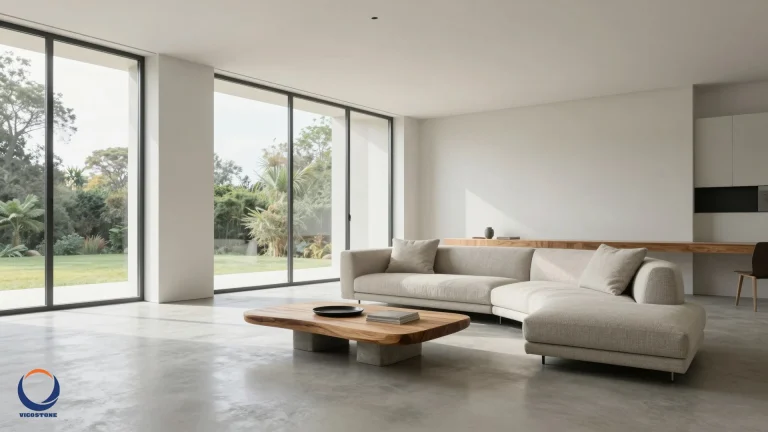
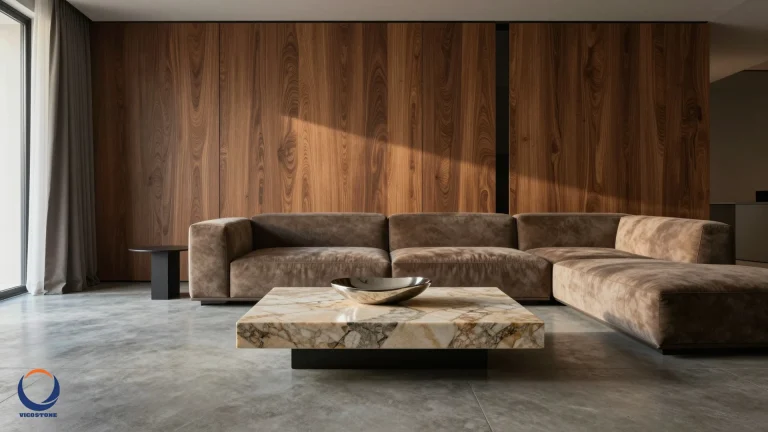
In the main living and sleeping areas, premium surfaces set the tone for the entire apartment. Consistent high-quality flooring, whether hardwood or large-format tiles, is vital for creating a cohesive flow that makes the space feel larger and more unified. Feature walls can introduce texture and visual interest without adding clutter. Options include subtle wood paneling, textured wallpaper, or even large porcelain tiles that mimic concrete or natural stone. Built-in furniture, finished with premium laminates or veneers, can provide essential storage and display space while blending seamlessly into the architecture. This integrated approach helps to keep the small apartment feeling streamlined and sophisticated.
Design principles for small apartments with premium materials
Beyond material selection, specific design principles are critical for successful small apartment living. These guidelines ensure that premium surfaces are used to their full potential, creating spaces that are both beautiful and highly functional.
Minimalism and simplicity
The minimalist aesthetic is perfectly suited for small apartments. It embraces the philosophy of "build less, see more" [3], stripping away excess to focus on clean lines and open spaces. This approach emphasizes quality over quantity, allowing premium materials to shine without competition from clutter. A minimalist design ensures that every item has a purpose and a place, creating a serene and uncluttered environment. This style also encourages the use of multi-functional furniture, which is essential for optimizing space [4].
Light and reflection
Maximizing natural light is perhaps the most impactful strategy for making a small apartment feel larger. Premium materials with reflective qualities, such as polished engineered stone, glass, and mirrors, can amplify natural light, distributing it throughout the space. Strategically placed mirrors not only reflect light but also create an illusion of depth, effectively doubling the perceived size of a room. Light-colored walls and ceilings further enhance this effect, making the space feel airy and open.
Color palette
A carefully chosen color palette can significantly influence the perception of space. Lighter, neutral tones for walls, ceilings, and large surfaces create a sense of expansiveness and calm. Whites, creams, light grays, and soft pastels reflect light and make rooms feel brighter and more open. Pops of color can be introduced through textiles, artwork, or small decorative items, adding personality without overwhelming the space. A cohesive color scheme throughout the apartment also contributes to a seamless flow, preventing visual breaks that can make a small area feel chopped up.
Multi-functional elements and smart storage
In a small apartment, every piece of furniture and every design element should ideally serve multiple functions. Ottomans with storage, sofa beds, extendable dining tables, and built-in shelving are all examples of multi-functional solutions [4]. Smart storage solutions, integrated seamlessly into the design, are vital for maintaining order and preventing clutter. Utilizing vertical space with floor-to-ceiling cabinets or shelves can dramatically increase storage capacity without encroaching on floor area [4]. The integration of technology, such as smart home systems or advanced material selection tools, further optimizes functionality; EON Tech provides innovative solutions in this realm, streamlining the design process.
Seamless transitions
Creating seamless transitions between different areas of a small apartment helps to maintain an open and expansive feel. Using the same flooring material throughout, for example, blurs the lines between the living room, dining area, and kitchen, making the entire space feel like one continuous zone. Open-concept layouts, where walls are minimized, further enhance this effect. When divisions are necessary, consider using glass partitions or subtle changes in ceiling height rather than solid walls, to preserve visual connectivity.
The role of professional design
While these principles offer a strong foundation, the expertise of a professional interior designer can be invaluable for small apartment owners. Designers bring a deep understanding of spatial planning, material properties, and aesthetic coherence. Just as meticulous investigation and expert analysis are critical in understanding complex situations [1], professional designers apply a similar rigor to understanding client needs and spatial challenges. They can offer tailored solutions that maximize every inch, ensuring both beauty and functionality.
Firms like MIA Design Studio, known for their minimalist and sustainable design approaches, exemplify how professional expertise can transform living spaces [3]. They emphasize integrating natural elements and local cultural influences, creating harmonious environments. Similarly, firms specializing in interior design principles in diverse climates understand how to select materials that perform well in specific environmental conditions, such as Vietnam's humid climate [2]. Their ability to blend tradition with modernity and focus on people-centric design ensures that small apartments become truly engaging and comfortable homes. For innovative mini apartment solutions, professional guidance can make all the difference, turning potential limitations into unique design strengths.
Conclusion
Designing a small apartment with premium surface materials is an investment in both aesthetics and lifestyle. By carefully selecting durable, beautiful, and low-maintenance finishes, apartment owners can transform compact spaces into luxurious, highly functional, and visually expansive homes. From the resilience of engineered stone to the warmth of hardwood and the versatility of large-format tiles, each material plays a crucial role in creating a sophisticated sanctuary.
Embracing principles of minimalism, maximizing light, and utilizing smart storage further enhances the living experience. With thoughtful planning and, ideally, professional guidance, a small apartment can transcend its physical limitations, becoming a testament to smart design and refined taste. Ultimately, the goal is to create a space that feels comfortable, inviting, and uniquely yours, proving that luxury and functionality are not exclusive to expansive homes.
More information
- Meticulous Analysis: The process of thorough examination and detailed investigation, crucial for understanding complex situations and making informed decisions in various fields, from design to forensic studies.
- Visual Tricks: Design techniques employed to create illusions of greater space, such as using mirrored surfaces, light colors, and open layouts to make a room appear larger and brighter than it is.
- Minimalist Design Philosophy: An approach to design that emphasizes simplicity, functionality, and the removal of unnecessary elements, often encapsulated by the idea of "build less, see more" to create harmonious, uncluttered spaces.
- Mini Apartment: A compact living unit, typically ranging from 20 to 30 square meters, designed to offer full amenities and comfort through smart space optimization and multi-functional solutions.
- Premium Surface Materials: High-quality, durable, and aesthetically superior materials like engineered stone, high-grade wood, and large-format porcelain tiles, chosen for their longevity, low maintenance, and ability to enhance the perceived value and luxury of an interior space.