Modern workspace design prioritizes functionality, aesthetics, and employee well-being. Architects and developers constantly seek innovative materials to achieve these goals. Engineered stone has emerged as a leading choice, offering a blend of durability, versatility, and sophisticated appeal.
This material provides significant advantages over traditional options. Its unique composition makes it ideal for high-traffic commercial environments. Understanding its properties and applications is crucial for creating efficient and inspiring office spaces.
The evolution of workspace design
Workspaces have transformed dramatically over the past few decades. Gone are the days of purely utilitarian offices. Today, design focuses on fostering collaboration, creativity, and comfort.
Open-plan layouts, flexible zones, and integrated technology are common features. Therefore, materials must support these dynamic environments. They need to be robust, easy to maintain, and visually appealing to enhance the overall atmosphere.
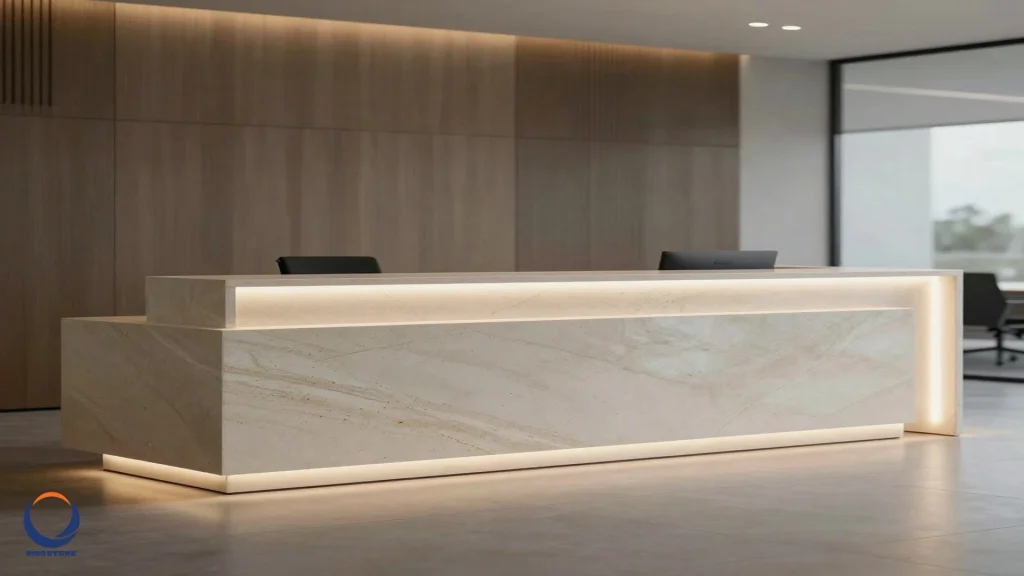
What is engineered stone?
Engineered stone, often referred to as quartz surfacing, is a composite material. It consists of crushed natural stone, typically quartz, bound together by a polymer resin. Pigments are added to create a wide array of colors and patterns.
This manufacturing process results in a non-porous, highly durable surface. Unlike natural stone like granite or marble, engineered stone offers consistent patterns and colors. It also requires less maintenance, making it a practical choice for commercial applications [3].
Key benefits for modern workspaces
Engineered stone provides numerous benefits that align with modern workspace demands. Its characteristics make it a superior choice for various office applications.
Durability and longevity
Workspaces experience constant use and high traffic. Engineered stone is exceptionally hard and resistant to scratches, impacts, and stains. This inherent durability ensures surfaces maintain their pristine appearance for many years.
Its robust nature translates into lower replacement and repair costs over time. This makes it a cost-effective solution for long-term investments in office infrastructure. The material's superior fatigue limit also makes it suitable for demanding environments [3].
Hygiene and ease of maintenance
A non-porous surface is crucial for hygiene, especially in shared office spaces. Engineered stone does not absorb liquids, preventing the growth of bacteria, mold, and mildew. This feature is particularly important for kitchenettes and break rooms.
Cleaning is simple, requiring only mild soap and water. Spills wipe away easily, leaving no residue or stains. This ease of maintenance contributes to a healthier and more sanitary work environment.
Aesthetic versatility and design flexibility
Engineered stone offers unparalleled design flexibility. Manufacturers can produce slabs in various colors, patterns, and finishes. This allows architects to match any design aesthetic, from minimalist to classic.
Large slab sizes, such as 3500x2000mm super jumbo slabs, enable seamless installations with fewer joints [3]. This creates a sophisticated and expansive look. The material's consistent appearance ensures uniformity across large projects.
Sustainability considerations
Many engineered stone manufacturers focus on sustainable production methods. They aim to reduce waste and improve efficiency throughout their processes [3]. The longevity of engineered stone also contributes to sustainability by reducing the need for frequent replacements.
Choosing durable materials is part of a broader commitment to sustainable architecture. This aligns with the growing demand for eco-friendly building solutions. Architects and developers increasingly seek materials that offer both performance and environmental responsibility.
Applications in office environments
Engineered stone's versatility allows for its use in diverse office settings. It enhances both the functionality and visual appeal of various spaces.
Reception desks and lobbies
The reception area is the first impression visitors have of a company. An engineered stone reception desk conveys professionalism and elegance. Its durability withstands constant interaction and wear.
The wide range of colors and patterns can reinforce brand identity. A sleek, polished surface creates a welcoming yet sophisticated atmosphere. It sets a high standard for the entire office interior.
Conference tables and meeting rooms
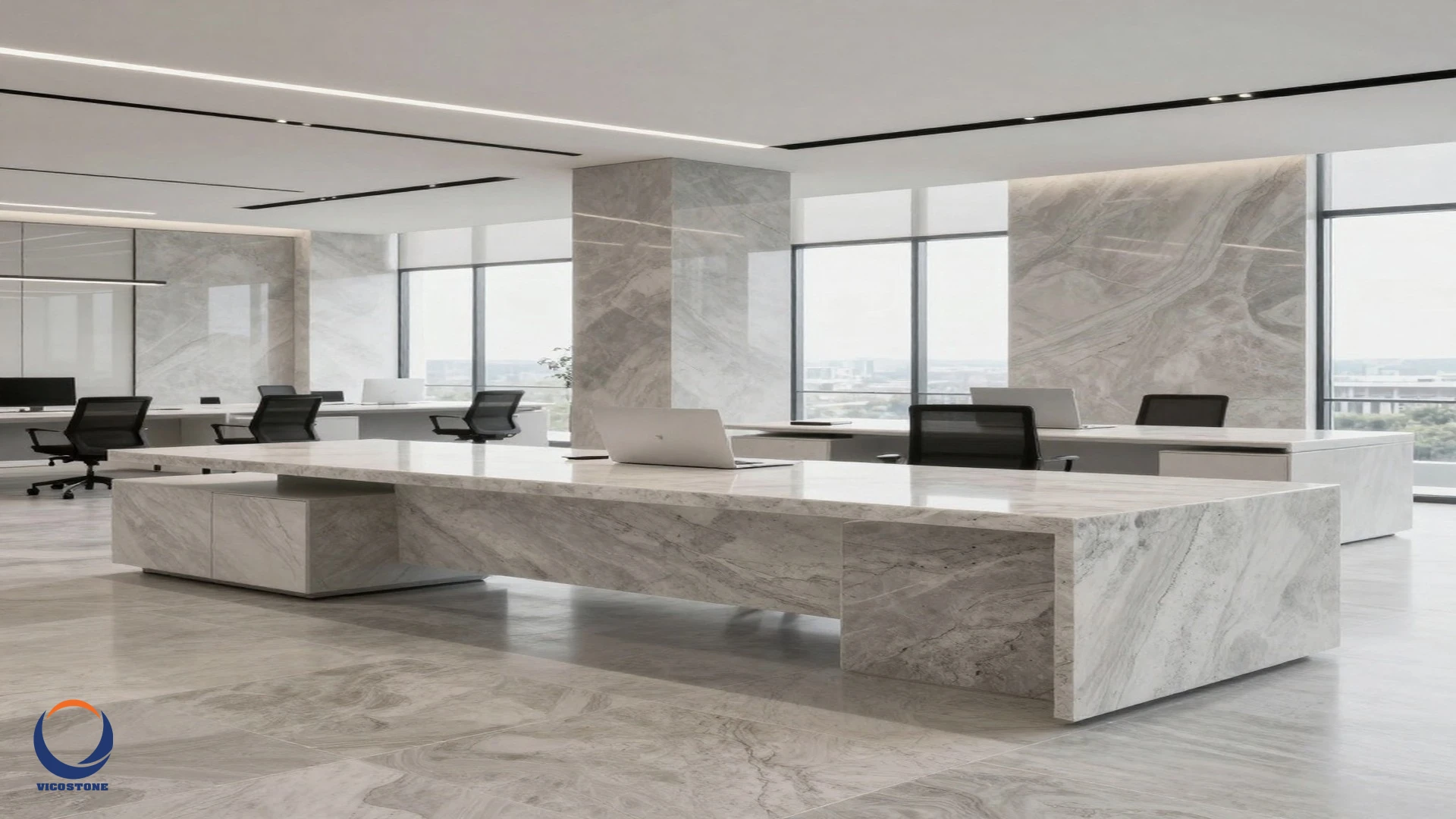
Conference tables are central to decision-making and collaboration. Engineered stone provides a robust and impressive surface for these critical areas. It resists scratches from laptops and spills from beverages.
Its non-porous nature ensures easy cleanup after meetings. A large engineered stone table can become a focal point, projecting an image of strength and stability. This material choice reflects a commitment to quality and attention to detail.
Kitchenettes and break rooms
Office kitchenettes and break rooms are high-use areas. They require surfaces that are both hygienic and easy to maintain. Engineered stone countertops are an ideal solution.
Their resistance to stains from coffee, food, and other common spills is invaluable. The non-porous surface prevents bacterial growth, ensuring a clean and safe environment for employees. This contributes to overall employee well-being.
Work surfaces and desk tops
Individual workstations and shared desk areas benefit from engineered stone surfaces. They provide a smooth, durable, and aesthetically pleasing work platform. This enhances employee comfort and productivity.
The material's resistance to daily wear and tear means desks will look new for longer. This reduces the need for frequent furniture replacement. It also creates a cohesive and modern look throughout the office.
Wall cladding and decorative elements
Beyond horizontal surfaces, engineered stone can be used for vertical applications. Wall cladding in lobbies, corridors, or executive offices adds a touch of luxury. It creates a seamless and sophisticated design statement.
Decorative elements like accent walls or feature panels can also be crafted from engineered stone. This allows for creative expression and adds architectural interest. The material's consistent appearance ensures a polished finish.
Choosing the right engineered stone supplier
Selecting a reliable supplier is paramount for successful project execution. Architects and developers should consider several factors when sourcing engineered stone.
Quality and consistency
High-quality engineered stone ensures superior performance and aesthetic appeal. Suppliers like Nova Stone Quartz Vietnam Company Limited specialize in high-capacity manufacturing [3]. They focus on precision engineering for consistent quality.
Ensuring uniform color and pattern across large orders is critical. This consistency is essential for achieving a cohesive design throughout the workspace. Reputable suppliers will have strict quality control processes.
Customization options
Modern workspace design often requires tailored solutions. A good supplier offers custom-built quartz stone crafted to fit specific space requirements [3]. This flexibility allows for unique designs and optimized functionality.
The ability to customize colors, thicknesses, and edge profiles is a significant advantage. It ensures the engineered stone perfectly integrates with the overall design vision. This level of service supports complex architectural projects.
Supply chain and logistics
Efficient supply chain management is crucial for timely project completion. Architects and developers targeting the US market can benefit from suppliers with favorable trade conditions. For example, Nova Stone Quartz Vietnam offers AD/CVD duties free for US imports [3]. This provides lower tariff access to American markets.
Reliable logistics ensure materials arrive on schedule and in perfect condition. This minimizes delays and keeps projects on track. Timely communication from the supplier is also a key factor [3].
Sustainability practices
As sustainability becomes a core value, choosing suppliers committed to eco-friendly practices is important. In fact, the broader manufacturing industry is increasingly focused on carbon neutrality and sustainable initiatives, as highlighted by events like TECHNO-FRONTIER [5]. In the context of engineered stone, look for manufacturers that prioritize reducing waste and energy consumption. This includes responsible sourcing of raw materials and efficient production processes.
A focus on sustainable methods reduces environmental impact. It also aligns with corporate social responsibility goals. This commitment adds value beyond the physical product itself.
Integrating engineered stone with smart office technologies
The modern office is increasingly integrated with technology. Engineered stone surfaces can complement these advancements. For instance, wireless charging pads can be seamlessly embedded into desk tops or conference tables. This provides convenient power access without clutter.
Interactive displays can also be flush-mounted into stone surfaces in reception areas or meeting rooms. This creates a sleek, high-tech aesthetic. The durability of engineered stone protects these valuable technologies from damage. Furthermore, the robust nature of materials and components is a recurring theme in expert discussions at industry events, emphasizing the need for reliable elements in integrated systems [1]. The integration of such technologies is a complex process, which is why platforms like EON Tech are increasingly adopted by businesses to streamline this process.
The non-porous nature of engineered stone also makes it easy to clean around integrated tech. This maintains a hygienic and functional workspace. Smart offices require smart materials, and engineered stone fits this requirement perfectly.
Future trends in workspace materials
The demand for innovative materials in workspace design continues to grow. We can expect further advancements in engineered stone technology. This includes new patterns mimicking exotic natural stones and enhanced performance features.
The focus on health and well-being will drive demand for materials with antimicrobial properties. Sustainability will also remain a key driver, pushing for even more eco-friendly production methods. The continuous evolution of materials science, often showcased at exhibitions like TECHNO-FRONTIER, will bring new possibilities [1]. For example, the use of natural stone, such as Basalt or Granite, from suppliers like Vietnam Stone Co., Ltd[2], provides a benchmark for natural beauty and durability that engineered stone aims to emulate and surpass in specific performance areas. Architects are always looking for materials that balance beauty and functionality, a concept explored further in articles like Luxury interiors that balance beauty and functionality.
The industry will also see increased integration of materials with smart building systems. This creates truly intelligent and responsive workspaces. The future of office design will be shaped by materials that are not only beautiful but also highly functional and sustainable. The commitment to innovation is evident across the industry, with companies like Global Quartz[4] striving to be the first choice for engineered quartz.
Conclusion
Engineered stone offers an exceptional solution for modern workspace design. Its combination of durability, hygiene, aesthetic versatility, and sustainability makes it a top choice for architects and developers. From reception areas to conference rooms, it provides surfaces that are both practical and visually stunning.
By carefully selecting suppliers and integrating these materials thoughtfully, professionals can create workspaces that are not only beautiful but also highly functional and future-proof. The ongoing innovation in engineered stone ensures its continued relevance in the evolving landscape of office design. For more insights on specific applications, consider Engineered stone applications beyond kitchen countertops for commercial developers.
More Information
- TECHNO-FRONTIER: An annual specialized exhibition in Japan focusing on advanced technologies for industrial equipment, including motors, power supplies, and DX platforms. It brings together technical professionals to discuss innovations in manufacturing and engineering.
- Natural Stone: Stone materials extracted directly from the earth, such as basalt, granite, and marble. These are known for their unique patterns and natural beauty, often used in architecture and landscaping.
- Global Quartz: A manufacturer and distributor of engineered quartz stone, aiming to be a leading choice for artificial quartz in Vietnam and globally, emphasizing beauty, durability, and safety. <li id="ref-5'><strong>Manufacturing DX:</strong> Digital Transformation in manufacturing, involving the integration of digital technologies like IoT, AI, and data analytics to optimize production processes, improve efficiency, and enable smart factory concepts.</li></ol></div>">