As 2026 approaches, the interior design landscape is undergoing a significant transformation. Homeowners and designers alike are seeking materials that offer a perfect blend of aesthetics, durability, and sustainability. Engineered stone, particularly quartz-based varieties, continues to lead this evolution. It is becoming an indispensable choice for modern living spaces.
This material offers remarkable versatility. It can transform kitchens, bathrooms, and other areas into elegant and functional environments. Understanding the upcoming trends is crucial for anyone planning a renovation or new construction. This article explores the key engineered stone trends for 2026. It provides insights into colors, technologies, and market dynamics shaping the industry.
The Growing Emphasis on Sustainability and Health
The year 2026 marks a turning point for stone design. It is no longer solely driven by aesthetics [2]. A complex interplay of regulations, sustainability goals, and health considerations now influences material choices. This shift is particularly evident in the engineered stone sector.
The rise of zero silica quartz
Health safety is a paramount concern for everyone involved in construction and interior design. This includes workers, installers, and end-users [1]. The industry is responding with innovative solutions. Zero silica quartz is a prime example of this commitment.
This innovation addresses concerns over silica dust. Silica dust can be released during fabrication processes [1]. Zero silica products enhance health safety significantly. They also align perfectly with broader green-living trends. Many reputable suppliers are now shifting towards these product lines. This supports green architecture projects and protects long-term user health [1].
Regulatory pressures and material traceability
Sustainability is no longer just a marketing buzzword. It is a fundamental procurement requirement by 2026 [2]. Governments are implementing stricter carbon disclosure rules. This applies especially to construction materials in large-scale projects [2]. Stone suppliers must provide environmental data. This includes details on quarrying, processing energy, water usage, and transportation impact [2].
There is also a surging demand for material traceability. Buyers want to know the origin of their stone. They also inquire about processing methods and labor standards [2]. This pushes manufacturers towards greater transparency. They are improving documentation and certification processes. Stone design choices increasingly reflect compliance readiness. Materials must pass audits and meet sustainability reporting requirements [2]. For more information on this, consider reading about the growing demand for sustainable architectural materials.
Evolving Aesthetics: Colors, Patterns, and Finishes
Beyond functionality, engineered stone continues to captivate with its evolving aesthetic appeal. New trends in colors, patterns, and finishes are setting the stage for stunning interiors in 2026.
Nature-inspired color palettes
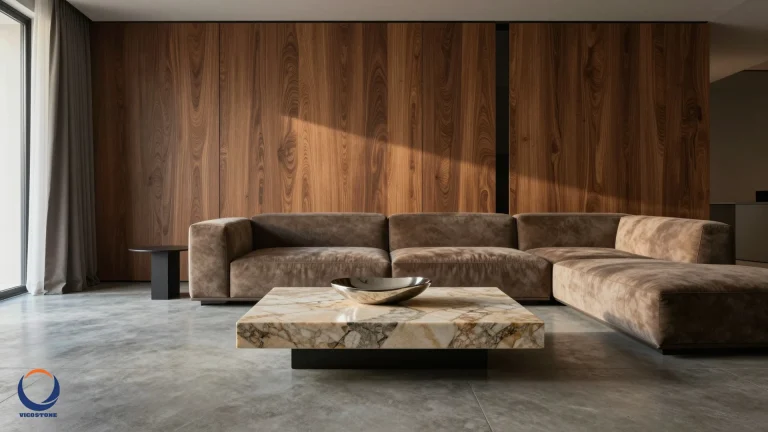
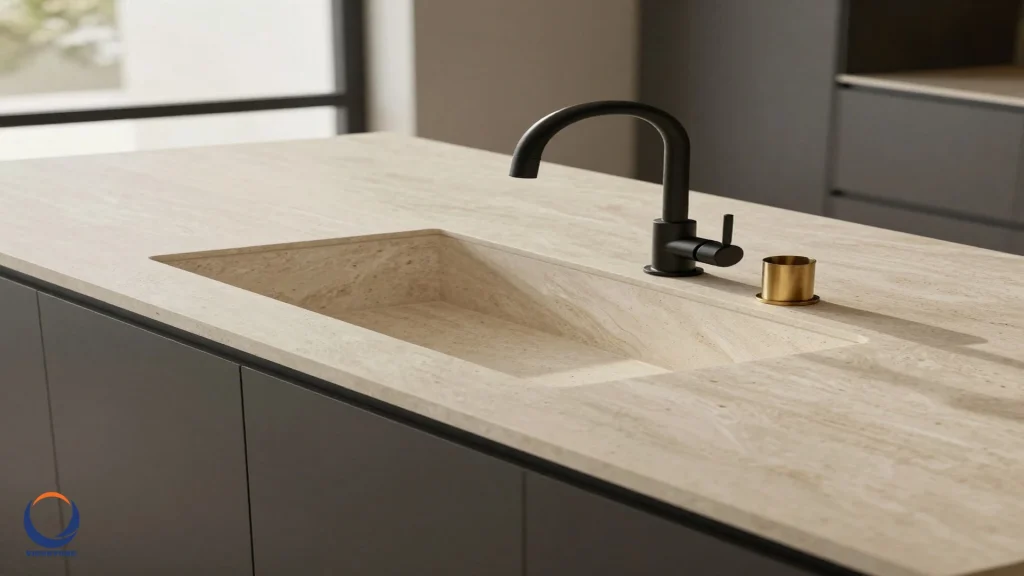
In 2026, natural hues will dominate the color spectrum for engineered stone. Warm tones are taking center stage [1]. These include beige, cream, light brown, and warm grey. They create inviting and cozy atmospheres. These colors also pair effortlessly with other natural materials. Think wood and brushed brass accents [1].
A cream-beige quartz countertop, for example, provides an ideal backdrop. It beautifully highlights matte-black or gold fixtures. This creates a sophisticated contrast [1]. These versatile tones are not limited to kitchen countertops. They are also popular for kitchen islands, wall cladding, and basins. This ensures a cohesive and elegant design throughout the home [1].
Full body printing: consistent beauty
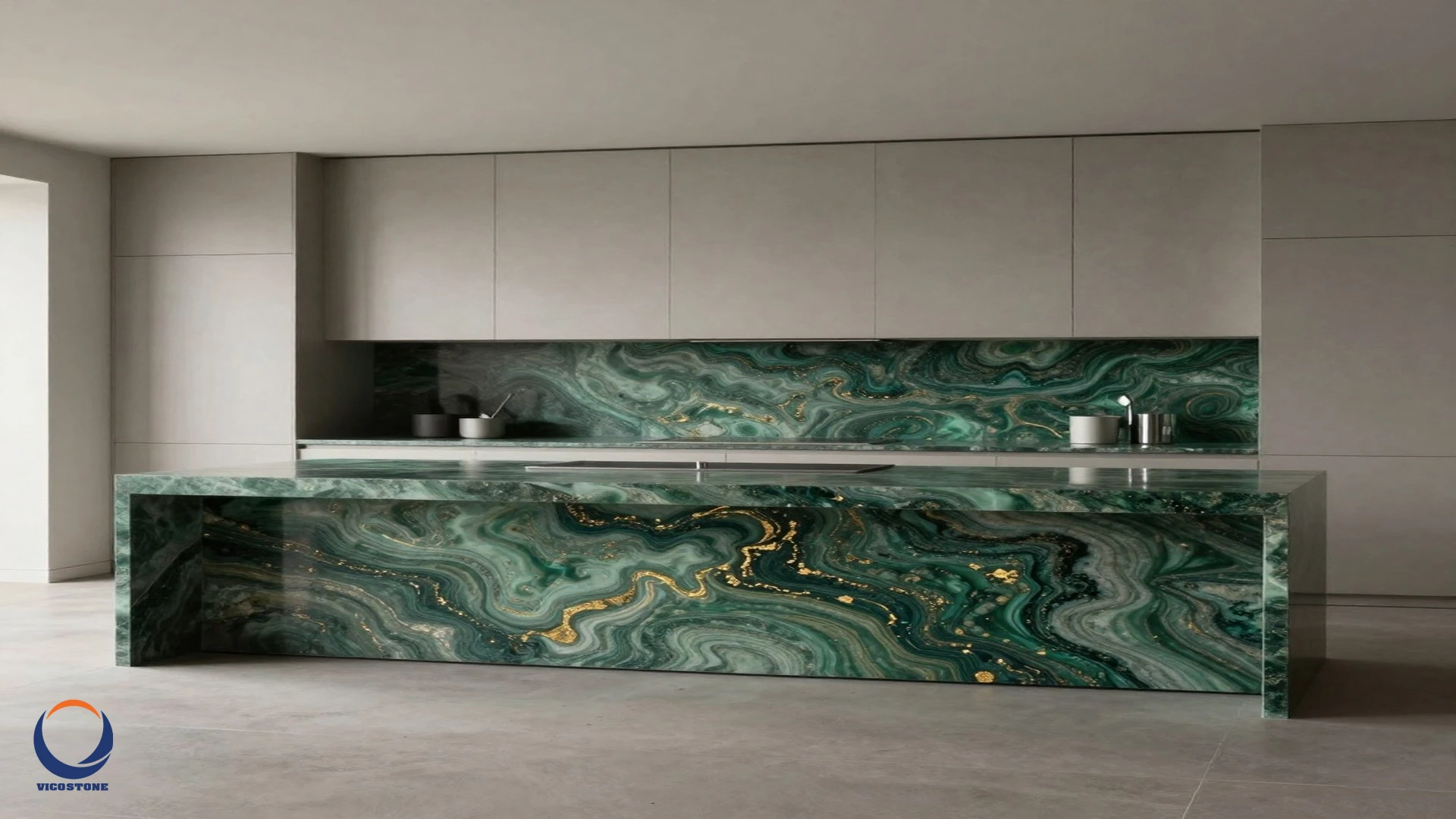
One of the most exciting technological advancements is full body printed engineered quartz. Traditional slabs only show patterns on the surface. However, this new technology allows veining and patterns to extend from the surface through the core [1]. This ensures seamless aesthetics. It is particularly beneficial when cutting, polishing, or edging the material. This innovation resolves a major limitation of engineered stone compared to natural stone [1].
Full body printing offers superior visual consistency. This is vital for components requiring extensive edge finishing. Examples include kitchen islands, basins, and intricate decorative elements [1]. The ability to maintain pattern integrity throughout the slab opens up new design possibilities. It offers a truly luxurious and authentic appearance.
Neutral stones with depth and movement
The preference for flat, overly uniform surfaces is diminishing. Designers in 2026 are favoring stones that balance neutrality with visual depth [2]. Subtle veining and layered mineral movement are highly sought after. Natural tonal variations create surfaces that feel calm yet expressive [2].
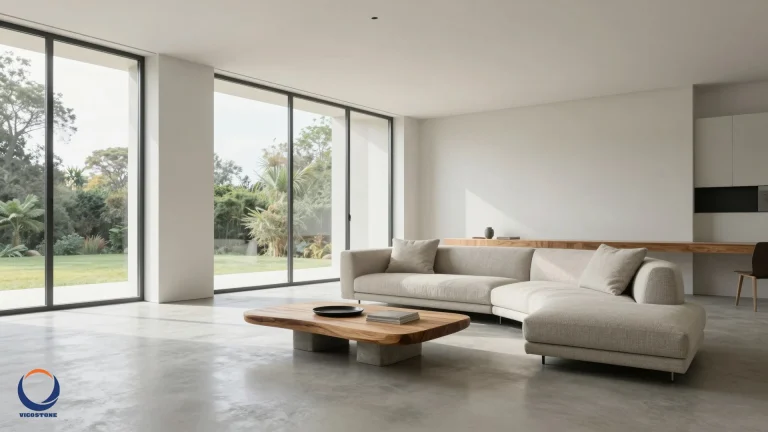
Colors like grey, greige, soft beige, and mineral whites are dominating interiors. They adapt well to different lighting conditions. They also complement various architectural styles [2]. These stones photograph beautifully and age gracefully. They also support long-term value. These are key factors for both developers and hospitality projects [2]. The drive for innovation in engineered stone is relentless, with companies constantly pushing boundaries. This includes leveraging advanced manufacturing processes and data analytics, areas where the expertise of companies like EON Tech can be instrumental in optimizing production and material development.
The appeal of matte and tactile finishes
Beyond visual depth, the tactile experience of engineered stone is gaining importance. Matte and textured finishes are increasingly popular. They offer a sophisticated, understated elegance. These finishes provide a soft, inviting feel. They also reduce glare, contributing to a more comfortable environment. This trend aligns with the broader movement towards the profound connection between wellness living and material choices. The return to geological authenticity also plays a role here. Surfaces that feel natural and organic are highly valued. This is a significant shift from the glossy, polished look that once dominated the market.
Functional and Architectural Innovations
Engineered stone is not just about beauty; it's also about performance and versatility. Innovations in format and application are expanding its use across various architectural contexts.
Large-format slabs for seamless design
Large-format slabs are a prominent trend for 2026 [2]. These expansive pieces minimize grout lines and seams. This creates a more seamless and monolithic appearance. This is particularly desirable for modern, minimalist designs. Large slabs are ideal for kitchen islands, wall panels, and flooring. They provide a sense of grandeur and continuity. This contributes to a sleek and sophisticated aesthetic. The reduced number of joints also enhances hygiene and ease of maintenance.
Beyond countertops: versatile applications
Engineered stone's durability and aesthetic appeal make it suitable for numerous applications. Its use extends far beyond traditional kitchen countertops. In 2026, expect to see engineered stone in more diverse settings. It will appear as striking wall cladding, elegant bathroom vanities, and custom furniture pieces. Basins and shower surrounds are also popular applications [1]. This versatility allows for a cohesive design language throughout an entire space. It ensures both beauty and functionality in every detail. This makes it a strategic choice for architects and designers.
Navigating the Market: Choosing the Right Engineered Stone
With so many options and evolving trends, selecting the right engineered stone can be challenging. Making an informed decision requires careful consideration of suppliers and pricing.
The importance of reputable suppliers
Choosing a beautiful slab is important. However, selecting a reputable supplier is even more critical [1]. A professional supplier guarantees product quality. They ensure that the material meets industry standards. Begin your search by researching brand reputation. Inquire about product origin and warranty policies [1]. Also, assess their project supply capabilities. A reliable supplier, like New Stone, offers advanced production lines. They also implement strict quality control measures. This ensures exceptional aesthetics and durability [1].
A good supplier provides essential documentation. This includes details on material traceability and environmental impact. This is increasingly important for compliance in 2026 [2]. They can also offer valuable advice. They help you choose the best stone for your specific project needs. This partnership is vital for a successful outcome.
Understanding pricing factors
The pricing of engineered stone, particularly quartz, can vary significantly. Several factors influence the cost [1]. These include the brand, thickness of the slab, and the complexity of the veining style. Advanced technologies like full body printing may also impact the price. To optimize costs without compromising quality, effective planning is essential. Coordinate closely with your designer and contractor. Plan slab usage efficiently [1].
For the most accurate and up-to-date 2026 pricing, it is always best to contact suppliers directly [1]. They can provide quotes based on your specific requirements. Remember that while cost is a factor, long-term value and durability should also be considered. Investing in quality engineered stone can enhance property value. It also ensures lasting beauty and performance. You can explore more about this at stone design trends for 2026.
Conclusion: A Future of Sustainable Beauty
The engineered stone trends for 2026 highlight a clear direction. The industry is moving towards a harmonious blend of stunning aesthetics, unparalleled functionality, and profound sustainability. Nature-inspired colors, advanced printing techniques, and a focus on health-safe materials define the coming year. These innovations offer designers and homeowners more choices than ever before.
The emphasis on zero silica products and material traceability reflects a growing environmental consciousness. This ensures that beauty does not come at the expense of health or the planet. As engineered stone continues to evolve, it reinforces its position as a leading material. It creates timeless, durable, and responsible interiors. Embracing these trends will allow for spaces that are not only visually appealing but also contribute to a healthier, more sustainable future.
More Information
- Zero Silica Quartz: An innovative engineered stone product developed to eliminate or significantly reduce the presence of crystalline silica. This enhances health safety for fabricators, installers, and end-users, aligning with sustainable and green-living trends.
- Full Body Printing: A manufacturing technology for engineered stone where patterns and veining extend throughout the entire slab, from surface to core. This ensures consistent aesthetics even after cutting, polishing, or extensive edge finishing.
- Material Traceability: The ability to track the origin, processing, and supply chain of materials. In the stone industry, this includes knowing where the stone was quarried, how it was processed, and under what labor and environmental standards.
- LCA (Lifecycle Assessment): A comprehensive evaluation of the environmental impacts associated with a product or process throughout its entire life cycle, from raw material extraction to disposal. It helps assess sustainability.
- Neutral Stones with Depth: A design trend favoring engineered stone colors like grey, beige, and white that feature subtle veining, layered mineral movement, and natural tonal variations, offering visual interest without being overtly patterned.