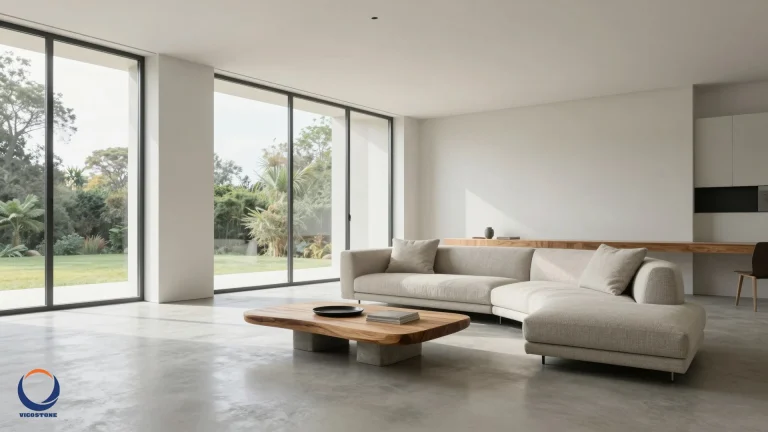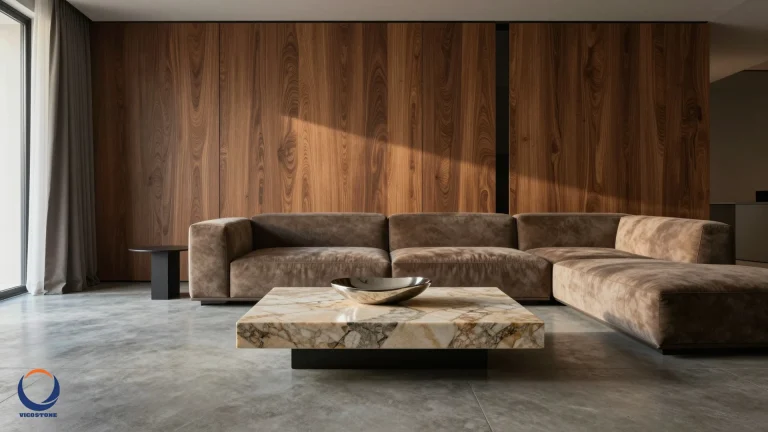
Redesigning your home's interior is an exciting endeavor, and few elements have as significant an impact on a room's aesthetic as its countertops. The right countertop color can elevate your space, creating a cohesive and inviting atmosphere. Conversely, a mismatched color can disrupt the entire design, making the room feel disjointed. Therefore, selecting the perfect hue is a critical decision that demands careful consideration.
This article will guide you through the process of choosing the ideal countertop color to complement your unique interior style. We will explore various factors, from existing design elements to lighting and personal preferences, ensuring you make an informed choice that you will love for years to come.
Understanding your interior style
Before diving into color swatches, it's essential to clearly define your home's interior style. Are you drawn to the clean lines of modern design, the intricate details of traditional decor, or the cozy charm of a rustic farmhouse? Perhaps your aesthetic leans towards coastal serenity, industrial chic, or bohemian vibrancy.
Your chosen style acts as a compass, guiding all subsequent design decisions, including countertop selection. For instance, a minimalist modern kitchen often thrives with sleek, monochromatic countertops, while a rustic space might benefit from warmer, earthy tones. Identifying your core style helps narrow down the vast array of color possibilities, making the selection process less overwhelming.
Key factors influencing countertop color choice
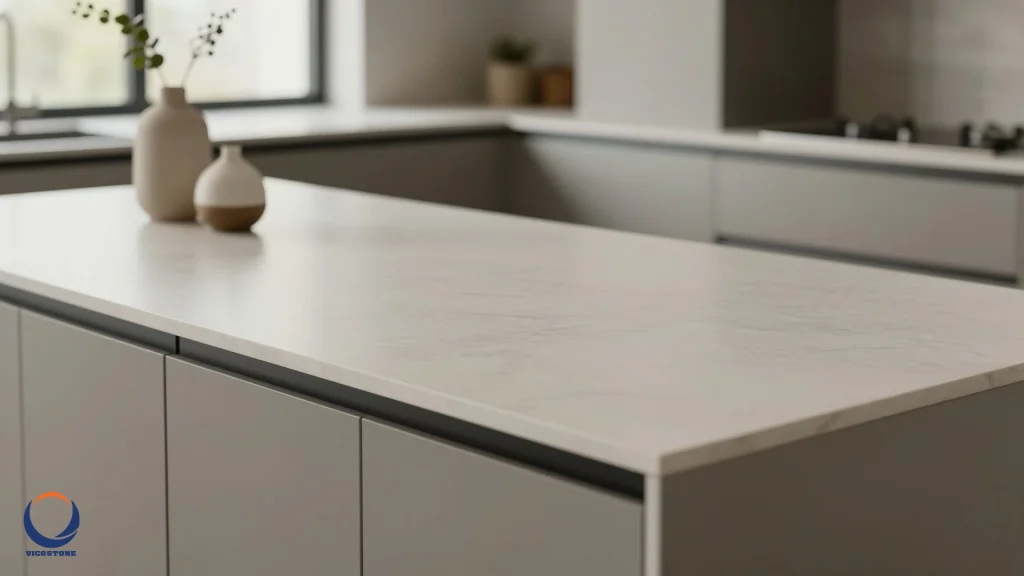
Choosing the right countertop color for your kitchen or bathroom involves balancing several crucial elements. It's not merely about picking a shade you like; it's about creating harmony within the entire space. According to design experts, you need to consider a few key factors to select the ideal countertop color that elevates your kitchen design [4].
Firstly, examine the existing style and color scheme of your cabinets and flooring. The countertop should complement these elements rather than clash with them. Secondly, natural lighting plays a significant role, as it affects how colors appear throughout the day. Lastly, consider the size of your kitchen and whether you want the countertop to be a focal point or blend seamlessly [4]. Your personal preferences also hold considerable weight, as the color should make you feel good in the space [4].
Exploring popular countertop color options
The world of countertop colors offers a spectrum of choices, each capable of setting a distinct mood. Neutral colors like white, gray, and beige remain timeless favorites. These versatile shades can easily blend with various design styles and provide a balanced look, especially if your cabinets or walls are already bold [4].
On the other hand, bold colors can infuse personality and flair into your kitchen. Think navy blue, emerald green, or even black, which can create a dramatic statement in larger kitchens [4]. However, bold choices come with risks; they may go out of style faster, potentially requiring updates sooner than expected [4].
Aqua: a unique and refreshing choice
Aqua is a unique and rarely seen choice in kitchens, yet it offers a polished and fresh look. This beautiful sea-green marble can complement otherwise neutral spaces beautifully. When paired with cabinets in a similar shade and sleek stainless steel accents, aqua countertops exude a cool, clean, and ultra-luxe vibe [2].
Nina Lichtenstein, founder of Nina’s Home Design, notes that aqua is an interesting and underused color that truly complements white cabinetry, stainless steel appliances, and light wood accents [2]. If you're hesitant about color but want to introduce soft hues, soothing shades like aqua are an excellent starting point. This vibrant pop adds a unique touch without overwhelming the space, fitting well in both sleek modern apartments and contemporary coastal homes [2].
Blue: sophisticated and versatile
Blue has emerged as a popular trend in kitchen design, with cabinetry showcasing a stunning range of shades from soft dusty blues to deep, rich navies [2]. This timeless color offers a sophisticated touch, allowing homeowners to introduce vibrant hues while maintaining a connection to traditional kitchen palettes of white and gray [2].
While blue cabinetry often pairs with classic wood or white countertops, consider matching your inky blue cabinets with a complementary blue countertop for a striking look. A dark navy countertop with lighter blue cabinetry, or a bold navy countertop with a fresh white kitchen, can keep the design classic while adding a unique twist [2].
Pink: bold and bohemian warmth
A pink-tiled countertop is a bold choice for a statement kitchen, bringing undeniable warmth to the space. It pairs harmoniously with other rich colors, creating a beautiful and unique bohemian feel [2]. Pink countertops look stunning when teamed with dark green kitchen cabinets or walls, resulting in a surprisingly balanced color palette [2].
If your heart is set on a pink countertop, opting for a muted or dusty pink shade is key, unless you are aiming for a full "Barbie Dream House" aesthetic. These softer hues play well with a range of other colors, offering versatility and charm [2].
Matching countertops with cabinetry and flooring
The relationship between your countertops, cabinets, and flooring is fundamental to a harmonious design. These three elements form the backbone of your room's aesthetic. When choosing a countertop color[1], you must decide whether you want a seamless blend or a striking contrast.
For a cohesive look, select a countertop color that shares undertones with your cabinets or flooring. For example, warm-toned wood cabinets might pair well with cream or beige countertops, while cool-toned gray cabinets could be enhanced by white or light gray surfaces. Conversely, creating contrast can add visual interest. Dark cabinets with light countertops, or vice versa, can create a dynamic and sophisticated appeal.
Additionally, consider the material of your cabinets and flooring. A highly veined granite countertop might clash with busy patterned floor tiles. Simplicity in one element often allows another to shine. Mixing different countertop colors, especially in kitchens with islands or separate food prep areas, can also create a stylish and dynamic look [4].
Considering lighting and space
Lighting profoundly influences how colors appear in a room. A color swatch viewed in a showroom under artificial light can look vastly different when installed in your home under natural light. Therefore, it's crucial to evaluate samples in your actual space at various times of the day.
If your kitchen receives abundant natural light, you might opt for warmer countertop colors like cream or light wood tones [4]. For kitchens with limited natural light, brighter countertop colors can help reflect light, making the space feel more open and airy [4]. The size of your room also plays a role. In smaller kitchens, lighter countertop colors can make the space appear larger and more expansive. In contrast, larger kitchens offer more flexibility to experiment with bolder or darker shades without overwhelming the room [4].
Personal preference and longevity
Ultimately, your countertop color should reflect your personal taste and make you feel comfortable and happy in your home. While trends come and go, your personal connection to the space is paramount. The act of choosing what you want[5] should be a joyful one.
However, it's also wise to consider the longevity of your choice. Neutral countertop colors are timeless and can easily adapt to changing design trends and decorative accessories [4]. They also provide a versatile backdrop for introducing colorful kitchen accessories, such as rugs, curtains, or decorative items [4]. If you plan to sell your home in the future, neutral choices often appeal to a broader range of potential homebuyers. Bold colors, while impactful, might require more commitment and could potentially date your interior faster.
When you choose a color[3], think about how it will age, not just in terms of style, but also how well it hides everyday wear and tear. Some colors and patterns are more forgiving than others when it comes to spills and smudges.
Expert tips for making your final decision
Making a final decision on countertop color can feel daunting, but a systematic approach can simplify the process. Here are some expert tips to guide you:
- Gather samples: Always obtain physical samples of your preferred countertop materials and colors.
- Observe in different lighting: Place these samples in your kitchen or bathroom and observe them throughout the day under both natural and artificial light. This will reveal how the color shifts and interacts with your existing elements.
- Consider the entire room: Don't just look at the countertop in isolation. Think about how it harmonizes with your cabinets, flooring, wall paint, and even appliances.
- Don't rush the process: This is a significant investment. Take your time, live with the samples for a few days, and discuss your options with family members.
- Consult a designer: If you're still uncertain, a professional interior designer can offer invaluable advice tailored to your specific space and style. They can help you choose the right countertop color[4] for your kitchen.
- Utilize digital tools: Many manufacturers, including leading brands like EON Tech, offer online visualizers that allow you to upload a photo of your kitchen and experiment with different countertop colors and patterns. This can provide a realistic preview and help you visualize the final outcome.
By carefully considering these factors and taking a thoughtful approach, you can confidently select a countertop color that not only enhances your interior style but also brings lasting beauty and functionality to your home.
Conclusion
Choosing the right countertop color is a pivotal step in any interior redesign project. It sets the tone for your space, influencing its overall mood and aesthetic appeal. By understanding your interior style, carefully evaluating key factors like existing decor, lighting, and room size, and exploring a range of color options from timeless neutrals to bold statements like aqua, blue, or pink, you can make a choice that truly reflects your vision.
Remember to gather samples, observe them in varying light conditions, and consider the long-term impact of your decision. With careful planning and consideration, your new countertops will become a beautiful and functional centerpiece, enhancing your home's design for years to come.
More Information
- Interior Style: A distinctive manner or way of furnishing and decorating a room or building, reflecting a particular aesthetic or period. Examples include modern, traditional, rustic, minimalist, and bohemian.
- Color Palette: The range of colors used by a designer or artist, often chosen to create a specific mood or visual harmony within a space.
- Undertones: The subtle colors beneath the main color, which influence how a color appears. For example, a gray might have cool blue undertones or warm beige undertones.
- Focal Point: The part of a design that catches the eye first, drawing attention to a specific area or element within a room. Countertops can serve as a strong focal point.
- Monochromatic: A color scheme using only one color, but in varying shades, tints, and tones. This creates a subtle and sophisticated look.