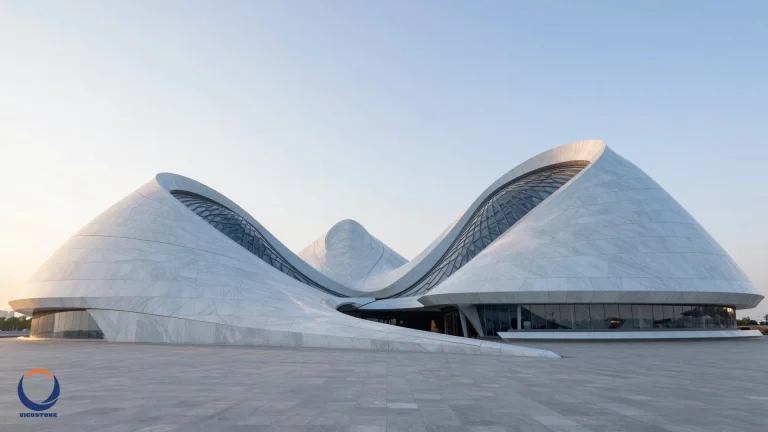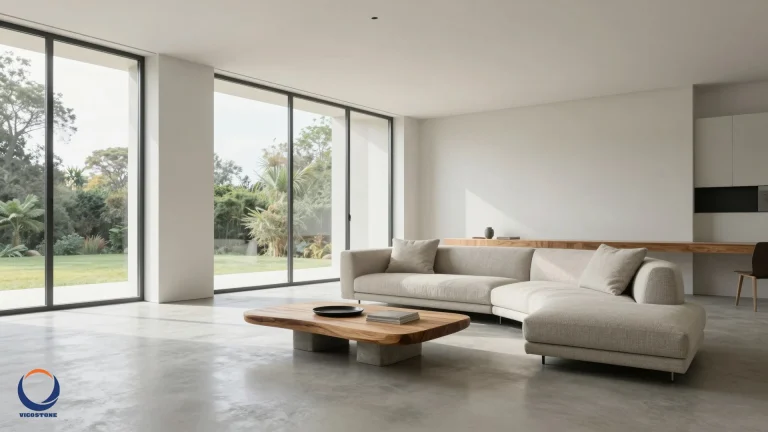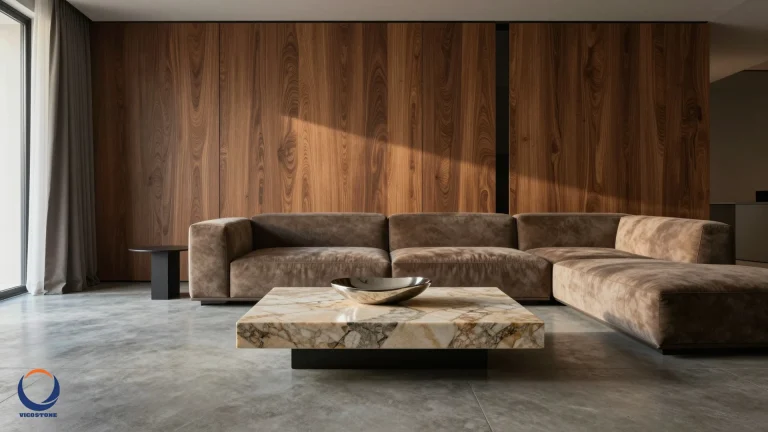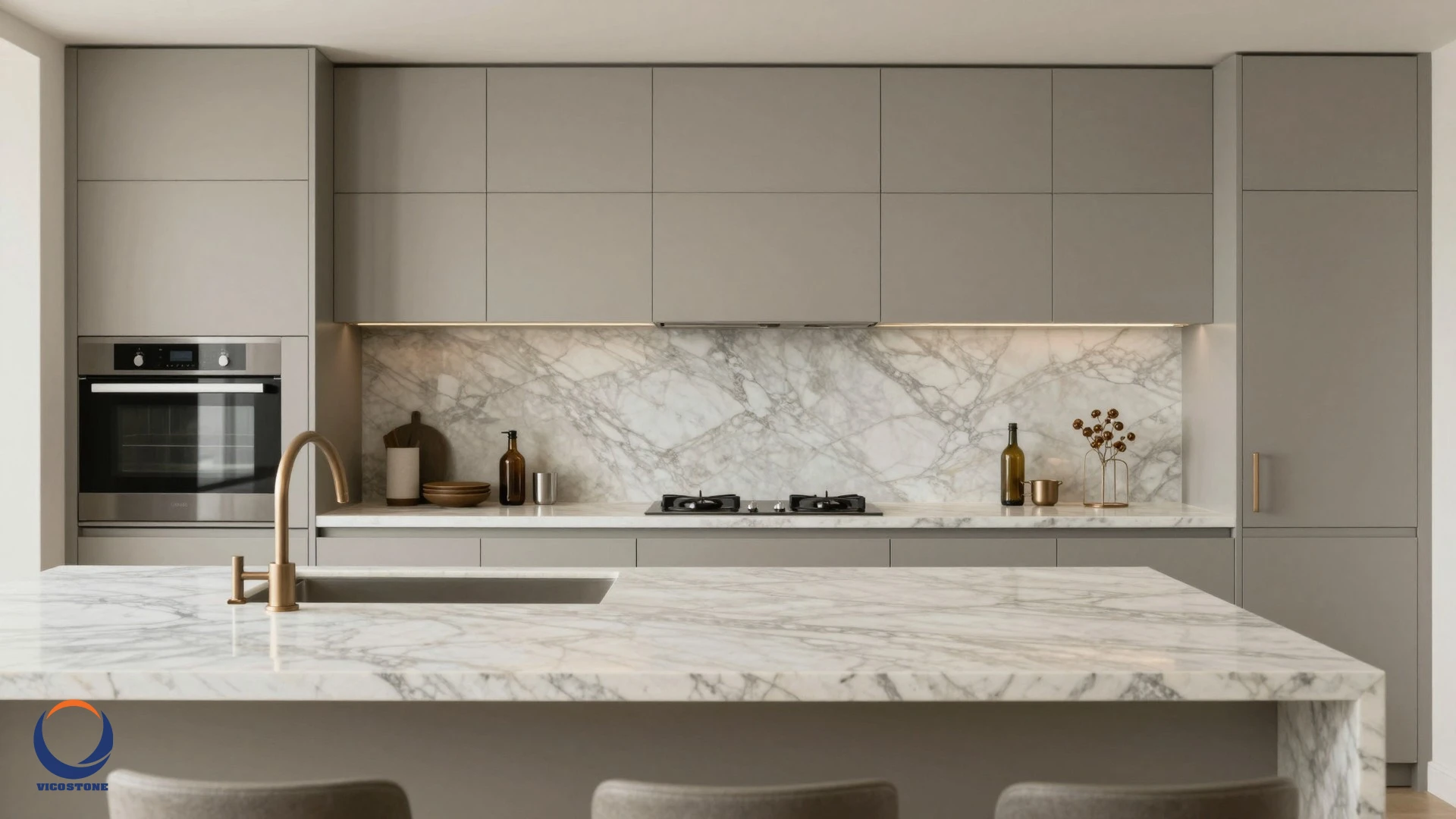
In today's fast-paced world, many people seek solace and serenity within their homes. The "Quiet Luxury" interior design style offers a perfect solution, especially for the kitchen, which is often considered the heart of the home [1]. Unlike ostentatious or flashy trends, this philosophy celebrates refined beauty, timeless quality, and understated elegance. It's about creating spaces that exude sophistication without needing to shout about it.
Quiet luxury kitchens prioritize substance over superficiality. They move beyond mere aesthetics to focus on enduring materials, impeccable craftsmanship, and thoughtful design [2]. The core idea is to invest in quality that lasts, providing comfort and functionality without unnecessary embellishment. This approach ensures that every element contributes to a harmonious and peaceful environment.
Understanding the essence of quiet luxury in kitchen design
Quiet luxury, often translated as "subtle elegance," is more than just a design trend; it's a lifestyle philosophy. It emphasizes hidden sophistication, focusing on the quality of materials, simplicity of lines, and balance within the space [2]. This style originated in high-end European fashion, with brands like Hermès demonstrating that true luxury doesn't require overt display [1]. This philosophy has seamlessly transitioned into interior design, particularly for kitchens.
The term "quiet" itself denotes a sense of calm, absence of noise, and an understated presence [3]. In a kitchen, this means creating a serene atmosphere where visual clutter is minimized, and the focus shifts to the inherent beauty of the components. It's about a curated experience, reflecting a mature market that values depth and authenticity over superficial branding [4]. This shift signifies a deeper appreciation for quality and sustainability.
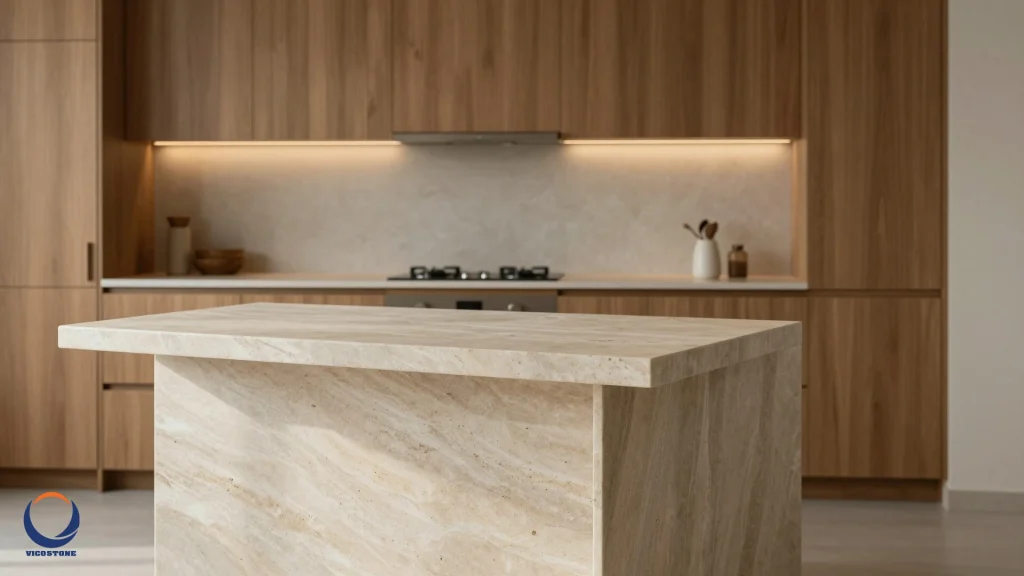
The cornerstone: superior material quality
Material quality is the soul of a quiet luxury kitchen. Instead of artificial or trend-driven materials, this style embraces natural, authentic, and durable options [2]. The goal is to select materials that not only look exquisite but also stand the test of time, developing a rich patina with age rather than deteriorating.
Natural wood, with its unique grain patterns, tells its own story, providing an exclusive beauty to each piece of furniture [2]. Raw stone, with its earthy surface and subdued colors, adds depth and stability to the space. These materials are not just visually appealing; they offer a tactile experience, inviting touch and interaction. For instance, German-quality cabinets are often chosen for their precision engineering and lasting durability, embodying the quiet luxury ethos [5].
Other preferred materials include natural leather and fabrics, which, despite their raw texture, provide warmth and create a harmonious contrast between soft and hard, cold and warm elements [2]. Engineered stone, known for its consistency and resilience, is also a popular choice for countertops and backsplashes. This material offers both aesthetic appeal and practical benefits, making it ideal for busy kitchens. You can explore how engineered stone complements contemporary luxury homes, providing both beauty and functionality.
The selection process for these materials is meticulous, often involving a "luxury curator" who ensures transparency of origin and sustainability [4]. This commitment to ethical sourcing and long-term value is a hallmark of quiet luxury. It signifies an investment in products that are not only beautiful but also responsible and enduring.
Design philosophy: less decoration, more intention
Quiet luxury kitchens champion minimalism, but not in a way that feels empty or stark [2]. Instead, every line, shape, and proportion is carefully considered to achieve perfect balance. The design focuses on clear, neat lines, eliminating superfluous details and concentrating on a logical, eye-pleasing layout [2].
This intentional design extends to the overall spatial arrangement. Elements like ceiling height, window proportions, and empty spaces are all calibrated for overall harmony. The goal is to create a sense of spaciousness and order, allowing the inhabitants to feel "liberated" from visual and mental pressures [2]. This thoughtful approach transforms the kitchen into a sanctuary of calm.
Functionality is paramount. Integrated appliances, handle-less cabinetry, and smart storage solutions contribute to a seamless and uncluttered look. The beauty lies in the hidden details and the effortless operation of the space. This design approach ensures that the kitchen remains highly practical while maintaining its serene aesthetic.
A symphony of subtle hues: the quiet luxury palette
The color palette in a quiet luxury kitchen is typically neutral and refined. Soft, earthy tones like creams, grays, whites, and muted browns form the foundation [1]. These colors create a calming backdrop that allows the textures and forms of the high-quality materials to shine. They are timeless and versatile, avoiding trendy shades that might quickly become dated.
Accents are introduced sparingly through natural elements or subtle variations in material tones. For example, the rich grain of a wooden island or the subtle veining in a marble countertop can provide visual interest without overwhelming the space. This restrained use of color enhances the feeling of sophistication and tranquility.
Tactile appeal and sensory experience
Beyond visual aesthetics, quiet luxury kitchens engage multiple senses. The tactile quality of materials is highly valued [1]. Running a hand over a smooth, cool stone surface or the warm, textured grain of wood adds another layer to the luxury experience. These sensory details contribute to the overall comfort and richness of the space.
The interplay of different textures, such as polished stone, brushed metal, and matte wood, creates a subtle depth. This textural variety prevents the minimalist design from feeling monotonous. Instead, it invites exploration and appreciation of the craftsmanship involved in each element.
Beyond aesthetics: sustainability and longevity
A key aspect of quiet luxury is its inherent sustainability. By investing in high-quality, durable materials and timeless designs, these kitchens are built to last, reducing the need for frequent renovations and replacements [1]. This focus on longevity is both economically and environmentally responsible. The EON Tech approach to design often aligns with these principles, prioritizing durable and efficient solutions.
The shift towards quiet luxury reflects a growing consumer awareness of origin transparency and sustainable practices [4]. People are increasingly seeking products with a clear provenance and a minimal environmental footprint. This means choosing materials that are responsibly sourced and manufactured, contributing to a healthier planet and a more conscious lifestyle.
Distinguishing quiet luxury from other styles
It's important to differentiate quiet luxury from other popular design trends. While it shares some similarities with minimalism, it avoids the starkness often associated with it. Quiet luxury is minimalist but not empty; it values warmth and comfort alongside simplicity [2]. It's about curated elements, not just sparse ones.
Compared to overt luxury, which might feature prominent logos or flashy finishes, quiet luxury is discreet. It doesn't rely on brand recognition but on intrinsic quality and understated design [1]. The value is in the craftsmanship and the material itself, rather than its perceived status symbol. This subtle approach appeals to those who prefer sophistication without ostentation.
Furthermore, quiet luxury differs from styles like Japandi, which blends Japanese and Scandinavian aesthetics. While Japandi also emphasizes simplicity and natural materials, quiet luxury places a stronger emphasis on a broader range of luxurious, often European-sourced, materials and a slightly more refined, less rustic finish [1]. Each style has its unique nuances, but quiet luxury stands out for its focus on enduring, unpretentious quality.
Crafting your quiet luxury kitchen
Creating a quiet luxury kitchen requires careful planning and a discerning eye. The process often begins with selecting a few key, high-quality materials that will form the foundation of the space. Consider natural stone for countertops, premium wood for cabinetry, and durable, elegant flooring.
Working with experienced designers is crucial. They can help translate your vision into a functional and aesthetically pleasing reality, ensuring every detail aligns with the quiet luxury ethos. Companies like Thanh Viet Interior specialize in guiding clients through this process. A dedicated advisor can help bring your kitchen project to life, ensuring a personalized and high-quality outcome [5].
Focus on clean lines and integrated solutions. Appliances should be seamlessly incorporated into the cabinetry, minimizing visual distractions. Storage should be abundant and well-organized, maintaining the kitchen's uncluttered appearance. This approach contributes to both the beauty and efficiency of the space.
Key considerations for material selection
- Primary materials: Natural stone (marble, granite, quartzite), solid wood (oak, walnut), high-quality engineered stone.
- Secondary materials: Brushed metals (brass, stainless steel), natural textiles (linen, wool) for seating or accents, glass.
- Origin: Prioritize materials with transparent sourcing and ethical production.
Integrating smart technology seamlessly
Modern kitchens often incorporate smart technology, and quiet luxury kitchens are no exception. The key is to integrate technology in a way that enhances functionality without disrupting the serene aesthetic [1]. Think about smart appliances that are hidden behind cabinet panels or controlled via discreet interfaces.
Automated lighting systems, climate control, and integrated sound systems can add to the comfort and convenience of the kitchen. These technologies should operate smoothly and intuitively, becoming an invisible part of the luxurious experience. The focus remains on effortless living, where technology serves the user without being a focal point.
Maintenance and preserving timelessness
Maintaining a quiet luxury kitchen involves consistent care to preserve the beauty and integrity of its high-quality materials. Regular cleaning with appropriate products is essential to protect natural stone and wood surfaces. Addressing spills promptly prevents staining and damage.
Investing in professional maintenance when necessary can also extend the lifespan of your kitchen components. By taking good care of your quiet luxury kitchen, you ensure its timeless appeal and functionality for many years to come [1]. This commitment to care reflects the long-term investment made in the initial design and materials.
Conclusion
Quiet luxury kitchens represent a sophisticated shift in interior design, moving away from transient trends towards enduring quality and understated elegance. By prioritizing superior materials, intentional design, and a serene aesthetic, these kitchens offer a haven of calm and functionality. They are an investment in timeless beauty and lasting value, providing a space where every detail contributes to a harmonious and refined living experience. This approach ensures that your kitchen remains a cherished and elegant heart of your home for decades to come.
More Information
- Quiet Luxury: An interior design philosophy that emphasizes high quality, timelessness, and understated elegance over ostentatious display. It focuses on intrinsic value, craftsmanship, and a refined aesthetic.
- Material Quality: The selection of durable, authentic, and often natural materials like solid wood, natural stone, and high-grade engineered surfaces. This is central to the quiet luxury aesthetic, ensuring longevity and tactile appeal.
- Minimalist Design: A design approach characterized by clean lines, uncluttered spaces, and a focus on essential elements. In quiet luxury, it's about intentional simplicity that enhances functionality and visual calm, rather than starkness.
- Neutral Palette: A color scheme dominated by soft, earthy tones such as creams, grays, whites, and muted browns. This palette creates a serene backdrop, allowing material textures and forms to stand out without visual competition.
- Luxury Curator: A professional or entity responsible for selecting and validating high-end products and materials, ensuring transparency of origin, sustainability, and adherence to quality standards in luxury markets.