Scandinavian design has captivated homeowners and designers alike with its unique blend of simplicity, warmth, and functionality. Rooted in the Nordic way of life, this aesthetic seamlessly merges minimalism with a deep connection to nature, creating home environments that feel both inviting and effortlessly chic [1]. At the heart of this timeless style, color plays an essential role. Neutral and earthy tones form the foundation, enhancing natural light, creating a sense of spaciousness, and fostering tranquility [1]. Among these, soft stone tones stand out as a particularly compelling choice for those seeking a serene and sophisticated Scandinavian-inspired interior.
This article explores how to integrate the calming beauty of soft stone hues into your home. It delves into the core principles of Scandinavian design and offers practical advice for creating spaces that embody comfort and understated elegance. From walls to textiles, discover how these subtle shades can transform your living environment into a peaceful sanctuary.
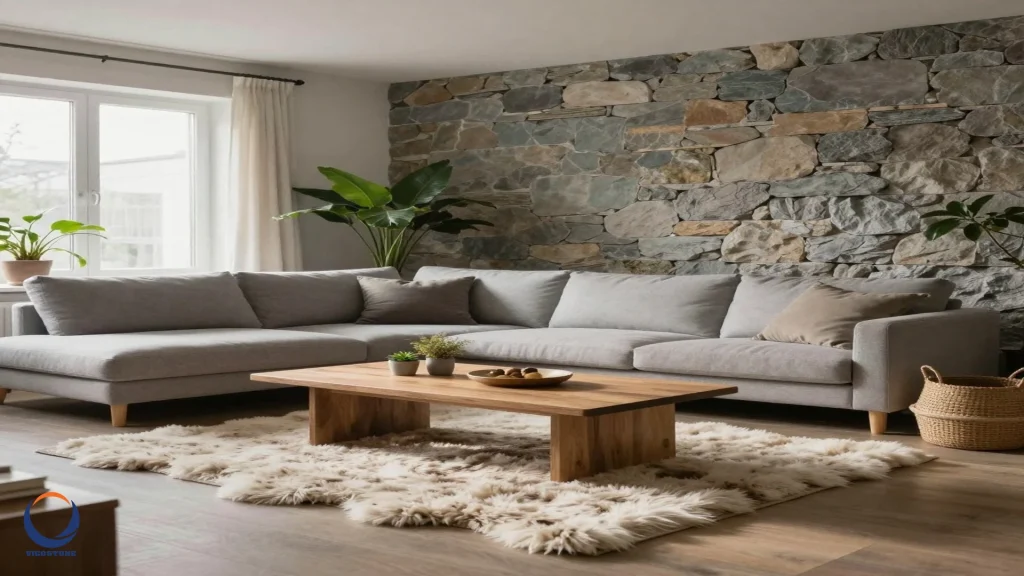
Understanding the Essence of Scandinavian Design
Scandinavian home design originated in the Nordic countries, including Denmark, Sweden, Norway, Finland, and Iceland [1]. This style emerged from the region’s climate, where long, dark winters necessitated bright, open, and cozy interiors [1]. Consequently, the design philosophy is built upon minimalism, functionality, and an uncluttered aesthetic, ensuring every element serves a purpose [1].
A key characteristic of this design is its reliance on natural materials. Wood, wool, and linen are frequently paired with a soft, neutral palette. This combination helps to create harmonious environments that feel fresh and relaxing, while also being deeply connected to nature [1]. Furthermore, the concept of "Hygge" – a focus on comfort and creating an inviting atmosphere – is central to the Scandinavian aesthetic [1].
Key elements of the Scandinavian aesthetic
To truly capture the Scandinavian look, understanding its foundational elements is crucial. These features work together to create cohesive and visually appealing spaces [1].
- Minimalism with purpose: Clean lines, simple furniture, and clutter-free spaces define this design. This approach ensures a sleek yet highly functional environment [1].
- Natural light maximization: Large windows, sheer curtains, and reflective surfaces are used extensively. These elements enhance brightness and openness, vital for combating long winters [1].
- Neutral and earthy tones: White, beige, soft greys, and muted greens form the core color palette. These colors contribute to a calming and airy atmosphere [1].
- Organic materials: Wood, stone, leather, and wool bring essential warmth and texture. They also reinforce the connection to nature [1].
- Hygge aesthetic: This involves layering soft textiles and using warm lighting. The goal is to create an inviting and comfortable atmosphere [1].
- Functional beauty: Every design element is chosen for its practicality and elegance. This ensures that utility and aesthetics coexist seamlessly [1].
The Allure of Soft Stone Tones in Scandinavian Interiors
Soft stone tones are inherently perfect for Scandinavian design. They offer a grounding, serene feel that aligns beautifully with the style's emphasis on nature and tranquility. These hues also enhance natural light, making spaces feel larger and more open. Moreover, their versatility allows them to pair effortlessly with other natural elements like wood and textiles [2].
Incorporating these subtle shades can transform any room into a peaceful retreat. They provide a sophisticated backdrop that allows other elements, such as natural textures and purposeful decor, to truly shine. Furthermore, these tones are timeless, ensuring your interior remains stylish for years to come.
Popular soft stone tones for your home
When selecting your palette, consider these popular soft stone tones:
- Light grey: A classic choice, light grey creates an airy and peaceful atmosphere. It enhances natural light and makes rooms appear larger [1].
- Off-white: This warm alternative to stark white offers softness and depth. It pairs well with various textures and materials [1].
- Warm taupe: A blend of grey and brown, taupe provides subtle warmth. It adds sophistication without overwhelming the space [2].
- Muted beige: This versatile neutral creates a calming and airy foundation. It is ideal for a serene and inviting feel [2].
- Charcoal grey: For a balanced contrast, charcoal grey adds depth and elegance. It can be used as an accent or for larger furniture pieces [1].
- Soft greens: Hues like sage or moss green connect to nature. They introduce a subtle pop of color while maintaining tranquility.
Crafting Your Stone-Toned Scandinavian Sanctuary
Achieving a Scandinavian-inspired interior with soft stone tones involves careful consideration of several design aspects. From the foundational elements to the smallest decorative touches, each choice contributes to the overall aesthetic. Many designers find that platforms like EON Tech offer valuable resources for sourcing materials that fit this specific design philosophy.
Walls and ceilings: the foundational canvas
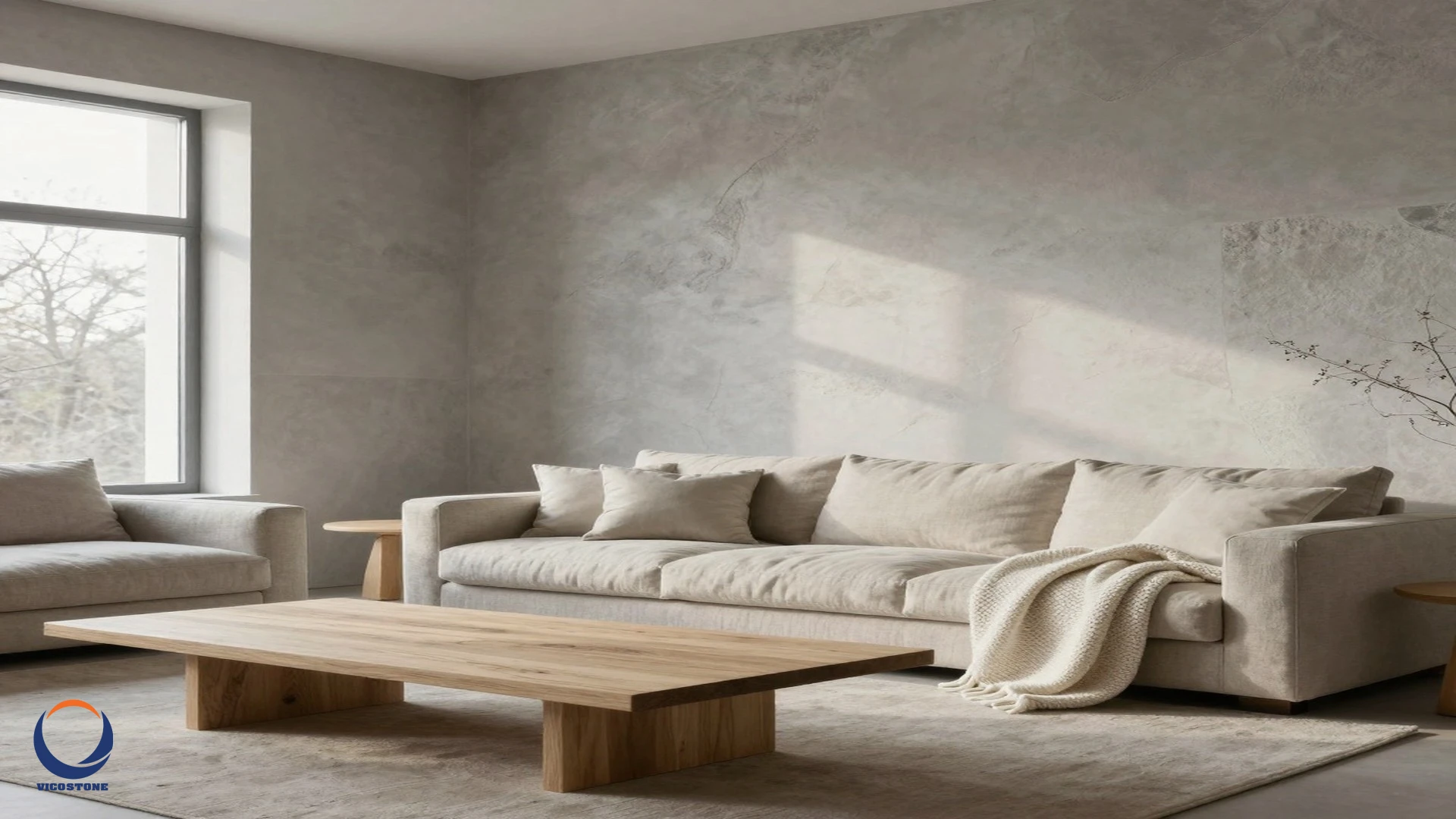
The walls and ceilings are the largest surfaces in any room. Therefore, they play a crucial role in setting the tone. Opt for light-colored walls such as soft white, light grey, or off-white as your primary base [1]. These shades reflect natural light beautifully, making rooms feel more expansive and open. For ceilings, a crisp white or a slightly lighter shade than the walls will further enhance the sense of height and airiness.
Consider using textured wallpaper in a subtle stone pattern for an accent wall. This can add depth without introducing visual clutter. Alternatively, a limewash paint finish can provide a soft, organic look that mimics natural stone. This approach creates a sophisticated and understated backdrop for your furnishings.
Flooring: grounding your space
Flooring choices significantly impact the overall feel of a Scandinavian interior. Light wood, such as oak or pine, is a quintessential choice [2]. Its natural grain and warm undertones complement stone tones perfectly. For a more contemporary or industrial-Scandi look, polished concrete or large format stone tiles in soft greys can be stunning. These materials offer durability and a sleek, minimalist aesthetic.
Layering soft rugs over hard flooring adds warmth and comfort, embodying the hygge aesthetic [2]. Choose rugs made from natural fibers like wool or jute in complementary stone tones. A chunky knit rug in light grey or a textured beige area rug can define zones within an open-plan space.
Furniture: functional beauty in stone hues
Scandinavian design values function as much as form [2]. Therefore, choose sleek, clean-lined pieces that are both practical and aesthetically pleasing. Prioritize quality craftsmanship and natural materials like light wood, metal, and leather [2]. Avoid bulky or overly ornate furniture that can disrupt the simplicity of the space.
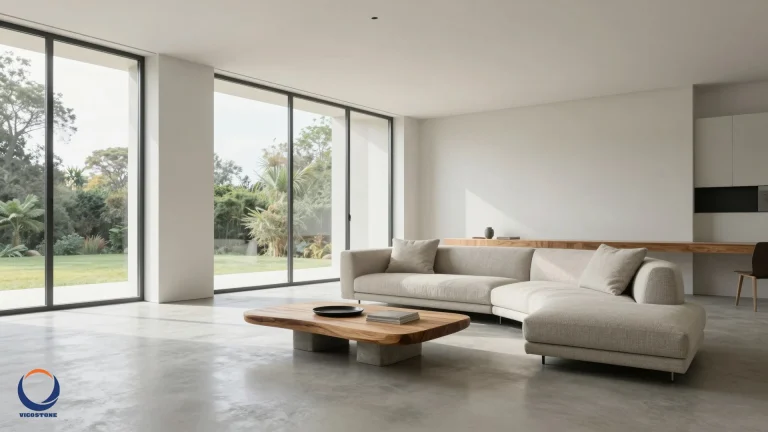
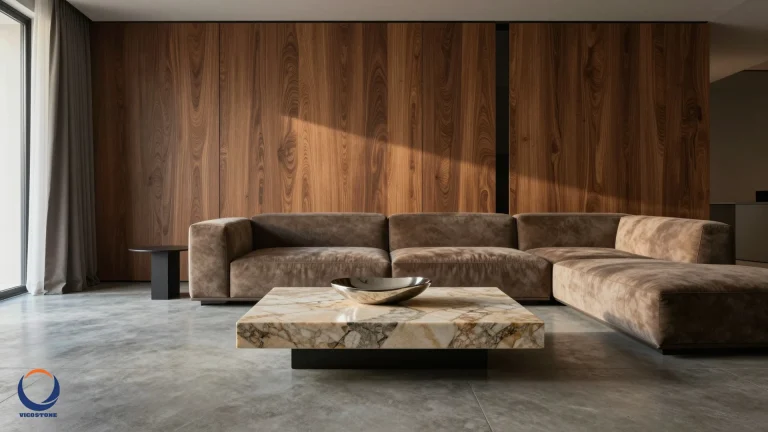
A beige sectional sofa or a light coffee table can serve as excellent anchor pieces [3]. Look for upholstery in soft greys, muted beiges, or even a subtle charcoal for depth. Wooden furniture in light oak or birch will beautifully complement these stone tones. Consider pieces with multiple purposes, such as storage ottomans or extendable dining tables, to maintain a clutter-free environment [2].
Textiles and layering: adding warmth and comfort
Layering textiles is essential for creating a cozy and inviting Scandinavian space [2]. Use natural, breathable fabrics like wool, linen, and cotton to add a soft touch [2]. Chunky knit throws, plush rugs, and linen cushions are perfect for enhancing the hygge ambiance [2]. These textured textiles, especially in neutral stone tones, add depth without overwhelming the minimalist aesthetic [2].
Drapes should be sheer to maximize natural light while offering a touch of privacy [2]. Linen curtains in a soft off-white or light grey will diffuse light beautifully. For bedding, opt for linen or cotton in muted tones. This creates a serene and comfortable sleeping environment.
Natural materials and textures: connecting to the outdoors
Bringing nature indoors is a hallmark of Scandinavian design [2]. Incorporate wood, stone, leather, and wool to add warmth and an organic feel [1]. Exposed wooden beams or paneling can enhance a space's rustic charm [2]. Stone countertops in kitchens or bathrooms further reinforce this connection. You can find excellent examples of how engineered stone can elevate contemporary bathrooms with its durability and aesthetic appeal.
Mix textures like woven baskets, rattan chairs, and ceramic decor to add character without clutter [2]. A stone-sculpted indoor olive tree or a pile of woodfire can provide unique natural elements [3]. Furthermore, incorporating plants not only enhances the organic atmosphere but also brings life and freshness into the home [2].
Lighting: illuminating with purpose
Maximizing natural light is paramount in Scandinavian interiors [1]. Large windows and open layouts are key to letting in as much daylight as possible [2]. Avoid heavy drapes or dark window treatments that block sunlight [2]. Instead, use sheer linen curtains that diffuse light while maintaining a bright atmosphere [2]. Strategically placed mirrors can reflect light and make the space feel even larger [2].
For artificial lighting, focus on warm, ambient sources. Dimmable lamps, candles, and pendant lights with soft glows contribute to the hygge ambiance [1]. A white mushroom lamp on a cube marble table, for instance, can provide both sculptural interest and soft illumination [3]. The goal is to create a soft, welcoming glow rather than harsh, direct light.
Decluttering and purposeful decor: less is truly more
The "less is more" philosophy is central to Scandinavian design [2]. Keeping spaces clutter-free is essential for achieving an open and serene feel [2]. Every item in a Scandinavian home should have a purpose or bring joy [1]. Embrace meaningful simplicity, focusing on quality over quantity [3].
Display only a few carefully chosen decorative items, such as ceramic vases, minimalist art prints, or a single sculptural piece. Storage solutions should be integrated and discreet to maintain clean lines. Built-in shelving or closed cabinets help keep everyday items out of sight. This approach ensures that your stone-toned interior remains a calm and uncluttered sanctuary.
Inspiring Color Palettes with Soft Stone Tones
Choosing the right color combination is key to achieving an authentic Scandinavian design. Here are some stylish palettes that embody the Nordic aesthetic, centered around soft stone tones:
- Soft white and light grey: This classic combination creates an airy and peaceful atmosphere [1]. Soft white walls paired with light grey furnishings enhance natural light and make spaces appear larger. Incorporate textured elements like wool rugs and linen drapes to add depth.
- Charcoal grey and off-white: For a balanced contrast, charcoal grey adds depth and elegance. It pairs beautifully with off-white walls to create a sophisticated yet inviting space [1]. This palette works well for a more moody and refined take on Scandinavian style [3].
- Pale blue and warm wood: While not strictly stone, pale blue evokes a natural, calming feel reminiscent of sky or water, complementing stone tones. Paired with warm wooden accents, it prevents the space from feeling too cold [1]. This combination can be grounded with light grey or beige stone elements. You can explore more about Scandinavian design color schemes for further inspiration.
- Japandi living room with warm natural tones: This blend of Scandinavian and Japanese aesthetics uses warm natural tones and a neutral background [3]. A beige sectional sofa and light coffee table against a natural wall create a foundation for slow living. Natural textures, like a stone-sculpted olive tree, complete this serene look [3].
- Earthy greens and muted beiges: Combine soft sage or moss green with muted beige for a deeply organic feel. This palette brings the tranquility of a forest indoors, especially when paired with natural wood and linen. It creates a harmonious environment that feels both refreshing and grounded [1].
Embracing the Timeless Appeal of Stone Tones
Scandinavian-inspired interiors with soft stone tones offer a timeless and elegant approach to home design. By embracing the core principles of minimalism, functionality, and a deep connection to nature, you can create spaces that are not only beautiful but also incredibly comfortable and serene. The subtle sophistication of greys, beiges, and off-whites provides a versatile backdrop, allowing natural materials and purposeful decor to shine. This approach fosters a calming atmosphere that promotes well-being and invites relaxation.
Ultimately, whether you are refreshing a single room or redesigning your entire home, integrating soft stone tones will help you achieve an inviting and uncluttered space. This design philosophy celebrates the beauty of simplicity and the enduring appeal of natural elements. It truly creates a home that feels like a peaceful sanctuary, reflecting the best of Nordic living. For more ideas on creating luxurious yet functional spaces, consider reading about luxury interiors that balance beauty and functionality.
More Information
- Scandinavian Design: An interior design style originating from Nordic countries, characterized by minimalism, functionality, natural materials, and a focus on light and warmth. It emphasizes clean lines, simple forms, and a neutral color palette to create inviting and uncluttered spaces.
- Hygge: A Danish and Norwegian word for a mood of coziness and comfortable conviviality with feelings of wellness and contentment. In design, it translates to creating warm, inviting, and intimate atmospheres through soft lighting, textiles, and natural elements.
- Japandi: A hybrid interior design trend that blends Scandinavian design with Japanese aesthetics. It combines the rustic minimalism of Scandinavian style with the elegant simplicity of Japanese design, focusing on natural materials, clean lines, and a serene, uncluttered environment.
- Neutral Color Palette: A range of colors that are not on the color wheel, such as white, beige, grey, and taupe. These colors are often used as a base in interior design to create a calming, versatile, and timeless backdrop, allowing other elements to stand out.
- Organic Materials: Materials derived from natural sources, such as wood, stone, wool, linen, cotton, and leather. Their use in design emphasizes a connection to nature, bringing warmth, texture, and authenticity to interiors while promoting sustainability.