In an increasingly urbanized world, the longing for connection with nature has never been stronger. This innate human need, known as biophilia, drives a powerful movement in interior design. Biophilic design seeks to integrate natural elements into built environments, fostering well-being, productivity, and a sense of calm [1]. While plants and natural light are common components, surface design plays a crucial, often underestimated, role. It’s through the textures, colors, and patterns of our walls, floors, and countertops that we can truly immerse ourselves in nature’s embrace. This article explores the captivating surface design trends that are bringing the outdoors in, transforming our spaces into serene, nature-infused sanctuaries.
For biophilic design enthusiasts, selecting surfaces is more than just an aesthetic choice; it’s an opportunity to create a multi-sensory experience. These trends move beyond mere imitation, aiming to evoke the feelings and benefits associated with natural landscapes. From the tactile warmth of wood to the cool serenity of stone, every surface becomes a touchpoint with the natural world.
The essence of biophilic design in surface aesthetics
Biophilic design is fundamentally about reconnecting humans with nature within the built environment. It recognizes that our evolutionary history has hardwired us to respond positively to natural stimuli. When applied to surfaces, this means moving beyond purely functional considerations to embrace materials that resonate with our biological inclination towards nature [1]. Surfaces are not just backdrops; they are active participants in creating a biophilic atmosphere.
This approach emphasizes natural analogues and direct experiences of nature. Direct experiences involve elements like natural light, air, and real plants. Natural analogues, however, are where surfaces shine. They include materials, patterns, textures, and colors that subtly mimic or directly represent natural forms. For instance, a wall clad in rough-hewn timber evokes the feeling of a forest, while a countertop with intricate veining recalls geological formations. These elements contribute to a holistic design that supports mental and physical well-being.
Embracing organic textures: a touch of the wild indoors
Texture is a powerful, often overlooked, element in biophilic design. It engages our sense of touch, adding depth and authenticity to a space. Organic textures are those that mimic the uneven, varied, and imperfect surfaces found in nature [4]. They provide a sense of grounding and authenticity, contrasting sharply with the smooth, uniform surfaces often found in modern construction.
Incorporating these textures can transform a sterile room into a comforting haven. Think of the subtle ridges of sand, the rough bark of a tree, or the smooth, cool feel of river stones. These tactile experiences contribute significantly to the biophilic effect, reducing stress and enhancing comfort. Designers are increasingly using materials that celebrate their inherent irregularities, rather than concealing them.
Reclaimed and natural wood surfaces
Wood is perhaps the most quintessential natural material. Its warmth, varied grain patterns, and inherent imperfections make it a biophilic powerhouse. Reclaimed wood, in particular, offers a sustainable choice with a rich history [2]. Each plank tells a story, featuring unique knots, nail holes, and color variations that cannot be replicated. This authenticity connects us to the passage of time and the natural cycle of materials.
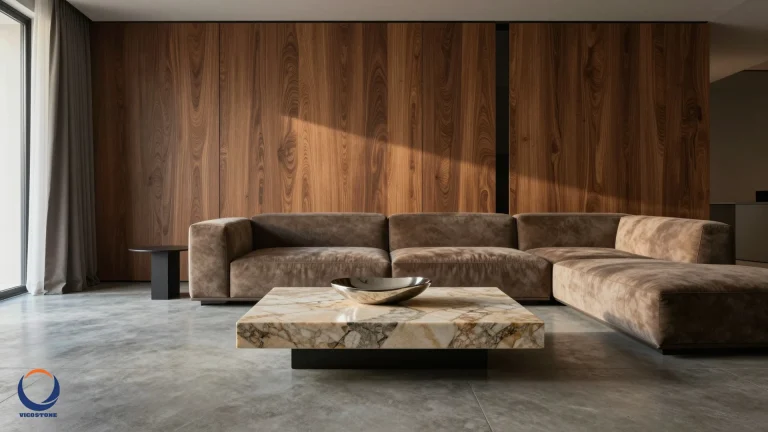
Applications range from feature walls and flooring to custom furniture and ceiling treatments. Lightly sanded or wire-brushed finishes enhance the natural texture, making the wood inviting to touch. Different wood species offer diverse aesthetic qualities, from the pale, minimalist appeal of birch to the rich, dark tones of walnut or oak. These surfaces bring an undeniable sense of comfort and organic beauty into any interior. They contribute to a calm and welcoming atmosphere.
The allure of natural stone and its imitations
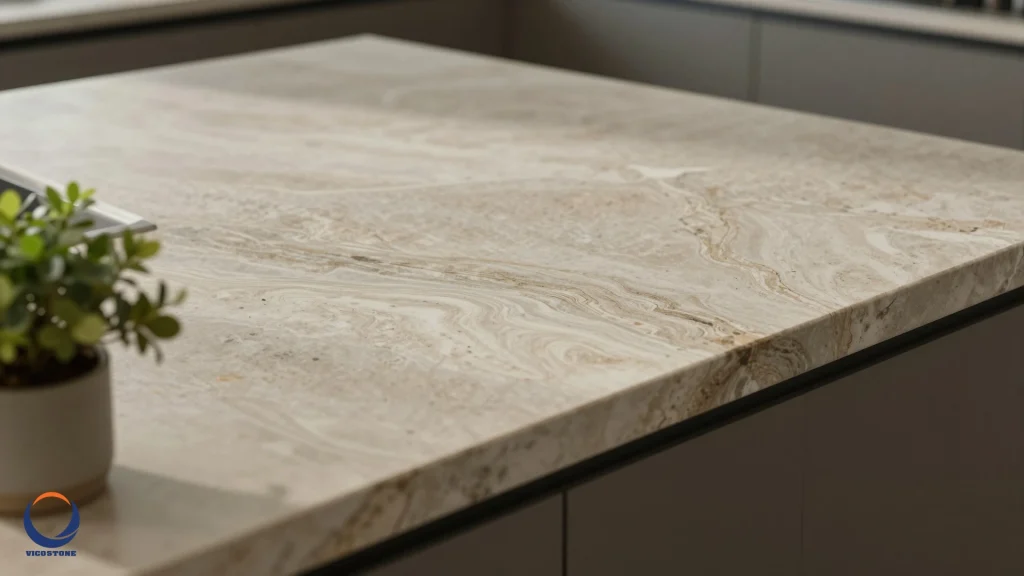
Natural stone, with its inherent strength and timeless beauty, brings the majesty of geological processes indoors. Materials like marble, granite, travertine, and slate offer unique patterns, veining, and color variations that are millions of years in the making. Their cool, solid presence provides a sense of stability and connection to the earth. Each slab is a unique piece of art, ensuring no two installations are exactly alike.
While natural stone is prized, engineered stone products, such as quartz, have advanced significantly. They can meticulously replicate the intricate patterns and textures of natural stone, often with enhanced durability and lower maintenance requirements. These engineered surfaces allow designers to achieve a high-end, natural aesthetic while offering practical benefits. They are ideal for high-traffic areas and wet environments, providing both beauty and resilience. For more ideas, explore why texture and finish define modern interior experiences.
Color palettes from the natural world
Colors profoundly influence our mood and perception of a space. In biophilic design, the aim is to draw inspiration directly from nature's vast palette. This means moving away from artificial, highly saturated hues towards the more muted, complex, and harmonious colors found in landscapes, seascapes, and forests [3]. These natural colors create a sense of calm, balance, and visual comfort, mirroring the restorative effects of spending time outdoors.
The strategic use of natural color palettes on surfaces can evoke specific natural environments. A room painted in soft blues and greens can feel like a tranquil coastal retreat, while deep earthy browns and forest greens might transport you to a dense woodland. The goal is to create a seamless transition between the indoor and outdoor environments. This thoughtful selection helps to reduce visual stress and promote relaxation.
Verdant greens and earthy browns
Greens and browns are the quintessential colors of the terrestrial world. Verdant greens, ranging from soft sage to deep emerald, connect us to foliage, growth, and vitality. They are known to have a calming effect, reducing eye strain and promoting feelings of renewal. When used on walls, textiles, or even as accent surfaces, green brings a fresh, vibrant energy into a space.
Earthy browns, including terracotta, taupe, and rich chocolate, ground a space. They evoke the stability of soil, tree trunks, and natural fibers. These colors provide a sense of warmth and security, creating a cozy and inviting atmosphere. Combining greens and browns on different surfaces creates a harmonious, forest-like ambiance. This pairing is inherently comforting and familiar to our senses.
Serene blues and tranquil grays
The blues and grays found in nature speak of vast skies, deep oceans, and rugged mountain ranges. Serene blues, from pale sky blue to deep indigo, are associated with tranquility, clarity, and spaciousness. They can make a room feel larger and more open, mimicking the expansive feeling of being outdoors. Blues are particularly effective in spaces where relaxation is key, such as bedrooms and bathrooms.
Tranquil grays, inspired by rocks, clouds, and misty landscapes, offer a sophisticated neutrality. They provide a calming backdrop that allows other natural elements to stand out. Grays can range from warm, earthy tones to cool, almost icy hues, each offering a distinct mood. When combined with blues, they create a refreshing, airy feel, reminiscent of a peaceful coastline or a clear mountain morning. These colors offer a subtle yet powerful connection to natural elements.
Patterns and motifs: bringing nature's artistry inside
Nature is a master artist, creating an endless array of intricate patterns and forms. Biophilic surface design draws heavily from this inspiration, translating organic shapes and structures into decorative elements. These patterns can range from literal representations of leaves and flowers to more abstract interpretations of geological formations or water ripples. The key is to introduce visual complexity that mimics nature's non-repeating, fractal patterns, which are known to be visually engaging and stress-reducing.
Modern manufacturing techniques, including advanced digital printing and laser cutting, allow for incredible precision in replicating these natural motifs on a variety of surfaces. This means we can enjoy the aesthetic benefits of nature's artistry without compromising on durability or functionality. From subtle textures to bold graphic statements, natural patterns add depth and interest to any interior. They create a dynamic visual experience.
Botanical and floral inspirations
Botanical and floral patterns are a direct celebration of plant life. They appear on wallpapers, fabrics, decorative panels, and even etched into glass or metal surfaces. These motifs can be realistic depictions of specific plants, or stylized, abstract interpretations. The presence of these patterns reminds us of growth, renewal, and the beauty of the living world. They can introduce a vibrant energy or a delicate softness, depending on their scale and complexity.
Subtle botanical textures, such as embossed leaf patterns on a wall covering, offer a gentle nod to nature. More elaborate floral murals can create a dramatic focal point, transforming a room into an indoor garden. The choice depends on the desired level of immersion and the overall aesthetic of the space. These patterns bring a sense of life and organic movement to otherwise static surfaces.
Geological and topographical patterns
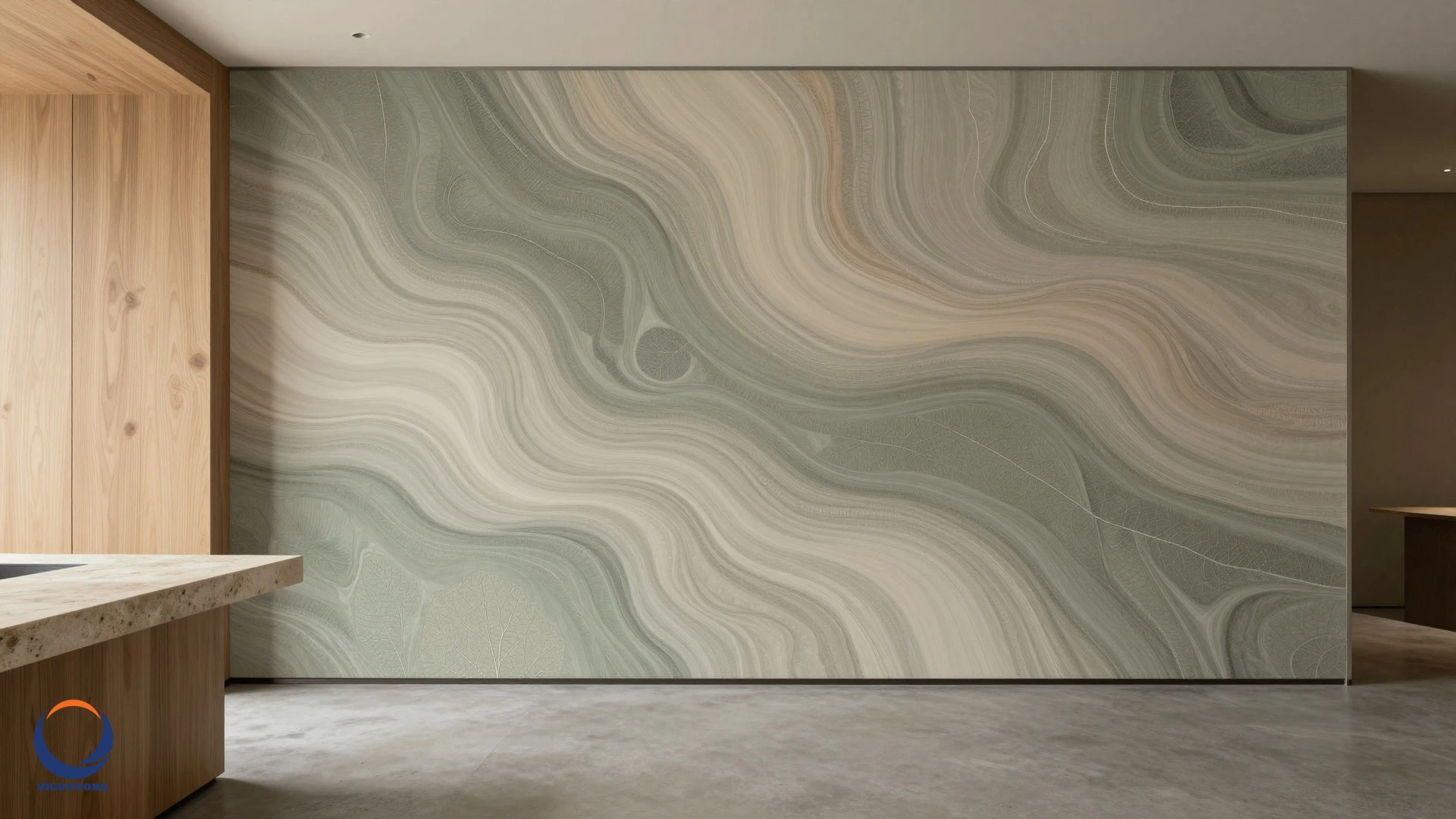
Beyond flora, the earth itself offers a rich source of patterns. Geological patterns include the intricate veining found in marble and granite, the stratified layers of sedimentary rock, or the crystalline structures of minerals. Topographical patterns mimic the contours of landscapes, such as mountain ranges or riverbeds. These designs bring a sense of ancient history and enduring strength into a space.
These patterns are often seen in large-format tiles, polished concrete, or even digitally printed wall panels. The non-repeating, fractal nature of these designs is particularly appealing, as it mirrors the complexity found in real natural environments. They add a sophisticated, grounded feel to an interior, connecting occupants to the vastness and beauty of the planet. Such patterns can create a powerful visual anchor in a room.
Innovative materials and sustainable practices
The drive for nature-inspired design goes hand-in-hand with a commitment to sustainability. Biophilic design is not just about aesthetics; it's also about creating healthy, environmentally responsible spaces. This has led to significant innovation in surface materials, focusing on eco-friendly production, recycled content, and biomimicry – learning from nature's own design principles [5]. The industry is constantly evolving to offer products that are both beautiful and kind to the planet.
Many manufacturers are now prioritizing low volatile organic compound (VOC) emissions, ensuring better indoor air quality. The use of rapidly renewable resources and materials with a low carbon footprint is also gaining traction. This holistic approach ensures that the surfaces we choose not only look natural but also contribute to a healthier ecosystem. Sustainability is becoming a core tenet of modern surface design.
Recycled and upcycled materials
The concept of circularity is vital in sustainable design. Recycled and upcycled materials transform waste into valuable resources, reducing landfill burden and conserving virgin materials. Surfaces made from recycled glass, plastic, wood, or even concrete are becoming increasingly sophisticated and aesthetically pleasing. These materials often retain subtle hints of their previous life, adding character and a story to the surface.
For example, countertops made from recycled glass can sparkle with unique flecks of color, while panels crafted from reclaimed wood offer a rustic charm. These choices demonstrate a commitment to environmental stewardship without sacrificing design quality. They prove that sustainable options can be both beautiful and innovative. Choosing these materials is a conscious step towards a greener future.
Advanced engineered surfaces mimicking nature
Technology plays a pivotal role in creating surfaces that offer the beauty of nature with enhanced performance. Engineered stone, for instance, combines natural quartz with resins to create highly durable, non-porous surfaces that precisely mimic the look of marble or granite. These materials offer resistance to stains, scratches, and heat, making them ideal for demanding applications like kitchen countertops and bathroom vanities. EON Tech is at the forefront of developing innovative solutions that blend aesthetic appeal with cutting-edge material science.
Similarly, high-pressure laminates and porcelain tiles can now reproduce the appearance of wood grain, natural stone, or even concrete with remarkable realism. These advancements allow designers to achieve a biophilic aesthetic in areas where natural materials might be impractical due to cost, maintenance, or durability concerns. They provide a versatile and robust alternative, ensuring that nature-inspired design is accessible for a wider range of projects. These surfaces represent a perfect marriage of form and function.
Integrating biophilic surfaces into various spaces
The beauty of nature-inspired surface design lies in its versatility. These trends can be seamlessly integrated into almost any environment, from private residences to bustling commercial spaces. The goal is always to enhance the human experience by fostering a deeper connection with the natural world. Thoughtful application ensures that each space benefits from the calming and restorative qualities of biophilia.
In residential settings, biophilic surfaces can transform kitchens into warm gathering places, bathrooms into spa-like retreats, and living rooms into serene sanctuaries. For commercial applications, such as offices, hotels, and healthcare facilities, these surfaces can reduce stress, improve concentration, and promote healing. The strategic choice of materials and patterns can significantly impact the overall atmosphere and functionality of a space. This integration creates a holistic and harmonious environment.
The future of nature-inspired surface design
The trajectory of nature-inspired surface design points towards even greater innovation and integration. As our understanding of biophilia deepens, so too will the sophistication of materials and applications. We can anticipate further advancements in biomimicry, where surfaces not only look like nature but also function like it, perhaps even adapting to environmental conditions [5]. The demand for healthier, more sustainable, and emotionally resonant spaces will continue to drive these developments.
Personalization and customization will also play a larger role. Imagine surfaces that can be tailored to evoke specific natural landscapes or seasonal changes, creating truly unique and responsive environments. The convergence of technology, sustainability, and human-centric design will ensure that our built environments become increasingly harmonious extensions of the natural world. The future promises even more immersive and beneficial biophilic experiences.
Conclusion
Surface design trends inspired by nature are much more than a passing fad; they represent a fundamental shift towards creating healthier, more harmonious living and working environments. By embracing organic textures, natural color palettes, and intricate patterns, we can infuse our indoor spaces with the restorative power of the outdoors. These choices contribute to our well-being, reducing stress and enhancing our connection to the world around us. Whether through reclaimed wood, natural stone, or advanced engineered materials, the essence of nature is now more accessible than ever before.
For biophilic design enthusiasts, the journey of selecting surfaces is an exciting exploration of how to bring the enduring beauty and tranquility of nature into every corner of their lives. It's about crafting spaces that not only look good but also feel good, fostering a deeper sense of peace and belonging. As we continue to seek balance in our modern lives, the embrace of nature-inspired surfaces will undoubtedly remain a cornerstone of thoughtful, human-centered design.
More information
- Biophilia: The innate human tendency to connect with nature and other living systems. In design, it involves incorporating natural elements to improve well-being, health, and productivity in built environments.
- Reclaimed wood: Timber that has been salvaged from old structures, such as barns, factories, or warehouses, and repurposed for new construction or design projects. It offers unique character and environmental benefits.
- Color psychology: The study of how different colors affect human behavior, mood, and emotions. In design, it's used to evoke specific feelings or create desired atmospheres, often drawing from natural palettes.
- Organic textures: Surfaces that mimic the irregular, varied, and tactile qualities found in natural elements like wood, stone, sand, or leaves. They engage the sense of touch and add depth to design.
- Biomimicry: An approach to innovation that seeks sustainable solutions to human challenges by emulating nature's time-tested patterns and strategies. In materials, it involves creating products inspired by natural processes or structures.