Commercial developers face unique challenges. They must balance aesthetics, durability, and cost-effectiveness. Material selection is critical for project success. Engineered stone has emerged as a premier solution for these demands.
This material offers a compelling blend of natural beauty and enhanced performance. It is increasingly the material of choice for discerning professionals [1]. Engineered stone provides long-term value across various commercial applications.
Its unique properties make it ideal for high-traffic environments. Therefore, it meets and exceeds client expectations in modern construction.
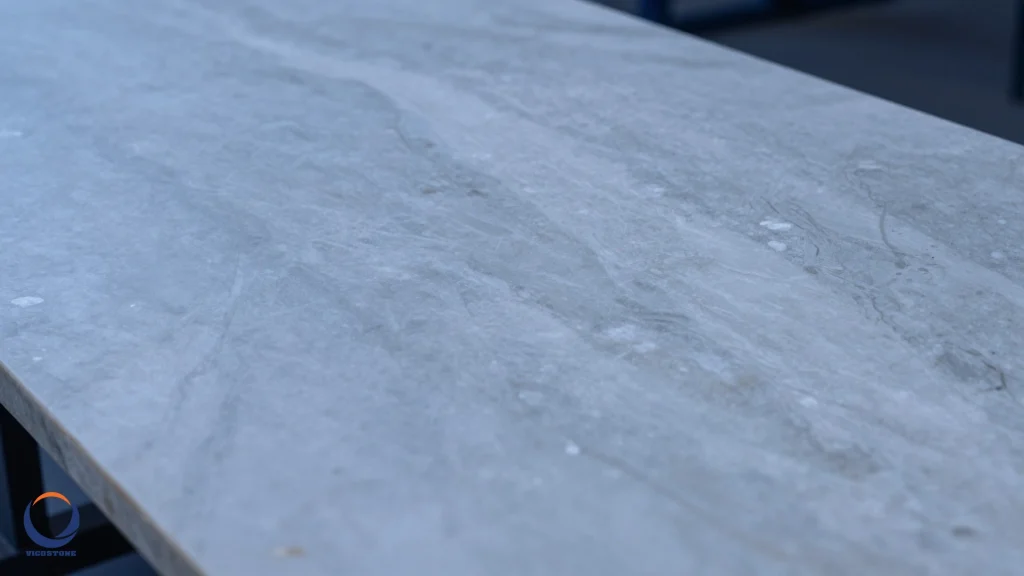
What is engineered stone?
Engineered stone is a man-made composite material. It combines natural minerals with polymer resins and pigments. Engineered quartz, a prominent type, typically consists of about 90% natural quartz grits (SiO2) [1]. These components are bonded together under high pressure and heat. This process creates a dense, non-porous slab.
The manufacturing process ensures uniform color and pattern. This consistency is a major advantage over natural stone [1]. The result is a surface that offers both the aesthetic appeal of natural stone and superior functional characteristics. It is a modern marvel in material science.
Superior durability and longevity
Durability is paramount in commercial settings. Engineered stone excels in this area. It boasts a hardness rating of 7 out of 10 on the Mohs scale [1]. This rating indicates exceptional resistance to scratches, chips, and cracks.
Furthermore, engineered quartz significantly outperforms granite. Industry tests show it has up to 30% better impact resistance [1]. This resilience ensures surfaces withstand heavy daily use. They maintain their pristine appearance for many years. This reduces the need for frequent repairs or replacements. Consequently, it delivers long-term cost savings for developers.
Low maintenance and enhanced hygiene
Commercial spaces demand easy-to-clean surfaces. Engineered stone is inherently low maintenance. Unlike natural stone, it does not require sealing [1]. Its non-porous composition prevents liquids from penetrating the surface. This makes it highly resistant to stains from common spills.
Cleaning engineered stone is simple. A quick wipe with soap and water is often sufficient. This ease of maintenance can reduce long-term costs by up to 50% compared to natural stone [1]. Moreover, the non-porous nature inhibits bacterial and mold growth. Studies show engineered quartz surfaces harbor up to 99.9% fewer bacteria [1]. This makes it an ideal choice for environments prioritizing hygiene. These include kitchens, bathrooms, and healthcare facilities.
Design versatility and aesthetic appeal
Engineered stone offers unparalleled design flexibility. It comes in an extensive range of colors and patterns [1]. Developers can choose from options that mimic exotic marbles or granites. They can also select unique, contemporary designs. This versatility allows for seamless integration into any architectural style.
Manufacturers like New Stone offer innovative collections. Their Nano Ink Collection uses advanced printing technology. It redefines limitations in surface design [3]. The Natural Masterpiece Collection captures unique beauty. It mimics natural stone formations under immense pressure and heat [3]. This means developers can achieve specific aesthetic visions. They do so without compromising on performance. The material’s consistency ensures a uniform look across large areas. This is crucial for expansive commercial projects.
Consistency and uniformity for large-scale projects
Achieving a cohesive look across large commercial spaces can be challenging. Natural stone often varies in color and pattern. This can lead to inconsistencies between slabs. Engineered stone eliminates this problem. Its manufacturing process ensures uniform color and pattern throughout each slab [1]. This consistency is particularly beneficial for projects requiring multiple slabs. It guarantees a harmonious aesthetic across entire floors or extensive counter areas.
For commercial developers, this means predictable results. There are no surprises during installation. This streamlines project execution. It also ensures the final design vision is perfectly realized. Furthermore, this uniformity contributes to the perceived quality of the space. It helps create a polished and professional environment. Why material consistency matters in large interior projects is a key consideration here.
Cost-effectiveness and sustainable practices
While the initial cost of engineered stone might be comparable to high-end natural stone, its long-term value is superior. Reduced maintenance requirements lead to significant savings over the lifespan of a project [1]. Its exceptional durability also minimizes replacement costs. This makes engineered stone a wise financial investment for commercial developers.
Many manufacturers are also embracing sustainable practices. Nova Stone, for example, uses sustainable methods. These approaches reduce waste and improve efficiency in production [2]. This commitment to sustainability aligns with modern green building initiatives. It supports environmentally conscious development. Choosing such materials can enhance a project's green credentials. It also appeals to eco-aware tenants and customers.
Versatile applications in commercial settings
The adaptability of engineered stone makes it suitable for a wide array of commercial applications. Its properties are highly beneficial across various sectors.
Hospitality industry
Hotels, resorts, and restaurants frequently use engineered quartz. Its inviting look and elegant appearance are perfect for reception desks [2]. It is also ideal for buffet counters and high-end dining establishments [2]. The durability withstands constant use and frequent cleaning. This ensures longevity in bustling environments.
For example, engineered stone transforms modern café and restaurant interiors. Its resistance to spills and stains is invaluable. This helps maintain a pristine look. It also contributes to a positive guest experience.
Retail spaces
Engineered stone benchtops are common in retail environments. These include clothing stores, jewelry shops, and cosmetic counters [2]. Their solvent resistance and easy-to-clean surface are crucial. They are perfect for cashier counters and display areas [2]. The material's aesthetic appeal elevates brand image. It creates a sophisticated shopping experience.
Commercial kitchens and bathrooms
Engineered quartz is highly favored for commercial kitchen countertops [1]. Its durability, stain resistance, and ease of maintenance are key benefits. The non-porous surface means it does not harbor bacteria [1]. This makes it ideal for food preparation areas. Similarly, it is excellent for bathroom vanity tops. Its resistance to moisture and stains ensures longevity in these wet environments [1].
Office and multi-family projects
For office spaces, engineered stone provides a professional and durable surface. It is suitable for conference tables, reception areas, and kitchenettes. In multi-family housing, it offers a premium finish for kitchens and bathrooms. This enhances property value and tenant appeal. The material's consistent quality is perfect for large-scale residential developments. It ensures a high standard across all units. EON Tech has observed this trend among leading developers.
Engineered stone versus other materials
When selecting materials, developers often compare engineered stone with natural stone and other composites. Engineered quartz offers distinct advantages. Natural stone, such as granite or marble, is beautiful. However, it is porous and requires regular sealing. It is also susceptible to staining and etching. Engineered stone overcomes these limitations. It provides superior performance with less upkeep [1].
Sintered stone is another advanced material. It offers exceptional durability and resistance to scratches and heat [4]. Produced through extreme pressure and high-temperature firing, it is a premium option [4]. While similar in some aspects, engineered quartz typically offers a wider range of aesthetic options at a more accessible price point for many commercial applications. The choice often depends on specific project requirements and budget.
Choosing the right engineered stone supplier
Selecting a reliable supplier is crucial for commercial projects. Developers should look for manufacturers with advanced technology. Strict quality control processes are also essential [3]. Companies like Lux Quartz Vietnam are leading manufacturers. They offer comprehensive insights into this remarkable material [1].
Consider suppliers who offer tailored precision. Custom-built quartz stone crafted to fit specific spaces is valuable [2]. Look for options like pre-fabricated collections. These optimize installation time and ensure exceptional precision [3]. Cut-to-size services, utilizing state-of-the-art CNC cutting technology, guarantee exact fabrication [3]. These services help optimize construction costs. They also ensure a cohesive and refined finish.
Furthermore, supply chain advantages are important. For instance, Nova Stone Quartz Vietnam offers AD/CVD duties free for U.S. imports [2]. This provides lower tariff access to American markets. Such factors can significantly impact project budgets and timelines. Timely communication and reliable project execution are also key indicators of a good supplier [2].
The future of commercial development with engineered stone
Engineered stone continues to evolve. It remains at the forefront of material innovation. Its combination of durability, low maintenance, and design flexibility is unmatched. For commercial developers, this means creating spaces that are both beautiful and functional. These spaces will also stand the test of time.
As demand for high-performance surfaces grows, engineered stone is set to play an even larger role. It offers a smart, sustainable, and aesthetically pleasing solution. It addresses the complex needs of modern commercial projects. Investing in engineered stone is investing in quality, longevity, and client satisfaction.
More information
- Engineered Quartz: A man-made material composed of approximately 90% natural quartz grits combined with polymer resins and pigments, offering enhanced durability and aesthetic versatility.
- Mohs Hardness Scale: A qualitative ordinal scale characterizing scratch resistance of various minerals through the ability of harder material to scratch softer material. Engineered quartz typically rates 7 out of 10.
- Non-porous Surface: A material characteristic meaning it has no pores or openings, preventing liquids, bacteria, and mold from penetrating, thus making it highly hygienic and stain-resistant.
- Sintered Stone: A high-end engineered material produced by compacting natural minerals under extreme pressure and high temperatures, resulting in exceptional durability, scratch, and heat resistance.
- AD/CVD Duties: Anti-Dumping and Countervailing Duties, which are tariffs imposed by governments on imported goods to counteract unfair pricing or subsidies from foreign countries.