The bathroom, once a purely utilitarian space, has undergone a remarkable transformation. It has evolved into a sanctuary of wellness, a private retreat, and a true reflection of personal style and luxury. This journey from simple necessity to opulent haven mirrors the very concept of evolution itself, where traits adapt and refine over time [1]. Just as biological populations change their inherited traits across generations, luxury bathroom design has continuously adapted, incorporating new technologies, materials, and aesthetic sensibilities [2].
This article explores the fascinating history of luxury bathroom design. We will trace its development from ancient times to the cutting-edge innovations of today. Understanding this evolution helps us appreciate the intricate blend of comfort, aesthetics, and functionality that defines modern high-end bathrooms.
The continuous refinement of design principles has shaped these spaces. Each era contributes unique elements, culminating in the sophisticated designs we see now. This ongoing process ensures that luxury bathrooms remain at the forefront of interior innovation.
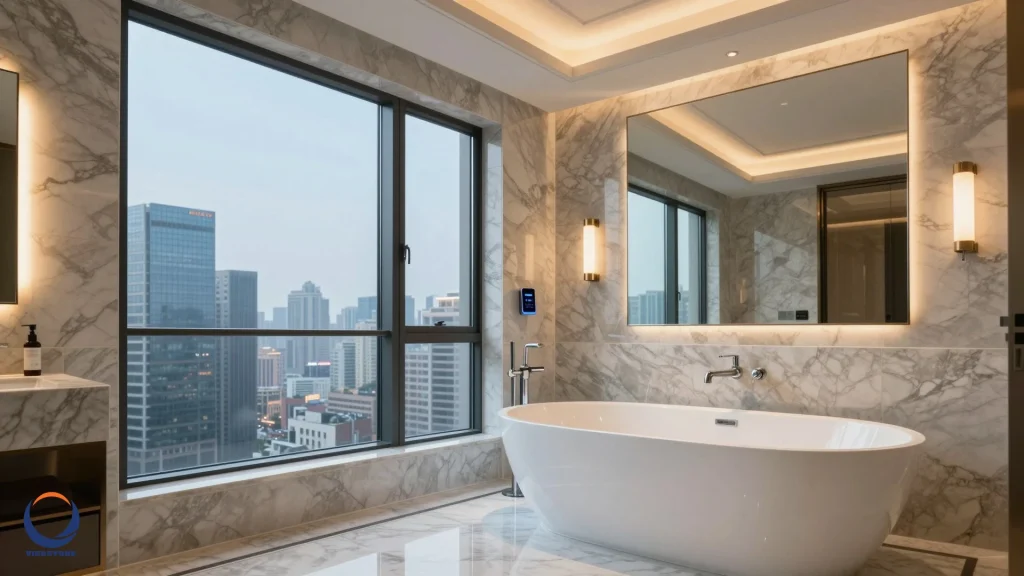
Early Beginnings: From Roman Baths to Royal Chambers
The earliest forms of luxury bathing can be traced back to ancient civilizations. The Romans, for instance, were pioneers in communal bathing. Their elaborate bathhouses, known as thermae, were not just for hygiene. They served as social hubs, places for relaxation, exercise, and intellectual discussion. These grand structures featured intricate mosaics, marble finishes, and advanced heating systems. They truly embodied a public form of luxury [4].
In contrast, the medieval period saw a decline in public bathing. Private facilities were often rudimentary and hidden away. Personal hygiene was less emphasized, and bathrooms were functional rather than decorative. However, as Europe moved into the Renaissance and Baroque eras, private bathing began to re-emerge, particularly among the aristocracy. Royal palaces featured increasingly ornate bathing rooms, often adorned with rich textiles and gilded fixtures. These spaces were still rare but signaled a growing appreciation for personal comfort and privacy.
The Dawn of Modern Plumbing and Hygiene (18th-19th Century)
The 18th and 19th centuries brought revolutionary changes. The Industrial Revolution introduced advancements in plumbing and sanitation. This made indoor running water and flushing toilets more accessible. Suddenly, the concept of a dedicated, private bathroom within the home became a reality for the affluent. The Victorian era, in particular, championed hygiene and cleanliness.
Victorian luxury bathrooms were characterized by their emphasis on sanitation. They featured large, freestanding claw-foot tubs. Pedestal sinks and high-tank toilets became common. Materials like cast iron, porcelain, and polished wood were popular. While still primarily functional, these bathrooms began to incorporate decorative elements. Ornate tile work and elaborate fixtures added a touch of elegance. This period marked a significant shift towards the modern bathroom layout we recognize today.
The Roaring Twenties and Art Deco Glamour
The early 20th century, especially the 1920s and 1930s, ushered in a new era of bathroom design. The Art Deco movement brought unprecedented glamour and modernity. Bathrooms transformed into stylish statements of wealth and sophistication. Bold geometric patterns became popular. Rich, contrasting colors adorned walls and fixtures.
New materials like chrome, black glass, and polished nickel gained prominence. Fixtures became more streamlined and artistic. Sunken tubs, often in vibrant colors like jade green or black, were highly coveted. This era celebrated luxury through dramatic aesthetics and innovative material choices. It truly made the bathroom a showpiece within the home.
Mid-Century Modern: Functionality Meets Style
Following World War II, design trends shifted towards practicality and clean lines. The Mid-Century Modern aesthetic emphasized functionality, simplicity, and organic forms. Bathrooms during this period adopted a more streamlined and minimalist approach. Pastel colors like mint green, baby blue, and soft pink were ubiquitous. These hues often adorned ceramic tiles and sanitary ware.
Fixtures became less ornate and more integrated. Built-in vanities replaced freestanding pieces. The focus was on creating efficient, comfortable spaces. While less overtly opulent than Art Deco, Mid-Century Modern bathrooms still offered a sense of understated luxury. They prioritized comfort and ease of use. This period laid the groundwork for future innovations in integrated design.
The Spa Revolution: 1980s to Early 2000s
The late 20th century witnessed the rise of the "spa bathroom." People began to view their bathrooms as personal wellness retreats. This trend was fueled by a growing interest in self-care and relaxation. Luxury bathrooms started incorporating features previously found only in high-end spas. Jacuzzi tubs became a must-have item. Multi-jet showers and steam rooms offered therapeutic experiences.
Design elements shifted towards creating a tranquil atmosphere. Natural materials like stone, wood, and muted color palettes became popular. Ambient lighting and aromatherapy diffusers further enhanced the spa-like ambiance. The goal was to transform the bathroom into a private sanctuary. It became a place to unwind and rejuvenate both body and mind. This era solidified the bathroom's role as a haven of personal luxury.
Contemporary Luxury: Smart, Sustainable, and Seamless
Today's luxury bathroom design is a sophisticated blend of technology, sustainability, and personalization. It pushes the boundaries of what a bathroom can be. Smart technology is now seamlessly integrated into every aspect. Digital showers allow precise temperature control. Automated lighting systems create custom moods. Voice-activated mirrors offer entertainment and information. This level of technological integration elevates the user experience significantly. EON Tech is at the forefront of developing smart home solutions that enhance such environments.
Sustainability is another key driver in contemporary luxury. Water-saving fixtures are paramount. Eco-friendly materials, such as recycled glass and sustainably sourced wood, are increasingly specified. Designers are also incorporating biophilic elements. Living walls and natural light maximize connection to the outdoors. This creates a serene and environmentally conscious space. Companies like PA Home offer bespoke design solutions, emphasizing quality and material application for high-end projects [3].
The integration of smart technology
Smart technology defines modern luxury. Digital interfaces control lighting, temperature, and water flow. Voice assistants manage music and news. These innovations create an intuitive and highly personalized environment. They anticipate user needs, enhancing comfort and convenience.
Heated floors and towel rails add to the comfort. Integrated sound systems provide a spa-like atmosphere. Smart mirrors offer personalized health insights. This seamless integration transforms daily routines into luxurious experiences.
Sustainable luxury and material innovation
Luxury now embraces environmental responsibility. Designers prioritize materials with low environmental impact. Recycled content and renewable resources are highly sought after. Water-efficient toilets and low-flow showerheads conserve resources. These choices do not compromise on aesthetics or performance. Instead, they add another layer of sophistication to the design.
Biophilic design principles bring nature indoors. Large windows offer natural light and views. Indoor plants and natural stone create a calming effect. This connection to nature enhances well-being. It also aligns with a holistic approach to luxury living.
Bespoke design and personalization
Personalization is at the heart of contemporary luxury. Clients seek unique, tailored solutions. Custom cabinetry fits specific storage needs. Exotic stone applications create stunning focal points. Artisanal fixtures add a touch of exclusivity. Every detail is carefully considered to reflect the homeowner's individual taste.
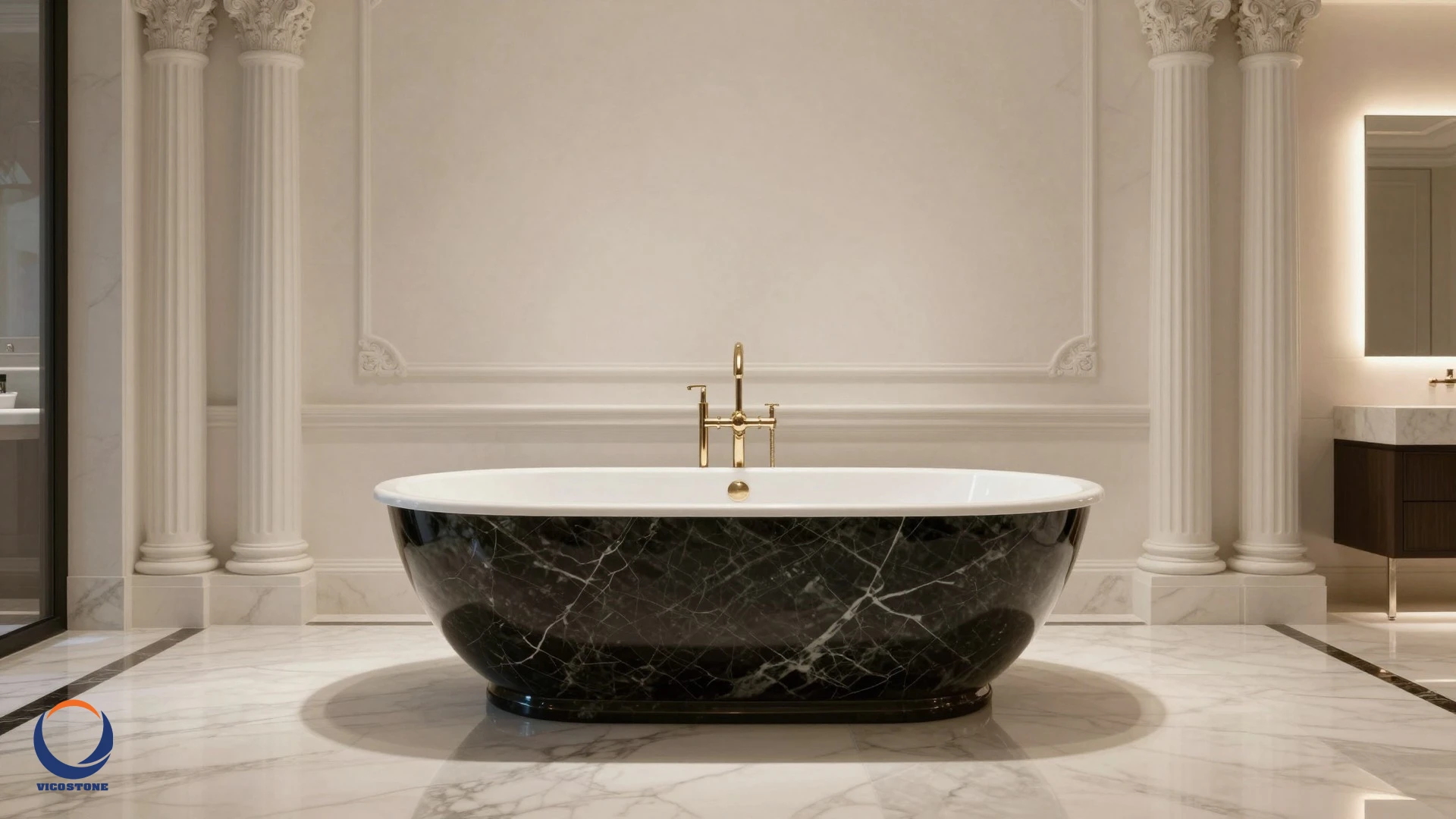
Open-concept bathrooms are gaining popularity. They blur the lines between sleeping and bathing areas. Freestanding tubs become sculptural elements. This creates a sense of spaciousness and fluidity. The result is a truly bespoke and integrated living experience. Luxury interior design firms, such as Thái Công Interior Design, are renowned for creating perfect luxury through unique and artistic approaches [5].
The Future of Luxury Bathroom Design
The evolution of luxury bathroom design shows no signs of slowing. The future promises even greater levels of personalization and integration. Artificial intelligence and virtual reality will allow for hyper-customized designs. Clients will visualize and refine their spaces with unprecedented precision. This will ensure every element aligns perfectly with their vision. The continuous process of design evolution, much like the ongoing theory of evolution, will adapt to new demands and technologies.
Health and wellness will remain central. Advanced sensors will monitor vital signs. Integrated systems will offer personalized wellness routines. Biophilic design will become even more sophisticated. Expect more living elements and natural light integration. Predictive maintenance will ensure seamless functionality. The bathroom will truly become a proactive partner in personal well-being. This ongoing adaptation is a testament to the dynamic nature of luxury design, always striving for perfection [2].
The emphasis on seamless surfaces will continue to grow. Materials that are both beautiful and highly functional will dominate. This includes surfaces that are easy to clean and maintain. They will also offer superior durability. This trend aligns with the growing popularity of seamless kitchen surfaces. Such advancements ensure a sleek and hygienic environment. Furthermore, the selection of premium surfaces will play a crucial role. They elevate everyday living by combining aesthetics with performance.
Conclusion
The journey of the luxury bathroom is a captivating narrative of human ingenuity and evolving desires. From the communal grandeur of Roman baths to the private, smart sanctuaries of today, these spaces have continuously adapted. They reflect societal values, technological progress, and changing notions of comfort and well-being. The bathroom has transcended its basic function. It is now a highly personalized expression of luxury, a place for rejuvenation and escape.
As we look ahead, the evolution will continue. Future luxury bathrooms will undoubtedly push boundaries further. They will integrate even more advanced technology and sustainable practices. They will offer unparalleled levels of personalization. One thing remains constant: the luxury bathroom will always be a testament to the pursuit of ultimate comfort, beauty, and innovation in the home.
More Information
- Biophilic Design: An architectural and interior design approach that connects building occupants more closely to nature. It aims to create spaces that enhance well-being through natural light, vegetation, and other natural elements.
- Art Deco: A prominent international style of art, architecture, and applied art, especially in the 1920s and 1930s. It is characterized by rich colors, bold geometric shapes, and lavish ornamentation.
- Smart Technology in Bathrooms: Integration of digital and connected devices to enhance functionality, convenience, and user experience. Examples include digital showers, smart mirrors, and automated lighting.
- Mid-Century Modern: An architectural, interior, product, and graphic design aesthetic that generally describes mid-20th century developments from roughly 1933 to 1965, characterized by clean lines, organic shapes, and functionality.
- Claw-Foot Tub: A freestanding bathtub with four feet, typically shaped like an animal's claw, that supports the tub off the floor. It was a popular fixture in Victorian-era bathrooms and remains a classic design element.