The global construction industry faces an urgent imperative. As climate change intensifies and natural resources dwindle, the demand for sustainable architectural materials is soaring. This shift is not merely a trend; it is a fundamental transformation. Architects and developers worldwide are recognizing the critical need to reduce environmental impact. They are embracing eco-friendly alternatives to traditional building methods.
The construction sector contributes significantly to global carbon emissions. It accounts for nearly 40% of CO2 emissions worldwide [4]. This alarming statistic highlights the industry's immense responsibility. Consequently, there is a growing push towards green materials. These materials aim to reduce greenhouse gas emissions, conserve energy, and minimize pollution. This movement aligns with international environmental standards and national emission reduction commitments [1].
Many countries, including emerging economies, are at the forefront of this change. They are leveraging abundant natural resources to fuel green construction. This proactive approach helps them meet rising demand for housing and infrastructure sustainably. It also positions them as leaders in the global green economy.
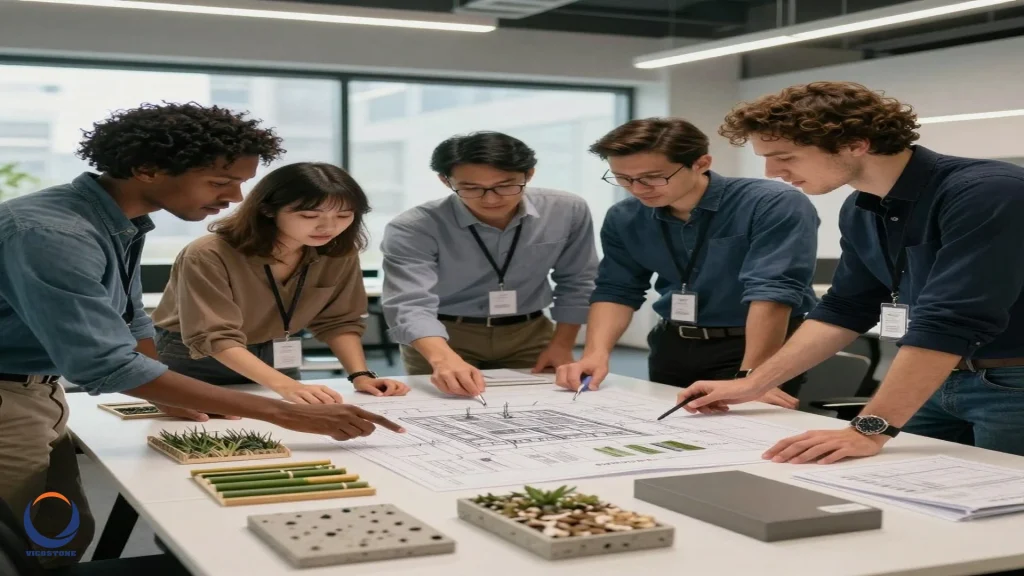
Why sustainable materials are essential for modern construction
Sustainable architectural materials offer a multitude of benefits. These advantages extend beyond environmental protection. They also provide significant economic and social gains. For architects and developers, understanding these benefits is key. It helps them make informed decisions for their projects.
Environmental benefits: reducing ecological footprints
The primary driver for sustainable materials is their positive environmental impact. These materials drastically reduce the ecological footprint of buildings. For instance, incorporating green materials helps lower greenhouse gas emissions. This is crucial for combating climate change [1]. Many sustainable options require less energy to produce. They also reduce waste sent to landfills [2].
Consider the production of traditional cement. It accounts for about 10% of some countries' total CO2 emissions [1]. By contrast, alternatives like fly ash-based concrete significantly reduce this impact. They also enhance concrete strength and minimize industrial waste [2]. Furthermore, sustainable materials often improve indoor air quality. They reduce exposure to harmful chemicals found in conventional products. This creates healthier living and working environments.
Economic advantages: long-term savings and new markets
While initial costs can sometimes be higher, sustainable materials offer long-term economic benefits. Buildings constructed with these materials often have lower operational costs. They achieve this through improved energy efficiency [2]. For example, better insulation reduces heating and cooling demands. This leads to substantial savings on utility bills for residents and businesses alike. Moreover, sustainable practices enhance brand image and value for developers. This can attract more investment and customers [2].
The shift towards sustainability also opens new market opportunities. Producers of recycled materials and green technologies are seeing increased demand [2]. This fosters innovation and job creation within the green economy. Governments are also implementing policies to boost green building. This creates a favorable environment for businesses and investors in the sector [1].
Regulatory alignment and international standards
Adopting sustainable materials helps projects align with evolving regulations. Many nations are setting ambitious climate change goals. These include Net Zero emissions targets by 2050 [2]. Incorporating green materials is essential for meeting these commitments. It also helps projects achieve green certifications. Systems like EDGE, LEED, Green Mark, and Lotus are gaining prominence [2]. These certifications enhance a building's marketability and demonstrate commitment to sustainability.
Furthermore, transparent environmental information is becoming crucial. Tools like Life Cycle Assessment (LCA) and Environmental Product Declarations (EPD) are vital [3]. They allow businesses to measure and reduce emissions. They also optimize resource efficiency. This transparency strengthens competitiveness in the global green supply chain [3].
Key drivers of sustainable material adoption
Several factors are accelerating the adoption of sustainable architectural materials. These drivers create a compelling case for architects and developers. They encourage them to prioritize eco-friendly choices.
Global climate change commitments
International agreements and national targets are powerful motivators. Countries are committing to significant greenhouse gas emission reductions. Many aim for carbon neutrality. This places immense pressure on high-emitting sectors like construction. The industry must transform its practices. It must embrace materials that support these ambitious goals [2].
Growing public and industry awareness
Awareness of environmental issues is increasing among consumers and professionals. People are more informed about the impact of their choices. This includes the buildings they inhabit. As a result, there is a rising demand for green buildings. Developers recognize this market shift. They respond by offering sustainable options. This also enhances their corporate social responsibility profile.
Policy and regulatory frameworks
Governments are actively promoting green construction through policies. These include national master plans and green growth strategies [1]. For example, some countries mandate the reuse of solid waste in construction [1]. Such policies create a supportive legal framework. They incentivize businesses and investors to enter the green building materials sector. Sustainable Public Procurement (SPP) is also emerging. It enhances environmental sustainability in public infrastructure projects [2].
Technological advancements in material science
Innovation in material science is continuously expanding the range of sustainable options. Researchers are developing new bio-based materials. They are also improving recycling processes. This leads to more efficient and cost-effective green products. These advancements make sustainable choices increasingly viable. They offer architects and developers more design flexibility.
Types of sustainable architectural materials and their benefits
The market for sustainable materials is diverse and growing. It offers numerous alternatives to conventional building products. Each type brings unique advantages to construction projects.
Recycled materials: giving waste a new life
Recycling old building materials is a cornerstone of sustainable construction [2]. This practice reduces landfill waste. It also conserves natural resources. Common examples include:
- Fly Ash: A byproduct of coal combustion, fly ash is repurposed into eco-friendly concrete. This minimizes industrial waste. It also enhances concrete strength. Moreover, it reduces cement usage and the carbon footprint of production [2].
- Recycled Concrete: This material helps reduce construction waste. It creates durable and cost-effective building components [5].
- Recycled Plastics: Used in various applications, from insulation to structural components. Recycling plastics reduces pollution and resource depletion [5].
- Steel Slag and Red Mud: These industrial byproducts are often underutilized. However, they hold significant potential for reuse in construction materials [1].
Natural, renewable materials: harnessing nature's bounty
Nature provides a wealth of renewable resources suitable for construction. These materials often have low embodied energy. They are also biodegradable. Key examples include:
- Bamboo: Known for its rapid growth and strength, bamboo absorbs large amounts of carbon dioxide [5]. Its versatility allows it to replace materials like concrete and steel. This aligns with global green building trends [5].
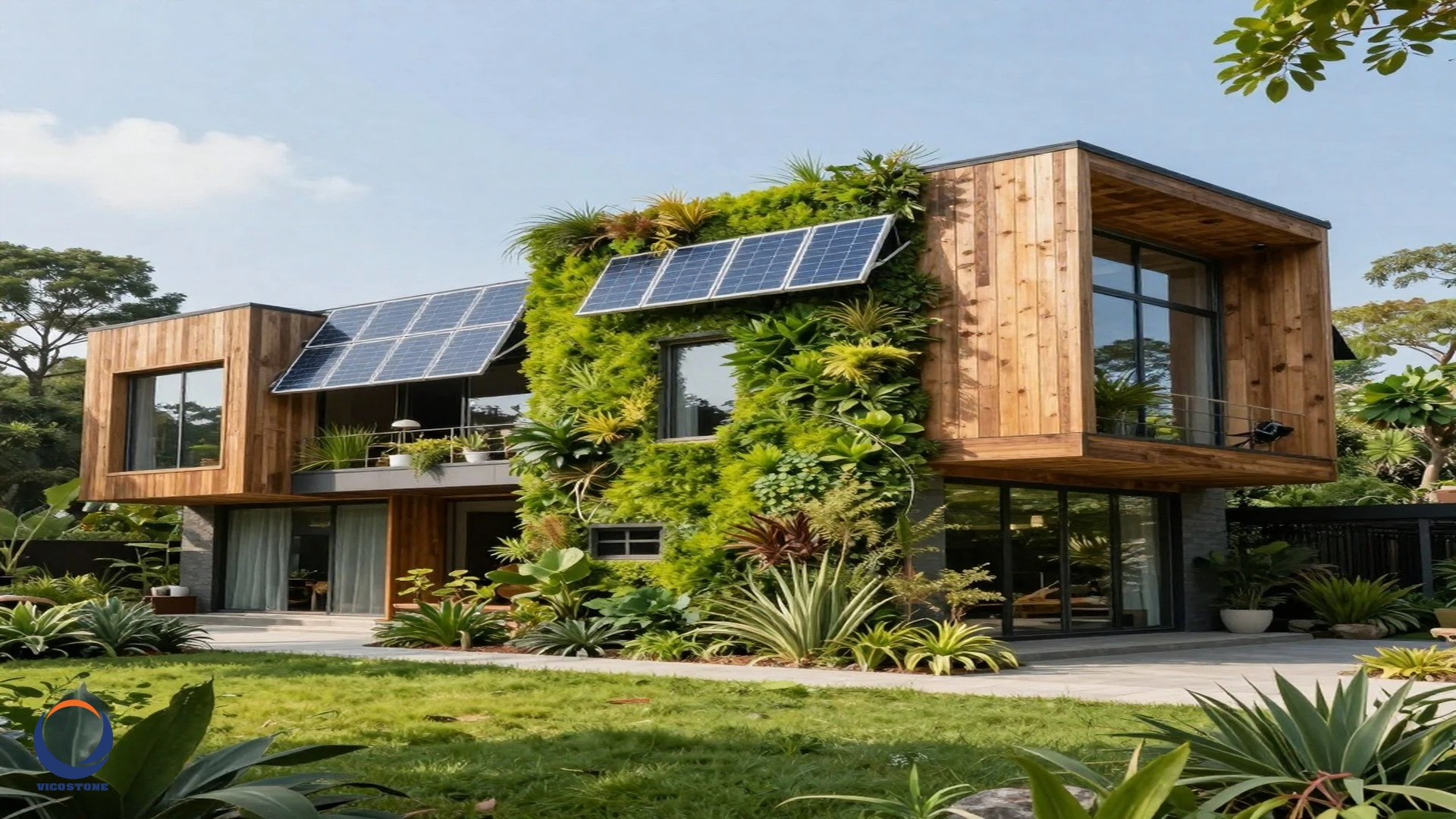
- Wood: Sustainably harvested wood is a renewable resource. It sequesters carbon. It also offers excellent thermal properties.
- Straw: Innovative products like bricks made from straw offer eco-friendly substitutes. They are renewable and reduce reliance on traditional methods [1].
Low-carbon materials: reducing production impact
Focusing on materials with low embodied carbon is crucial. This means minimizing carbon emissions during their entire lifecycle. Unfired bricks are a prime example. They are made from natural materials like clay. They do not require high-temperature firing. This significantly reduces energy consumption and greenhouse gas emissions during production [2].
The integration of these materials fosters a circular economy. Materials remain in the value chain for as long as possible. This minimizes waste and optimizes resource usage [2]. EON Tech recognizes the importance of such innovations in driving industry-wide sustainability.
Overcoming challenges in sustainable material adoption
Despite the clear advantages, the widespread adoption of sustainable materials faces hurdles. Architects and developers must understand these challenges. This allows them to navigate them effectively.
High initial costs
One of the most significant barriers is the higher initial investment cost [1]. Green materials often have higher production costs. This is especially true in their early stages of application [4]. This financial hurdle makes it difficult for some contractors and consumers. It limits their ability to adopt eco-friendly alternatives on a larger scale [1]. High prices can stem from small-scale production, imported technologies, and a lack of tax incentives [4].
Lack of standardized regulations and quality management
Another key barrier is the absence of specific standards and regulations. These are needed for assessing and managing the quality of green materials [1]. While guidelines are developing, their absence creates difficulties. It hinders implementation and widespread adoption [4]. This lack of clarity can deter developers. They may be unsure about material performance and compliance.
Limited supply chain and production scale
The supply of high-quality recycled materials can be inconsistent. Standardized recycling processes are also often lacking [2]. Furthermore, the domestic supply of green materials may be limited. This leads to reliance on imports. Such reliance contributes to higher costs and longer construction times [4]. Small-scale production also prevents economies of scale. This keeps prices high.
Insufficient awareness and training
Many investors, contractors, and consumers lack full awareness. They do not always understand the long-term benefits of green materials [4]. These benefits include reduced energy consumption and improved indoor air quality. Without proper training and technical guidance, builders may be unfamiliar with new materials. This can lead to delays and cost increases [4]. Public awareness campaigns are crucial to promote sustainable practices [5].
Strategies for accelerating sustainable material integration
Addressing these challenges requires a multi-faceted approach. Collaboration among stakeholders is essential. This includes government, industry, and research institutions.
Government support and incentives
Governments play a vital role in fostering green material adoption. They can provide tax incentives, credit support, and research and development funding [4]. Policies like the Green Materials Development Strategy are crucial. They set a vision for sustainable growth [1]. Such support helps offset higher initial costs. It makes green materials more competitive.
Investment in local production and research
Investing in domestic production capabilities is key. This reduces reliance on imports. It also lowers transport costs. Furthermore, supporting local research and development can lead to innovative solutions. It can also create materials tailored to regional resources and needs. This helps scale up production and reduce costs.
Developing clear standards and certification systems
Establishing clear standards and regulations for green materials is paramount. This includes assessment and quality management protocols [1]. Promoting tools like LCA and EPD ensures transparency. It also builds trust in environmental claims [3]. Certifications like LOTUS Green Product help integrate local products into global supply chains [3]. This ensures consistent quality and performance.
Capacity building and training
Training programs are essential for the workforce. They educate builders and contractors on new materials and techniques [4]. This builds confidence and competence. It ensures smooth integration of sustainable practices. Educational initiatives can also raise awareness among investors and consumers. This highlights the long-term benefits of green buildings.
Promoting circular economy principles
Embracing a circular economy model is fundamental. This involves designing out waste and pollution. It keeps products and materials in use. It also regenerates natural systems. For construction, this means maximizing material reuse and recycling [2]. It also means designing buildings for disassembly and material recovery. This approach minimizes resource consumption and environmental impact. It also creates new economic value streams.
Architects and developers can integrate sustainable materials that elevate modern living. This not only benefits the environment but also enhances project value. They can also explore the role of surface materials in contemporary architecture. This further pushes the boundaries of sustainable design.
The future of sustainable architecture: a collaborative vision
The future of architecture is undeniably green. The growing demand for sustainable architectural materials reflects a global commitment. It shows a dedication to a more responsible and resilient built environment. This transition is not without its challenges. However, the opportunities it presents are immense. They offer both environmental and economic benefits.
For architects, this means designing with a holistic perspective. They must consider the entire lifecycle of materials. For developers, it means investing in innovation. It also means prioritizing long-term value over short-term costs. Collaboration between all stakeholders is paramount. Governments, industry leaders, and research institutions must work together. They must create supportive ecosystems for sustainable construction.
The journey towards a fully sustainable construction industry is ongoing. Yet, the momentum is clear. By embracing sustainable architectural materials, we can build a future. This future is not only beautiful and functional. It is also environmentally responsible and economically viable. Architects and developers are at the forefront of this crucial transformation. Their choices today will shape the world of tomorrow.
More Information
- Green Building Materials: Products that are environmentally responsible and resource-efficient throughout a building's life cycle, from selection to disposal. They reduce environmental impact and improve occupant health.
- Life Cycle Assessment (LCA): A comprehensive methodology that evaluates the environmental impacts associated with all stages of a product's life, from raw material extraction to disposal.
- Environmental Product Declaration (EPD): A standardized, third-party verified document that communicates transparent and comparable information about the life-cycle environmental performance of products.
- Circular Economy: An economic system aimed at eliminating waste and the continual use of resources. It involves reusing, repairing, refurbishing, and recycling existing materials and products.
- Embodied Carbon: The greenhouse gas emissions associated with the entire lifecycle of a building material, including extraction, manufacturing, transportation, and construction.