Modern homeowners increasingly seek designs that blend aesthetics with functionality. Kitchens, as the heart of the home, are no exception. The trend towards seamless kitchen surfaces perfectly embodies this desire. These continuous, flowing surfaces offer a sleek, sophisticated look. They also deliver significant practical benefits for busy households. This article explores why seamless kitchen surfaces are becoming a staple in contemporary interior design.
What defines seamless kitchen surfaces?
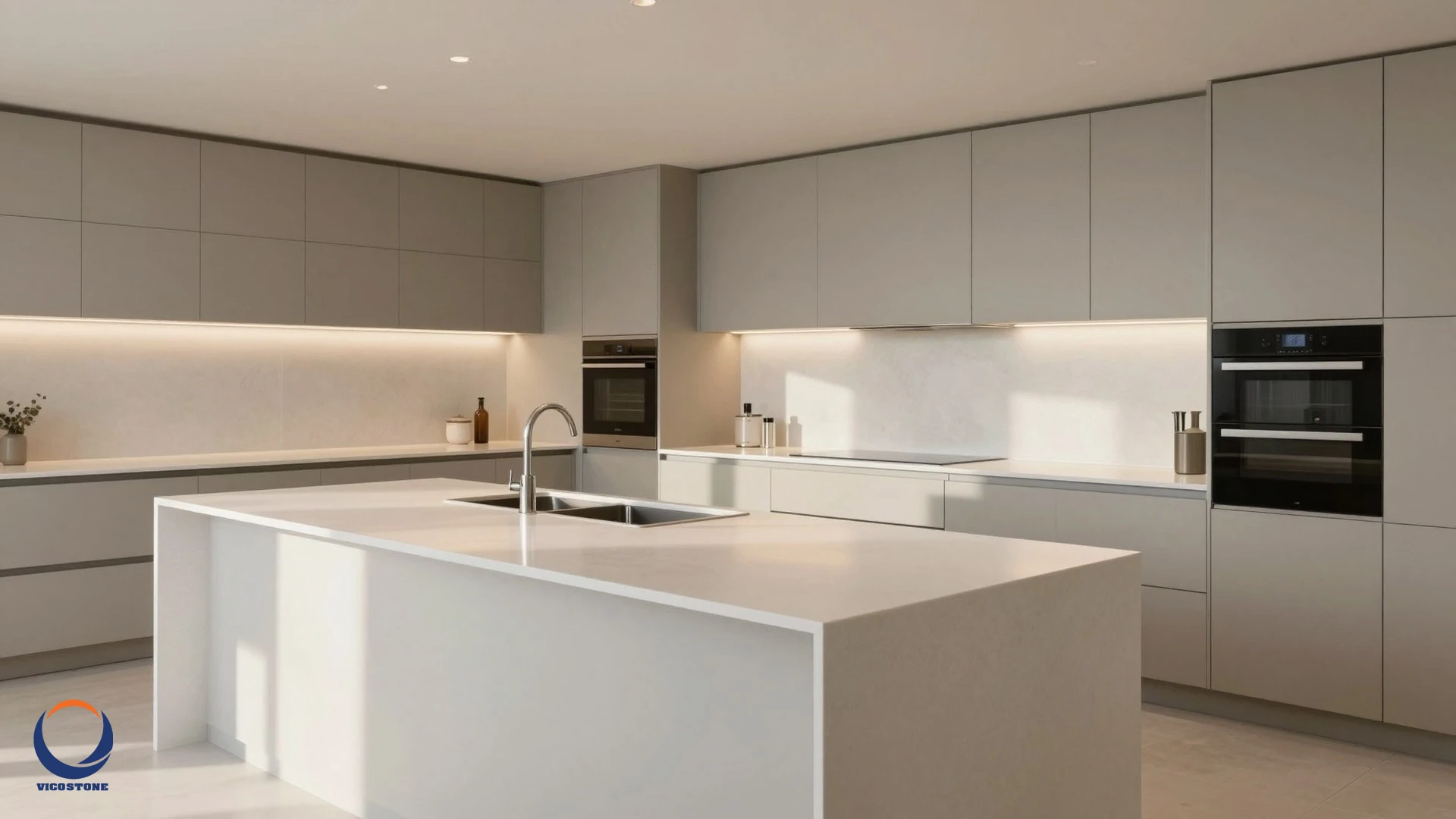
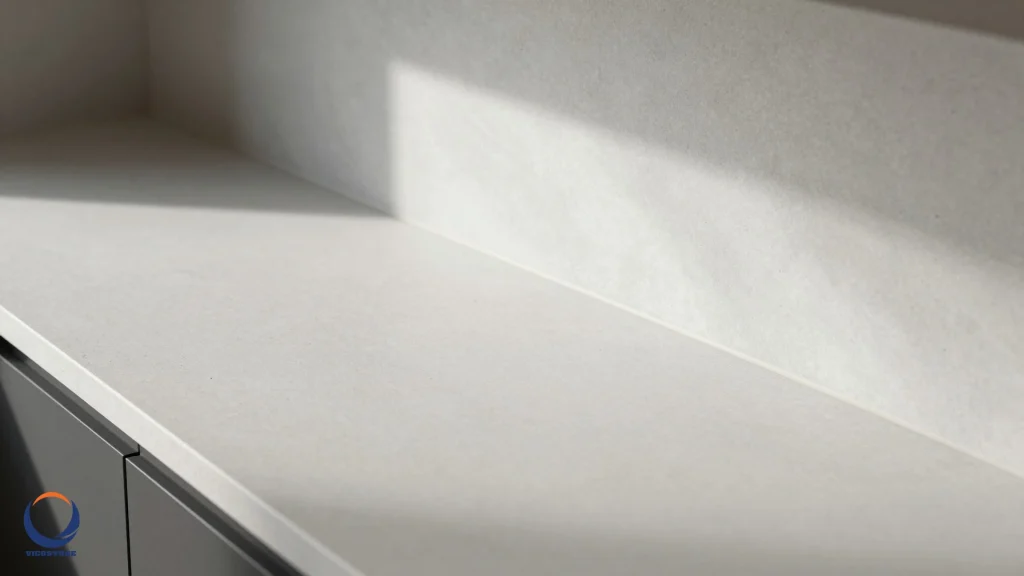
Seamless kitchen surfaces are characterized by their minimal visible joints. They create a continuous, unbroken expanse across countertops and backsplashes. This design choice significantly enhances visual flow. It contributes to a unified and harmonious kitchen environment. Materials like engineered stone, solid surface, and large-format porcelain are popular choices. These materials allow for precise fabrication. This results in an integrated look that is both elegant and modern. The absence of traditional grout lines is a key feature.
The aesthetic appeal of a continuous flow
Modern design principles often prioritize simplicity and clean lines. Seamless surfaces align perfectly with this minimalist aesthetic. A continuous countertop can make a kitchen feel much larger. It extends the visual space. This design also promotes a sense of calm and order. The unbroken expanse becomes a natural focal point. It draws the eye across the kitchen. This visual tranquility is highly sought after by homeowners. It creates a serene and uncluttered atmosphere.
Beyond beauty: practical benefits for busy households
The appeal of seamless surfaces extends far beyond their looks. Hygiene is a major advantage for any kitchen. These surfaces lack the crevices and grout lines where dirt and bacteria can accumulate. This makes cleaning much easier and more effective. They are often non-porous. This characteristic resists the growth of mold and mildew. This ensures a healthier cooking environment. Durability is another key factor for homeowners [4]. Many seamless materials are highly resistant to impacts. They stand up exceptionally well to daily wear and tear.
These surfaces offer excellent longevity. They maintain their pristine appearance over many years. Resistance to stains, heat, and scratches is a common benefit. This makes them ideal for active kitchens. Such practical benefits greatly appeal to modern families. They provide peace of mind. This combination of beauty and resilience is hard to beat.
Material matters: exploring popular seamless options
Several materials contribute to the seamless kitchen trend. Engineered stone, especially quartz, is a top choice. It combines natural quartz crystals with resins and pigments. This creates an extremely hard, non-porous surface. Quartz offers a vast range of colors and patterns. It mimics natural stone beautifully. It is also highly durable and low maintenance. This makes it a practical option. Solid surface materials are another popular alternative. These acrylic-based products are thermoformable. This allows for truly invisible seams. They can even be molded into integrated sinks. Solid surfaces are also repairable if scratched or damaged. This adds to their appeal.
Porcelain slabs provide an impressive solution. These large-format tiles offer incredible scale. They can cover vast areas with minimal joints. Porcelain is extremely hard and resistant to heat. It is also non-porous and highly durable. Each material presents unique properties and aesthetic possibilities. Homeowners can choose based on their specific needs. Budget, desired look, and lifestyle all play a role. Understanding these differences helps in making an informed decision.
Design versatility: integrating seamless surfaces into any kitchen style
Seamless surfaces are incredibly versatile. They are not exclusively for ultra-modern kitchens. They can enhance transitional designs beautifully. Even classic or traditional styles can benefit from their clean look. The key lies in careful material and color selection. A neutral-toned quartz or solid surface suits many aesthetics. It provides a subtle, elegant backdrop. Bold patterns or vibrant colors can create a dramatic statement. They become the kitchen's focal point. The continuous flow complements diverse cabinetry styles. It works with both sleek, handleless units and more ornate designs. This adaptability makes seamless surfaces a flexible design tool. They can elevate any kitchen's aesthetic. They bring a touch of contemporary sophistication.
Installation insights: achieving that flawless finish
Achieving a truly seamless look requires expert installation. Professional fabricators are crucial for precise results. They possess the skills and tools for accurate cuts. They also use specialized techniques for joining sections. This minimizes the visibility of seams. Large slabs, common in seamless designs, require careful handling. They are heavy and delicate. Proper templating is essential for accuracy. It ensures a perfect fit. The quality of installation directly impacts the final appearance. Investing in expert installation pays off in the long run. It guarantees the flawless finish homeowners desire. A well-installed seamless surface is a testament to craftsmanship.
The growing market for modern kitchen solutions
The demand for modern kitchen amenities is surging globally [2]. Urbanization and rising middle-class incomes drive this trend. Consumers increasingly seek energy-efficient and smart appliances [2]. Compact designs are also gaining popularity. This market expansion is significant. The Vietnam kitchen furniture market, for example, was valued at USD 191.78 million in 2025 [1]. It is projected to reach USD 340.22 million by 2035 [1]. This indicates a robust growth trajectory for kitchen solutions. The broader kitchen appliance market in Vietnam is also experiencing substantial growth, with projections to reach USD 1,493.49 million by 2033 according to market reports.
However, global events can impact this growth. Geopolitical conflicts, for instance, affect supply chains and logistics [1]. Rising freight costs can influence furniture and appliance prices. This creates a complex operating environment. Manufacturers are focusing on innovation and quality. They also prioritize domestic production to meet demand [2]. This ensures a steady supply of high-quality kitchen solutions. Governments are also monitoring market pricing. They aim to prevent disproportionate margin-taking amidst supply cost increases [1]. This ensures fair consumer prices. The overall trend highlights a growing consumer appetite for sophisticated kitchen designs.
Sustainability and long-term value
The durability of seamless surfaces contributes to sustainability. Long-lasting materials reduce the need for frequent replacement. This minimizes waste over time. Some engineered materials incorporate recycled content. This further enhances their environmental profile. Choosing quality surfaces is a long-term investment for homeowners. They add significant aesthetic and functional value to a home. Homeowners appreciate materials that endure gracefully. They look for products that offer both beauty and resilience. The focus on sustainable architectural materials is also growing. Many modern surfaces meet these environmental standards. This aligns perfectly with eco-conscious living. It supports a more responsible approach to home design.
Making the right choice for your home
Selecting the perfect seamless surface involves several considerations. First, evaluate your budget carefully. Surface materials vary widely in cost. Your lifestyle dictates material suitability. A busy family kitchen needs robust, highly durable surfaces. Consider how you use your kitchen daily. Consult with experienced designers and fabricators. They can offer expert guidance. They help match your vision with practical solutions. EON Tech provides innovative tools for visualizing kitchen designs. This helps homeowners make confident choices. Explore different samples in your home. See how they look under various lighting conditions. This helps in making an informed decision. It ensures the chosen surface complements your existing decor. It also guarantees satisfaction for years to come.
The enduring appeal of seamless kitchen surfaces
Seamless kitchen surfaces offer undeniable advantages for modern homes. They combine stunning aesthetics with superior functionality. Their clean lines and easy maintenance suit contemporary life perfectly. They represent a smart investment for any homeowner. These surfaces enhance both the beauty and efficiency of the kitchen. As design trends continue to evolve, their popularity will undoubtedly grow [3]. They are truly defining contemporary kitchen design. Their blend of style, durability, and hygiene makes them an ideal choice [5]. They transform kitchens into elegant, practical spaces. This makes them a cornerstone of modern home interiors.
More Information
- Engineered Stone: A composite material made from crushed stone (often quartz) bound together by an adhesive (typically polymer resin). It is highly durable, non-porous, and available in a wide range of colors and patterns, making it popular for seamless countertops.
- Solid Surface: A non-porous, low-maintenance material made from acrylic or polyester resins and mineral fillers. It can be thermoformed into various shapes and joined with inconspicuous seams, allowing for integrated sinks and continuous surfaces.
- Porcelain Slabs: Large format tiles made from highly refined clay and minerals, fired at extremely high temperatures. They are exceptionally hard, heat-resistant, non-porous, and ideal for creating expansive, seamless surfaces in kitchens and bathrooms.
- Urbanization: The process by which populations shift from rural to urban areas, leading to increased demand for modern housing and amenities, including advanced kitchen solutions and appliances.
- Geopolitical Impact: The influence of international political events and conflicts on global markets, supply chains, and consumer prices, as seen with rising logistics costs affecting the kitchen furniture industry.