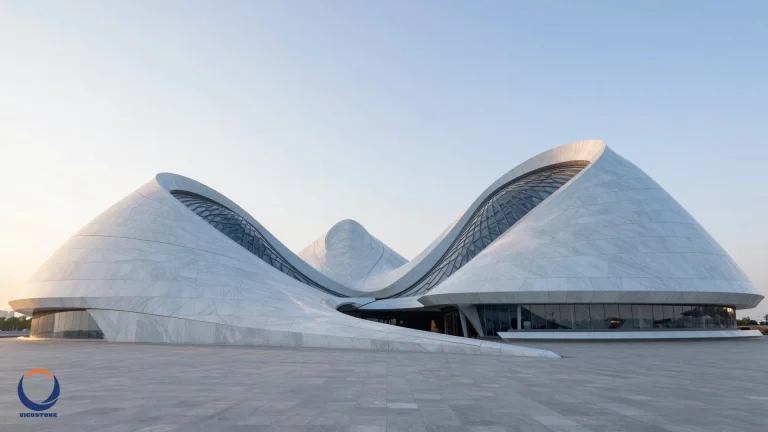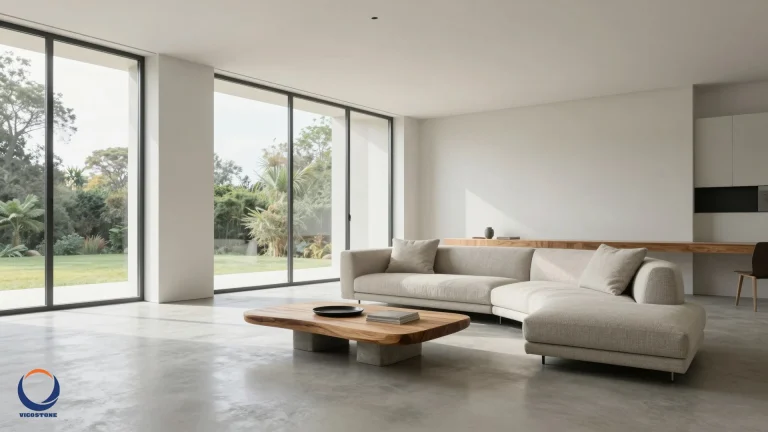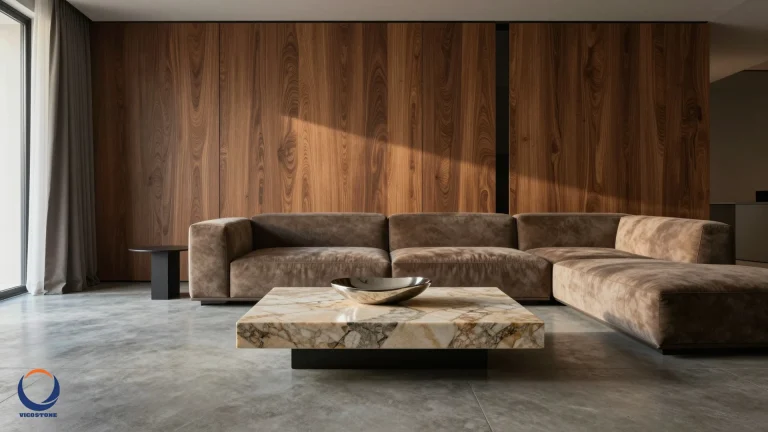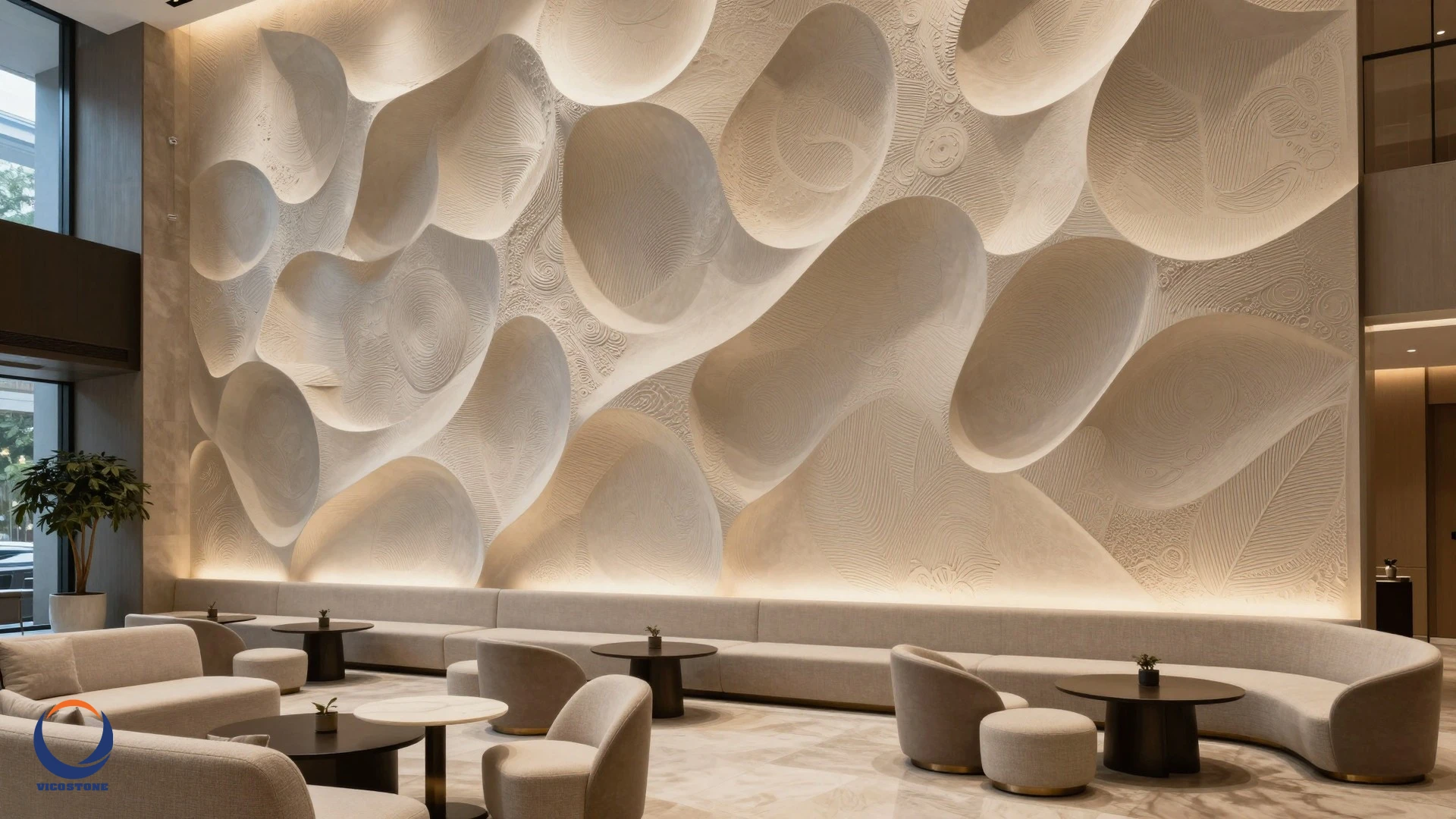
The hospitality industry constantly evolves. Materials play a defining role in shaping both aesthetics and functionality in hotels [1]. For hotel developers, understanding these shifts is crucial. It ensures projects remain competitive and resonate with modern guest expectations. In 2025, hotels are embracing innovative material trends. These trends balance sustainability, durability, and an enhanced guest experience [1]. From eco-friendly alternatives to smart finishes, these materials do more than just improve visual appeal. They also support long-term performance and environmental goals [1].
Design-led thinking has become central to hospitality development [2]. It moves beyond mere aesthetics. Design is now a strategic driver of sustainability, performance, and guest experience [2]. Developers must consider how environmental responsibility, technological integration, and cultural preservation shape new projects [2]. This approach ensures commercial viability and future readiness. The market demands innovative products and diverse offerings. Many developers often replicate existing designs, missing opportunities for differentiation [4]. Therefore, material innovation is not just a trend; it is a strategic imperative.
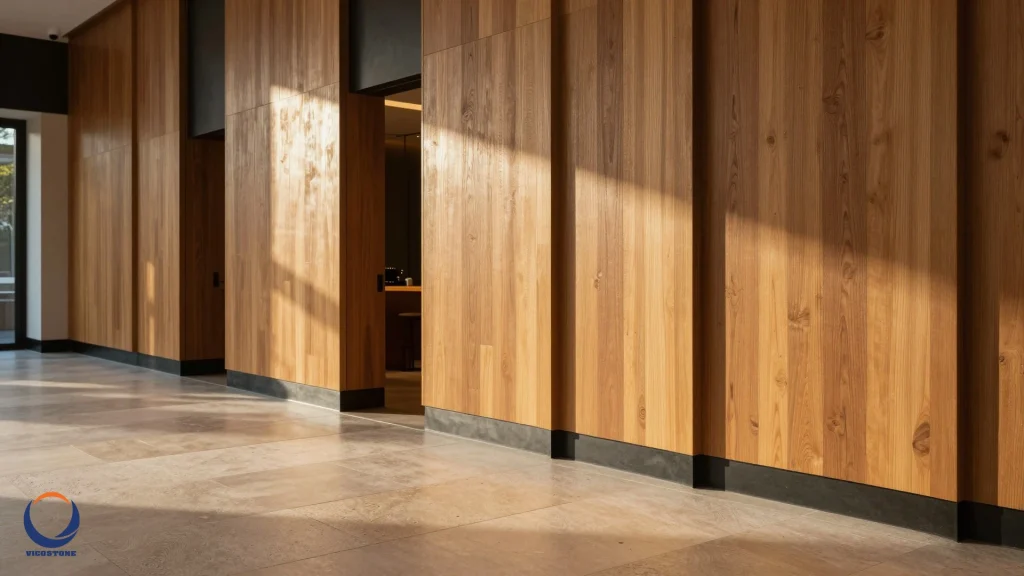
Embracing sustainable material choices
Sustainability is no longer a niche concern. It is a core expectation for guests and a vital consideration for developers. The shift towards eco-conscious materials is transforming hotel interiors. This impacts everything from structural elements to decorative finishes.
Beyond traditional wood: eco-friendly alternatives
Wood has always been a cornerstone of hotel interiors [1]. However, sustainability now drives a significant shift. Hotels are moving beyond traditional hardwood. They adopt engineered products and certified timber [1]. This preserves forests while maintaining luxury aesthetics. These solutions offer durability, consistency, and environmental responsibility [1]. They are ideal for large-scale hospitality projects.
- FSC-certified timber: Hotels increasingly choose timber certified by the Forest Stewardship Council (FSC) [1]. This certification ensures wood comes from responsibly managed forests. It prioritizes conservation and community welfare [1]. Guests appreciate the natural warmth of wood. They also value the reassurance of ethical sourcing [1].
- Engineered wood panels: Products like plywood, MDF, and laminated boards are essential [1]. Manufacturers design these panels to reduce warping, cracking, and inconsistencies. These issues are often found in solid wood [1]. Engineered wood allows for cost-efficient mass production. Designers benefit from a wide range of finishes. These finishes replicate the beauty of natural timber [1].
From net-zero to regenerative design
Sustainability is evolving from mere compliance. It is becoming a proactive contribution [2]. Hotels now explore how developments can actively restore ecosystems. They also strengthen local communities [2]. This includes strategies like regenerative landscaping and water management. Material reuse programs are also gaining traction [2]. These initiatives transform hotels into positive environmental agents. The global shift towards sustainable interior materials is undeniable. The global shift toward sustainable interior materials is a significant trend for developers to monitor. It offers both environmental and reputational benefits.
Prioritizing durability and operational efficiency
Hotel environments experience constant traffic and wear. Therefore, material durability is paramount. Developers must select materials that withstand heavy use. They also need to minimize maintenance costs. This directly impacts operational efficiency and long-term profitability.
High-performance surfaces for lasting luxury
Stone and composite materials continue to dominate hotel interiors [1]. They offer durability, elegance, and versatility. These surfaces withstand heavy use. They also create an atmosphere of sophistication [1]. From grand lobbies to private bathrooms, they blend timeless aesthetics with modern functionality [1]. This gives guests a sense of lasting luxury.
- Natural stone finishes: Marble, granite, and sandstone remain classic choices [1]. Their unique veining and textures bring character. Each installation becomes one-of-a-kind [1]. Lighter tones and honed finishes are especially popular. They create interiors that feel modern yet luxurious [1]. Hotels use natural stone in lobbies, bathrooms, and spa areas. This elevates the guest experience [1].
- The practicality of engineered composites: Quartz and other engineered composites are popular alternatives [1]. They provide a refined look. They also offer greater stain resistance and easier maintenance [1]. This is critical in high-traffic areas. Hotels apply quartz on reception desks, bar counters, and bathroom vanities. This combines elegance with long-term durability [1]. The benefits of engineered stone in commercial projects are clear. The benefits of engineered stone in commercial projects include superior performance and aesthetic flexibility.
Enhancing guest experience through sensory design
The guest experience extends beyond visual appeal. It encompasses touch, comfort, and the overall ambiance. Material innovation plays a pivotal role in crafting these sensory elements. It ensures a memorable and positive stay.
Fabrics and textiles for comfort and ambiance
Textiles are crucial elements in hotel interiors [1]. They directly influence comfort, ambiance, and overall guest perception. In 2025, eco-friendly fabrics and textiles are gaining prominence [1]. These materials offer softness and luxury. They also align with guests' growing environmental consciousness. The market shows a growing trend for wellness-related offerings [4]. This can manifest in various forms. Examples include yoga and meditation retreats or nature-immersed resorts [4]. Textiles contribute significantly to creating these serene environments.
Crafting unique narratives with materials
Materials help shape next-generation hotels through spatial storytelling [3]. Design must deliver meaning, differentiation, and resilience [3]. It is not enough for a space to merely look good. Experiences are curated, not just created [3]. Design becomes a business language. It is a powerful lever in the battle for guest loyalty [3]. Thoughtful material selection reinforces a hotel's unique brand story. It creates a lasting impression on guests.
Seamless integration of smart technology
Modern hotels are increasingly smart. Technology enhances guest convenience and operational efficiency. Material innovation facilitates the seamless integration of these systems. This ensures a high-tech experience without compromising design aesthetics.
Hidden tech and smart infrastructure
Technology-driven design is under scrutiny in the hospitality sector [2]. Hotels increasingly rely on connected systems. These range from predictive building management to occupancy analytics [2]. This session explores how digital infrastructure can be seamlessly embedded. It integrates within architectural and interior frameworks [2]. Operational efficiency must align with a strong visual and spatial identity [2]. EON Tech provides innovative solutions for smart building management systems, ensuring seamless integration of hidden technology within hotel designs. This allows for a sophisticated, unobtrusive technological experience for guests.
Cultural authenticity and local narratives
In a globalized world, local identity offers a unique competitive edge. Material innovation allows hotels to celebrate cultural heritage. It also integrates local narratives into their design. This creates authentic and memorable experiences for guests.
Preserving heritage in modern contexts
Cultural continuity is vital in rapidly modernizing markets [2]. Adaptive reuse and reinterpretation of historic building typologies are key [2]. Speakers discuss how modern energy systems and guest technologies can be introduced. This happens while preserving architectural integrity and strengthening cultural storytelling [2]. This is especially important for heritage-rich destinations. For example, Hanoi, Hue, Hoi An, and Ho Chi Minh City [2].
Materials reflecting local identity
Local narratives and international benchmarks often collide [3]. Design must deliver meaning, differentiation, and resilience [3]. It must do more than just look good. Materials can tell stories. They can connect guests to the local environment and culture. For instance, using locally sourced timber or stone. Or incorporating traditional patterns into textiles. This creates a strong visual and spatial identity [2]. Vietnam's hospitality sector, for example, requires innovative products that cater to diverse travelers [4]. This includes poshtels and entertainment-integrated complexes [4].
The economic imperative: ROI and future-proofing
For hotel developers, material innovation is not merely about aesthetics or sustainability. It is a strategic investment. It directly impacts return on investment (ROI) and future-proofs assets against market changes.
Balancing cost, quality, and sustainability
Developers need real clarity in an industry still learning to live with volatility [3]. Strategic capital and performance-led leadership drive momentum [3]. The Hospitality Vietnam Conference highlights how investment in design drives results [3]. High-quality offerings are crucial for market differentiation [4]. Developers must balance initial material costs with long-term benefits. These benefits include reduced maintenance, energy savings, and enhanced guest appeal. These factors contribute to a stronger financial performance.
Meeting evolving market demands
There is often a shortage of high-quality offerings and product diversity in some markets [4]. Many developers tend to replicate existing designs. They do not adequately consider market trends or product identity [4]. Responding effectively to market dynamics is key to success [4]. The market anticipates a shift towards quality. There is a heightened emphasis on details that contribute to the success and character of resort operations [4]. Material innovation allows developers to create unique, high-value products. These products meet evolving guest expectations and secure a competitive edge.
Conclusion
Material innovation stands as a cornerstone of contemporary hospitality design. It is a strategic imperative for hotel developers. By thoughtfully selecting materials, developers can achieve multiple objectives. They can enhance aesthetic appeal and ensure long-term durability. They can also champion sustainability and integrate smart technology seamlessly. Furthermore, they can weave in rich cultural narratives. This holistic approach creates spaces that are not only beautiful but also highly functional and economically resilient. Embracing these innovative material trends allows developers to craft future-ready hotels. These hotels resonate deeply with guests. They also deliver strong returns on investment in an increasingly competitive market. Therefore, material innovation is not just about what a hotel looks like. It is about how it performs, feels, and connects with its guests and the world around it.
More Information
- FSC-certified timber: Wood products that meet the standards of the Forest Stewardship Council, ensuring they come from responsibly managed forests that prioritize environmental conservation and social benefits.
- Engineered wood panels: Manufactured wood products like plywood or MDF, designed for enhanced stability, consistency, and cost-efficiency compared to solid wood, often used for furniture and interior fittings.
- Quartz and composite materials: Engineered surfaces made from natural quartz minerals combined with resins, offering high durability, stain resistance, and a wide range of aesthetic options, often used as alternatives to natural stone.
- Regenerative design: A design approach that aims to restore, renew, or revitalize sources of energy and materials, going beyond sustainability to actively improve ecosystems and communities.
- Spatial storytelling: The art of conveying a narrative or brand identity through the arrangement, design, and material choices within a physical space, creating an immersive and memorable experience for occupants.