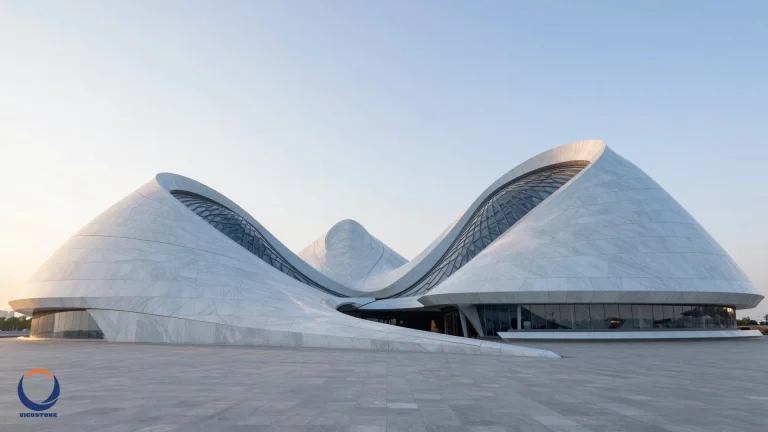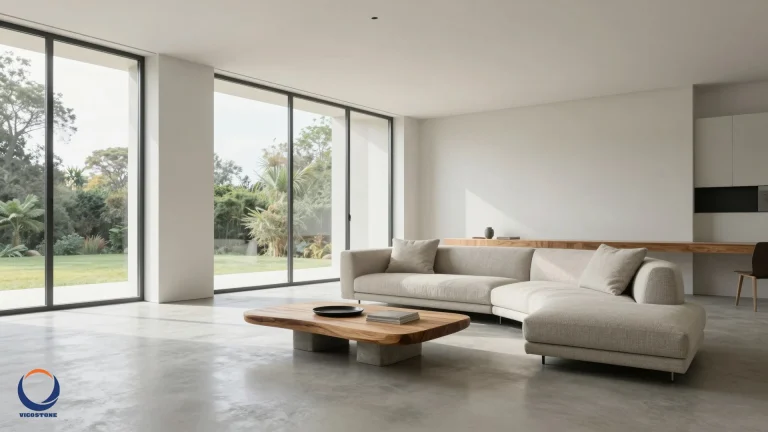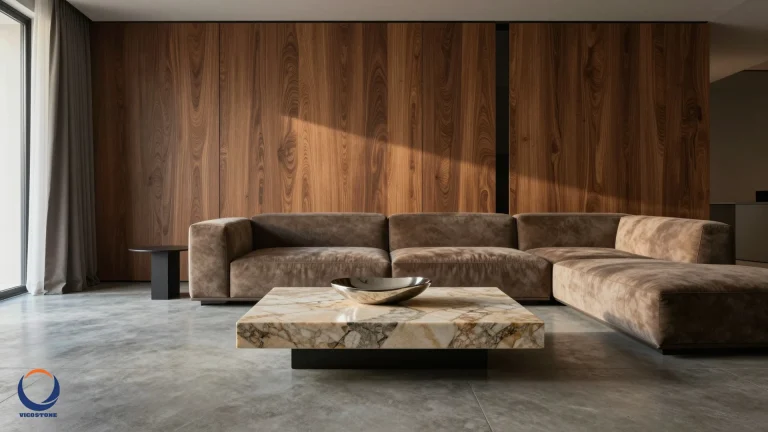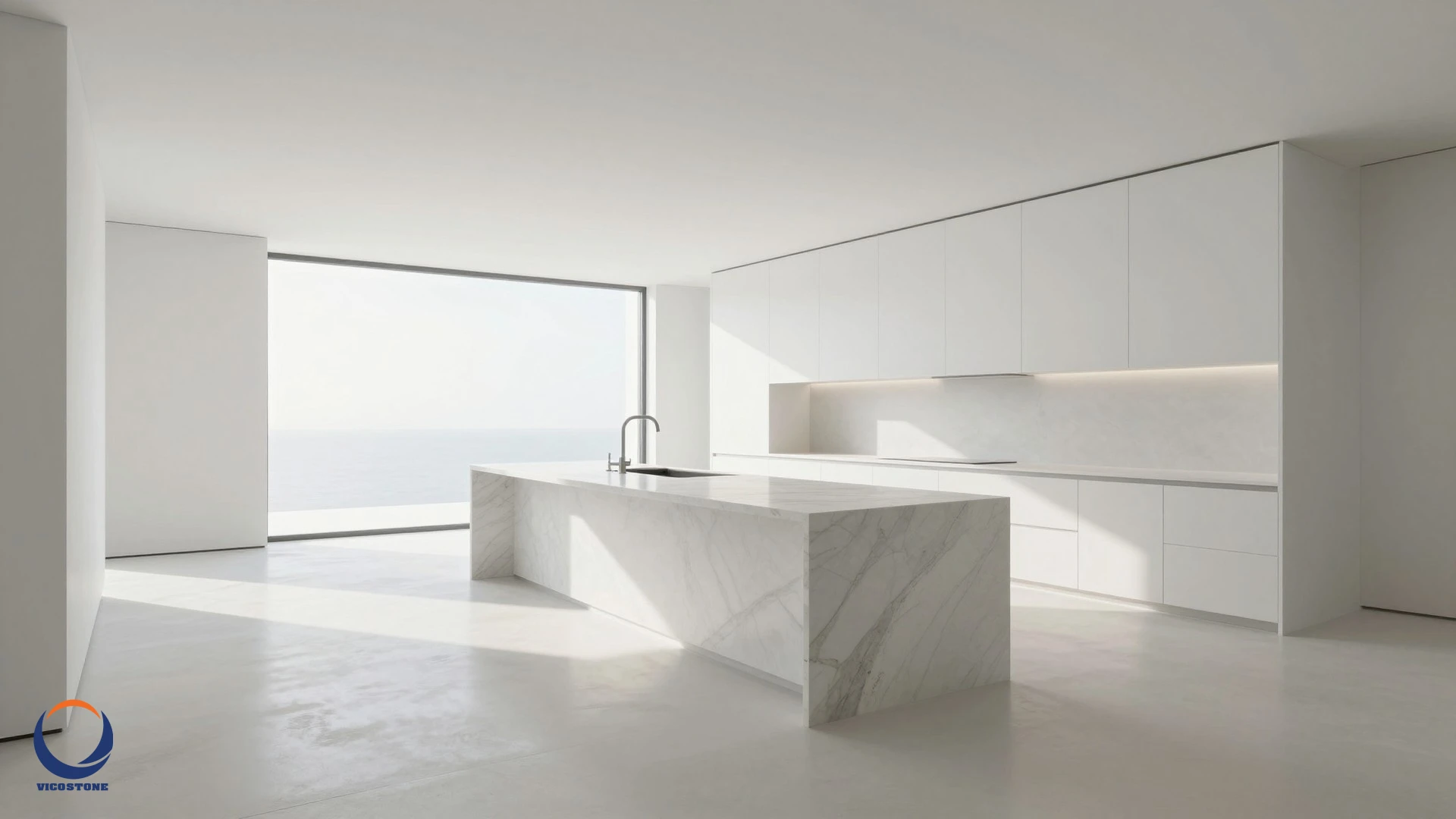
Creating a home that feels both current and enduring is a common aspiration for many homeowners. The desire for spaces that remain stylish, comfortable, and functional for years to come is strong. This pursuit often leads to design choices that transcend fleeting trends. White surfaces, in particular, offer a powerful solution for achieving such a timeless aesthetic in modern homes.
White is more than just a color; it is a foundation. It represents purity, clarity, and a fresh start in any living space [5]. Its ability to brighten rooms and create an expansive feel is unmatched. This article explores how various white surfaces, especially engineered quartz and natural marble, can elevate your home's elegance and functionality. We will delve into their unique characteristics, aesthetic benefits, and practical advantages for contemporary living.
The enduring appeal of white in modern design
White has long been a cornerstone of sophisticated interior design. Its universal appeal stems from its incredible versatility. White effortlessly complements any color palette or material, providing a clean backdrop that allows other elements to shine. This makes it an ideal choice for homeowners seeking a flexible design foundation.
Moreover, white surfaces contribute significantly to a sense of spaciousness and light. They reflect both natural and artificial light, making rooms appear larger and more open [2]. This quality is particularly valuable in modern homes, where open-plan living and abundant natural light are often key design principles. White evokes a feeling of calm and order, promoting a serene atmosphere that enhances daily living.
White quartz: the epitome of modern elegance
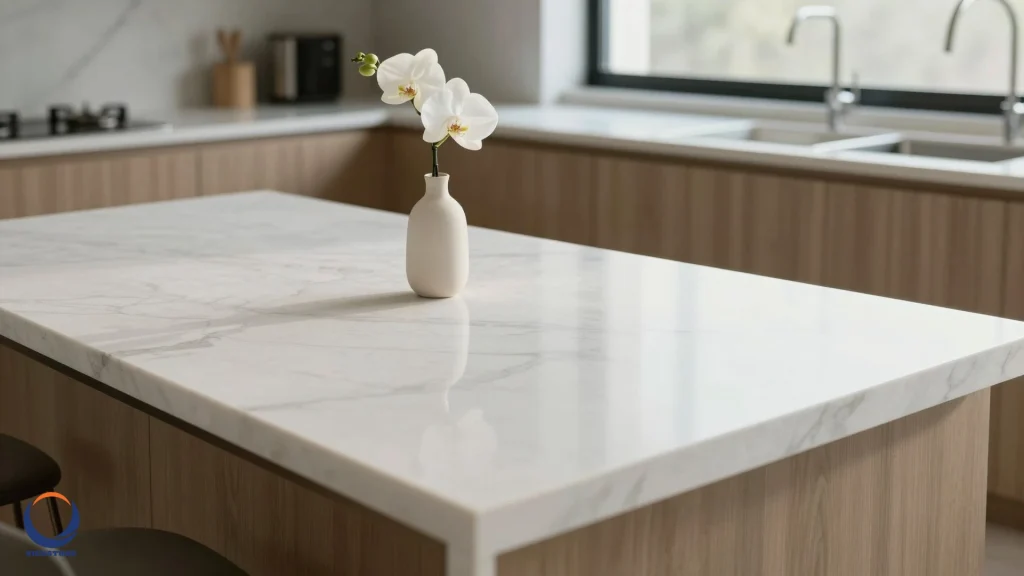
White quartz has emerged as a top choice for contemporary kitchens and bathrooms. It offers a perfect blend of aesthetic appeal and practical benefits. This engineered stone combines natural quartz minerals with resins, resulting in a highly durable and non-porous surface [5]. Homeowners appreciate its consistent color and pattern, which are difficult to achieve with natural stones.
Understanding white quartz characteristics
Quartz is one of the hardest minerals on Earth, rated 7 on the Mohs scale. This inherent hardness translates into exceptional resistance to scratches, chips, and cracks [5]. Unlike natural stone, engineered white quartz is non-porous. This means it repels stains from coffee, wine, and grease, preventing moisture and bacteria buildup [5]. These characteristics make it a hygienic and long-lasting option for busy households.
Furthermore, white quartz requires minimal maintenance. It never needs sealing, waxing, or special treatments. Daily cleaning with mild soap and water is typically sufficient to keep it looking new [5]. This low-maintenance aspect is a significant advantage for homeowners seeking both beauty and convenience. It contrasts sharply with materials like marble, which often require more diligent care.
Aesthetic versatility and design impact
White quartz comes in an impressive array of hues, patterns, and finishes [2]. You can find pure white surfaces for a minimalist look or options with subtle veining and speckled patterns. Dramatic Calacatta patterns, with their flowing movement, are particularly popular for large kitchen islands [5]. These variations allow white quartz to seamlessly integrate into diverse kitchen designs.
The reflective qualities of white quartz also play a crucial role in enhancing light. By bouncing light throughout the space, it brightens kitchen areas. This creates an airy, welcoming environment, ideal for modern living [2]. Its stable bright tone helps kitchens look clean and fresh for years [5]. This material truly brings a sense of purity and order to any home.
The timeless luxury of white marble
For centuries, marble has symbolized luxury and sophistication. White marble, in particular, offers an unparalleled elegance that remains highly sought after. Its unique beauty and high quality make it a popular choice for both residential and commercial spaces [4]. Sourced from the finest quarries, white marble tiles offer excellent durability and smooth surfaces.
Diverse types of white marble for every taste
White marble presents a spectrum of distinct features, allowing for personalized design choices. Each type brings its own character to a space Vietnamese white marble tiles. For instance, Pure White marble features a pristine surface with minimal veining, creating a clean, sleek, and modern aesthetic. It is perfect for minimalist and luxurious spaces that aim for an airy feel [4].
Milky White marble, conversely, offers a soft, warm tone. It adds a gentle, soothing feel to any room. Cloudy White tiles showcase light, cloud-like veins, creating a mystical and natural beauty [4]. Skyline White marble has a bright background with delicate veins, evoking an elegant, vast open sky. For a bolder statement, Gray Vein White marble features striking gray veins against a white base, adding strong character [4]. Lastly, Semi White marble provides a warm, off-white hue, offering a cozy yet sophisticated ambiance. These varieties ensure a perfect match for any design vision.
Applications and aesthetic impact
White marble tiles are incredibly versatile. They are suitable for various applications, including flooring, wall cladding, kitchen countertops, and decorative accents [4]. From luxurious bathrooms to sophisticated lobbies, white marble adds timeless beauty. Its subtle, elegant patterns enhance the visual appeal of any room, creating a refined atmosphere.
The natural variations in veining and tone mean that each marble slab is unique. This uniqueness adds an exclusive touch to your home. While natural marble requires more care than engineered quartz, its unparalleled beauty and prestige are often worth the investment for those seeking true luxury. For those interested in the broader discussion of materials, exploring engineered stone vs marble: which surface fits your lifestyle? can provide further insights.
Designing with timeless white surfaces
Integrating white surfaces into your home design requires thoughtful consideration. The goal is to create a cohesive and inviting environment. White’s inherent versatility makes it easy to pair with various design styles. Whether your home is minimalist, modern, or even traditional, white surfaces can enhance its character.
Complementing materials and color palettes
White surfaces blend seamlessly with a wide range of materials. Consider pairing white quartz or marble with warm wood cabinetry for a balanced look. Stainless steel appliances and glass elements also complement white beautifully, enhancing a modern aesthetic [2]. The simplicity of white allows textures and finishes of other materials to stand out.
When selecting white quartz countertop colors, consider how the slab interacts with your cabinetry [5]. Dark cabinets pair well with bright slabs, creating striking contrast. Light cabinets, on the other hand, benefit from soft veining or warm tones, maintaining a harmonious flow. These choices contribute significantly to the overall design expression of your kitchen. The EON Tech approach to material innovation often emphasizes this balance.
Creating visual harmony and an inviting environment
White surfaces are excellent for establishing visual harmony. They provide a continuous, clean line that unifies different areas of a room. This creates a sense of calm and order, which is essential for modern living. The reflective qualities of white also contribute to an airy and welcoming atmosphere [2]. This makes spaces feel more open and less cluttered.
To further enhance the inviting nature of white spaces, incorporate varying textures. Think about soft textiles, natural wood accents, or metallic finishes. These elements add depth and interest without overwhelming the clean aesthetic. White surfaces create a foundation that feels both sophisticated and comfortable. They truly bring a "fresh start" feeling to any kitchen [5].
Maintenance and longevity of white surfaces
The decision to invest in white surfaces for your home is a long-term one. Therefore, understanding their maintenance requirements and longevity is crucial. Engineered white quartz stands out for its exceptional durability and ease of care. Its non-porous nature means it resists stains and scratches far better than many natural stones white quartz remains the top choice. This makes it an ideal choice for high-traffic areas like kitchens.
For daily cleaning, white quartz typically only requires mild soap and water [5]. There is no need for special sealants or harsh chemicals, which simplifies upkeep. This low-maintenance aspect ensures that your white surfaces retain their pristine appearance for many years. Their longevity makes them a sound investment for any modern home. This is a key benefit for busy families seeking the benefits of low-maintenance kitchen surfaces.
While natural white marble requires a bit more attention, its enduring beauty is often worth the effort. Marble is porous, so it benefits from regular sealing to prevent stains. Spills should be wiped up promptly to avoid etching. With proper care, white marble surfaces can last for generations, developing a beautiful patina over time. Both materials, when chosen wisely, offer lasting beauty and functionality.
The true meaning of "timeless" in home design
The concept of "timeless" in design refers to elements that possess an enduring quality. They transcend fleeting trends and remain relevant and beautiful through changing eras. White surfaces embody this principle perfectly. Their simplicity, versatility, and inherent elegance ensure they never go out of style. They offer a foundation that adapts to evolving tastes and lifestyles.
The pursuit of timelessness extends beyond home decor, influencing various aspects of life. It can be seen in enduring narratives like those found in certain American television series [1]. It also applies to the lasting appeal of quality products, such as effective skincare formulations that promise enduring beauty Timeless Skin Care[3]. In home design, choosing timeless elements means investing in lasting value and aesthetic satisfaction.
White surfaces create a backdrop that allows personal style to flourish without being constrained by temporary fads. They offer a sense of calm and sophistication that contributes to a truly elegant home. This enduring quality makes them a wise choice for any homeowner looking to create a space that feels both modern and eternally chic. Ultimately, timeless design is about creating spaces that feel right, always.
Conclusion
White surfaces are an exceptional choice for homeowners seeking timeless aesthetics in elegant modern homes. Materials like engineered white quartz and natural white marble offer a powerful combination of beauty, versatility, and durability. They brighten spaces, create a sense of openness, and provide a clean, sophisticated backdrop for any design scheme.
From the low-maintenance practicality of quartz to the luxurious prestige of marble, white surfaces cater to diverse needs and preferences. Their ability to complement various materials and color palettes ensures they remain relevant for years to come. By choosing white, you are not just selecting a color; you are investing in an enduring design philosophy. This choice creates a home that is both beautiful and functional, a true testament to timeless elegance.
More Information
- Timeless (concept): Refers to something that is not affected by the passage of time or changing trends; enduring. In design, it signifies elements that maintain their appeal and relevance across different eras and styles.
- Engineered Quartz: A man-made surface material composed of crushed natural quartz minerals (typically 90-95%) combined with polymer resins, pigments, and other additives. It is known for its durability, non-porous nature, and consistent appearance.
- Aesthetic Versatility: The ability of a material or design element to adapt and complement a wide range of styles, color palettes, and other materials, making it suitable for diverse applications and preferences.
- White Marble: A natural stone prized for its luxurious appearance, unique veining, and luminous quality. It is formed from recrystallized carbonate minerals and is commonly used for countertops, flooring, and decorative elements in high-end design.
- Non-Porous Surface: A material characteristic indicating that the surface does not have tiny holes or gaps, preventing liquids, stains, and bacteria from penetrating. This property contributes to hygiene and ease of cleaning, particularly in kitchen and bathroom applications.