Modern interior design constantly evolves. It seeks to blend aesthetics with comfort. One prominent trend capturing this balance is Warm Minimalism [1]. This style moves beyond the starkness of traditional minimalism. It embraces a human-centric approach to design. It measures beauty by feeling rather than just form.
Traditional minimalism, with its clean lines and neutral palettes, often felt cold and impersonal [3]. Warm Minimalism emerged to soften this aesthetic. It infuses spaces with coziness and a welcoming vibe. It achieves this through earthy tones, natural materials, and tactile surfaces [1]. This article explores how to master Warm Minimalism by expertly pairing wood and engineered stone, creating spaces that are both refined and deeply inviting.
Understanding the essence of warm minimalism
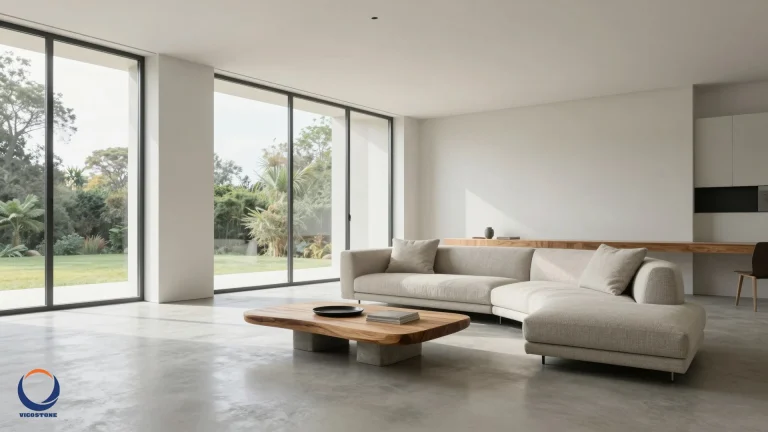
Warm Minimalism is a modern design philosophy. It combines minimalist principles with a sense of warmth and intimacy [1]. It prioritizes emotional connection alongside functionality. Unlike traditional minimalism, which often uses cool colors and flat surfaces, Warm Minimalism uses natural materials and warm neutral palettes [1]. Soft lighting further enhances the inviting atmosphere.
This style isn't accidental. It reflects a natural evolution in post-modern design. As homes became multi-functional hubs post-pandemic, the need for comforting yet uncluttered spaces grew. Warm Minimalism provides this much-needed balance [1]. It offers tranquility in busy modern life [2].
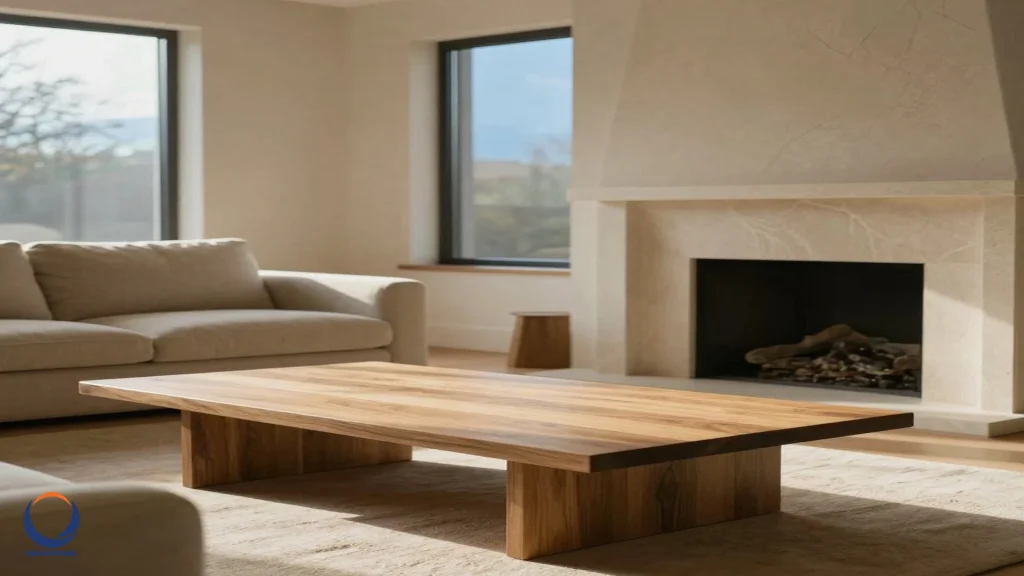
Key characteristics of warm minimalist design
Several elements define Warm Minimalism. These ensure a harmonious and inviting space. Firstly, warm neutral color palettes are essential. Think beige, cream, soft greys, and earthy tones like olive green or terracotta [2]. These colors form a soothing backdrop.
Secondly, natural and organic materials are paramount. Wood, stone, linen, cotton, and wool are frequently used [2]. These materials add texture and depth. Thirdly, the design emphasizes open, airy spaces with minimal clutter. Natural light is maximized to enhance the sense of calm [3]. Finally, the style fosters a sense of intimacy and relaxation, balancing simplicity with comfort [2].
Wood: the foundation of organic warmth
Wood is indispensable in Warm Minimalism. It brings an unparalleled sense of organic warmth and natural beauty. Its diverse grains and tones add visual interest. It also connects interiors to the natural world. This biophilic element is crucial for creating a calming environment.
Designers often opt for lighter wood tones. Think oak, maple, or birch. These woods keep spaces bright and airy. Reclaimed wood also adds character and a story to the design. The finish matters too; matte or natural oil finishes preserve the wood's inherent texture. They avoid overly glossy or artificial looks.
Applications of wood in warm minimalist spaces
Wood can be integrated in many ways. Flooring is a classic application. Wide plank wood floors provide a seamless and warm base. They instantly ground a room. For furniture, simple, well-crafted pieces in natural wood are preferred. Consider a solid wood dining table or a minimalist bed frame.
Wood also shines as an accent. Wall panels or slatted features add architectural interest. They introduce texture without overwhelming the space. Cabinetry in kitchens and bathrooms often features wood. It brings softness to functional areas. This material choice helps minimalist kitchens feel warm and luxurious.
Engineered stone: modern elegance and practicality
Engineered stone offers a perfect counterpoint to wood. It provides modern elegance and exceptional practicality. This material is a composite of natural stone particles, resins, and pigments. It creates a highly durable and versatile surface. Its consistency and strength make it ideal for high-traffic areas.
The benefits of engineered stone are numerous. It is non-porous, making it resistant to stains and bacteria. This also means it requires very little maintenance. Its durability ensures longevity, making it a sustainable choice for interiors. Furthermore, engineered stone comes in a vast array of colors and patterns. This versatility allows for precise design matching.
Complementing wood with engineered stone
Engineered stone beautifully complements wood. It offers a smooth, sophisticated contrast. While wood provides organic texture, engineered stone delivers a refined, uniform finish. This pairing creates a dynamic interplay of textures. It prevents spaces from looking too rustic or too sterile.
For Warm Minimalism, select engineered stone with subtle patterns. Earthy tones or soft, muted colors work best. Look for options with delicate veining or speckles. These mimic natural stone without being overly dramatic. They maintain the calm and understated aesthetic. Such choices enhance the overall serene atmosphere.
Applications of engineered stone in warm minimalist design
Engineered stone is highly versatile. It is a popular choice for kitchen countertops and backsplashes. Its durability stands up to daily use. In bathrooms, engineered stone vanity tops create a spa-like feel. They combine luxury with easy cleaning. The evolution of countertop materials has seen engineered stone rise in prominence The evolution of countertop materials in modern homes.
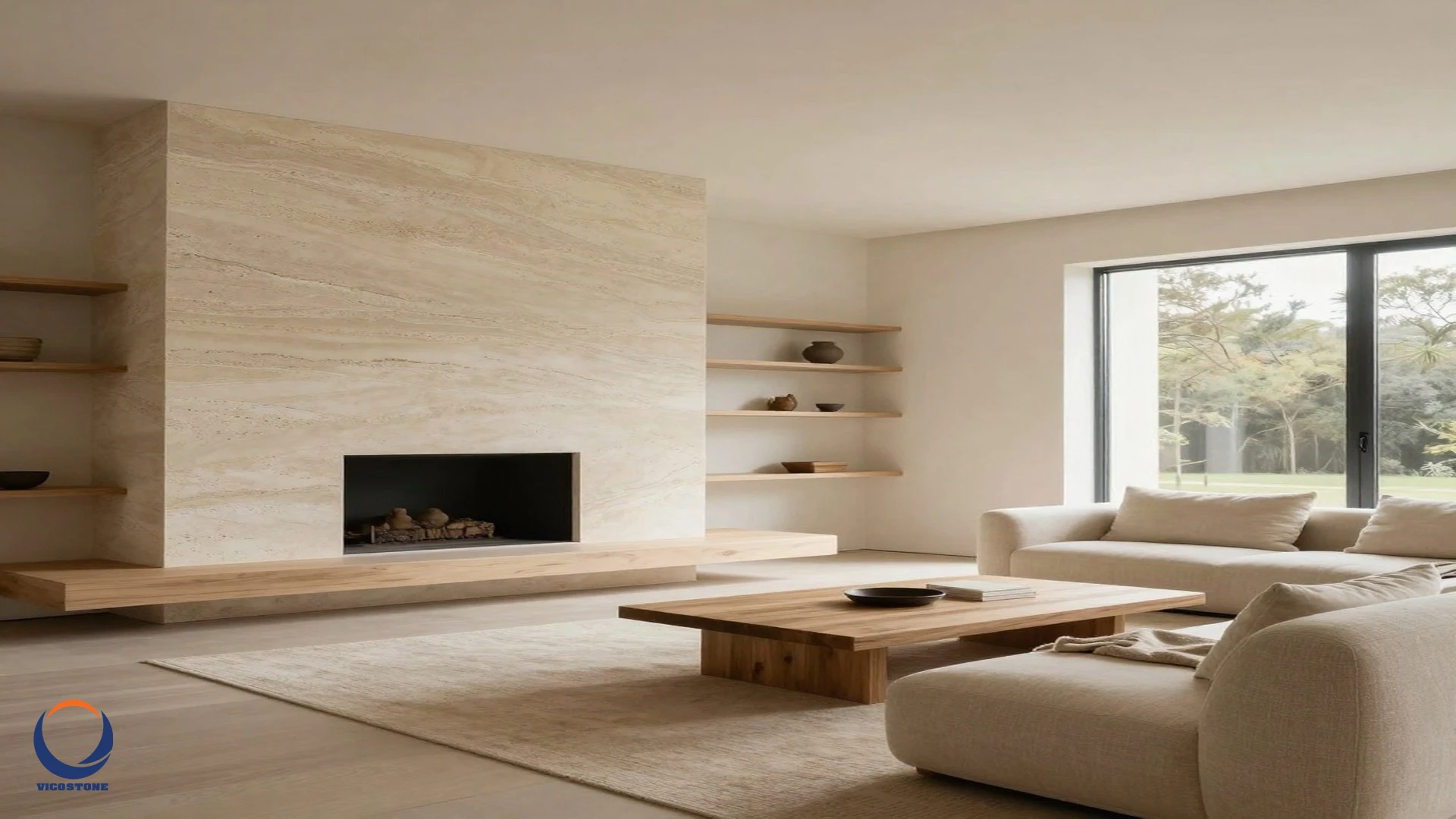
Beyond these common uses, engineered stone can also feature in living areas. Consider a sleek fireplace surround or a minimalist coffee table top. Some designers even use it for wall cladding or feature walls. These applications add a touch of understated luxury. They contribute to the clean lines of minimalist design.
The perfect pairing: wood and engineered stone in harmony
The true magic of Warm Minimalism lies in the harmonious pairing of wood and engineered stone. These materials, seemingly disparate, create a balanced and inviting environment. Wood brings warmth and organic texture. Engineered stone adds modern sophistication and resilience. Together, they form a cohesive design language.
Consider a kitchen with natural oak cabinetry and a light-colored engineered stone countertop. The wood provides a soft, inviting base. The stone offers a durable, elegant work surface. This combination is both beautiful and highly functional. It exemplifies the core tenets of Warm Minimalism. This careful selection of materials is something EON Tech often highlights in their design recommendations.
Creating visual interest through contrast and texture
The contrast between wood and engineered stone adds visual depth. The rougher, natural grain of wood plays against the smooth, polished surface of stone. This textural interplay stimulates the senses. It makes a minimalist space feel richer and more dynamic. It avoids the monotony sometimes associated with traditional minimalism.
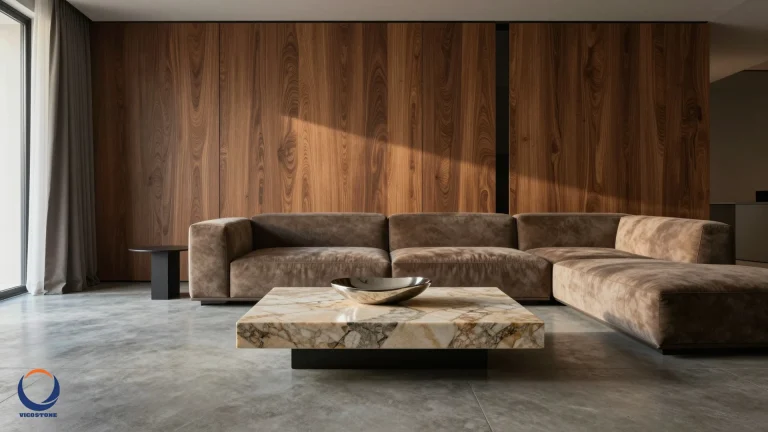
For instance, a living room might feature a large, natural wood coffee table. This could be paired with an engineered stone console table. The differing textures create subtle interest. They maintain a sense of calm. This thoughtful combination ensures the space feels curated, not sparse.
Designing specific spaces with wood and engineered stone
Integrating these materials effectively requires careful planning for each room. Each space has unique needs and functions. Tailoring the application ensures both beauty and practicality.
Living room: comfort and sophistication
In the living room, wood furniture creates a cozy foundation. A solid wood media console or shelving unit adds warmth. Pair these with an engineered stone fireplace surround. This creates a focal point that is both elegant and durable. A minimalist coffee table with a wood base and an engineered stone top can also tie the elements together. Soft textiles like linen or wool throws further enhance comfort.
Kitchen: functional beauty
The kitchen is often the heart of the home. Here, engineered stone excels as a countertop material. Its durability and ease of cleaning are unmatched. Combine it with wood cabinetry for a classic Warm Minimalist look. Light wood tones keep the space bright. A large kitchen island with an engineered stone top and a wood base becomes a central gathering point. This blend offers both aesthetic appeal and high functionality.
Bedroom: serene sanctuary
Bedrooms should be havens of tranquility. Wood is ideal for bed frames and nightstands. It brings a natural, calming presence. Consider an engineered stone accent wall behind the bed. This adds a touch of understated luxury. It creates a serene focal point. Keep bedding simple, using natural fabrics like linen or organic cotton. This reinforces the minimalist aesthetic.
Bathroom: spa-like retreat
In bathrooms, engineered stone is a practical choice for vanity tops and shower surrounds. Its water resistance and easy maintenance are perfect for wet environments. Introduce wood through a floating vanity or open shelving. This softens the hard surfaces of the stone. It adds a touch of natural warmth. A large, frameless mirror enhances the minimalist feel. It also reflects light, making the space feel larger.
Beyond materials: completing the warm minimalist look
While wood and engineered stone are foundational, other elements complete the Warm Minimalist aesthetic. These details ensure a cohesive and inviting environment.
Thoughtful lighting and textiles
Lighting plays a crucial role. Maximize natural light with sheer curtains or blinds. Supplement with soft, diffused artificial lighting. Warm-toned LED lights or dimmable fixtures create a cozy ambiance. Textiles add texture and comfort. Choose natural fibers like linen, wool, or cotton for throws, rugs, and upholstery. These materials invite touch and add depth.
Curated decor and greenery
Decor in Warm Minimalism is sparse but intentional. Each piece should serve a purpose or evoke an emotion. Avoid clutter; instead, select a few high-quality, meaningful items. Indoor plants are essential. They bring life and freshness into the space. They reinforce the connection to nature. This thoughtful curation is a hallmark of premium design.
Embracing the warm neutral palette
Revisit the color palette. Warm neutrals form the backbone of the design. Beige, cream, soft grey, and off-white are primary colors. Introduce subtle accents with earthy tones. Terracotta, muted greens, or soft blues can provide gentle contrast. These colors contribute to the overall sense of calm and warmth. They ensure the space feels inviting, not stark.
Sustainability and longevity in warm minimalism
Warm Minimalism aligns well with sustainable living. It prioritizes quality over quantity. This reduces waste and promotes longevity. When sourcing wood, opt for responsibly harvested or reclaimed options. This supports eco-friendly practices. Engineered stone, with its durability, is also a sustainable choice. Its long lifespan means less frequent replacement.
Choosing durable materials like engineered stone also contributes to a healthier home. Its non-porous surface inhibits mold and mildew growth. This creates a cleaner living environment. By investing in timeless designs and quality materials, you create spaces that endure. They remain beautiful and functional for years to come. This approach reduces the environmental impact of frequent renovations.
Conclusion: creating inviting spaces with timeless appeal
Warm Minimalism offers a refreshing take on modern design. It marries the simplicity of minimalism with a profound sense of comfort. The strategic pairing of wood and engineered stone is central to this aesthetic. Wood brings organic warmth, texture, and a connection to nature. Engineered stone provides sleek sophistication, durability, and low maintenance.
Together, these materials create balanced, functional, and deeply inviting interiors. They transform houses into homes. They are sanctuaries from the demands of modern life. By embracing Warm Minimalism, you craft spaces that are not only beautiful but also foster well-being and a lasting sense of peace.
More information
- Warm Minimalism: An interior design style that blends the clean lines and simplicity of traditional minimalism with natural materials, warm color palettes, and tactile textures to create inviting and comfortable spaces.
- Engineered Stone: A composite material made from crushed natural stone (like quartz or marble), resins, and pigments. It offers high durability, low maintenance, and a wide range of aesthetic options, making it ideal for countertops and surfaces.
- Biophilic Design: An architectural and interior design approach that seeks to connect building occupants more closely to nature. It uses natural light, materials, and elements to improve well-being and reduce stress.
- Tactile Textures: Surfaces or materials that are appealing to the sense of touch, adding depth and sensory richness to an interior space. Examples include rough wood, soft linen, or smooth stone.
- Neutral Palette: A range of colors that are not typically found on the color wheel, such as beige, cream, grey, brown, and off-white. These colors provide a calming backdrop and allow other design elements to stand out.