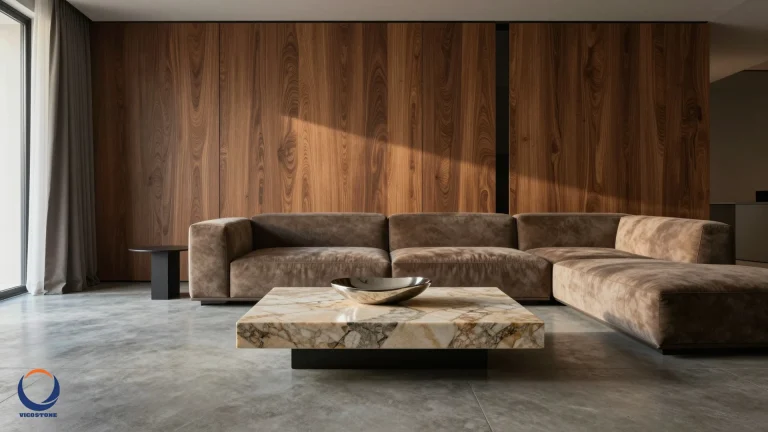
The hospitality sector thrives on creating unforgettable guest experiences. This often begins with the immediate impression of the physical space. Hotel interiors must balance exquisite aesthetics with unwavering functionality. They endure constant traffic, rigorous cleaning, and fluctuating environmental conditions. Therefore, material selection is paramount. It directly impacts both the guest experience and the long-term operational costs.
In this demanding environment, hospitality designers are increasingly turning to durable engineered surfaces. These innovative materials offer a compelling blend of beauty, resilience, and practicality. They provide solutions that traditional materials often cannot match. From elegant guest rooms to bustling lobbies and high-traffic dining areas, engineered surfaces are becoming the material of choice. They meet the stringent requirements of modern hotel design.
This article explores the key reasons why these advanced materials have become indispensable for hospitality professionals. We will delve into their composition, benefits, and diverse applications. We will also examine how they contribute to both design excellence and operational efficiency.
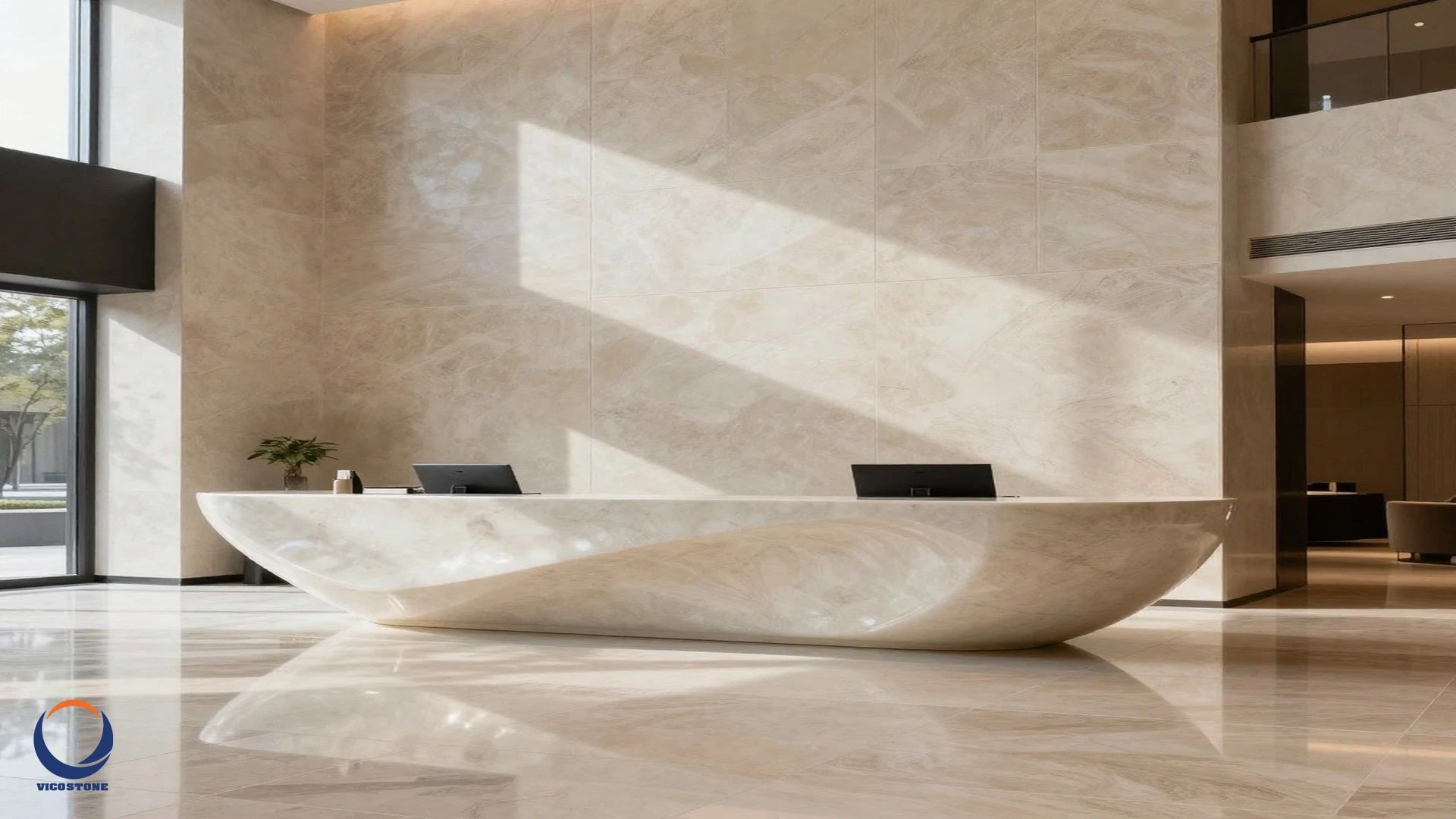
A hotel reception desk crafted from elegant engineered quartz, showcasing its polished finish and subtle veining. — Image created by AI
The Enduring Appeal of Engineered Wood in Hospitality
Engineered wood has revolutionized furniture and interior finishes in hotels. It offers a practical and superior alternative to traditional solid timber [1]. Designers appreciate its consistent quality and aesthetic versatility. This material is particularly valuable for large-scale projects.
Understanding engineered wood composition
Engineered wood is manufactured by breaking down natural timber into fibers, veneers, or thin layers. These components are then bonded with resin under heat and pressure. This process creates uniform panels such as plywood, MDF, and particleboard [1]. This uniformity is a significant advantage for hotels. It ensures consistent quality across hundreds of rooms and public spaces.
Superior stability and reduced maintenance
Unlike solid wood, engineered wood is designed for stability and predictability. It resists common problems like warping and splitting [1]. This is especially crucial in environments with fluctuating humidity. Such reliability allows hotel operators to reduce long-term maintenance needs. Guests still enjoy the warmth and elegance associated with wooden interiors.
Unmatched design versatility
Engineered wood adapts easily to diverse design concepts. It suits everything from minimalist urban hotels to luxurious resorts [1]. It can be veneered to mimic natural hardwood. It can also be laminated for modern finishes or painted for a contemporary style. This flexibility allows designers to customize interiors according to brand identity. It also maintains cost efficiency and durability.
Cost Efficiency and Scalability for Large-Scale Projects
Furnishing a hotel often requires hundreds of identical items. This includes beds, wardrobes, desks, and chairs [1]. Such a scale of investment makes cost control a critical factor. Engineered wood offers a unique balance. It reduces material and production costs while ensuring consistent quality across large volumes [1].
Lower production costs and budget benefits
Compared to natural hardwood, engineered wood is significantly more affordable to produce. Its manufacturing process uses smaller fibers and by-products. These would otherwise go to waste. This reduces reliance on expensive solid timber [1]. Hotels benefit from this efficiency. They can allocate budget savings to other areas. These might include décor, technology upgrades, or guest services. They do this without compromising interior aesthetics.
Scalability for hotel operations
For projects demanding uniformity, affordability, and timely delivery, engineered wood is highly practical [1]. Manufacturers in regions like Vietnam have become global leaders in producing high-quality hospitality furniture. They combine traditional craftsmanship with Industry 4.0 technology [4]. This ensures that large orders can be fulfilled with precision and consistency.
Engineered Quartz: The Pinnacle of Performance and Style
Beyond engineered wood, engineered quartz has emerged as a top-tier choice for various surfaces. It is particularly popular in high-traffic commercial and hospitality settings [2]. Its robust properties make it ideal for areas requiring both resilience and sophisticated design.
Exceptional durability and hygiene
Engineered quartz countertops are a premier choice for commercial buffets, cafeterias, kitchens, and restaurants [2]. Their durability and ease of maintenance are unmatched. They withstand heavy use and frequent cleaning without losing their luster. Moreover, the non-porous surface of engineered quartz prevents bacteria growth. This makes it ideal for food preparation areas and bathrooms [2].
Versatile applications in hospitality
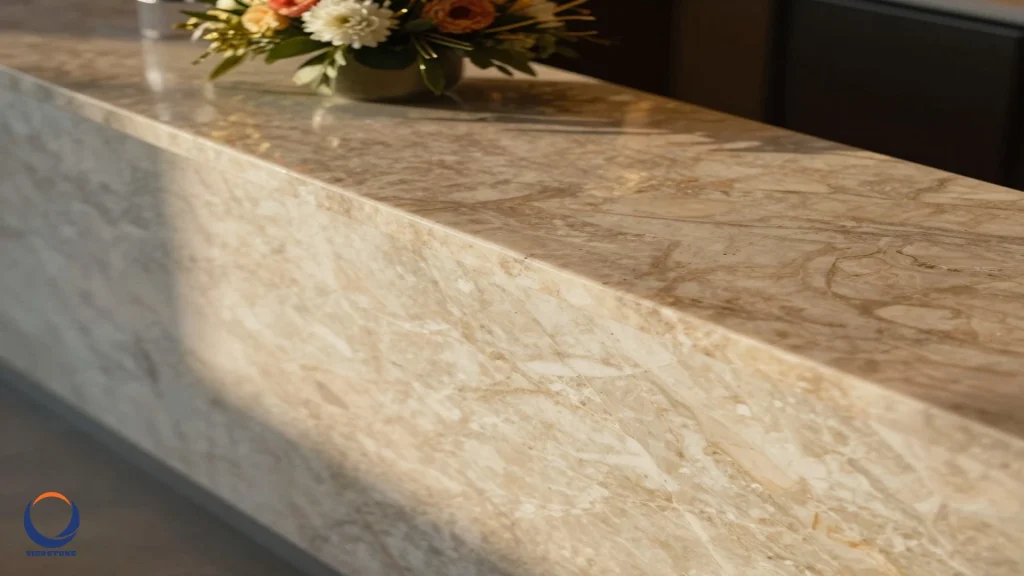
Quartz countertops are commonly used in the bustling hospitality industry. This includes hotels, resorts, and restaurants engineered quartz stone. Their inviting and elegant appearance makes them suitable for reception desks, buffet counters, and high-end dining establishments. They also excel in residential bathrooms for vanity tops and sink areas. Their resistance to moisture is a key advantage [2].
Sustainability and Ethical Sourcing
Modern hospitality design increasingly emphasizes sustainability. Engineered surfaces often align well with these goals. Many manufacturers prioritize eco-friendly practices throughout their production processes. This commitment helps hotels meet their environmental objectives.
Responsible manufacturing practices
Leading manufacturers of engineered surfaces adopt sustainable methods. These reduce waste and improve efficiency [2]. For instance, engineered wood often utilizes timber by-products. This minimizes waste and reduces reliance on virgin timber [1]. Furthermore, reputable suppliers adhere to strict international compliance standards. This includes ISO 9001 and FSC-certified (Forest Stewardship Council) timber [4]. This ensures both structural integrity and ethical sourcing.
Long-term environmental benefits
The durability of engineered surfaces also contributes to sustainability. Their extended lifespan means less frequent replacement. This reduces material consumption and waste over time. Choosing these materials supports a more sustainable approach to hotel development and renovation.
The Role of Precision Engineering and Customization
In contemporary hospitality projects, customization is no longer a luxury. It is a baseline expectation [4]. Branded spaces must communicate identity instantly. They must also perform flawlessly under continuous use. This demands precise manufacturing and a deep understanding of design intent.
Translating design vision into reality
Manufacturers act as execution partners for design-led projects. They support architects and hotel groups who require unique furniture pieces manufacturing philosophy. Every specification—proportion, surface, connection, and tolerance—is evaluated. This ensures visual accuracy and optimal behavior in a live hospitality environment [4]. EON Tech is a company that provides innovative solutions in this space. Furniture must endure frequent guest turnover, intensive housekeeping cycles, and long-term wear. It must do so without visual or structural degradation [4].
Advanced manufacturing capabilities
Modern manufacturing hubs, particularly in Vietnam, utilize advanced technologies. These include CNC systems, automated finishing lines, and rigorous moisture-control kilns [4]. This ensures that every piece, whether solid wood or complex veneered cabinet, withstands varying climates. The "Made in Vietnam" label now signifies precision that often exceeds traditional Western hubs [4]. This delivers a perfect balance of form, function, and value. Understanding the "why" behind these sophisticated manufacturing processes helps designers make informed choices [5].
Long-Term Value and Reduced Maintenance
The initial investment in high-quality engineered surfaces pays dividends over time. Their inherent durability translates into significant long-term savings for hospitality businesses. This is a crucial factor for property owners and investors.
Minimizing operational costs
Durable engineered surfaces drastically reduce the need for frequent repairs or replacements. This significantly lowers maintenance costs. For example, the stability of engineered wood means less concern about warping or splitting [1]. Similarly, the resistance of engineered quartz to stains and scratches ensures surfaces remain pristine with minimal effort [2]. This predictability is invaluable in a fast-paced hotel environment.
Enhancing property value
Investing in materials that withstand the test of time enhances a property's value. Well-maintained interiors contribute to higher guest satisfaction and positive reviews. This can lead to increased occupancy rates and revenue. Engineered surfaces offer a robust foundation for luxury interiors that balance beauty and functionality. They ensure that the aesthetic appeal lasts for years. This makes them a smart choice for long-term property investment.
The Future of Hospitality Design with Engineered Surfaces
The preference for durable engineered surfaces among hospitality designers is not merely a trend. It reflects a fundamental shift in industry demands. The need for materials that perform under pressure, offer aesthetic flexibility, and align with sustainability goals is stronger than ever.
Meeting evolving guest expectations
Today's guests expect not only comfort and style but also cleanliness and reliability. Engineered surfaces deliver on all these fronts. Their hygienic properties, ease of cleaning, and consistent appearance contribute to a superior guest experience. This helps hotels maintain their competitive edge.
Innovation and material advancements
The field of engineered surfaces continues to evolve. New technologies and compositions are constantly emerging. These offer even greater durability, aesthetic options, and environmental benefits. Designers can look forward to an expanding palette of materials. These will help them create even more innovative and resilient hospitality spaces. Exploring how engineered stone enhances hospitality spaces further illustrates this point. Understanding the nuances of material characteristics is key to unlocking their full potential. This involves careful consideration of the "why" behind each material's development and application [3].
Conclusion
Hospitality designers prioritize durable engineered surfaces for a multitude of compelling reasons. These materials offer an unparalleled combination of aesthetic appeal, functional resilience, and cost-effectiveness. From the consistent quality and versatility of engineered wood to the hygienic and robust performance of engineered quartz, these surfaces meet the rigorous demands of hotel environments. They support sustainable practices and allow for precise customization. Ultimately, they deliver lasting value and contribute significantly to an exceptional guest experience. As the industry continues to evolve, the strategic use of engineered surfaces will remain a cornerstone of successful hospitality design.
More Information
Engineered Wood: A composite material manufactured from wood fibers, veneers, or layers bonded with adhesives. It offers superior stability, consistency, and resistance to warping compared to solid wood, making it ideal for furniture in varying climates.
Engineered Quartz: A man-made surface material composed of natural quartz minerals, resins, and pigments. It is highly durable, non-porous, and resistant to stains, scratches, and bacteria, commonly used for countertops and high-traffic surfaces in commercial settings.
Hospitality Design: The specialized field of interior design focusing on hotels, resorts, restaurants, and other guest-centric establishments. It emphasizes creating functional, aesthetically pleasing, and durable spaces that enhance the guest experience and reflect brand identity.
Precision Engineering: A manufacturing approach that focuses on achieving extremely high accuracy and consistency in product dimensions and quality. In hospitality, it ensures furniture and surfaces meet exact design specifications and withstand rigorous use.
FSC-Certified Timber: Wood products that come from forests managed responsibly, according to the standards of the Forest Stewardship Council. This certification ensures that timber is sourced ethically and sustainably, promoting environmental conservation and social benefits.