In today's rapidly evolving world, the concept of a home has transcended mere shelter. For design-conscious consumers, a modern residence is no longer defined solely by its aesthetic appeal or the luxurious materials used in its construction. Instead, there's a growing understanding that true modern living demands a deeper, more holistic approach to design. This approach integrates functionality, sustainability, wellness, and cultural resonance, creating spaces that truly enhance daily life.
Beautiful materials certainly play a role in creating an inviting atmosphere. However, they are just one component of a complex equation. Modern homes must actively support the lifestyles of their inhabitants, adapt to environmental challenges, and contribute to overall well-being. This shift reflects a desire for spaces that are not only visually stunning but also profoundly livable and responsible.
Beyond the Surface: The Deeper Meaning of Home
A home is a reflection of its occupants' identity and aspirations. Modern design acknowledges this by crafting spaces that support individual and family well-being, express personal style, and adapt to changing needs [2]. It moves beyond superficial beauty to embrace a deeper connection between people and their living environments.
This means considering how a home feels, not just how it looks. The tactile experience of materials, the flow of natural light, and the overall atmosphere contribute significantly to comfort and satisfaction. Consequently, designers are now focusing on creating environments that resonate on multiple sensory levels.
The Climate and Contextual Imperative
Environmental factors significantly influence modern home design. For instance, in regions with tropical climates, homes must prioritize airflow and minimize heat accumulation [1]. Large windows and thin walls enhance natural light and promote ventilation, leading to more comfortable living spaces [1]. This focus on passive comfort is crucial for energy efficiency and occupant well-being.
Local context also dictates architectural choices. Traditional Vietnamese homes, for example, often feature elevated structures to mitigate humidity and flooding, incorporating intricate wooden carvings and sloping roofs for airflow [1]. This historical adaptability continues to inform contemporary designs, blending traditional wisdom with modern techniques. Modern homes must be designed to thrive within their specific geographical and climatic conditions, making them truly sustainable and resilient.
The ability to modify living spaces to fit desired levels of openness is another key aspect. Traditional designs often featured flexible systems of doors and windows, allowing homeowners to adapt their environment to the climate [4]. This intuitive connection with climate remains relevant today, influencing modern architectural solutions for natural ventilation and shading.
Smart Integration: Technology as an Invisible Partner
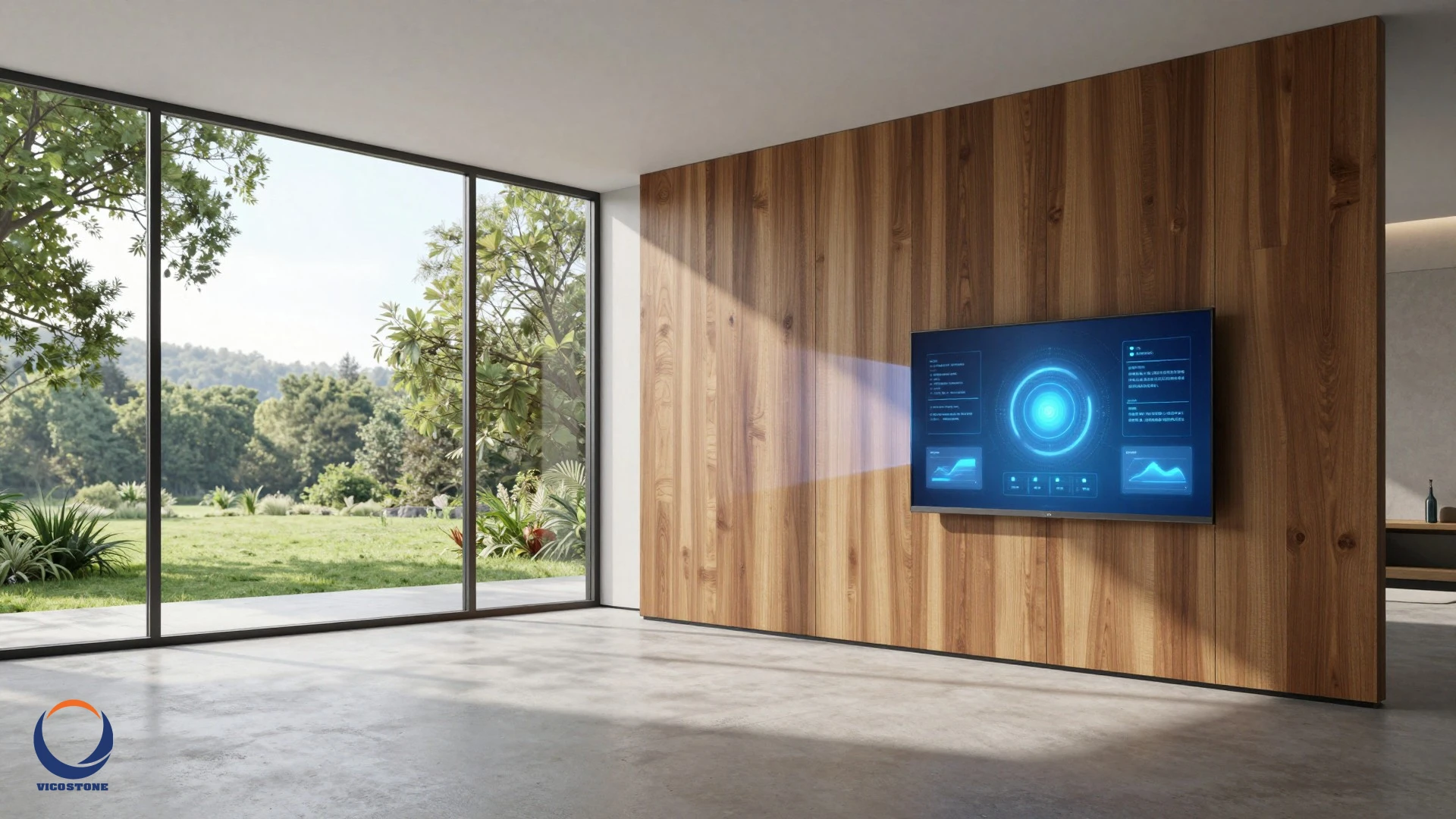
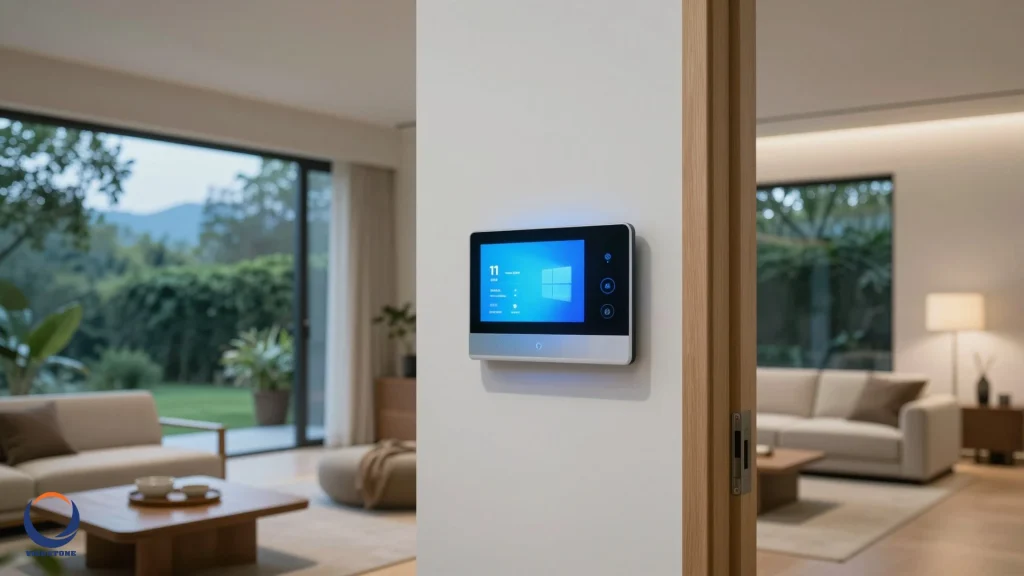
Smart home technology is no longer a luxury; it's an expectation in modern residences. However, its integration must be seamless and intuitive. Technology should enhance comfort and convenience without overwhelming the design or becoming a focal point [2]. This means systems for lighting, climate control, and security are discreetly woven into the fabric of the home.
The goal is for technology to support lifestyle, not dictate it [2]. For example, automated blinds that adjust to sunlight or smart thermostats that learn preferences contribute to passive comfort and energy efficiency. When seamlessly integrated, these systems become invisible partners, making daily life easier and more efficient. Furthermore, the strategic role of material innovation in contemporary hospitality design often extends to residential applications, where the right surfaces can complement smart technology.
Sustainability and Ethical Sourcing: Building for the Future
Sustainability is a non-negotiable aspect of modern home design. Homeowners increasingly seek out environmentally friendly solutions and materials [2]. This includes using locally sourced stone, wood, and ceramics, as well as low-VOC finishes and energy-efficient systems [2]. The emphasis is on long-lasting materials suitable for specific environmental conditions, such as tropical climates [2].
Modern house materials are redefining construction and design, focusing on durability, comfort, and energy efficiency [3]. Green materials like non-fired bricks, lightweight concrete, recycled materials, and bamboo-pressed wood minimize environmental impact and save energy [3]. Choosing these materials not only elevates the quality of life but also contributes to protecting the planet. EON Tech is committed to advancing these sustainable practices in construction.
The application of recycled materials, such as recycled bricks and reclaimed wood, helps reduce environmental impact [3]. This commitment to sustainability goes beyond just materials, encompassing the entire lifecycle of a home, from construction to daily operation. Consequently, many modern designs celebrate local craftsmanship while meeting global sustainability benchmarks Interior Design Vietnam.
Wellness-Driven Design: Crafting Spaces for Well-being
Well-being is at the core of modern home design. Interiors are meticulously planned to support mental and physical health. This includes spa-inspired bathrooms, soft acoustic treatments, biophilic elements, and daylight-optimized layouts [2]. The human-centered design approach aims to improve the quality of daily life [2].
Incorporating nature into the home through biophilic design elements, such as indoor plants, natural textures, and views of greenery, has been shown to reduce stress and improve mood. Furthermore, optimizing natural light reduces the need for artificial lighting and positively impacts circadian rhythms. This thoughtful integration of elements creates a sanctuary where inhabitants can relax, recharge, and thrive.
The Evolution of Modern Aesthetics: From Flashy to Functional
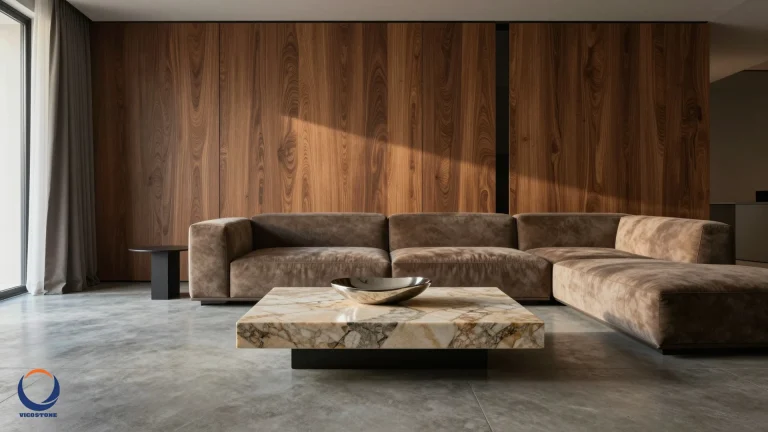
Luxury in modern homes has evolved significantly. It has moved from overt displays of wealth to a quiet sophistication. This new aesthetic emphasizes natural stone, warm wood, textured fabrics, and handcrafted details, paired with clean architectural lines [2]. The result is a home that feels modern yet grounded, exuding elegance without being ostentatious.
The focus is on quality, durability, and timelessness rather than fleeting trends. This approach ensures that homes remain beautiful and relevant for years to come. The delicate balance between light and shadow, visible and invisible, functional and ornamental, has been a hallmark of sophisticated design for centuries Saigoneer. This philosophy continues to inspire contemporary luxury.
Craftsmanship and Cultural Resonance
Integrating traditional craftsmanship and cultural elements adds unique character to modern homes. For example, traditional Vietnamese architecture often features intricate wooden carvings and specific layouts that symbolize familial hierarchy and spiritual beliefs [1]. These elements can be reinterpreted in modern contexts, creating a sense of place and heritage.
The use of bamboo, wood, and thatch in traditional construction emphasizes environmental sustainability and a connection to traditional crafting skills [1]. Modern designers can draw inspiration from these practices, incorporating natural materials and artisanal touches. This blend of old and new creates homes that are both contemporary and deeply rooted in culture. It also contributes to the perceived value of a home, a factor often considered by property investors Why surface materials significantly influence perceived home value for property investors.
Moreover, modernism itself has been adapted and made unique in various cultural contexts. Vietnamese architecture, for instance, adopted modernism while retaining its distinctive identity, characterized by adaptability to climate and an intuitive connection with elements like shadow [4]. This cultural integration ensures that homes are not generic but possess a soul and a story.
Conclusion: The Holistic Home
In conclusion, modern homes demand more than just beautiful materials. They require a comprehensive design philosophy that considers functionality, sustainability, wellness, and cultural context. By integrating smart technology, prioritizing environmental responsibility, and focusing on human-centered design, architects and designers can create spaces that are truly livable and enriching. The ultimate goal is to build homes that are not just aesthetically pleasing but also deeply supportive of the lives lived within their walls. This holistic approach ensures that modern residences are both beautiful and profoundly meaningful for design-conscious consumers.
More Information
- Nhà Rường: A traditional Vietnamese architectural style, particularly found in the central region, characterized by elevated wooden structures, intricate carvings, and sloping roofs designed for airflow and flood mitigation.
- Biophilic Design: An architectural and interior design approach that incorporates natural elements and processes into the built environment to connect occupants with nature, improving well-being and productivity.
- Passive Comfort: Design strategies that utilize natural environmental conditions (like sunlight, wind, and shade) to maintain comfortable indoor temperatures and air quality, reducing reliance on mechanical heating and cooling systems.
- Low-VOC Finishes: Building materials and paints that emit low levels of volatile organic compounds, which are harmful chemicals that can negatively impact indoor air quality and human health.
- Smart Home Integration: The seamless incorporation of technology into a home's infrastructure to automate and control various systems, such as lighting, climate, security, and entertainment, often managed via a central hub or mobile device.