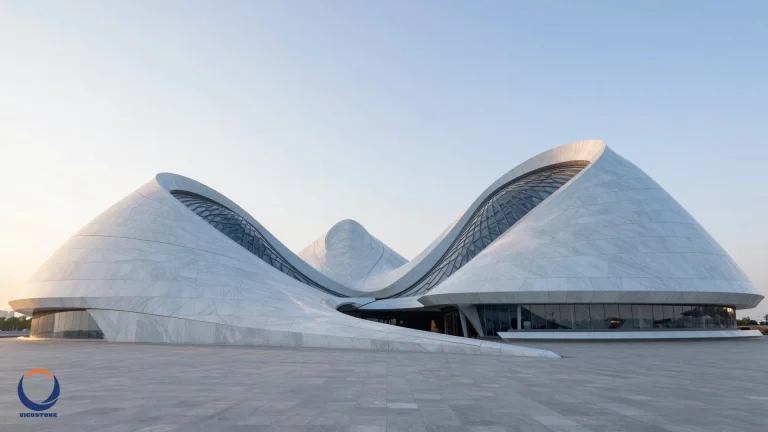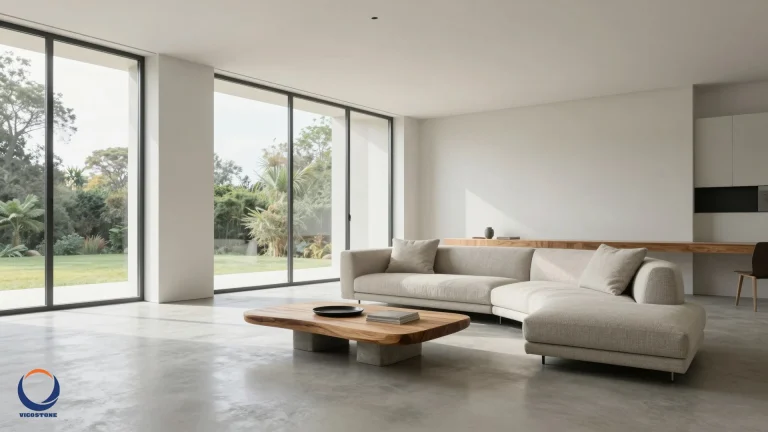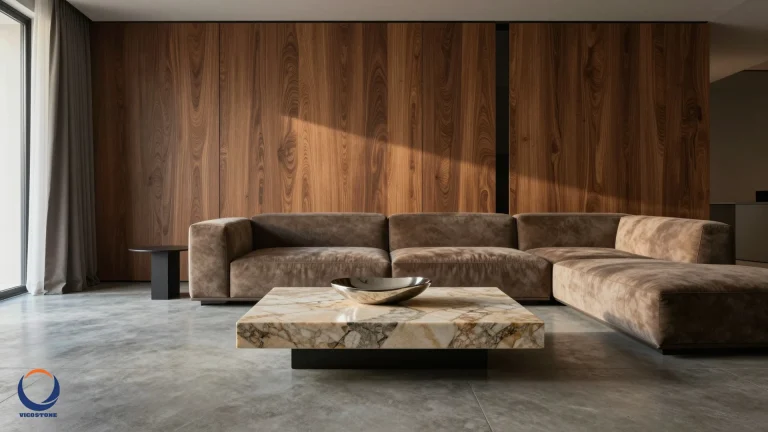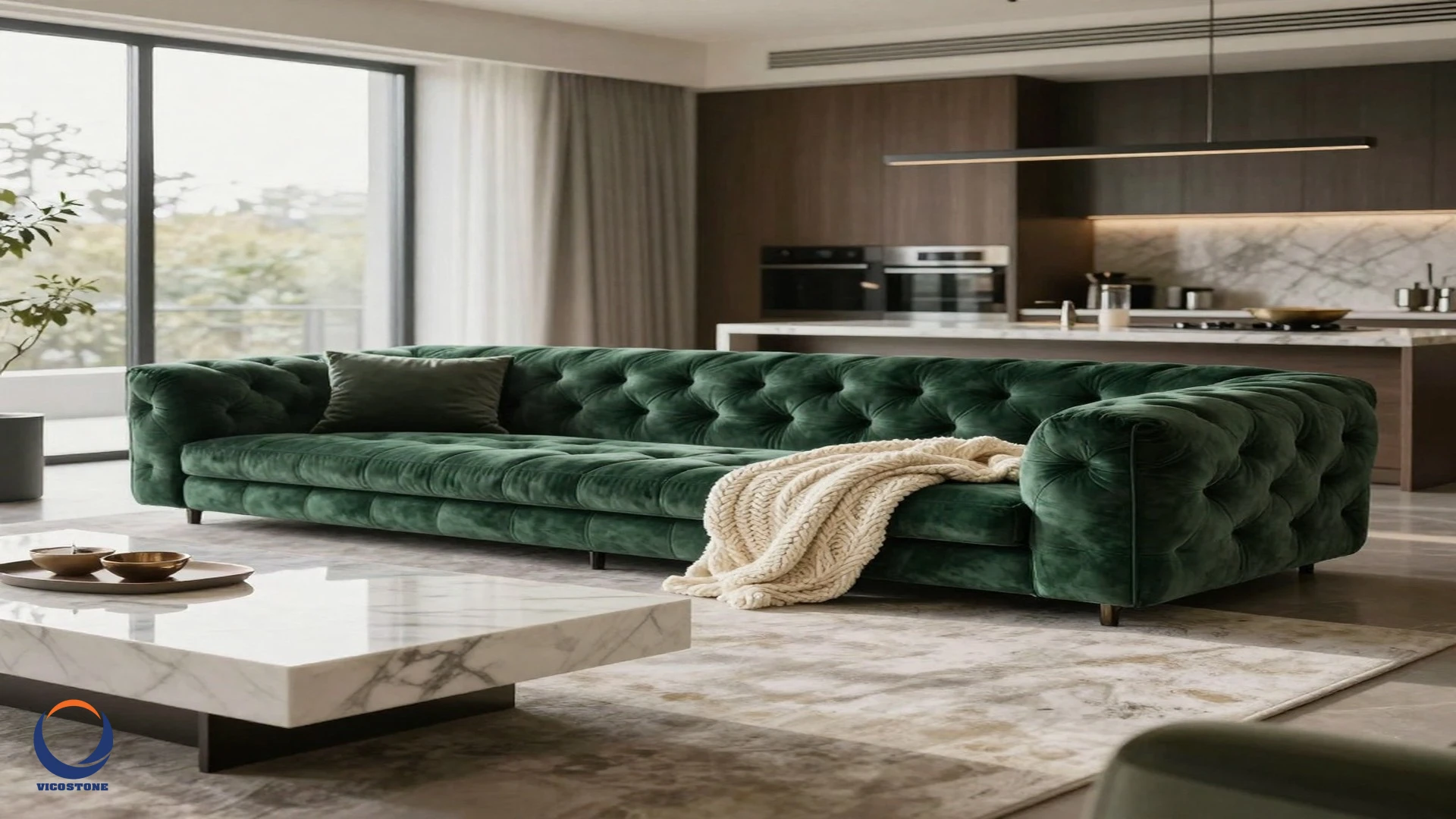
A beautifully designed room often captivates us, yet sometimes, even with perfect colors and exquisite furniture, a space can feel strangely flat. Something vital seems missing, preventing it from truly coming alive. This elusive element is almost always texture in interior design [2]. Texture is the surface quality of a material, and it profoundly transforms how spaces look, feel, and function.
It creates depth, adds visual interest, and makes rooms genuinely inviting. Despite its profound impact, texture remains one of the most overlooked principles in interior design [2]. Understanding and strategically applying texture can elevate a room from merely functional to an immersive, multi-sensory experience.
This guide explores the critical role texture plays, differentiating between its tactile and visual forms, and offering practical strategies for its effective use. You will learn how to create dimensional interiors that engage both the eye and the hand, ensuring your spaces are not only beautiful but also deeply resonant.
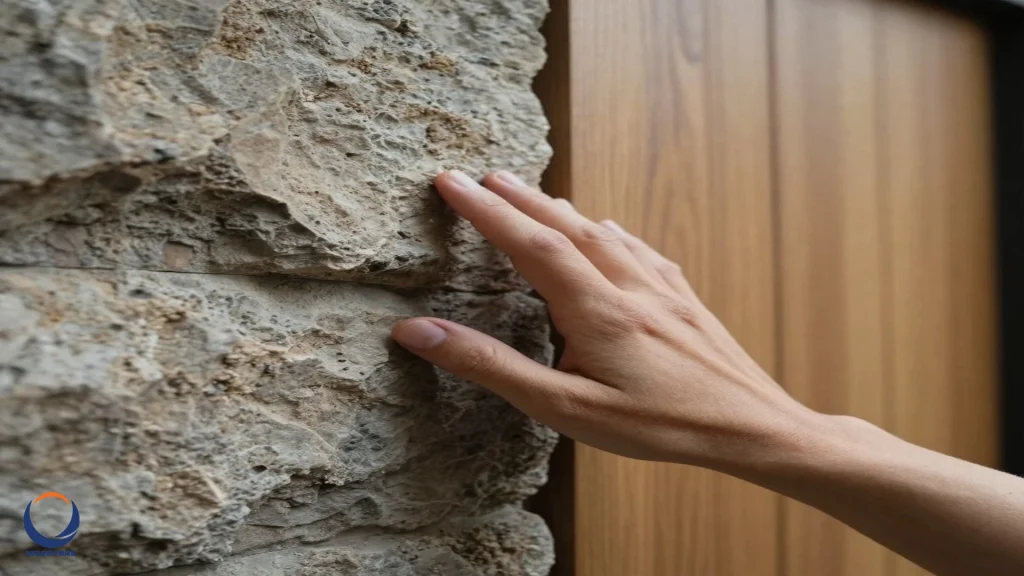
Understanding texture: more than just touch
Texture is essentially the surface quality of a material. We perceive it in two primary ways: through direct touch (tactile texture) or indirectly through sight (visual texture) [1]. Every surface in a room possesses texture, from a smooth glass tabletop to a rough stone wall or a soft velvet cushion. These elements collectively create a sensory appeal that transforms flat spaces into layered environments [2].
Tactile texture: the feel of a space
Tactile texture refers to what your hands physically feel when touching a surface. It encompasses qualities like rough, smooth, soft, hard, bumpy, or ridged [2]. These are three-dimensional characteristics with real depth, creating physical sensations that connect you to the space. Imagine the comforting weight of a chunky wool throw, the cool solidity of a carved wooden table, or the raw appeal of an exposed brick wall. Each of these creates a distinct physical interaction.
Moreover, tactile textures interact dynamically with light. Depending on the viewing angle, they create highlights and shadows that shift throughout the day. This interplay adds another layer of visual interest and depth to the physical surface [1].
Visual texture: the illusion of depth
Visual texture, sometimes called illusionary or simulated texture, is perceived by the eye rather than felt [1]. It creates the illusion of surface variation through patterns, color gradients, or printed designs. For instance, wallpaper mimicking grasscloth, fabric printed with a wood grain, or paint techniques that simulate plaster all fall into this category [2]. These two-dimensional surfaces add decorative interest without physical relief. Visual textures enrich what the eye sees, making spaces feel more complete and visually engaging.
The unsung hero: why texture is crucial
Texture is a fundamental element, standing right alongside color, light, and layout in its importance [4]. Overlooking texture often results in flat, uninviting rooms, regardless of how well other elements are chosen. It breathes life into a room, preventing it from feeling sterile or incomplete.
Texture adds depth, dimension, and character, transforming a two-dimensional concept like a floor plan into a three-dimensional, multi-sensory experience [4]. It engages not just our sight but also our sense of touch, making a space feel more inviting and real. Rooms rich in varied textures draw you in, making you want to interact with the environment.
How texture influences perception
Surface quality significantly changes how you experience a space, going beyond what color or furniture alone can achieve. It subtly manipulates our perception of light, space, sound, and even temperature.
Texture and light interaction
Lighting plays a crucial role in how we perceive texture [1]. Rough textures absorb light, creating shadow patterns across their peaks and valleys. Accent lighting, positioned to graze textured walls, dramatically amplifies these effects. This creates a sense of drama and highlights specific design features [1].
Conversely, smooth surfaces reflect light, making rooms feel brighter and more expansive. Glossy finishes bounce light around the room, while matte finishes soften it. The strategic use of light can either emphasize or soften textures, influencing the overall mood of a space.
Texture and spatial perception
Texture can skillfully manipulate the perceived size of a space. Rougher textures, such as exposed brick or thick woven materials, carry significant visual weight. They can make a large room feel more intimate and grounded [1]. This is particularly useful in expansive areas that might otherwise feel empty.
On the other hand, lighter textures like glass, silk, or polished metal create airiness and perceived spaciousness [2]. Smaller rooms often benefit from smoother surfaces that do not visually crowd the space, helping them feel more open and uncluttered [1].
Texture and acoustics
Beyond aesthetics, texture plays a crucial functional role in a space's acoustics. Uneven textures naturally absorb sound, making a room feel quieter and more comfortable [1]. This is ideal for open-plan living areas, home offices, or any space where sound dampening is desired. Think of plush rugs, upholstered furniture, or textured wall panels contributing to a calmer atmosphere. Smooth, hard surfaces, by contrast, tend to reflect sound, which can lead to echoey environments.
Texture and room temperature perception
While not directly altering temperature, texture can influence our perception of warmth or coolness. Soft, plush textures like velvet, wool, or faux fur evoke a sense of warmth and coziness. They visually suggest comfort and insulation, making a room feel more inviting during colder months. Conversely, smooth, cool textures such as polished stone, glass, or metal can create a perception of coolness and modernity. These are often favored in contemporary designs or climates where a refreshing feel is desired. This psychological effect demonstrates texture's subtle yet powerful impact on our comfort.
Mastering texture: practical applications
Effectively integrating texture requires careful consideration and a balanced approach. It’s about creating harmony and visual interest without overwhelming the senses.
Layering textures for richness
Layering is perhaps the most effective way to utilize texture. Combining various textures—smooth with rough, soft with hard, shiny with matte—creates a rich, dynamic, and personalized environment [4]. This layering is like telling a story through materials, making a space uniquely yours. For example, pair a sleek, modern coffee table with a chunky knit throw and a soft, upholstered sofa. This juxtaposition prevents monotony and creates visual harmony, making a space both stimulating and calming.
Strategic material choices
The materials you choose are the building blocks of texture. Consider the inherent qualities of each:
- Fabrics: Linen offers a relaxed, natural feel; cotton is versatile and soft; wool provides warmth and depth; velvet exudes luxury; silk adds a smooth, reflective sheen; and boucle brings a nubby, interesting tactile quality [4].
- Hard Surfaces: Wood introduces natural warmth and grain; stone offers cool solidity and organic patterns; metal provides sleekness and reflectivity; glass brings transparency and lightness; and concrete delivers an industrial, raw aesthetic.
- Walls: Beyond paint, consider textured wallpapers, exposed brick, or faux finishes that mimic other materials like wood or stone [1].
Scale matters in textural application
Just like color and light, texture requires careful consideration for a harmonious outcome [1]. The size of patterns and the visual weight of textures should correspond to the space. Large, bold patterns can easily overwhelm a small room, making it feel cramped. Opting for smaller or subtler details can create a more balanced feel in such cases. Conversely, large, expansive spaces can feel empty if only small patterns are used. Introducing larger elements, such as thick rugs or expansive textured wall panels, can enhance visual interest and ground the space [1].
Common textural mistakes to avoid
Even with the best intentions, textural design can go awry. Avoiding common pitfalls ensures your efforts enhance, rather than detract from, your interior.
Lack of variety
A room without textural variety feels incomplete, like a song played on a single note [2]. Relying on too many smooth surfaces, for instance, can make a space feel sterile and cold. Conversely, too many rough textures might make it feel heavy and overwhelming. The key is balance and contrast.
Overuse of one texture
While a single texture can be beautiful, its overuse can lead to monotony. A room entirely furnished with sleek, glossy surfaces might lack warmth. Similarly, a space dominated by rough, rustic elements might feel unrefined. Thoughtful variation is essential for a dynamic design.
Ignoring lighting
As discussed, lighting profoundly impacts how textures are perceived. Ignoring this interaction can diminish the effect of your chosen materials. A beautifully textured wall will lose its impact if not properly lit to highlight its peaks and valleys. Always consider how natural and artificial light will play across your surfaces.
Disregarding functionality
Texture isn’t just about aesthetics; it plays a crucial role in achieving functional design [1]. Choosing a highly textured, difficult-to-clean rug for a high-traffic area might be visually appealing but functionally impractical. Always consider maintenance, durability, and acoustic properties when selecting textures for different areas of your home.
Integrating texture in different rooms
The application of texture should be tailored to the specific function and mood of each room.
Living room: a symphony of comfort
In the living room, comfort and invitation are paramount. Layering is key here: a plush area rug underfoot, soft velvet or linen cushions on the sofa, and a chunky knit throw draped over an armchair. Consider a wooden coffee table for natural warmth, metal accents for a touch of sleekness, and perhaps a textured wallpaper or exposed brick wall to add character. These elements work together to create a rich, welcoming atmosphere.
Bedroom: sanctuary of serenity
Bedrooms benefit from soft, comforting textures that promote relaxation. Think luxurious bedding in high-thread-count cotton or silk, a soft upholstered headboard, and a deep-pile rug that feels wonderful underfoot. Curtains made from linen or velvet can add both visual and tactile softness, enhancing the room's tranquil ambiance. The goal is to create a cocoon-like sanctuary.
Kitchen: blending practicality with style
Kitchens demand durability and easy maintenance, but texture can still play a significant role. Smooth, non-porous countertops, such as those made from engineered stone, offer practicality and a sleek aesthetic. These surfaces are often chosen for their resilience and ease of cleaning, a feature that EON Tech has been at the forefront of applying in modern kitchen solutions. Pair them with textured backsplashes—perhaps subway tiles with a slight bevel, or a natural stone mosaic—to add visual interest. Wooden cabinets or open shelving can introduce warmth and organic texture, balancing the harder surfaces. For those seeking why designers are switching to silica-free countertops, the benefits extend beyond aesthetics to health and sustainability.
Bathroom: a spa-like retreat
Bathrooms can be transformed into spa-like retreats with thoughtful textural choices. Large format tiles with subtle variations in their finish can create a sense of calm. Introduce natural stone elements for a grounding effect. Plush, absorbent towels and a soft bath mat provide essential tactile comfort. Even the choice of fixtures, from brushed metal to polished chrome, contributes to the overall textural experience. Considering why quartz-based surfaces remain popular in luxury homes can also inform material choices for bathroom vanities, offering both beauty and resilience.
Conclusion
Texture is far more than a decorative afterthought; it is a foundational element that deeply influences the aesthetics and functionality of any interior space. It engages our senses, manipulates our perception of light and space, and profoundly shapes the mood and ambiance of a room. From the smooth coolness of a polished surface to the inviting warmth of a plush fabric, every material contributes to the overall sensory experience.
By understanding the nuances of tactile and visual textures, mastering the art of layering, and making strategic material choices, you can transform a flat, uninspired room into a rich, dynamic, and truly inviting environment. Embrace the power of texture to add depth, character, and an undeniable sense of life to your interior designs. It is the secret ingredient that turns a house into a home, making every space uniquely yours.
More information
- Tactile Texture: The physical surface quality of a material that can be perceived directly by touch, such as rough, smooth, soft, hard, or bumpy. It involves three-dimensional characteristics with real depth.
- Visual Texture: The perceived surface quality of a material that is experienced indirectly by the eye, creating the illusion of texture through patterns, color gradients, or printed designs without physical relief.
- Acoustics: The properties or qualities of a room or building that determine how sound is transmitted in it. In interior design, textures can be used to absorb or reflect sound, influencing the overall noise level and clarity.
- Layering Textures: The design technique of combining various materials with different surface qualities (e.g., smooth, rough, soft, hard) within a single space to create depth, visual interest, and a rich, dynamic environment.
- Spatial Perception: The awareness of the relative positions of one's own body and objects in space. In interior design, texture can manipulate how a room's size and openness are perceived, making spaces feel more intimate or expansive.