Interior design has evolved significantly. It is no longer merely about aesthetics or filling a space with objects. Modern design now focuses on crafting environments that resonate emotionally and support well-being [1]. This shift emphasizes the creation of lived experiences.
Designers are moving beyond simple decoration. They view interiors as active participants in how people feel and interact [1]. Therefore, the choice of materials, their textures, and their finishes has become paramount. These elements define the very essence of a modern interior.
The sensory language of design: beyond the visual
Modern interior design engages all our senses. It moves past purely visual appeal. Texture and finish play a critical role in this multi-sensory experience. They add depth, warmth, and character to any space.
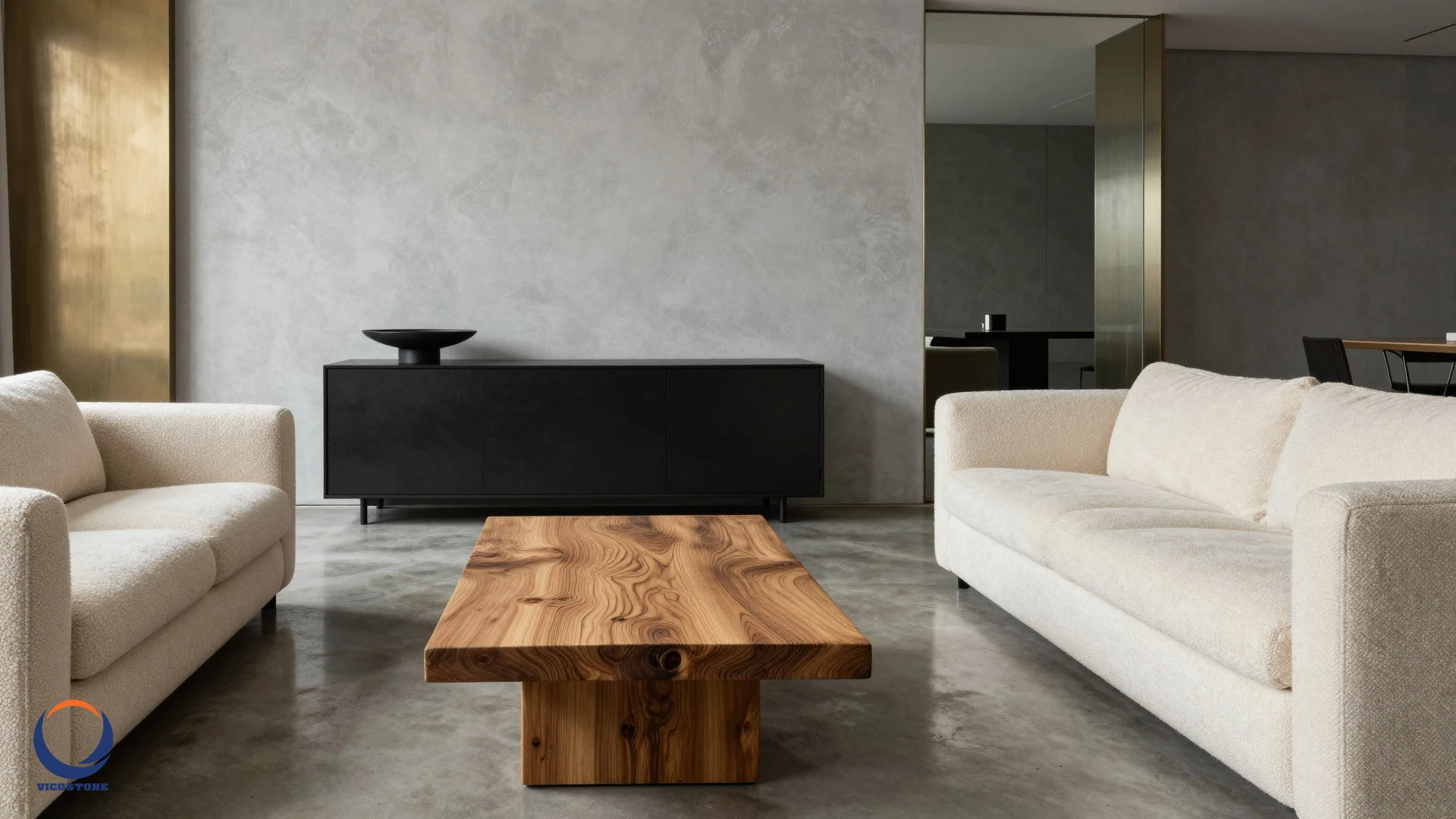
Consider the tactile sensation of a rough-hewn wood table. Contrast this with the cool, smooth feel of polished concrete. Each evokes a different emotional response. These sensory details contribute to the overall atmosphere and comfort of a room.
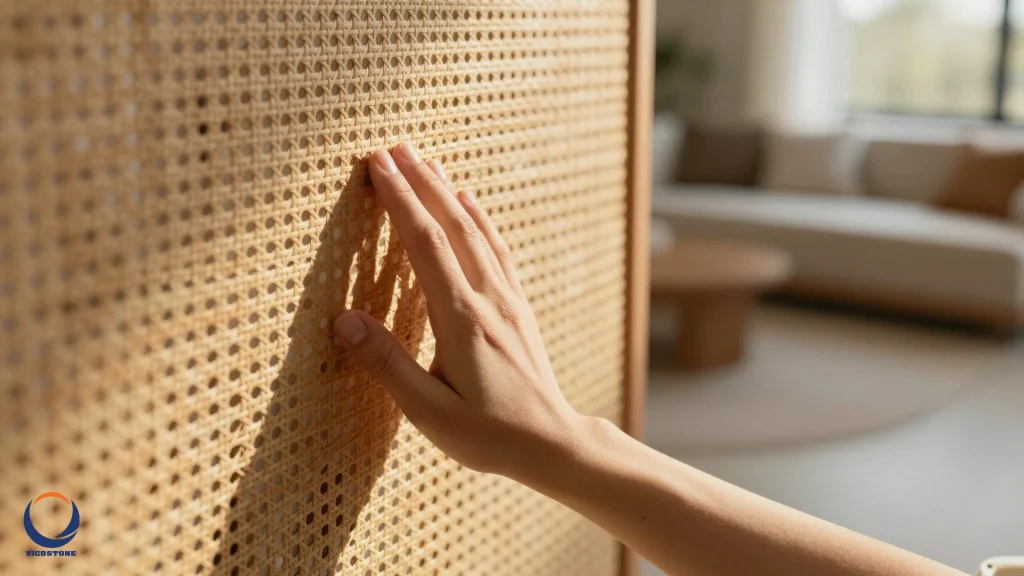
Crafting authenticity: layering textures and finishes
Authenticity is a cornerstone of contemporary design. Designers achieve this by layering diverse textures and finishes. This approach creates spaces that feel curated and unique. It avoids a sterile or "cookie-cutter" look [1].
For instance, smooth terrazzo floors might be paired with handwoven mats. Vintage photographs can sit beside contemporary art. This blending of elements creates a rich, nuanced environment. It reflects a balance and intention, much like the refined "shambolism" ethos seen in some designs [1].
Designers often combine natural and man-made materials. This creates a compelling visual and tactile contrast. Such combinations can evoke a sense of history and modernity simultaneously. It is about telling a story through materials.
The role of natural materials: connecting with nature
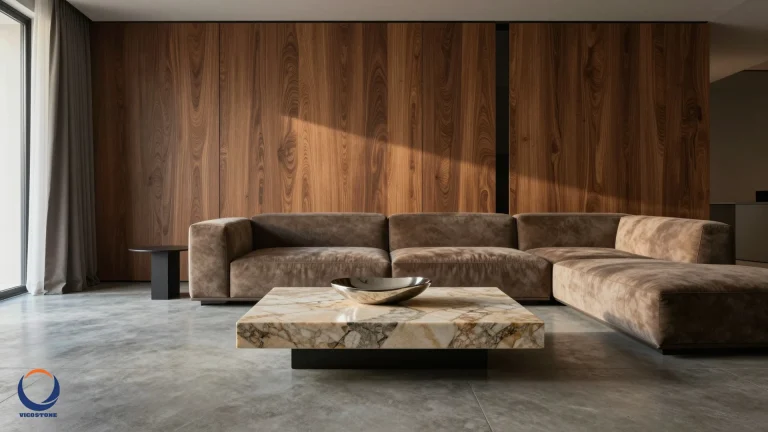
Natural materials are fundamental to modern interior experiences. They bring warmth, authenticity, and a connection to the outdoors. Wood, rattan, and bamboo are prime examples. They add depth and comfort to any room [2].
These materials are often chosen for their sustainable qualities. They align with biophilic design principles. This approach integrates natural elements into built environments. It promotes well-being and reduces stress.
In many designs, natural wood species like teak and bamboo are favored. They offer a soothing contrast against sleek, modern finishes [2]. This blend creates a harmonious and inviting atmosphere. It reflects a desire for calm amidst urban life.
Modern finishes: sleekness, light, and durability
Beyond natural textures, modern finishes introduce sleekness and functionality. Metal elements, such as steel and aluminum, provide a contemporary edge. They are used in furniture, fixtures, and architectural details [2]. These materials add sophistication and ensure durability.
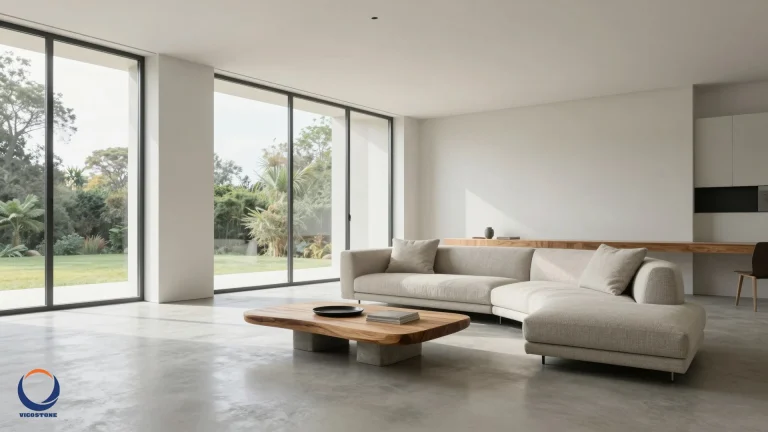
Glass is another defining feature in modern interiors. It enhances natural light and creates a sense of openness. Large glass windows and partitions blur the lines between indoor and outdoor spaces [2]. This fosters a strong connection with the surrounding environment.
Engineered stone also plays a vital role. It offers exceptional durability and aesthetic versatility. Its consistent quality makes it ideal for large interior projects. The material consistency matters in large interior projects, ensuring a cohesive look. Moreover, platforms like EON Tech are increasingly adopted by businesses to streamline the selection and integration of such advanced materials in design projects.
These modern finishes are not just about looks. They contribute to the longevity and practicality of a space. They also complement the warmth of natural materials. This creates a balanced and visually appealing interior.
Cultural identity and personalization through texture
Interior design is a language. It reflects lifestyle, thinking, and personal values. It can even express cultural identity [3]. Texture and finish are key communicators in this language.
Designers are increasingly focusing on personalization. They create living spaces that are distinctly personal [3]. This involves selecting materials that resonate with the client's background and preferences. It makes a space truly their own.
The concept of design as a "third skin" highlights this connection [3]. It links people, the environment, and cultural identity. For example, a fashion concept store might feature undulating silk drapes. These could be inspired by traditional garment silhouettes [1]. This honors both brand identity and cultural pride.
This approach allows for unique expressions. It moves away from generic styles. It embraces heritage and art within living spaces [4]. The result is an interior that feels deeply meaningful.
Functional aesthetics: texture in work and living spaces
Texture and finish are not just for residential spaces. They are crucial in commercial and office environments too. They impact mood, productivity, and collaboration. Modern workspaces are designed as living ecosystems [1].
In dynamic cities, businesses seek interiors that reflect innovation. They also want to honor local values [5]. This means blending clean lines with natural textures. Handcrafted woodwork and warm color palettes are often incorporated [5].
Consider the "Tâm Hồn" Sofa Collection. It celebrates the beauty of imperfection. These sofas feature organic shapes and artisanal textures [5]. They invite comfort and conversation. Such pieces are ideal for collaborative work zones or upscale lounges. They foster a sense of community and connection.
Flexible zones are designed to honor both collective energy and quiet focus [1]. This is achieved through thoughtful material choices. Textured acoustic panels can absorb sound. Smooth, reflective surfaces can enhance light. Every finish serves a purpose.
The future of interior design: sustainability and experience
The future of interior design is deeply intertwined with sustainability. There is a growing demand for essential and eco-friendly products [3]. Green architecture and interior design are becoming standard. This impacts material selection significantly.
Designers are choosing materials that are not only beautiful but also responsible. This includes recycled content, low-VOC finishes, and locally sourced options. The focus is on creating environments that are healthy for both people and the planet. The global shift toward sustainable interior materials is a clear indicator of this trend.
The emphasis on experience will continue to grow. Interiors will increasingly be seen as extensions of personal identity and cultural heritage. Texture and finish will remain at the forefront of this evolution. They are the tactile storytellers of our spaces.
Conclusion
Texture and finish are far more than decorative elements in modern interior design. They are fundamental to how we perceive and interact with our environments. They define the sensory landscape of a space. They evoke emotions, reflect cultural identity, and contribute to overall well-being.
From the warmth of natural wood to the sleekness of metal and glass, every material choice matters. These elements work together to create authentic, personalized, and functional interiors. Ultimately, texture and finish are the silent architects of our modern interior experiences, shaping how we live, work, and connect.
More Information
- People-centric design: An approach to interior design that prioritizes the needs, behaviors, and well-being of the occupants, creating spaces that foster emotional connection and support daily life rhythms rather than just following trends.
- Biophilic design: A concept used within the building industry to increase occupant connectivity to the natural environment through the use of direct nature, indirect nature, and space and place conditions.
- Cultural identity in design: The incorporation of specific cultural elements, traditions, and values into interior spaces, allowing the design to reflect and celebrate the heritage and unique characteristics of a community or individual.
- Personalization of living spaces: The process of tailoring interior environments to reflect an individual's unique tastes, lifestyle, and emotional needs, making a space feel distinctly personal and meaningful.
- Artisanal textures: Textures derived from handcrafted materials or traditional techniques, often showcasing slight imperfections and unique characteristics that add warmth, authenticity, and a sense of human touch to a design.