The kitchen remains the true heart of any modern home. It is a space for cooking, gathering, and entertaining. Homeowners increasingly seek materials that are both beautiful and highly functional. Engineered stone has emerged as a top choice for these demanding environments. Its versatility and performance make it ideal for contemporary designs.
This innovative material offers numerous benefits over traditional options. It provides durability, hygiene, and aesthetic flexibility. In this article, we explore seven leading kitchen design trends. These trends showcase the incredible potential of engineered stone. The number seven itself holds symbolic associations, often considered lucky or complete in Western culture [1]. We believe these seven trends offer a comprehensive and inspiring look at modern kitchen possibilities.
Understanding engineered stone
Engineered stone is a composite material. It consists of crushed stone, typically quartz, bound together by polymer resins. This manufacturing process creates a non-porous surface. Consequently, it offers superior performance compared to natural stone [2]. It resists stains, scratches, and heat effectively. Furthermore, engineered stone provides consistent color and pattern. This consistency is often difficult to achieve with natural materials.
Leading manufacturers, such as New Stone, utilize advanced technology. They produce high-quality artificial quartz stone. Their processes combine natural aesthetics with superior durability [3]. This focus on quality ensures lasting beauty and peace of mind for users. Moreover, engineered stone is a practical and stylish choice. It suits various applications, from countertops to wall cladding.
Trend 1: The minimalist aesthetic
Minimalism continues to dominate modern interior design. It emphasizes clean lines and uncluttered spaces. Engineered stone perfectly complements this trend. Its seamless appearance and uniform patterns contribute to a serene environment. Large slab formats, like the 3500x2000mm super jumbo slabs offered by Nova Stone, allow for expansive, uninterrupted surfaces [2]. This minimizes grout lines and visual distractions.
Neutral color palettes are a hallmark of minimalist design. Whites, grays, and subtle beiges are popular choices. Engineered stone is available in a vast array of these sophisticated shades. This allows homeowners to create a calm and cohesive kitchen. The material's inherent sleekness enhances the overall minimalist appeal. It provides a backdrop for carefully chosen accents.
Trend 2: Bold and dramatic islands
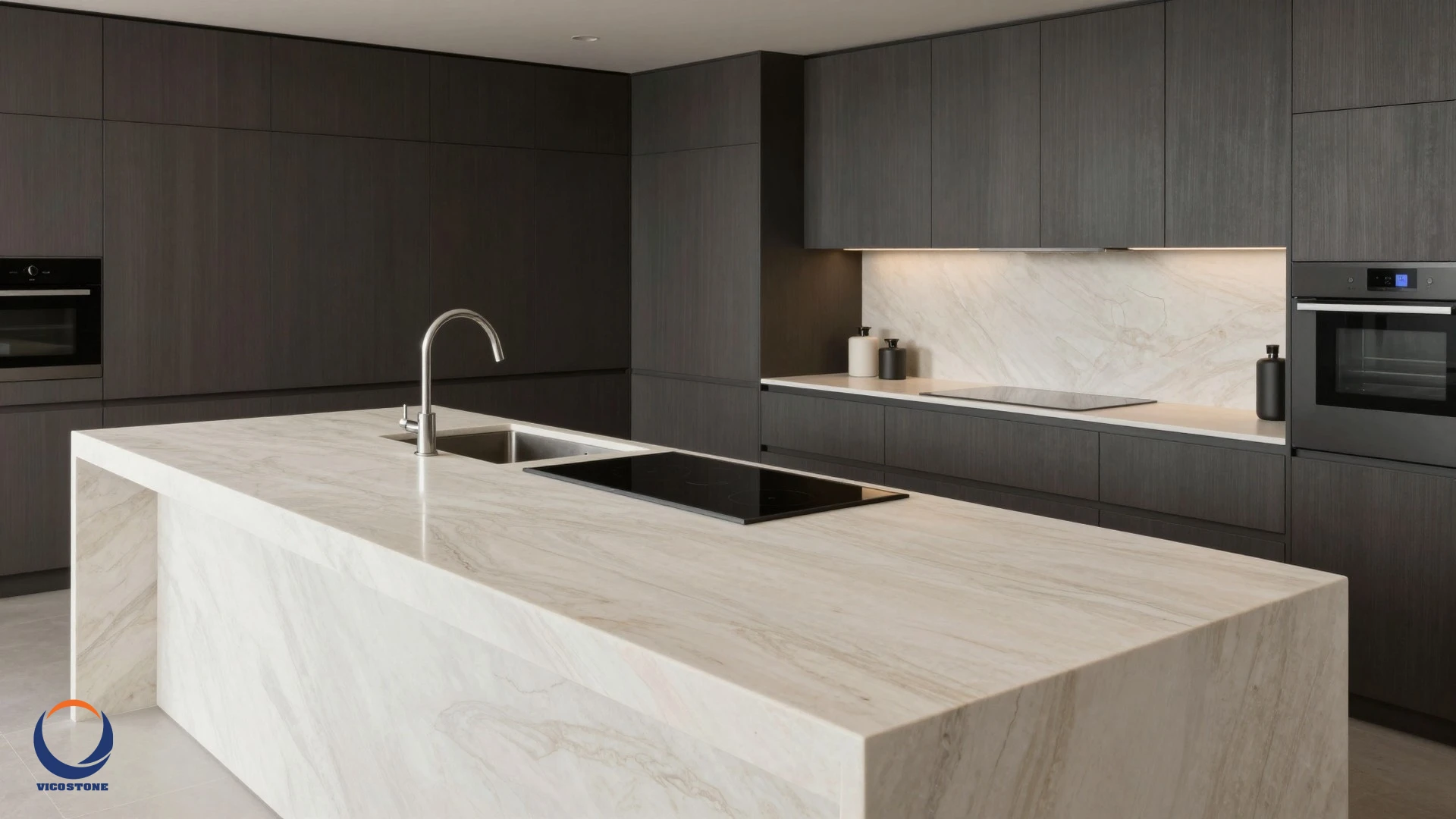
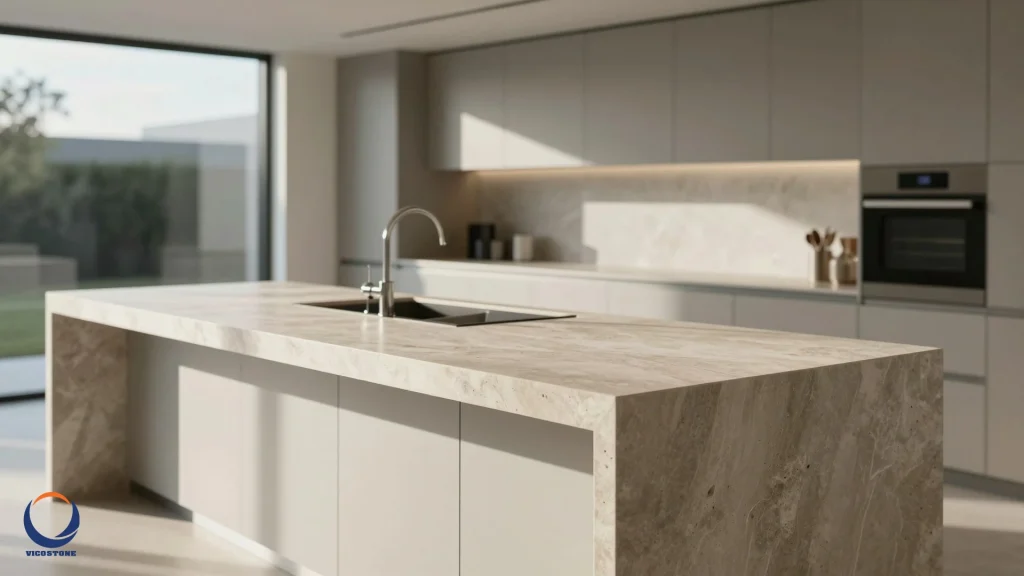
The kitchen island has evolved into a central design statement. It serves as a focal point for both function and aesthetics. Engineered stone enables the creation of truly dramatic islands. Its strength allows for impressive cantilevered sections. Waterfall edges, where the countertop material flows down the sides, are particularly striking. These features create a sculptural element in the kitchen.
Homeowners are increasingly opting for bold colors or intricate patterns. These choices make the island stand out. Darker shades like charcoal or deep navy are popular. Alternatively, engineered stone can mimic exotic natural stones. This adds a touch of luxury without the maintenance concerns. The island becomes a piece of art, thanks to engineered stone's design flexibility.
Trend 3: Integrated sinks and seamless backsplashes
Hygiene and ease of cleaning are paramount in kitchen design. Integrated sinks, crafted from the same engineered stone as the countertop, offer a seamless look. There are no visible seams where dirt or grime can accumulate. This creates a highly sanitary food preparation area. Moreover, it contributes to a sleek and sophisticated aesthetic.
Extending the engineered stone from the countertop up the wall creates a seamless backsplash. This eliminates grout lines. It also provides a continuous, easy-to-wipe surface. This design choice is not only practical but also visually stunning. It reinforces the clean lines and modern feel of the kitchen. The result is a cohesive and highly functional workspace.
Trend 4: Textured and matte finishes
While polished surfaces remain popular, there is a growing demand for tactile finishes. Matte and textured engineered stone surfaces add depth and character. They offer a softer, more understated elegance. These finishes can mimic the feel of natural stone or concrete. This introduces a new sensory dimension to the kitchen.
Manufacturers are innovating to provide diverse textures. These include honed, leathered, or even rougher, more organic finishes. These options prevent fingerprints and smudges. They also diffuse light, creating a sophisticated ambiance. This trend allows for a more personalized and inviting kitchen space. It moves beyond purely visual appeal.
Trend 5: Earthy tones and natural inspiration
A desire to connect with nature influences many design choices. This trend sees a return to earthy tones and organic patterns. Engineered stone excels at replicating the beauty of natural materials. It offers the aesthetic of marble, granite, or sandstone [4]. However, it comes with enhanced performance. This includes superior scratch resistance and stable heat tolerance [3].
Warm neutrals, muted greens, and soft blues are gaining popularity. These colors create a calming and harmonious environment. Engineered stone collections, such as New Stone's Nano Ink and Natural Masterpiece, capture nature's essence [3]. They offer intricate veining and realistic textures. This allows homeowners to bring the outdoors in, with all the benefits of engineered materials.
Trend 6: Smart kitchen integration
Technology is transforming the modern kitchen. Smart appliances, integrated charging stations, and hidden controls are commonplace. Engineered stone provides an excellent foundation for these innovations. Its durability and heat resistance make it suitable for high-tech installations. Surfaces can withstand the demands of advanced cooking equipment.
The non-porous nature of engineered stone is also beneficial. It makes cleaning spills from smart screens or charging pads effortless. Furthermore, its consistent surface allows for precise cut-outs and seamless integration of technology. This creates a streamlined and efficient kitchen. It is a space where technology enhances daily life without compromising style. EON Tech solutions often emphasize this blend of aesthetics and functionality.
Trend 7: Sustainable and healthy choices
Homeowners are increasingly prioritizing sustainable and healthy materials. Engineered stone aligns well with these values. Its non-porous surface prevents the growth of bacteria and mold. This makes it an ideal choice for food preparation areas [2]. It contributes to a healthier home environment. Moreover, its exceptional durability means it lasts for many years. This reduces the need for frequent replacement and minimizes waste.
Many manufacturers are also adopting more sustainable production methods. For instance, Nova Stone Quartz Vietnam focuses on sustainable approaches. They reduce waste and improve efficiency in their manufacturing processes [2]. Additionally, the availability of AD/CVD duties free for U.S. imports from Vietnam [2] can make these high-quality, durable materials more accessible. This supports environmentally conscious choices for a silica-free countertop.
Why engineered stone is the ideal choice
Engineered stone offers a compelling combination of benefits. Its robust composition ensures long-lasting performance. It resists scratches, stains, and impacts. This makes it perfect for busy family kitchens. Furthermore, its non-porous nature simplifies cleaning. It also maintains a hygienic surface. This is crucial for food safety.
Beyond its practical advantages, engineered stone provides unmatched aesthetic versatility. It can mimic the appearance of virtually any natural stone. It also offers unique colors and patterns. This allows for endless design possibilities. Advanced fabrication techniques, such as pre-fabrication and cut-to-size solutions, optimize installation time [3]. This ensures exceptional precision. Whether for residential remodels or large commercial projects, engineered quartz stone is a top-tier choice [2]. It delivers both style and substance. For those wondering what makes engineered stone different from natural stone, its consistent quality and enhanced properties are key.
Conclusion
The modern kitchen is a dynamic space. It demands materials that can keep pace with evolving lifestyles. Engineered stone stands out as a superior solution. It effortlessly blends beauty with unparalleled functionality. From minimalist designs to bold statements, it supports every aesthetic. Its hygienic properties and durability make it a smart investment.
These seven trends highlight the transformative power of engineered stone. They demonstrate its ability to create stunning, practical, and sustainable kitchens. As homeowners continue to seek innovative solutions, engineered stone will undoubtedly remain at the forefront of kitchen design. It offers a future where style and performance coexist beautifully.
More Information
- Engineered Stone: A composite material made from crushed stone (often quartz) bound with polymer resins, known for its durability, non-porous nature, and consistent appearance.
- Minimalist Aesthetic: A design philosophy characterized by simplicity, clean lines, and a lack of clutter, often employing neutral colors and functional elements.
- Waterfall Edge: A design feature where a countertop material extends vertically down the side of an island or cabinet, creating a continuous, flowing look.
- Non-Porous Surface: A material characteristic meaning it does not absorb liquids, making it resistant to stains, bacteria growth, and easy to clean, common in engineered stone.
- Super Jumbo Slab: Extra-large engineered stone slabs, typically exceeding standard sizes, which allow for seamless installations over wider areas like large kitchen islands.