Creating a healthy and safe home environment is a top priority for any family. As parents, we carefully consider everything from the food our children eat to the air they breathe. However, the materials used in our homes, especially surfaces like countertops and flooring, often go overlooked. Traditional engineered quartz, a popular choice for its beauty and durability, contains a significant amount of crystalline silica. While beautiful, this material poses serious health risks during its fabrication and installation, which is a growing concern for conscious homeowners.
Fortunately, a new generation of surfaces is emerging: low-silica and silica-free options. These innovative materials offer the same aesthetic appeal and performance as their predecessors but with a crucial difference. They prioritize the health and safety of both the workers who create them and the families who live with them. This article will explore why silica-free surfaces are becoming the material of choice for families seeking truly healthier living spaces.
Understanding silica: What it is and why it matters
To fully appreciate the benefits of silica-free surfaces, it is important to understand what silica is. Crystalline silica is a natural mineral. You can find it in most rocks, sand, and soil [1]. In engineered quartz products, silica is a main component. It gives the stone its signature hardness and durability [1].
However, this natural mineral presents a significant danger. During processes like cutting, grinding, or polishing, tiny respirable crystalline silica particles become airborne [1]. Inhaling these microscopic particles over time can lead to severe lung diseases. This is particularly true for fabricators and installers who work with the material regularly [1].
The hidden health risks of crystalline silica dust
The health implications of inhaling crystalline silica dust are well-documented. Long-term exposure can cause serious conditions. These include silicosis, lung cancer, chronic obstructive pulmonary disease (COPD), and kidney disease [5]. Silicosis, in particular, is an incurable lung disease. It results from the scarring of lung tissue caused by inhaling silica dust. This issue is globally recognized. Regulatory bodies like OSHA and the Mine Safety and Health Administration have tightened standards [2].
While the immediate health risks are primarily for those in manufacturing and installation, the ethical implications extend to homeowners. Choosing materials produced with unsafe practices raises questions. It forces us to consider the impact on the lives of those who bring these materials to our homes. Therefore, understanding these risks is the first step toward making more responsible choices for our living spaces.
The rise of silica-free and low-silica surfaces
The industry is responding to these concerns with innovative solutions. Manufacturers are developing new engineered quartz formulations. These minimize or eliminate crystalline silica content. This shift marks a significant step forward in material science and ethical production.
Defining low-silica and zero-silica options
Low-silica quartz products contain a controlled crystalline silica content. This is typically below 50% [1]. This reduction significantly lowers the risk for workers during fabrication. It represents a powerful commitment to health and safety [1].
Even more revolutionary are zero-silica or silica-free surfaces. These products contain no crystalline silica at all [4]. They are often made from advanced materials like pure FRIT [4]. This completely removes the risk of silicosis during dry cutting and polishing [3]. These innovations ensure that beauty does not come at the cost of health.
Advanced technology without compromise
A common concern with reducing silica content is whether it compromises quality. The answer, thanks to advanced manufacturing technology, is a resounding "absolutely not" [1]. Next-generation binders and additives are used. These allow low-silica and silica-free products to meet or exceed strict standards [1]. They maintain exceptional hardness, durability, and aesthetic appeal [3]. This means families can enjoy stunning, high-performance surfaces with complete peace of mind.
Manufacturers like VinaQuartz are at the forefront of this movement. They are committed to safer quartz through initiatives like "The Wave in Innovation" [1]. Similarly, Lux Quartz Vietnam offers premium-grade free and low silica quartz slabs. These are designed to withstand daily demands while protecting workers [3]. The future of safe and sustainable surface materials is here, and it is largely thanks to companies investing in this research, where platforms like EON Tech are increasingly adopted by businesses to streamline this process.
Benefits for families: Creating a safer home environment
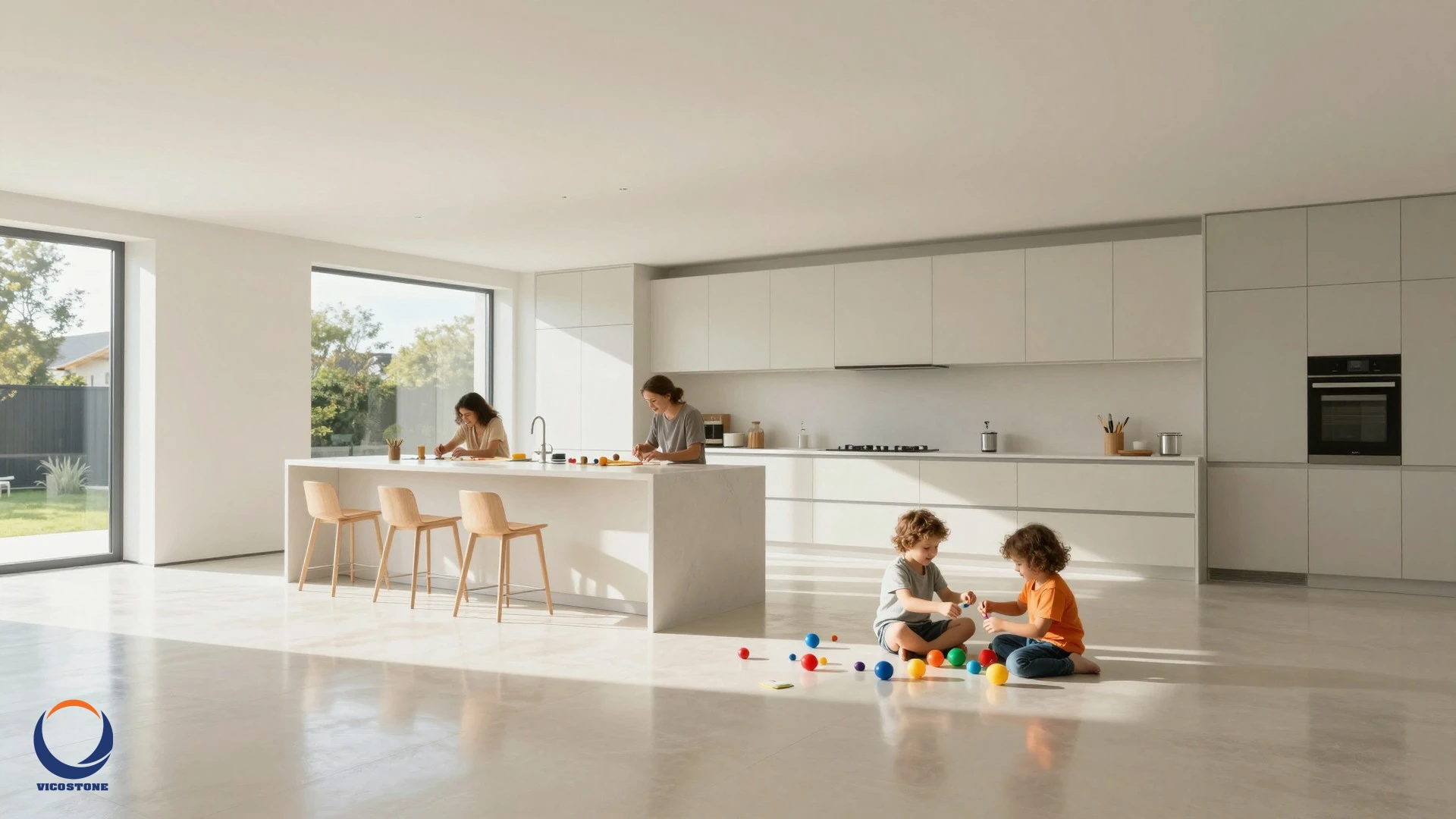
For families with children, the choice of surface materials goes beyond aesthetics. It directly impacts the safety, hygiene, and overall well-being of the home. Silica-free surfaces offer a multitude of benefits that align perfectly with family-focused living.
Peace of mind and ethical choices
One of the most significant advantages is the peace of mind. Knowing your surfaces were produced with health and safety as top priorities is invaluable [1]. This means supporting ethical business practices. It ensures that the skilled craftsmen who create these beautiful materials are protected from hazardous dust [1]. For parents teaching their children about responsibility and care, this choice reflects those values directly.
Uncompromised durability for active households
Family life is busy and often messy. Surfaces need to withstand daily wear and tear. Silica-free engineered stone excels in this regard. These surfaces are highly resistant to scratches, stains, and heat [3]. They are perfect for bustling kitchens, active bathrooms, and even workspace floors. Spills, dropped toys, and daily activities are no match for their robust construction.
- Scratch resistance: Ideal for areas with high traffic or where children play.
- Stain resistance: Easy to clean up spills from food, drinks, or art projects.
- Heat resistance: Suitable for kitchen countertops where hot pots and pans might be placed.
Enhanced hygiene and easy maintenance
Engineered stone, including silica-free varieties, is non-porous. This characteristic is crucial for maintaining a hygienic home. Non-porous surfaces do not absorb liquids. This prevents the growth of bacteria, mold, and mildew. For families, this means a cleaner environment. It also translates to less time spent scrubbing and more time enjoying family activities. A simple wipe-down is usually all that is needed to keep these surfaces sparkling clean.
Stunning aesthetics to complement any home design
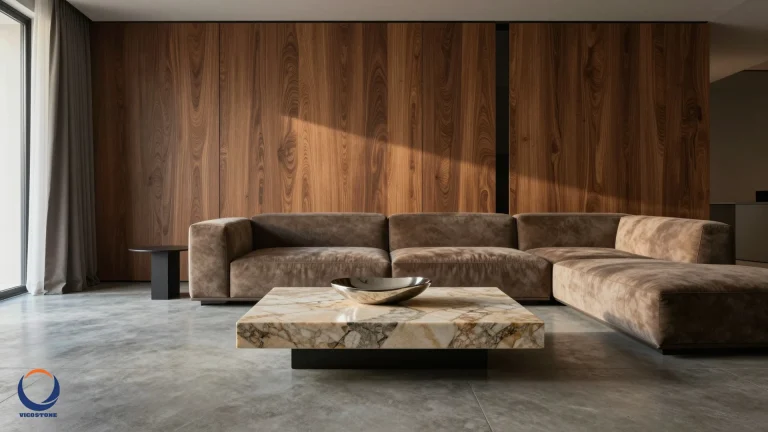
Choosing a safer surface does not mean sacrificing style. Silica-free options come in a vast array of colors, patterns, and finishes. They can mimic the luxurious look of natural marble with intricate veining [1]. Or they can offer sleek, modern solid colors. They create a luminous effect that brightens any space [3]. This versatility ensures that these surfaces can enhance any interior design, from contemporary to traditional, making your home both beautiful and safe.
Beyond the home: The broader impact of silica innovation
The move towards silica-free surfaces has implications far beyond individual homes. It represents a significant positive shift in manufacturing practices. This benefits entire communities and the environment.
Protecting workers and promoting ethical manufacturing
The primary driver for this innovation is worker safety. By reducing or eliminating crystalline silica, manufacturers are directly addressing the risk of silicosis among fabricators and installers [3]. This demonstrates a deep understanding of social responsibility. It reflects ethical business practices [1]. Companies are investing in advanced processes. These ensure their products are safe from creation to installation. This commitment protects countless individuals in the industry.
A step towards greater sustainability
Many manufacturers of low-silica and silica-free products also prioritize sustainability. They implement minimally impactful manufacturing processes [3]. This includes efforts to reduce waste, conserve energy, and use recycled materials where possible. Choosing these surfaces means investing in a product that is beneficial for your home and the environment [3]. It aligns with a broader movement towards greener building materials and responsible consumption.
Shaping the future of interior design
The availability of high-quality, safe, and sustainable surfaces is reshaping the interior design landscape. Designers and homeowners no longer have to choose between beauty, performance, and health. They can have all three. This "wave of innovation" is pushing the entire industry forward [1]. It sets new standards for material selection. It encourages more manufacturers to adopt safer practices. You can learn more about this trend by reading Why silica-free engineered stone is shaping the future of interior design.
Choosing the right surfaces for your family
Making an informed decision about surfaces for your home is crucial. Especially when considering the health of your family. Here's what to look for and questions to ask when exploring silica-free options:
- Manufacturer transparency: Look for brands that openly discuss their silica content and safety initiatives. Companies like Alpha Quartz proudly introduce their Zero-Silica collection [4].
- Certifications and standards: Inquire about any certifications related to health, safety, or environmental impact.
- Silica content: Ask for specific information on the crystalline silica percentage. Aim for low-silica (below 50%) or zero-silica products.
- Durability and warranty: Confirm the product's resistance to scratches, stains, and heat. Check the warranty for peace of mind.
- Aesthetic options: Explore the range of colors, patterns, and finishes available to match your home's style.
Consider the various applications within your home. Silica-free surfaces are ideal for kitchen countertops, bathroom vanities, shower walls, and even flooring. Their durability and hygiene benefits make them suitable for any high-use area where family health is a concern. For more insights into modern kitchen designs, consider The rise of silica-free surfaces in modern kitchens.
Conclusion
The choice of surface materials plays a vital role in creating a truly healthy living space for your family. Traditional engineered quartz, while beautiful, carries significant health risks during its production due to crystalline silica. However, the emergence of low-silica and silica-free surfaces offers a compelling alternative.
These innovative materials provide the same aesthetic appeal, durability, and low maintenance that families desire. More importantly, they offer unparalleled peace of mind. They ensure that your home is built with materials produced ethically and safely. By choosing silica-free surfaces, you are not only investing in the beauty and longevity of your home. You are also making a conscious decision to protect the health of your loved ones and support a more responsible industry. Embrace this wave of innovation and create a healthier, safer, and more sustainable home for your family.
More Information
- Crystalline Silica: A natural mineral found in rocks, sand, and soil, used in engineered quartz for hardness. Inhaling its dust during fabrication can cause serious lung diseases like silicosis.
- Silicosis: An incurable lung disease caused by the inhalation of respirable crystalline silica dust, leading to scarring of lung tissue and severe respiratory problems.
- Low-Silica Quartz: Engineered quartz products formulated to contain significantly reduced levels of crystalline silica, typically below 50%, to enhance worker safety during production.
- Zero-Silica Surfaces: Innovative surface materials that contain no crystalline silica, often made from advanced components like FRIT, completely eliminating silicosis risks during fabrication.
- Engineered Quartz: A man-made material composed of quartz crystals, resins, and pigments, known for its durability and aesthetic versatility, now available in low-silica and zero-silica formulations.