The fabrication industry is experiencing a profound transformation. New regulations and a heightened awareness of health risks are reshaping how fabricators and contractors approach material selection. This shift is primarily driven by concerns over crystalline silica exposure, a significant hazard in traditional engineered stone production [1]. Consequently, silica-free materials are gaining traction as a safer, more responsible alternative.
For businesses in the United States, understanding this evolution is not just about compliance. It is also about protecting workers, meeting client demands, and maintaining a competitive edge. This article explores the critical move towards silica-free materials, detailing their benefits, performance, and the implications for modern fabrication practices.
Understanding the silica challenge
Silica, a compound of silicon and oxygen, is one of Earth's most abundant minerals [2]. It forms the backbone of many construction materials. Traditional engineered quartz slabs, for instance, typically contain a high percentage of crystalline silica, often ranging from 90% to 95% [3]. While safe in its finished form, this material poses significant risks during fabrication.
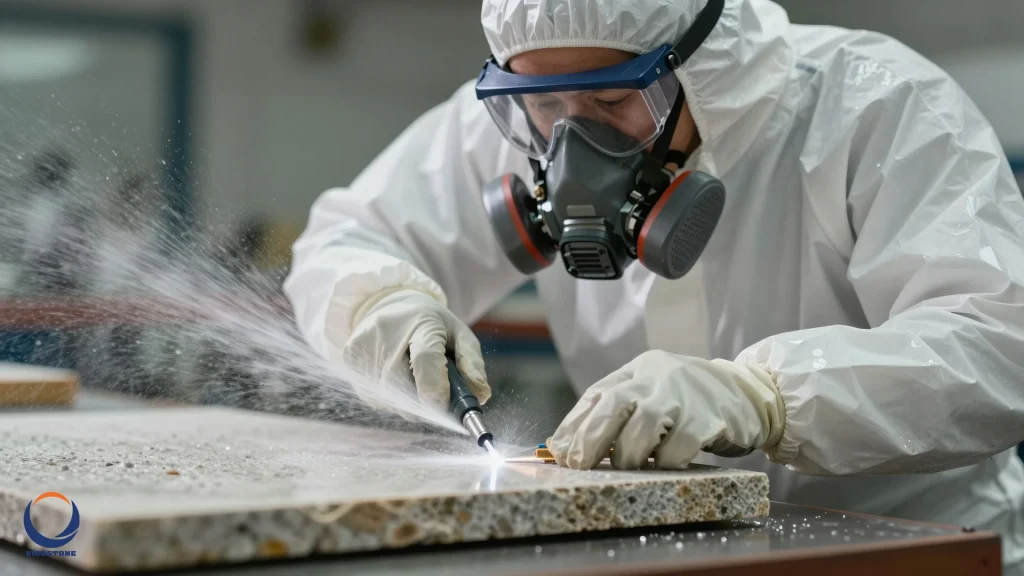
Processes like cutting, grinding, and polishing release fine respirable crystalline silica (RCS) dust into the air [1]. Inhaling this dust can lead to severe health issues. Long-term exposure is strongly linked to silicosis, a serious and sometimes fatal lung disease [3]. Other risks include lung cancer, chronic obstructive pulmonary disease, and kidney disease [5]. These dangers highlight the urgent need for safer alternatives in the workplace.
The evolving regulatory landscape
Governments worldwide are taking decisive action to mitigate silica exposure risks. This proactive stance is driven by increasing awareness of the health hazards. Australia, for example, is implementing a nationwide ban on engineered stone containing crystalline silica, effective July 1, 2024 [3]. This ban encompasses production, import, and installation.
In the United States, California has already introduced emergency safety rules for engineered stone fabrication. The state is also considering a broader ban, which could significantly impact the market given its size [3]. Similarly, the United Kingdom and European Union countries are actively reviewing regulations. They are issuing warnings to fabricators, signaling tighter rules on the horizon. These regulatory shifts compel fabricators and distributors to explore safer materials like non-silica or low-silica engineered stone [1].
What are silica-free and low-silica engineered stones?
Non-silica engineered stone is a slab material specifically formulated to avoid high crystalline silica content [1]. Instead of relying heavily on natural quartz, manufacturers reduce or replace silica with alternative mineral fillers. This innovation directly addresses fabrication safety and regulatory concerns. It represents a significant step forward for worker protection.
It is important to note that not all products marketed as "non-silica" are entirely free of silica. Some are classified as low-silica stone, meaning they contain reduced levels of crystalline silica, often below 40% [3]. Therefore, buyers must always verify technical data and not solely depend on product labels [1]. This due diligence ensures that the chosen material truly meets safety standards and project requirements.
Performance comparison: traditional quartz versus new alternatives
Traditional quartz surfaces are renowned for their durability and consistent appearance. However, their high crystalline silica content has become a major fabrication concern [1]. Consequently, many buyers are now evaluating non-silica engineered stone as a viable alternative. The primary differences between these materials lie in their composition, fabrication conditions, and supply considerations.
Here is a comparison of key factors:
- Composition: Traditional quartz typically contains 90–95% natural quartz. Non-silica engineered stone uses alternative mineral fillers with reduced or no crystalline silica [1].
- Fabrication Dust: Traditional quartz generates higher silica dust during cutting and polishing. Non-silica alternatives are designed to significantly reduce silica exposure [1].
- Regulation Pressure: Increasing safety regulations in some markets target traditional quartz. Non-silica options are developed partly to address these growing concerns [1].
- Surface Performance: Traditional quartz has proven durability and hardness. The performance of non-silica engineered stone varies, depending heavily on the manufacturing process [1].
- Supplier Evaluation: For traditional quartz, the focus is often on color consistency and price. Non-silica materials require additional review of composition and slab stability [1].
A common question arises: Does reducing silica content compromise product quality? The answer is a resounding no [4]. Thanks to advanced manufacturing technology and next-generation binders, low-silica products can meet and even exceed strict standards for hardness, durability, and aesthetics. Manufacturers like VinaQuartz are committed to producing materials that offer peace of mind without sacrificing performance. For fabricators, the choice should not solely rest on silica content. Material stability, fabrication performance, and the supplier's manufacturing control are equally crucial considerations [1].
Benefits for fabricators and contractors
The shift to silica-free and low-silica materials offers numerous advantages for fabricators and contractors. Foremost among these is enhanced worker safety. Reducing exposure to respirable crystalline silica dust significantly lowers the risk of debilitating lung diseases. This protects valuable team members and fosters a healthier work environment.
Furthermore, adopting these materials helps businesses achieve regulatory compliance. With stricter standards emerging globally, using safer alternatives minimizes legal risks and potential penalties. It also positions companies as responsible industry leaders. This proactive approach can be a significant competitive advantage. Clients are increasingly prioritizing health and safety in their homes and businesses. Offering silica-free options allows contractors to meet this growing demand [4]. It demonstrates a commitment to well-being, building trust and enhancing reputation.
Embracing these innovative materials also aligns businesses with sustainable practices. It reflects a forward-thinking approach to material sourcing and fabrication. Platforms like EON Tech are instrumental in helping businesses adapt to these evolving industry standards, providing tools and insights for efficient transitions. This commitment to innovation ensures long-term viability and growth in a changing market. Fabricators can also explore how these surfaces support healthier living spaces for families, appealing to a broader client base.
Navigating the shift: practical advice
For fabricators and contractors, navigating this transition requires careful consideration. Evaluating suppliers goes beyond simply checking silica content. It is essential to assess the manufacturer's overall capability and quality control. Look for suppliers who demonstrate strong manufacturing control, ensuring consistent slab stability, hardness, and edge quality [1]. This attention to detail will prevent unexpected issues during fabrication and installation.
Investing in appropriate training and equipment for working with new materials is also vital. While silica-free materials reduce dust risks, proper ventilation, wet cutting techniques, and personal protective equipment (PPE) remain important for all fabrication processes. Moreover, effectively communicating the benefits of these safer materials to clients is crucial. Educate them on the health advantages, durability, and aesthetic appeal of silica-free options. This helps in securing projects and building client confidence in your commitment to safety and quality.
Staying informed about the latest regulatory updates and material innovations is key. Industry resources and manufacturer information, such as Lux Quartz Vietnam's insights, can provide valuable guidance. By proactively adapting, fabricators can ensure their operations remain safe, compliant, and competitive.
Conclusion
The shift toward silica-free materials represents a pivotal moment for the fabrication and construction industries. Driven by increasing health concerns and stringent regulations, this movement prioritizes worker safety and environmental responsibility. Fabricators and contractors who embrace these innovative materials are not only ensuring compliance but also gaining a significant competitive advantage.
By understanding the differences between traditional quartz and its safer alternatives, businesses can make informed decisions. They can select materials that offer comparable performance and aesthetics without compromising health. This proactive approach fosters a safer workplace, meets evolving client demands for healthier environments, and positions businesses for sustainable success in the modern market. The future of fabrication is undoubtedly safer, healthier, and more responsible.
More information
- Engineered Stone: A composite material made from crushed stone, typically quartz, bound together with an adhesive. Traditional engineered stone contains high levels of crystalline silica, posing health risks during fabrication.
- Crystalline Silica: A natural mineral found in quartz, sand, and various rocks. When airborne as respirable dust, it can cause severe lung diseases like silicosis.
- Silicosis: An incurable lung disease caused by inhaling fine crystalline silica dust. It leads to scarring of the lungs, making breathing difficult and increasing the risk of other respiratory illnesses.
- Low-Silica Engineered Stone: Engineered stone products formulated with significantly reduced crystalline silica content, typically below 40%, to minimize health risks during fabrication.
- Silica-Free Materials: Engineered stone or other surface materials designed with little to no crystalline silica, using alternative mineral fillers to eliminate exposure risks during cutting and polishing.