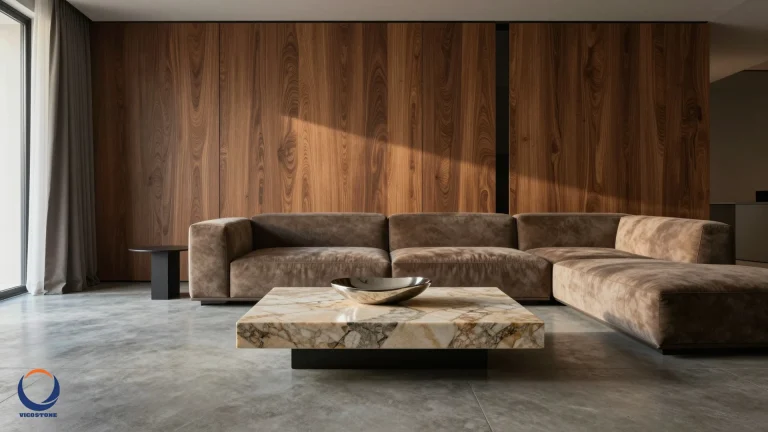
Why designers love large vein patterns in contemporary interiors
04/06/2026 04:00
The undeniable allure of bold aesthetics
In the dynamic world of interior design, trends come and go. However, some design elements possess a timeless appeal. Large vein patterns in contemporary interiors are one such enduring fascination for designers. These dramatic patterns transform spaces, adding depth, luxury, and a strong visual narrative. They are not merely decorative; they are foundational to the room's character.
Designers understand the power of a statement piece. Large vein patterns, whether in natural stone or engineered surfaces, provide this impact effortlessly. They capture attention and define the aesthetic direction of a space. This preference stems from a deep understanding of how visual elements influence mood and perception.
Defining the "why" behind design choices
The word "why" serves as a fundamental tool in language for seeking explanations [3]. In design, understanding the "why" behind material selection is crucial. Designers choose large vein patterns for specific reasons, moving beyond mere aesthetics. They consider the overall impact on the client, the functionality of the space, and the longevity of the design. This deliberate choice elevates a project from good to exceptional.
The primary reason for this affection lies in the patterns' ability to create grandeur. They introduce a sense of opulence and sophistication that smaller, more subtle patterns often cannot achieve. This is particularly true in modern luxury settings.
The statement power of large veins
Large vein patterns are inherently bold. They make a definitive statement without needing additional ornamentation. This characteristic is highly valued in contemporary design, which often favors clean lines and minimalist forms. The pattern itself becomes the art.
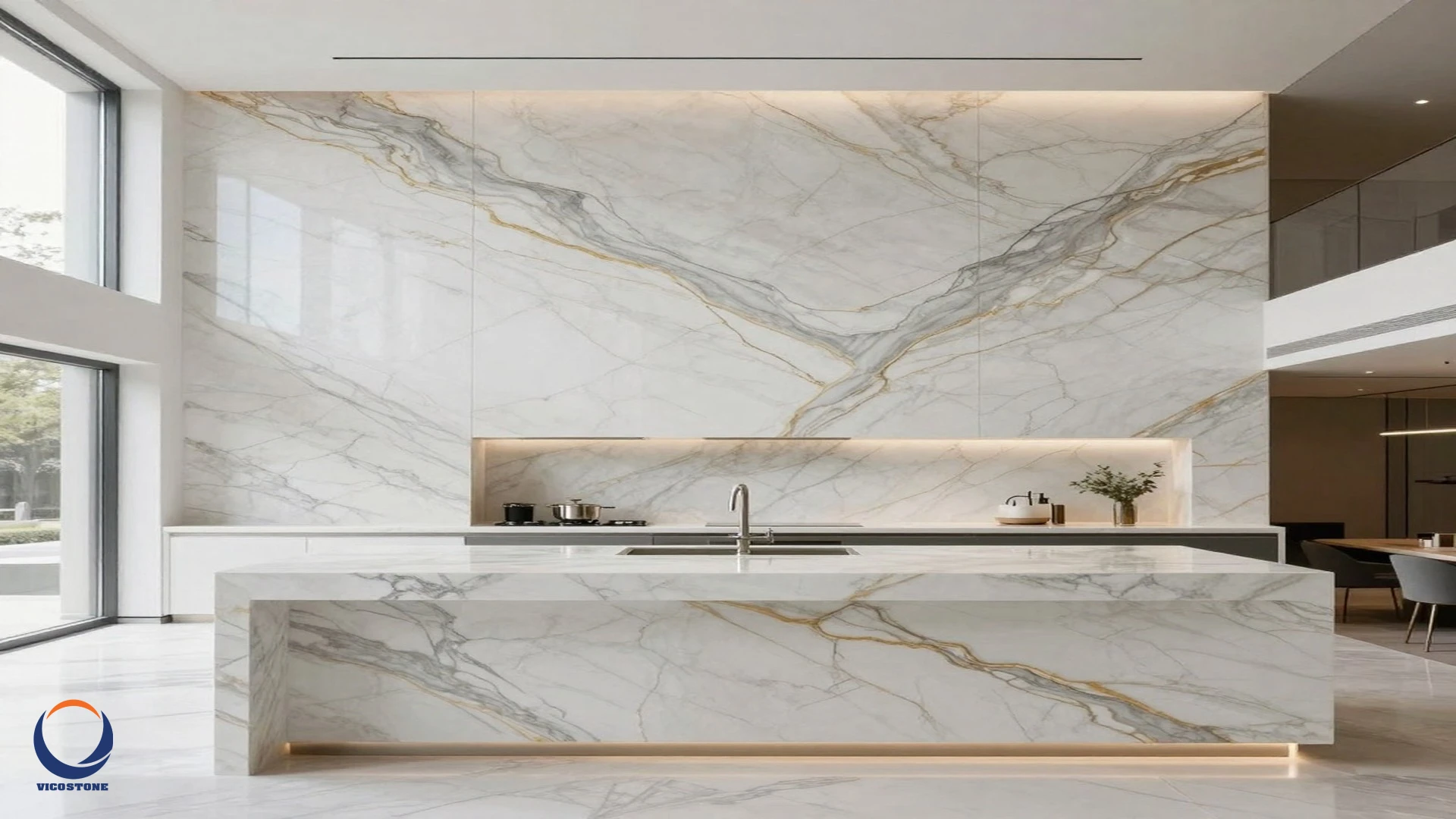
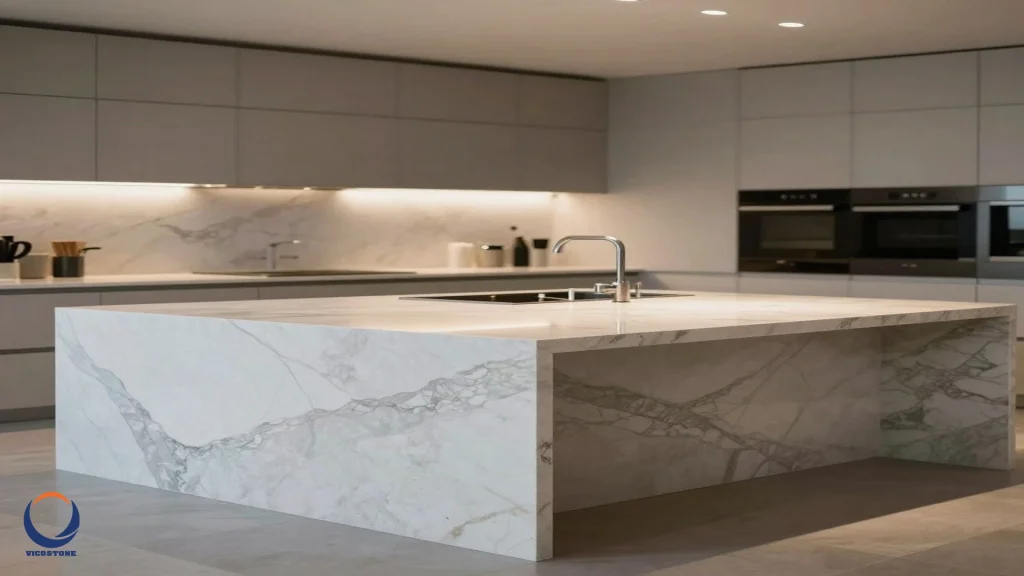
Consider a kitchen island with a striking Calacatta-inspired slab. Its large, sweeping veins instantly become the focal point of the entire room [1]. This transforms a functional area into a sculptural installation. Such a design choice speaks volumes about the space's intended feel.
A luxurious contemporary kitchen featuring a large island with a prominent, sweeping white and grey large vein quartz countertop, illuminated by soft, recessed lighting, with minimalist cabinetry in the background. — Image created by AI
Natural stone versus engineered surfaces: embracing consistency
Historically, large vein patterns were synonymous with natural marble and granite. These materials offer unique, natural patterns that elevate aesthetics [2]. However, natural stone comes with inherent variations and maintenance challenges. Engineered quartz has emerged as a formidable alternative.
Engineered quartz combines the timeless elegance of natural stone with consistent quality [1]. It offers designers the dramatic look of large veins with superior durability and low maintenance. This consistency allows for predictable design outcomes, which is invaluable in large-scale projects. Modern manufacturing processes, for example, allow for the creation of stunning abstract patterns. These can feature unique flowing waves or intersecting geometric lines [1].
Types of captivating large vein patterns
Designers have a rich palette of large vein patterns to choose from. Each type offers a distinct aesthetic and impact. Understanding these variations is key to selecting the perfect material for a project.
Bold calacatta-inspired patterns
Calacatta marble is renowned for its thick, dramatic veining. These patterns often feature bold grey or gold veins against a bright white background. They create a sense of grandeur and are perfect for making a strong visual impact [1].
Designers frequently specify these for:
Kitchen islands and waterfall edges
Feature walls in luxury bathrooms
Grand entryways and commercial lobbies
The striking contrast and scale of these veins demand attention. They turn any surface into a focal point.
Contemporary abstract patterns
Modern interior design often calls for innovative patterns. These push creative boundaries beyond traditional stone looks. Abstract large vein patterns offer a fresh, artistic approach. They can feature unique flowing waves or bold, intersecting lines.
These patterns are ideal for spaces that aim for a cutting-edge aesthetic. They introduce a dynamic energy that complements contemporary furnishings. The Calacatta Aqua Blue, for instance, showcases a modern take on traditional veining [1].
Landscape patterns: geological artistry
Some large vein patterns resemble geological formations or landscapes. These complex, painterly formations bring immense depth to a space [4]. They tell a story through their intricate designs.
Landscape patterns are excellent for:
Spa bathrooms, creating organic tranquility
Fireplace surrounds, framing the hearth with natural art
Commercial lobbies, leaving unforgettable first impressions
Treating these materials like fine art is essential. Careful slab selection and installation ensure their full beauty is realized.
Creating focal points and visual depth
Large vein patterns excel at creating immediate focal points. In an open-plan living space, a large vein countertop on a kitchen island can anchor the entire design. It draws the eye and provides a central point of interest. This helps to define zones within a larger area.
Furthermore, these patterns add significant visual depth. The interplay of colors and the movement of the veins create a three-dimensional effect. This makes a flat surface feel more dynamic and engaging. It prevents a room from feeling sterile or one-dimensional.
Achieving luxury and sophistication
The association of large vein patterns with luxury is deeply ingrained. Natural materials like marble have long been symbols of wealth and prestige. Engineered surfaces with similar patterns carry this same connotation. They instantly elevate the perceived value of a space.
Designers leverage this inherent luxury to craft sophisticated interiors. A large vein backsplash in a bathroom, for example, can transform a simple space into a spa-like retreat. This aesthetic appeal is a key driver for their popularity.
Matching large veins to your space personality
Selecting the ideal vein pattern depends heavily on the design goals and the space's personality [1]. A bold pattern might be perfect for a statement kitchen island, while a more subtle large vein could suit a cohesive countertop and backsplash design.
Balancing with minimalist surroundings
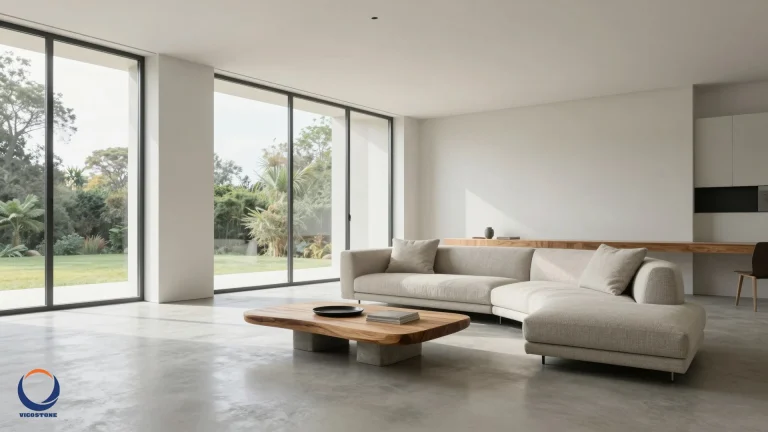
When incorporating bold, large vein patterns, balance is crucial. Designers often pair dramatic veining with minimalist surroundings [4]. This allows the stone to truly "sing" without overwhelming the space. Simple cabinetry and clean lines provide a perfect backdrop.
This approach ensures the large veins remain the star of the show. It prevents visual clutter and maintains a sense of sophisticated restraint. The result is a powerful yet harmonious interior.
Enhancing specific areas
Large vein patterns can be strategically used to enhance particular areas. In a grand entryway, they set the tone from the moment guests arrive [4]. For kitchen islands: the new social hub for young families, they turn a functional surface into a work of art.
Designers also use them for feature walls. This creates a living canvas in living rooms or dining areas. The pattern becomes an integral part of the architectural design.
The role of consistency and durability
Modern materials, particularly engineered quartz, offer significant advantages in consistency. Unlike natural stone, where each slab is unique, engineered quartz can be produced with remarkable uniformity. This is particularly beneficial for large projects requiring multiple slabs. The predictability in pattern and color ensures a cohesive look across expansive surfaces.
Durability is another non-negotiable factor for designers. Surfaces in contemporary homes must withstand daily wear and tear. Engineered quartz provides exceptional resistance to scratches, stains, and heat. This makes it an ideal choice for high-traffic areas like kitchen countertops and commercial spaces. The combination of stunning aesthetics and practical resilience makes large vein engineered surfaces a top choice. EON Tech continues to innovate in this space, ensuring designers have access to the best materials.
Installation techniques for maximum impact
The installation of large vein patterns is as important as the material selection. Techniques like bookmatching and pattern matching elevate the visual impact significantly. These methods ensure the veins flow seamlessly across surfaces.
Bookmatching: the mirror effect
Bookmatching involves mirroring two adjacent slabs. This creates a striking, symmetrical pattern, much like an open book [4]. It works best with veins that have a clear directional flow. This technique is perfect for creating showstopper feature walls or large fireplace surrounds. It creates a sense of intentional artistry.
Pattern matching: continuous flow
For extended surfaces, pattern matching maintains visual continuity. The veins connect across multiple slabs, creating a continuous, flowing design [4]. This is ideal for long kitchen backsplashes or expansive flooring. A "dry lay" technique is essential here. It allows for pre-installation adjustments to confirm the flow.
Future trends and lasting appeal
The appeal of large vein patterns is not a fleeting trend. Their ability to deliver drama, luxury, and visual interest ensures their continued relevance. As manufacturing technologies advance, we can expect even more innovative and customizable large vein designs. Designers will continue to explore new ways to integrate these powerful patterns into contemporary spaces.
The shift towards sustainable and high-performance materials also supports this trend. Engineered surfaces offer the aesthetic benefits of natural stone with added environmental and practical advantages. This makes them a responsible and stylish choice for modern interiors. Veined-patterned surfacing will remain a bold design statement.
Conclusion: why large veins are here to stay
In conclusion, designers love large vein patterns in contemporary interiors for a multitude of reasons. They offer unparalleled aesthetic impact, creating focal points and adding visual depth. These patterns infuse spaces with a sense of luxury and sophistication. Furthermore, modern engineered materials provide the consistency and durability required for today's demanding environments. Whether through bold Calacatta-inspired designs or innovative abstract patterns, large veins empower designers to craft truly memorable and impactful spaces. Understanding why quartz-based surfaces remain popular in luxury homes highlights this enduring appeal. The deliberate choice of these patterns reflects a designer's commitment to creating spaces that are both beautiful and functionally superior.
More information
Engineered quartz: A manufactured material composed of natural quartz crystals, resins, and pigments, known for its durability, low maintenance, and ability to mimic natural stone patterns with consistent quality.
Calacatta-inspired patterns: Bold, dramatic veining typically featuring thick grey or gold lines against a bright white background, often used to create a luxurious and grand aesthetic in interior design.
Bookmatching: An installation technique where two adjacent slabs of stone or engineered material are laid out to create a mirrored, symmetrical pattern, enhancing the visual impact of veining.
Focal point: A specific area or design element within a room that immediately draws the eye and serves as the primary center of visual interest, often achieved with bold patterns or unique features.
Visual depth: The illusion of three-dimensionality and varying distances within a two-dimensional design, created by the interplay of patterns, colors, and textures, making a space feel more dynamic and less flat.