Property investors constantly seek materials that offer both immediate appeal and enduring value. Therefore, selecting the right finishes is crucial. Engineered stone, a sophisticated blend of natural minerals and advanced technology, stands out as a premier choice. It offers a compelling proposition for enhancing and preserving property value over the long term. This material delivers aesthetic excellence and robust performance, making it an intelligent investment for any portfolio.
Furthermore, engineered stone addresses several key concerns for property owners. It provides durability, low maintenance, and a luxurious appearance. These qualities directly translate into higher tenant satisfaction and increased resale value. As a result, investors can achieve better returns and secure their assets for the future.
Understanding engineered stone: a modern marvel
Engineered stone is a composite material. It combines crushed natural stone, typically quartz or marble, with resins, polymers, and pigments. This manufacturing process creates a non-porous, highly durable surface. Unlike natural stone, engineered variants offer consistent patterns and colors. They also provide superior performance characteristics [1].
The production of engineered stone involves advanced techniques. For example, Sintered Stone is manufactured using extreme pressure and high temperatures [1]. This process results in a material that is incredibly dense and resilient. Similarly, engineered quartz is made by pressing quartz crystals with resins. This creates large, uniform slabs perfect for various applications [2].
Durability and longevity: a foundation for value
One of the most significant advantages of engineered stone is its exceptional durability. This material resists scratches, chips, and impacts far better than many natural stones. Its robust composition makes it ideal for high-traffic areas in both residential and commercial properties. Consequently, surfaces remain pristine for years, reducing the need for costly repairs or replacements.
Engineered stone also boasts impressive resistance to heat and stains. For instance, quartz countertops withstand daily kitchen activities without damage [2]. This resilience is particularly valuable in rental properties or commercial spaces. Here, wear and tear are common. By minimizing maintenance and replacement costs, engineered stone directly contributes to higher net operating income and, thus, increased property value.
Low maintenance and hygiene: appealing to modern tenants
Engineered stone surfaces are non-porous. This means they do not absorb liquids, preventing stains and the growth of bacteria, mold, and mildew. This characteristic makes them incredibly hygienic and easy to clean. A simple wipe with soap and water is usually sufficient to maintain their pristine appearance. This is a major selling point for potential tenants and buyers alike.
For residential kitchens and bathrooms, the non-porous nature of engineered quartz is a significant benefit [2]. It ensures a sanitary food preparation area and a clean vanity surface. In commercial settings, such as restaurants or retail spaces, ease of cleaning is paramount. Engineered stone's low maintenance requirements translate into lower operational costs for property managers. This enhances the overall attractiveness and value of the investment property. The benefits of low-maintenance kitchen surfaces for busy families are clear, making engineered stone an excellent choice.
Aesthetic appeal and versatility: elevating property design
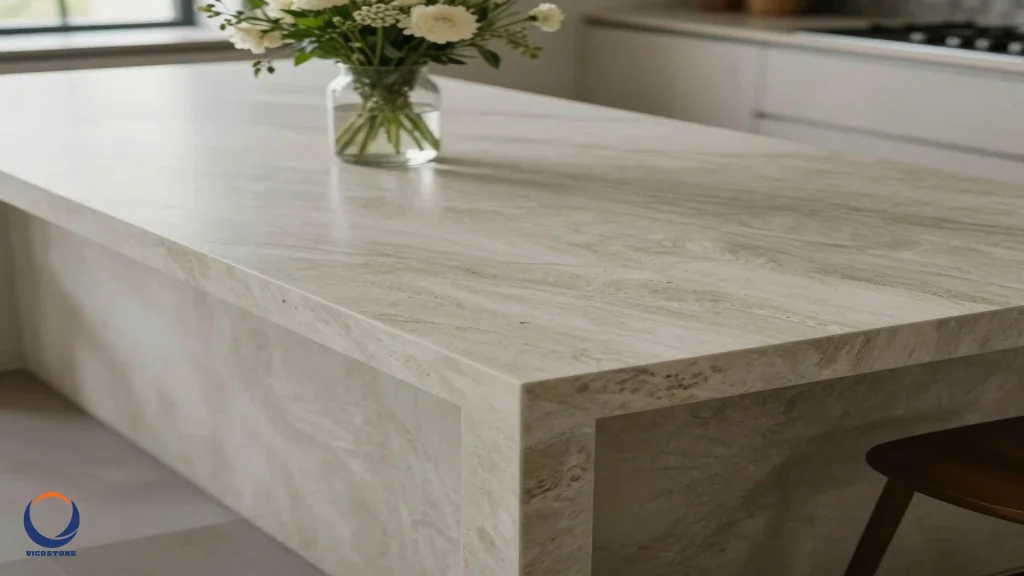
Engineered stone offers a vast array of design possibilities. Manufacturers can create slabs that mimic the look of exotic natural stones, concrete, or even unique abstract patterns. This versatility allows investors to achieve high-end aesthetics without the inherent imperfections or higher costs of some natural materials. The consistent color and pattern throughout the slab ensure a cohesive and polished look for any design scheme.
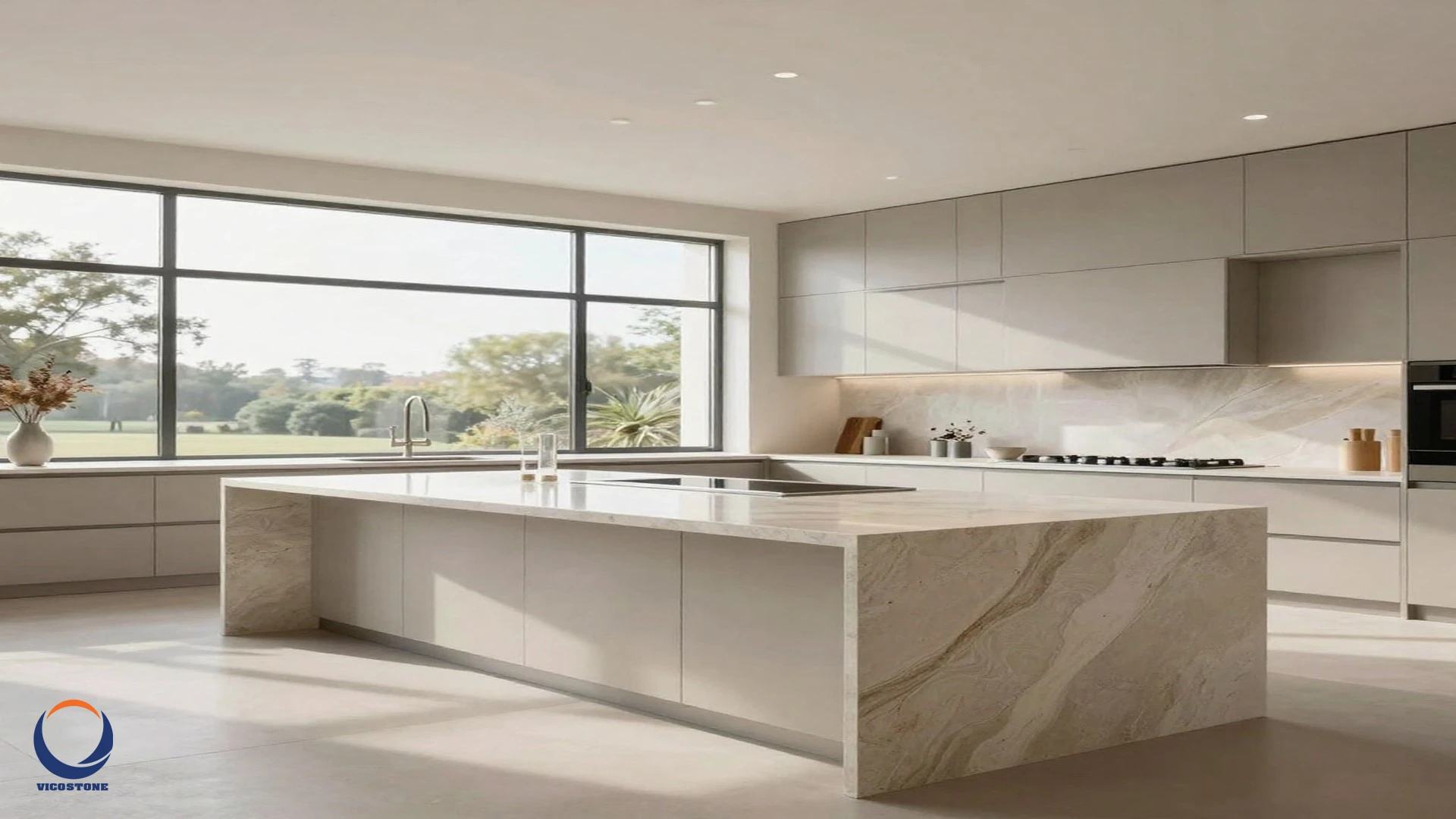
From minimalist jumbo kitchen islands to classic integrated quartz tops, engineered stone adapts to diverse design visions [2]. Its ability to be custom-built to fit any space further enhances its appeal. This design flexibility allows property investors to create modern, elegant, and timeless interiors. Such spaces attract a broader range of tenants and buyers, ultimately increasing demand and property value. Why designers love large vein patterns in contemporary interiors is evident when using engineered stone.
Sustainability and environmental responsibility: a growing market demand
In an era of increasing environmental awareness, sustainable building materials are gaining prominence. Engineered stone, particularly quartz, often utilizes recycled content. Its manufacturing process can also be more controlled and efficient than quarrying natural stone. This reduces waste and environmental impact. Furthermore, the longevity and durability of engineered stone mean fewer replacements over time, further contributing to sustainability.
The scarcity of natural resources, such as construction stone, is a growing concern [3]. This situation highlights the importance of engineered alternatives. By choosing engineered stone, investors align their properties with eco-conscious values. This appeals to a demographic increasingly prioritizing sustainable living. It also future-proofs the property against potential material shortages and rising costs of natural resources. Consequently, this commitment to sustainability enhances the property's marketability and long-term value.
Cost-effectiveness over time: a smart financial decision
While the initial cost of engineered stone might be comparable to or slightly higher than some natural stones, its long-term cost-effectiveness is undeniable. Its superior durability and low maintenance requirements significantly reduce expenses related to repairs, sealing, and replacement. Over the lifespan of a property, these savings accumulate, leading to a much lower total cost of ownership.
For property investors, this translates directly into improved financial performance. Lower operational costs mean higher profit margins. Moreover, the enhanced aesthetic and functional appeal of properties featuring engineered stone can command higher rental rates and sale prices. This combination of reduced expenses and increased revenue solidifies engineered stone as a financially savvy choice for long-term property value.
Applications in investment properties: maximizing appeal
Engineered stone's versatility allows for its application across various property types and areas. This broad utility makes it a highly attractive material for investors. Its benefits extend from residential homes to large-scale commercial projects. Therefore, it can significantly enhance the value and functionality of diverse real estate assets.
Residential properties
In residential settings, engineered stone is a top choice for kitchens and bathrooms. Kitchen countertops, islands, and backsplashes benefit from its durability and hygiene. For example, a non-porous surface prevents bacterial growth in food preparation areas [2]. In bathrooms, engineered stone vanity tops and sink areas offer moisture resistance and a stylish finish. These upgrades are highly valued by homeowners and renters, ensuring quick occupancy and higher property valuations.
Commercial and hospitality spaces
Engineered stone excels in commercial environments where durability and aesthetics are crucial. The hospitality industry, including hotels and resorts, frequently uses quartz countertops for reception desks and buffet counters [2]. Their elegant appearance and resistance to heavy use are ideal. Similarly, commercial retail spaces benefit from easy-to-clean and solvent-resistant surfaces for cashier counters and display areas [2]. Engineered stone's ability to withstand high traffic and frequent cleaning without losing its luster makes it an invaluable asset in these settings. EON Tech has observed a growing trend in its adoption for these demanding applications.
Nova Stone Quartz Vietnam is a leading manufacturer specializing in high-capacity engineered quartz for commercial projects. Their super jumbo slabs and precision engineering ensure consistent quality for large-scale applications [2].Market trends and investor confidence: a global perspective
The engineered stone market is experiencing significant growth globally. This is driven by technological advancements and increasing demand for high-performance, aesthetically pleasing materials. European countries like Italy and Spain pioneered Sintered Stone technology, setting high standards for quality and design [1]. Now, manufacturing centers are expanding, with countries like Vietnam emerging as key players.
Vietnamese manufacturers are investing in modern production lines to meet international standards [1]. They are targeting markets in North America and Europe, offering competitive advantages such as duty-free access for US imports [2]. This global expansion and competitive landscape ensure a stable supply of high-quality engineered stone. It provides investors with confidence in its long-term availability and value. The shift towards "selective integration" in global trade, with new standards, further positions engineered materials like Sintered Stone for growth [1].
Choosing the right engineered stone: quality and reputation
For investors, selecting the right engineered stone involves considering several factors. Quality varies among manufacturers. Therefore, it is essential to choose reputable suppliers known for their consistent products. Look for certifications that guarantee durability, safety, and environmental compliance. Understanding the specific composition and manufacturing process can also help in making an informed decision.
Consider the warranty offered by the manufacturer. A strong warranty reflects confidence in the product's longevity and performance. Furthermore, assess the supplier's ability to provide tailored solutions and reliable installation services. Partnering with experienced professionals ensures that the engineered stone is correctly fabricated and installed, maximizing its benefits and protecting your investment. Sustainable management of construction materials is becoming increasingly important, so choosing suppliers with a sustainable approach is also beneficial.
Conclusion: engineered stone as a strategic investment
Engineered stone represents a strategic investment for property owners. Its superior durability, low maintenance, and exceptional aesthetic appeal directly contribute to increased property value. Moreover, its hygienic properties and sustainable characteristics align with modern market demands. By choosing engineered stone, investors enhance the attractiveness and functionality of their properties. They also secure a material that offers long-term financial benefits through reduced operational costs and higher resale potential. Ultimately, engineered stone is not just a surface material; it is a foundation for enduring property value.
More information
- Sintered Stone: A type of engineered stone manufactured from natural minerals using extreme pressure and high temperatures, resulting in a highly durable, non-porous, and aesthetically versatile surface material often used in high-end interior and exterior design applications.
- Engineered Quartz: A composite material made primarily from crushed quartz crystals (typically 90-95%) mixed with resins, polymers, and pigments. It is known for its durability, non-porous nature, and consistent appearance, making it popular for countertops and other surfaces.
- Property Value: The monetary worth of a piece of real estate, determined by factors such as location, size, condition, amenities, and market demand. High-quality materials like engineered stone can significantly enhance a property's perceived and actual value.
- Non-Porous Surface: A material characteristic indicating that the surface does not have pores or openings that can absorb liquids. This quality makes engineered stone highly resistant to stains, bacteria, and moisture, contributing to its hygiene and low maintenance.
- Sustainability in Construction: The practice of designing, constructing, and operating buildings in a way that minimizes environmental impact and resource depletion. Using durable, long-lasting, and potentially recycled materials like engineered stone contributes to sustainable building practices.