Our homes are more than just structures; they are sanctuaries that profoundly impact our well-being. Every element within these spaces contributes to our overall comfort, and surprisingly, the surfaces we touch and see play a crucial role in shaping our emotional state. The tactile and visual qualities of materials can evoke feelings of warmth, calm, excitement, or even stress. Understanding this connection allows us to design living environments that truly nurture our minds and bodies.
From the moment we step inside, our senses begin to process the environment. The smooth coolness of a marble countertop, the soft embrace of a velvet sofa, or the grounding texture of a wooden floor all send subtle signals to our brains. These signals influence our mood and perception of comfort. Interior designers increasingly recognize the psychological impact of materials, moving beyond mere aesthetics to create spaces that resonate on a deeper, emotional level.
This article explores the fascinating relationship between surface materials and emotional comfort. We will delve into how different textures, finishes, and compositions can transform a house into a truly comforting home. By making conscious choices about the materials in our living spaces, we can cultivate an environment that supports our emotional health and provides a genuine sense of peace.
The psychology of touch and texture
Touch, or the tactile sense, is a fundamental aspect of human interaction with the world [3]. It has a powerful ability to generate emotional responses. For instance, rough objects can make social interactions feel more challenging, while heavy objects might convey importance [3]. In interior design, touch is a key tool for creating a sensory experience that influences the emotions of those inhabiting a space [3].
The haptic sense, our ability to perceive objects through touch, is deeply intertwined with our emotional processing. When we interact with different surfaces, our brains interpret these sensations, linking them to past experiences and innate preferences. This psychological connection is why certain materials instantly make us feel relaxed, while others might feel cold or uninviting. The tactile experience goes beyond just physical sensation; it taps into our subconscious emotional landscape.
Soft versus hard textures: creating balance
The contrast between soft and hard textures is a cornerstone of comfortable interior design. Soft textures, such as plush rugs, linen curtains, and cushioned furniture, inherently evoke warmth and comfort [5]. They are ideal for creating a cozy atmosphere, especially in private spaces like bedrooms and living rooms. These materials absorb sound and light, contributing to a sense of enclosure and security.
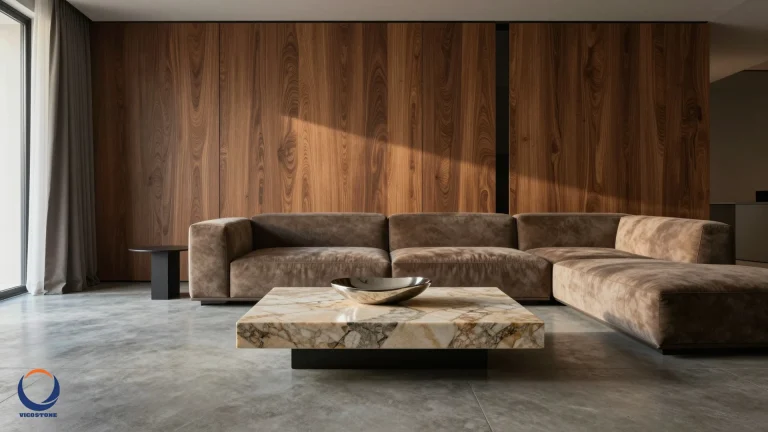
Conversely, hard textures like sleek marble, polished metals, or exposed wood add structure and sophistication [5]. While they might seem less "comfortable" in a direct tactile sense, they provide visual anchors and a sense of permanence. A thoughtful balance between soft and hard elements prevents a space from feeling either too sterile or overly relaxed [5]. This interplay creates visual interest and a dynamic, yet harmonious, environment.
Matte versus glossy finishes: light and mood
Beyond texture, the finish of a surface also significantly impacts emotional comfort. Matte textures absorb light, creating a subtle, understated elegance [5]. They often feel softer and more natural, contributing to a calm and grounded atmosphere. Matte finishes are excellent for walls, furniture, and upholstery, as they reduce glare and create a diffused, gentle light quality.
In contrast, glossy surfaces reflect light, adding brightness and a sense of spaciousness to a room [5]. They can make a space feel more modern, energetic, and luxurious. However, too many glossy surfaces can sometimes feel overwhelming or cold. Incorporating a mix of both matte and glossy finishes enhances visual interest and maintains a balanced emotional tone. This careful selection ensures that the light interaction within a room contributes positively to its overall feel.
Natural materials: grounding and warmth
Natural materials have an inherent ability to connect us with the outdoors, fostering a sense of grounding and tranquility. Wood, for example, is a classic choice for its warmth, durability, and timeless appeal. The grain patterns and natural variations in wood evoke a sense of authenticity and history. Whether it's a rustic reclaimed wood beam or a finely polished hardwood floor, wood surfaces often contribute to a cozy and inviting atmosphere.
Stone, another ancient material, brings a sense of strength and permanence to a home. Marble, granite, and slate offer unique textures and visual depth. Their cool, smooth surfaces can be refreshing in warmer climates or provide a sophisticated contrast to softer elements. The natural imperfections and unique patterns in stone surfaces remind us of the earth's beauty, promoting a feeling of stability and connection to nature.
Furthermore, materials like cork and bamboo offer sustainable and tactilely pleasing options. Cork, with its soft, yielding texture, provides excellent insulation and sound absorption, contributing to a quiet and comfortable environment. Bamboo, known for its strength and distinctive grain, introduces an organic, yet refined, aesthetic. These natural elements are essential for creating spaces that feel both luxurious and rooted in nature. For those seeking long-term value, understanding how engineered stone supports long-term property value for investors can be particularly insightful.
Fabric and textiles: the embrace of softness
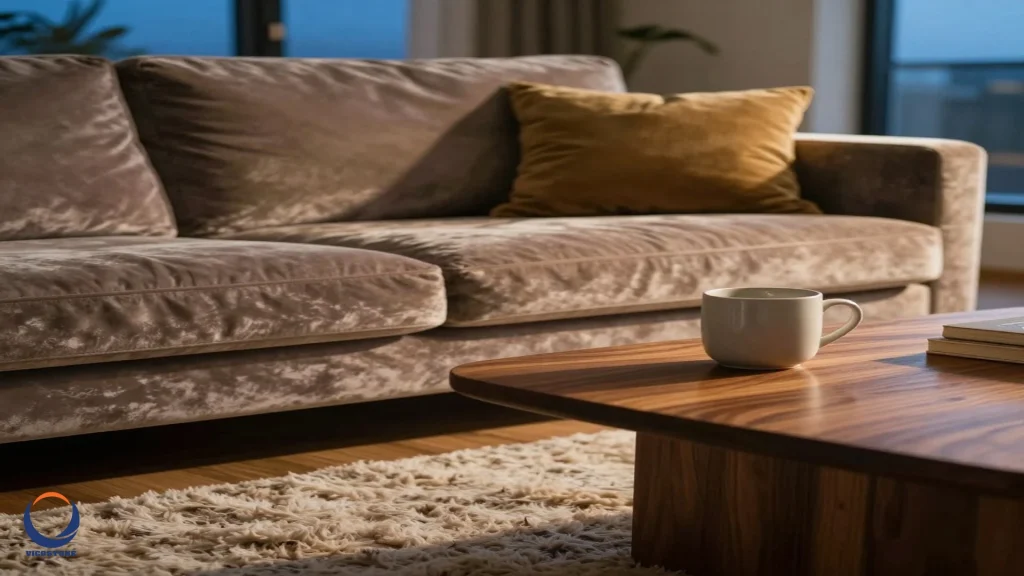
Fabrics and textiles are perhaps the most direct contributors to a home's soft, inviting qualities. The choice of upholstery, drapery, and rugs can dramatically alter a room's emotional comfort. Plush velvet, for instance, exudes luxury and warmth, inviting touch and relaxation. Its deep pile absorbs light, creating a rich, intimate ambiance. Linen, on the other hand, offers a more casual, breathable feel. Its slightly textured, natural drape brings an effortless elegance and a sense of calm.
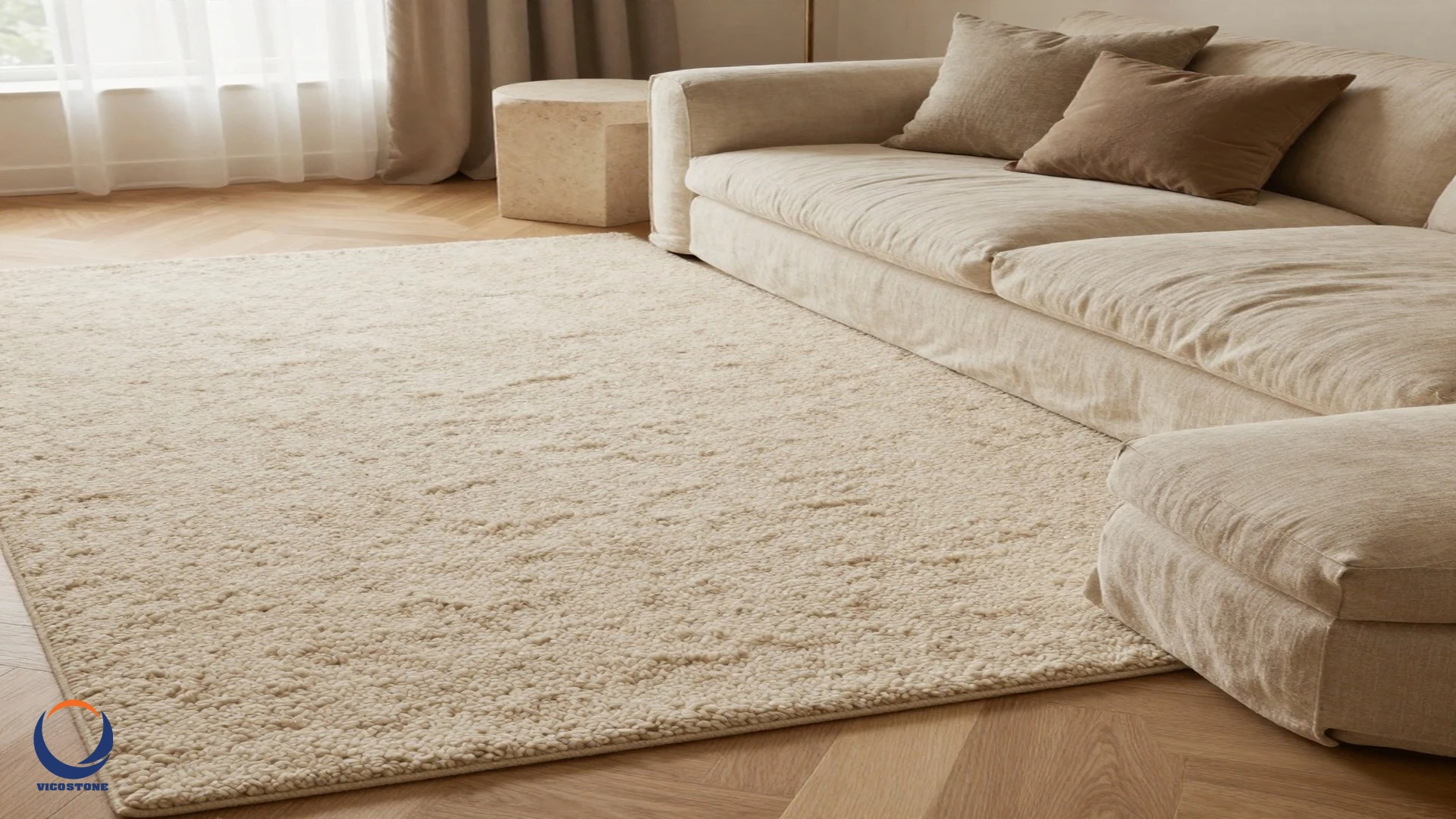
Wool rugs and throws add unparalleled coziness and sound dampening. Their soft fibers provide a comforting underfoot experience and visual warmth, especially in cooler climates. Cotton, with its versatility, can range from crisp percale sheets that feel cool and clean to soft, brushed cotton that offers gentle warmth. These materials are crucial for creating sensory layers that make a home feel truly lived-in and comfortable.
Layering multiple textures, including various fabrics, is key to a well-designed space [5]. A mix of woven baskets, stone countertops, and soft fabric seating creates a visually engaging space that feels dynamic and inviting. This thoughtful combination of materials ensures that every corner of the home offers a unique tactile and visual experience, contributing to overall emotional well-being.
Modern and engineered surfaces: sleekness and versatility
Modern homes often incorporate various types of surfaces, from natural materials to advanced technological devices and engineered solutions. While the focus here is on home materials, the broader landscape of "surfaces" also includes the sleek, functional designs of technology, such as those offered by Surface Việt[1], which contribute to the overall aesthetic of a contemporary living space. Similarly, retailers like SURFACECITY[2] and Surfacehcm[4] highlight the prevalence of high-tech surfaces in our daily lives, showcasing how diverse materials coexist within our personal environments.
Engineered stone, for example, offers a blend of natural beauty and enhanced performance. Its non-porous surface provides durability and hygiene, making it a popular choice for kitchen countertops and bathroom vanities. The consistent patterns and wide range of colors available in engineered stone allow for a sleek, contemporary aesthetic that can still feel warm and inviting, especially when paired with natural wood or soft textiles. The new era of silica-free innovation in surface design, championed by companies like EON Tech, is further expanding the possibilities for both aesthetics and safety in modern homes.
Metals like brushed brass, stainless steel, and matte black finishes introduce a touch of industrial chic or refined elegance. Their cool, smooth surfaces can provide a striking contrast to softer elements, adding visual interest and a modern edge. Glass, whether in windows, tabletops, or decorative elements, brings transparency and lightness, allowing natural light to flood the space and creating an open, airy feel. These materials, when used thoughtfully, can contribute to a sophisticated and emotionally balanced interior.
The role of color and light interaction
The color of a surface works hand-in-hand with its texture and finish to influence emotional comfort. Warm colors like reds, oranges, and yellows on textured surfaces can amplify feelings of coziness and energy. Cool colors such as blues, greens, and purples, especially on smooth or glossy surfaces, tend to promote calmness and serenity. The interaction of light with these colored surfaces is also critical. A matte, dark-colored wall will absorb light, creating an intimate, cave-like feeling, while a glossy, light-colored surface will reflect light, making a room feel more expansive and bright.
Natural light plays a pivotal role in how we perceive surface materials. Sunlight illuminating a textured brick wall highlights its ruggedness, while the same light on a polished concrete floor emphasizes its sleekness. Artificial lighting also has a significant impact. Warm, diffused lighting can soften the appearance of hard surfaces, making them feel more inviting. Conversely, cool, direct lighting can accentuate the modern, minimalist qualities of certain materials. Understanding this interplay allows designers to manipulate the emotional atmosphere of a room effectively.
Creating a personal sanctuary: practical applications
Transforming a house into a comforting home involves intentional choices about surface materials. Start by considering the primary function and desired mood of each room. For a bedroom, prioritize soft, tactile materials like a plush carpet, linen bedding, and velvet upholstery to foster relaxation. In a living room, balance the softness of a sofa with the grounding presence of a wooden coffee table and a textured area rug. You might also consider why surface texture matters in interior design for more insights.
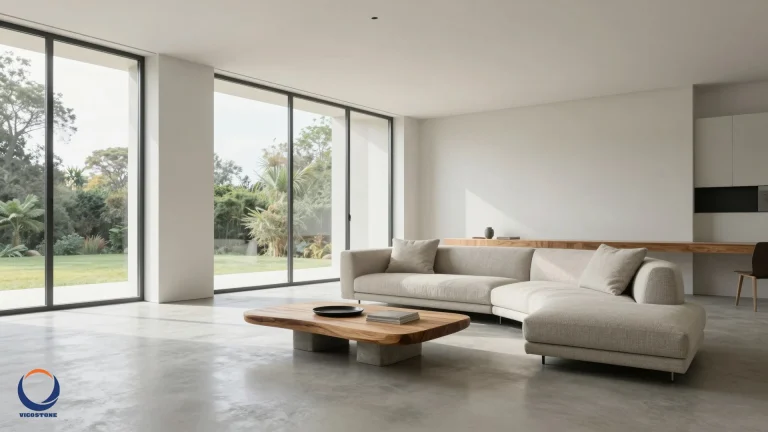
Don't be afraid to experiment with layering different textures to add depth and dimension [5]. A smooth, cool countertop can be softened by placing a woven placemat or a ceramic bowl on it. A hard, sleek floor can be made more inviting with a soft, shaggy rug. Pay attention to how materials feel underfoot, against your skin, and how they interact with light throughout the day. These subtle details collectively contribute to the emotional comfort of your space.
Ultimately, emotional comfort is a deeply personal experience. What feels comforting to one person might not to another. Take time to observe which materials and textures you are naturally drawn to. Do you prefer the crispness of cotton or the warmth of wool? The sleekness of glass or the earthiness of clay? Your personal preferences should guide your material choices, ensuring your home truly reflects and supports your unique emotional needs. By consciously curating the surfaces in your home, you can create a sanctuary that nurtures your well-being and provides a constant source of comfort and joy.
Conclusion
The surfaces within our homes are far more than mere decorative elements; they are powerful influencers of our emotional comfort and well-being. From the grounding qualities of natural wood and stone to the embracing softness of fabrics and the sleek sophistication of modern engineered materials, each surface contributes to the overall sensory experience of a space. Understanding the psychology behind touch and texture allows us to make informed design choices that cultivate specific emotional responses.
By thoughtfully balancing soft and hard, matte and glossy, and by layering diverse textures, we can create environments that feel inviting, secure, and deeply personal. The interplay of color and light further enhances these tactile qualities, shaping the mood and atmosphere of every room. Ultimately, a home designed with an awareness of surface materials becomes a true sanctuary, a place where emotional comfort is not just an aspiration but a tangible reality, fostering peace and contentment in daily life.
More information
- Tactile Sensory Experience: The perception of physical properties of objects through touch, including texture, temperature, and pressure. It plays a significant role in how individuals interact with and emotionally respond to their environment.
- Haptic Perception: The active exploration of objects through touch, involving both sensory and motor systems. It allows us to understand material properties and contributes to our emotional and cognitive experiences of a space.
- Emotional Comfort: A state of psychological well-being and ease experienced within an environment. It is influenced by sensory inputs, including the visual and tactile qualities of surrounding materials, contributing to feelings of safety, relaxation, and belonging.
- Layering Textures: The design technique of combining multiple types of textures within a space to create visual depth, interest, and a richer sensory experience. It helps prevent a room from feeling flat or monotonous.
- Engineered Stone: A composite material made from crushed quartz or other aggregates, bound by resins. It offers durability, low maintenance, and a wide range of aesthetic options, often used for countertops and other surfaces in modern homes.