The global manufacturing landscape is undergoing a profound transformation. There is a growing imperative for sustainability and worker safety. This shift is driving innovation in material science and production processes. Businesses are increasingly seeking alternatives to traditional materials. Many of these materials pose significant health and environmental risks.
One critical area of focus is the reduction or elimination of crystalline silica. This common mineral is found in many building and industrial products. Its presence has long been a concern for public health and environmental advocates. Silica-free innovation represents a pivotal step forward. It promises a future where manufacturing is both productive and profoundly responsible.
Understanding the hidden dangers of crystalline silica
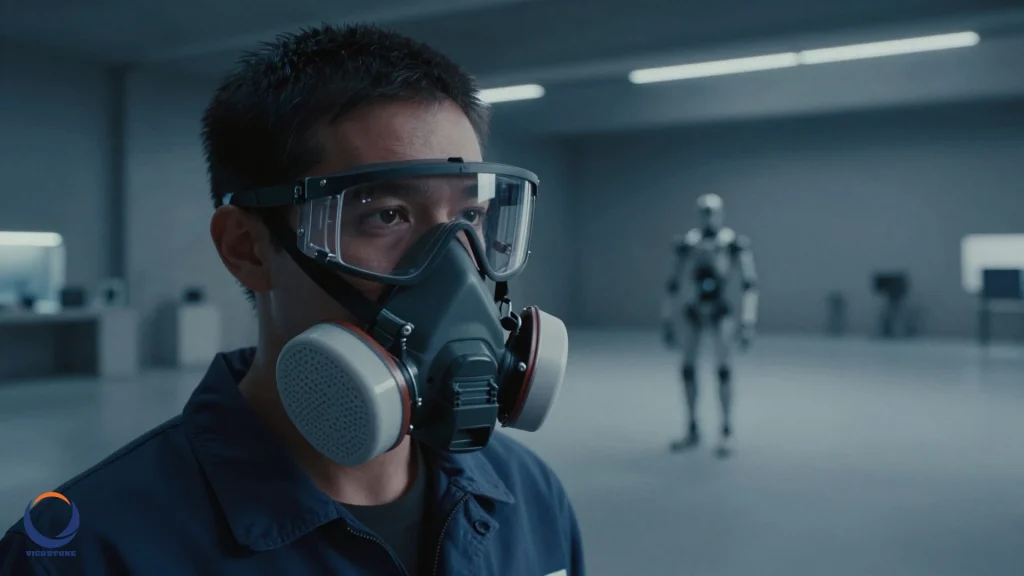
Crystalline silica is a natural mineral. It is a fundamental component of sand, quartz, and granite. It is widely used in construction, ceramics, and engineered stone products. However, fine particles of respirable crystalline silica (RCS) dust are highly hazardous. These particles are released during cutting, grinding, or drilling processes. Inhalation of RCS dust can lead to severe health problems [1].
The most well-known illness is silicosis. This debilitating lung disease causes irreversible scarring. It impairs breathing and can be fatal. Exposure also increases the risk of lung cancer, chronic obstructive pulmonary disease (COPD), and kidney disease [1]. Workers in fabrication, construction, and mining industries are particularly vulnerable. Protecting these individuals is a moral and regulatory imperative.
Governments worldwide are tightening regulations on silica exposure. This includes stricter permissible exposure limits (PELs) and enhanced monitoring requirements [2]. These regulations underscore the urgent need for safer material alternatives. They also highlight the importance of improved dust control measures. Companies failing to adapt face significant legal and reputational risks.
Defining silica-free innovation in manufacturing
Silica-free innovation goes beyond simply reducing silica content. It entails a proactive approach to material design. The goal is to eliminate or significantly minimize crystalline silica. This ensures a safer product throughout its lifecycle. It impacts production, installation, and end-of-life disposal. It represents a fundamental shift in manufacturing philosophy.
True silica-free solutions involve replacing quartz and other high-silica components. They use alternative raw materials. These might include various types of glass, recycled ceramics, or advanced composite polymers. The focus is on achieving comparable or superior performance. This must be done without the inherent health risks of silica dust. This innovative mindset drives the development of next-generation materials.
The pillars of responsible manufacturing
Responsible manufacturing is built on several interconnected principles. Silica-free innovation directly supports these pillars. First, worker safety is paramount. Eliminating silica reduces the risk of occupational diseases. It creates healthier working environments. This protects the most valuable asset: human capital.
Second, environmental stewardship is crucial. Many silica-free materials incorporate recycled content. They may also have lower energy requirements for production. This reduces the overall environmental footprint. Responsible sourcing of raw materials is also a key consideration. It ensures ethical and sustainable supply chains.
Third, product lifecycle management gains importance. Silica-free products are designed for durability and longevity. They also consider end-of-life options. This includes recyclability or safe disposal. This holistic approach minimizes waste. It also conserves resources. Consumers increasingly demand products that align with these values.
Finally, ethical business practices are essential. This includes transparency in material composition. It also involves clear communication about health and safety benefits. Companies that embrace these principles build trust. They also enhance their brand reputation. This fosters long-term success and market leadership.
Innovations in silica-free materials and technologies
The market is seeing a surge in silica-free material development. Engineered surfaces are at the forefront of this revolution. Manufacturers are developing new formulations. These use alternative aggregates and binders. For example, some engineered stone products now utilize advanced glass or porcelain components. These alternatives provide the aesthetic appeal and durability of traditional quartz. However, they do so without the high silica content [3]. These innovations are critical for industries like kitchen and bathroom fabrication.
Advanced ceramics and porcelain are also gaining traction. These materials are inherently low in crystalline silica. They offer exceptional hardness, heat resistance, and aesthetic versatility. Their expanded use in countertops, flooring, and wall cladding provides safe, high-performance options. Furthermore, sustainable composites are emerging. These often incorporate bio-based resins or recycled industrial waste. They offer lightweight yet robust solutions. These materials are suitable for various applications. This includes automotive, aerospace, and consumer goods.
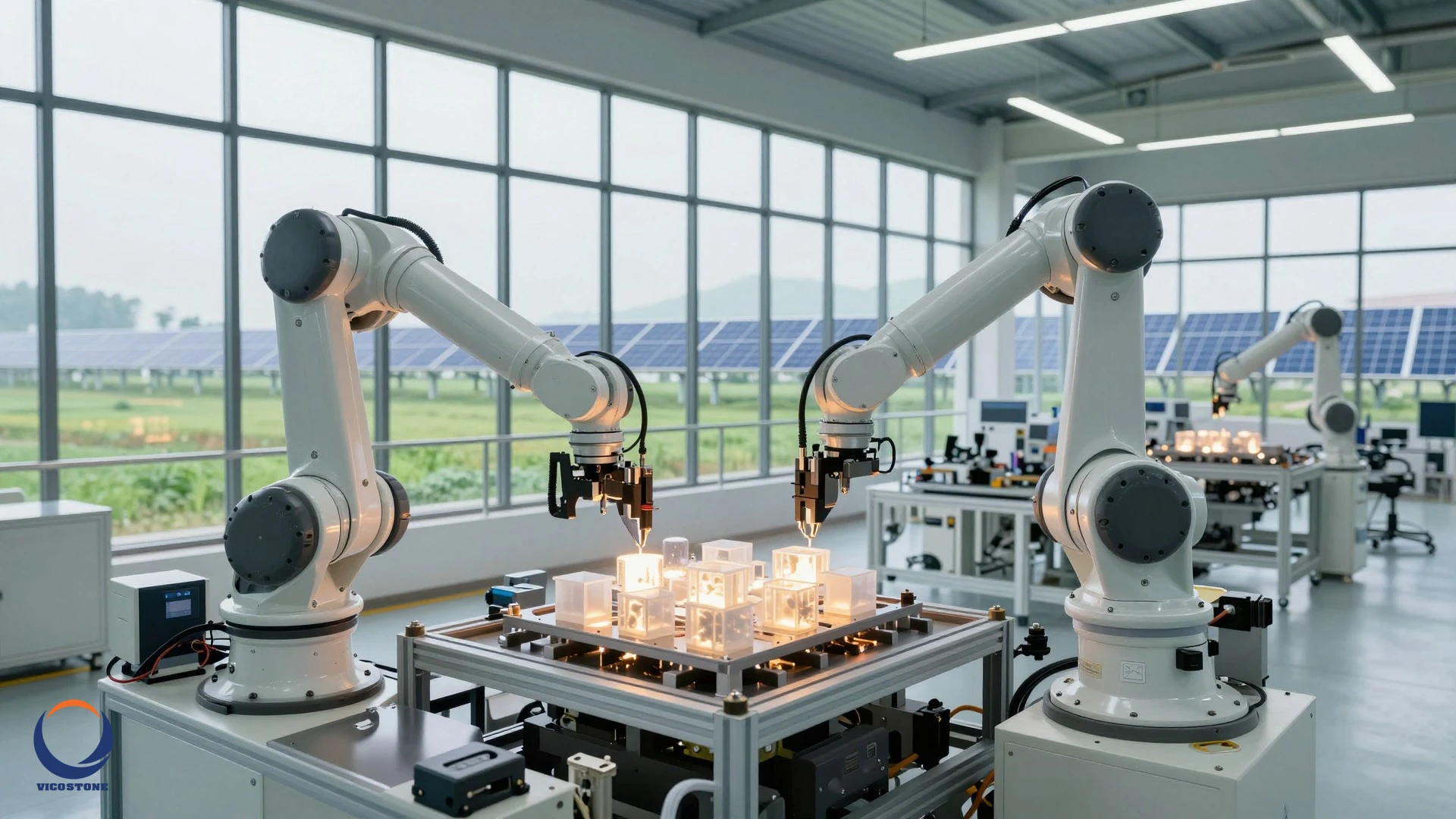
Technological advancements also play a vital role. Improved dust suppression systems are being integrated into manufacturing equipment. Automated cutting and fabrication processes minimize human exposure. Precision engineering reduces material waste. Platforms like EON Tech are driving innovation in material science, accelerating the development of these safer alternatives. These technologies ensure that the transition to silica-free is efficient and effective. They also maintain high production standards. You can explore more about these advancements in why silica-free surfaces matter for the next generation of fabrication.
Benefits beyond safety: A holistic approach
Adopting silica-free innovation offers a multitude of benefits. These extend far beyond basic worker safety. Companies that embrace these materials enhance their brand reputation significantly. They are seen as forward-thinking and socially responsible. This resonates strongly with today's environmentally conscious consumers and partners.
Regulatory compliance becomes a competitive advantage. Proactive adoption of silica-free solutions helps businesses stay ahead of evolving regulations. It minimizes the risk of fines, legal challenges, and operational disruptions. This ensures smoother market access and long-term stability. It also demonstrates a commitment to best practices.
Often, silica-free materials offer improved product performance. Many new formulations boast superior durability, scratch resistance, and stain resistance [4]. They can also provide greater design flexibility and aesthetic options. This allows for innovative product development. It also helps create market differentiation. Such advancements can lead to increased customer satisfaction and loyalty.
Furthermore, a commitment to safety attracts top talent. Workers prefer to operate in environments that prioritize their health. This leads to higher employee morale, reduced absenteeism, and lower turnover rates. Ultimately, investing in silica-free innovation is an investment in a more resilient and attractive business. Consider how these solutions contribute to future-proof interiors with silica-free surface solutions.
Challenges and the path forward
Despite the clear advantages, the transition to silica-free manufacturing faces challenges. The initial investment in research and development can be substantial. Companies may need to retool factories or acquire new machinery. This can be a barrier for smaller enterprises. However, the long-term benefits often outweigh these upfront costs.
Ensuring a consistent supply of new raw materials is another hurdle. Developing robust and reliable supply chains for alternative components takes time. Education and awareness are also critical. Consumers, designers, and fabricators need to understand the benefits of these new materials. Clear communication can help overcome resistance to change.
Standardization is also essential for widespread adoption. Developing clear industry standards for "silica-free" claims will build trust. It will also ensure consistency across the market. Finally, collaboration is key. Industry leaders, academic institutions, and government bodies must work together [5]. This partnership can accelerate research, share best practices, and facilitate policy development. This collective effort will pave the way for a safer manufacturing future.
Conclusion
Silica-free innovation is more than just a trend. It is a fundamental shift towards responsible manufacturing. It addresses critical health concerns for workers. It also promotes environmental stewardship. This approach enhances product performance and strengthens brand reputation. The journey involves overcoming challenges related to cost, supply, and awareness. However, the benefits for people, planet, and profit are undeniable.
Embracing silica-free materials and processes is crucial. It is an investment in a sustainable and safer future. It empowers manufacturers to lead with integrity. It also allows them to create products that benefit everyone. The future of manufacturing is undoubtedly silica-free, responsible, and innovative.
More Information
- Crystalline Silica: A common mineral found in materials like sand, quartz, and granite. When finely ground, respirable crystalline silica dust can cause severe lung diseases like silicosis.
- Silicosis: A serious, irreversible lung disease caused by inhaling tiny particles of crystalline silica dust. It leads to scarring of the lungs and difficulty breathing.
- Engineered Stone: A composite material made from crushed stone bound together by an adhesive. Traditionally high in quartz (crystalline silica), newer formulations aim for low or no silica content.
- Responsible Manufacturing: A holistic approach to production that prioritizes worker safety, environmental protection, ethical sourcing, and product lifecycle considerations.
- Material Innovation: The process of developing new materials or improving existing ones to achieve enhanced properties, sustainability, or safety, often addressing specific industry challenges.