The kitchen often serves as the true heart of any home. For families, this space is even more central. It is a hub of activity, from daily meal preparation to homework sessions and social gatherings. Therefore, choosing the right elements for your kitchen goes beyond mere aesthetics. You must consider how well they will stand up to constant use. Durability becomes a non-negotiable factor in ensuring your family kitchen remains both beautiful and functional for years to come.
A durable kitchen withstands the rigors of family life. It resists scratches, stains, and impacts. This resilience saves you time, money, and stress in the long run. Investing in robust materials and quality construction is a smart decision for any household. It ensures your kitchen can keep pace with your family's dynamic needs.
The demanding nature of family life
Family kitchens endure significant wear and tear. They are high-traffic zones. Children’s activities, frequent cooking, and entertaining all contribute to daily challenges. Surfaces must withstand spills, dropped items, and general heavy use. Without durability, your kitchen components will quickly show signs of age and damage. This can lead to costly repairs or premature replacements.
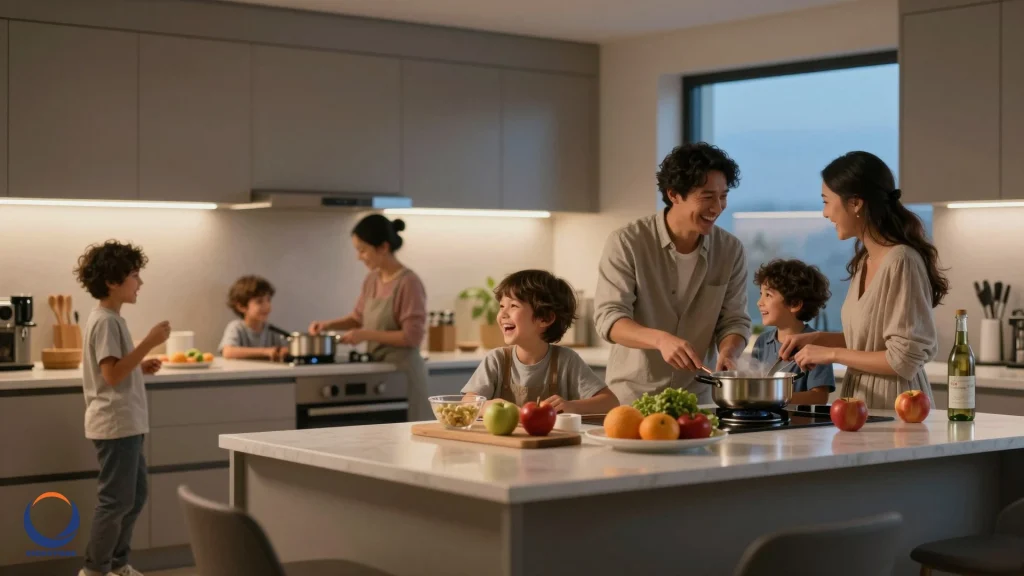
Consider the constant demands placed on kitchen surfaces. Hot pans, sharp utensils, and acidic spills are common occurrences. A durable kitchen is designed to handle these everyday incidents. It maintains its aesthetic appeal and structural integrity. This provides peace of mind for busy parents. It also creates a more enjoyable environment for everyone.
Countertops: the frontline of durability
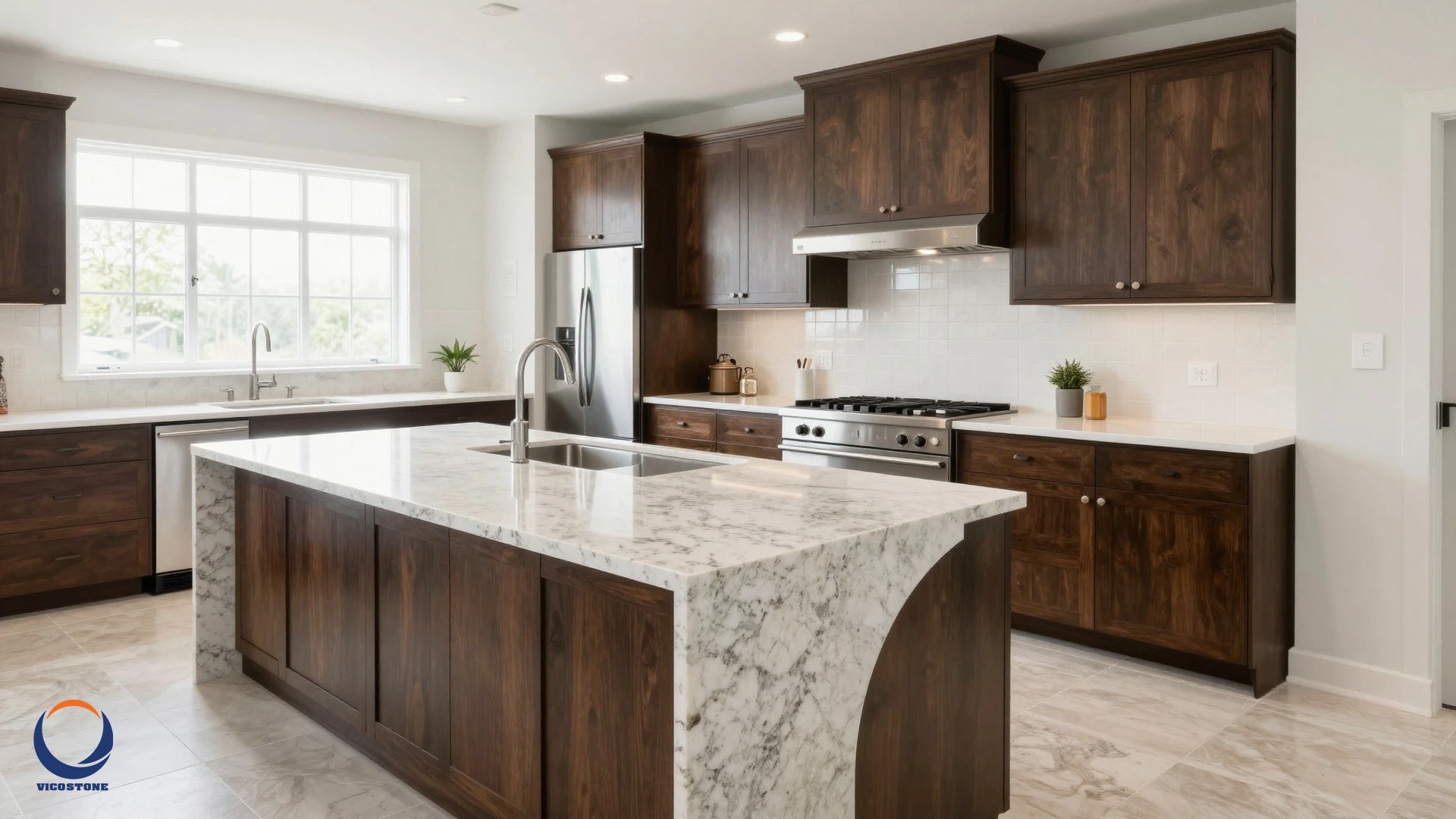
Countertops are arguably the most used surface in any kitchen. They face direct contact with food, liquids, and various kitchen tools. Their durability is paramount. When selecting countertop materials, longevity and resistance to damage are key considerations [1]. Different materials offer varying levels of resilience. Understanding these differences helps in making an informed choice.
Exploring popular countertop materials
Several materials are popular for kitchen countertops. Each has distinct characteristics regarding durability and maintenance. Let's examine some common options:
- Granite: This natural stone is renowned for its impressive durability [1]. Granite resists high temperatures, scratches, and cuts effectively. It retains its beauty for many years. However, granite requires annual sealing to prevent stains and water penetration [1]. This regular maintenance is crucial for its longevity.
- High-quality engineered quartz: Engineered quartz stands out for its luxurious look and exceptional durability [1]. It offers excellent resistance to scratches, heat, and water. Cleaning engineered quartz is also very easy. Unlike natural stone, it does not need periodic sealing. This saves time and maintenance costs [1]. Brands like Lux and Vicostone exemplify this material's benefits.
- Marble: Marble countertops provide a sophisticated and luxurious aesthetic. However, they are more susceptible to water, dirt, and corrosion [1]. Preserving marble's beauty demands meticulous care. Spills must be wiped immediately. Regular waterproofing is also necessary. This material requires a higher level of maintenance.
- Artificial stone: Modern artificial stone counters offer good durability and stain resistance. Yet, they can be more prone to scratches and cracks [1]. While often visually striking, their long-term resilience might be less than engineered quartz or granite.
Cabinetry and hardware: built to last
Kitchen cabinets are essential for storage and organization. They also contribute significantly to the kitchen's overall aesthetic. In a family setting, cabinet doors and drawers are opened and closed countless times every day. This constant use necessitates robust construction and high-quality hardware. Weak hinges or flimsy drawer slides will quickly fail. This leads to frustration and repair expenses.
Leading brands understand this need for longevity. For example, IXINA, a German kitchen cabinet brand, emphasizes durability [2]. Their products are designed to last for at least 15 years in perfect condition. Hinges and sliding systems are built for durable operation [2]. Cabinet colors resist fading from sunlight. Surfaces are stain- and scratch-resistant. These European standards provide peace of mind for homeowners [2]. When choosing cabinetry, look for solid construction. Also, check for high-quality hardware. This ensures your investment stands the test of time.
Flooring: a foundation of strength
Kitchen flooring must endure heavy foot traffic, spills, and dropped objects. It acts as the foundation for all kitchen activities. Opting for durable flooring materials is crucial. Options like ceramic or porcelain tiles are excellent choices. They are highly resistant to water, stains, and scratches. Vinyl flooring also offers good durability and water resistance. Engineered wood can be a stylish yet resilient option. It is important to select materials that can withstand the specific demands of your household. This prevents premature wear and tear.
Appliances: reliability for daily routines
Kitchen appliances are integral to daily family life. From refrigerators to ovens and dishwashers, they are used multiple times a day. Investing in reliable, durable appliances is wise. Higher quality appliances often come with better warranties. They also typically have longer lifespans. This reduces the frequency of replacements and repairs. It also ensures consistent performance for your family's cooking needs. Researching brands and reading reviews can guide you toward dependable choices.
The importance of proper maintenance
Even the most durable materials benefit from proper care. Regular maintenance significantly extends the life and preserves the beauty of your kitchen [1]. Simple habits can make a big difference. For instance, wiping spills immediately prevents stains [1]. Always using a cutting board protects countertops from scratches [1]. Hot pots should never be placed directly on surfaces. These practices minimize damage and keep your kitchen looking new.
The effect of maintenance on durability is profound [1]. Neglecting care can shorten the lifespan of even the toughest materials. Conversely, consistent attention ensures your kitchen components perform optimally. This proactive approach safeguards your investment. It also maintains a hygienic environment. Following manufacturer guidelines for cleaning is always recommended.
Personalization meets longevity
Today's consumers desire kitchens tailored to their lifestyles [2]. This trend of personalization extends beyond aesthetics. Families want spaces that reflect their preferences and cooking habits. However, this desire for customization must be balanced with the need for durability [2]. A personalized kitchen should also be a stable one. It must endure high usage while maintaining its appearance and functionality for many years [2]. This is where quality craftsmanship and material selection become critical. The concept of "why" we make certain choices is fundamental here [5].
Brands like IXINA focus on creating designs that cater to individual preferences [2]. They offer choices in materials, storage solutions, and appliances. This personalization is a hallmark of their commitment to dream kitchens. Furthermore, they ensure these custom kitchens withstand the test of time [4]. This balance between style and substance is vital for family homes. It ensures both immediate satisfaction and long-term value. This is a key reason many families prioritize quality brands.
Health, environment, and peace of mind
Modern families increasingly prioritize health and environmental protection [2]. They seek products made from sustainable materials. They also look for those that minimize harm to the environment. This is especially true in the kitchen. The health of loved ones is paramount in this space. Durable materials often contribute to a healthier home. They reduce the need for frequent replacements. This minimizes waste. Also, many durable materials are non-porous. This inhibits bacterial growth. This makes them more hygienic.
Companies are responding to these concerns. For instance, IXINA adheres to stringent certifications. These include Golden M, CARB2, Blauer Engel, and F4Star [2]. These certifications reflect a commitment to minimizing harmful chemicals. They also promote the use of sustainable materials. Such choices position brands as responsible options for health- and environmentally-conscious consumers. Choosing materials with these credentials offers an added layer of assurance. It ensures your kitchen is not only durable but also safe for your family. The team at EON Tech believes that integrating sustainable and durable materials is key to future-proof kitchen design.
Making a smart investment
A kitchen renovation is a significant investment. Opting for durability protects that investment. It ensures your kitchen retains its value and appeal over the years. A durable kitchen means fewer repairs and less stress. It also provides a better return on investment if you ever decide to sell your home. Buyers often value kitchens that are well-built and maintained. Therefore, choosing quality materials from the outset is a financially savvy decision.
Professional advice and warranties play a crucial role [1]. Consulting with kitchen designers helps in selecting appropriate materials. They can guide you through the options. They also understand the demands of family life. Furthermore, robust warranties offer protection against defects. They provide confidence in your purchase. Always inquire about warranty coverage for materials and installation. This safeguards your investment against unforeseen issues. This approach ensures your kitchen remains a source of joy for decades. Consider exploring designing health-conscious kitchens with modern surface materials for further insights. Also, the growing popularity of seamless kitchen surfaces for modern homes highlights the demand for both aesthetics and resilience.
Conclusion
The kitchen is more than just a place to cook. It is a central hub for family life. Its ability to withstand daily activity is paramount. Durability in family kitchens is not a luxury; it is an absolute necessity. From robust countertops to sturdy cabinetry and resilient flooring, every element contributes to a long-lasting and functional space. Investing in durable materials and quality craftsmanship ensures your kitchen remains a beautiful, safe, and efficient environment. It will serve your family well for many years to come. This thoughtful approach transforms your kitchen into a truly enduring heart of the home.
More Information
- Countertop Durability: Refers to a material's ability to withstand daily wear and tear, including resistance to scratches, heat, stains, and impacts, ensuring longevity and maintaining aesthetic appeal in high-traffic kitchen environments.
- Personalized Kitchens: Kitchen spaces designed and customized to reflect a family's specific lifestyle, cooking habits, and aesthetic preferences, balancing individual desires with practical needs and functionality.
- "Why" (Grammatical Function): An interrogative adverb used to inquire about the reason, cause, or purpose behind an action, event, or phenomenon, fundamental for seeking explanations and understanding in communication.
- German Quality Standards: A benchmark for manufacturing excellence, characterized by precision engineering, rigorous testing, and a commitment to producing highly durable, reliable, and long-lasting products, often with extended warranties.
- Environmental Certifications: Official recognitions or labels indicating that a product or company meets specific environmental performance criteria, such as minimal harmful chemicals, sustainable sourcing, or reduced ecological impact.