In an era of constant connectivity and visual overload, the very definition of luxury is undergoing a profound transformation. Gone are the days when opulence was measured solely by ornate details, gilded accents, and extravagant displays of wealth. Today, a new paradigm has emerged, one that champions understated elegance, thoughtful design, and a deep appreciation for quality over quantity. Simplicity is no longer merely a design choice; it has become the ultimate expression of luxury in contemporary interiors.
This shift reflects a broader societal movement towards mindfulness, sustainability, and a desire for spaces that foster well-being rather than just impress. Discerning homeowners and designers are increasingly gravitating towards interiors that offer a serene sanctuary, free from clutter and unnecessary embellishment. This evolving aesthetic, often termed "quiet luxury," emphasizes tactile materials, refined craftsmanship, and a harmonious balance that speaks volumes without uttering a single word [5].
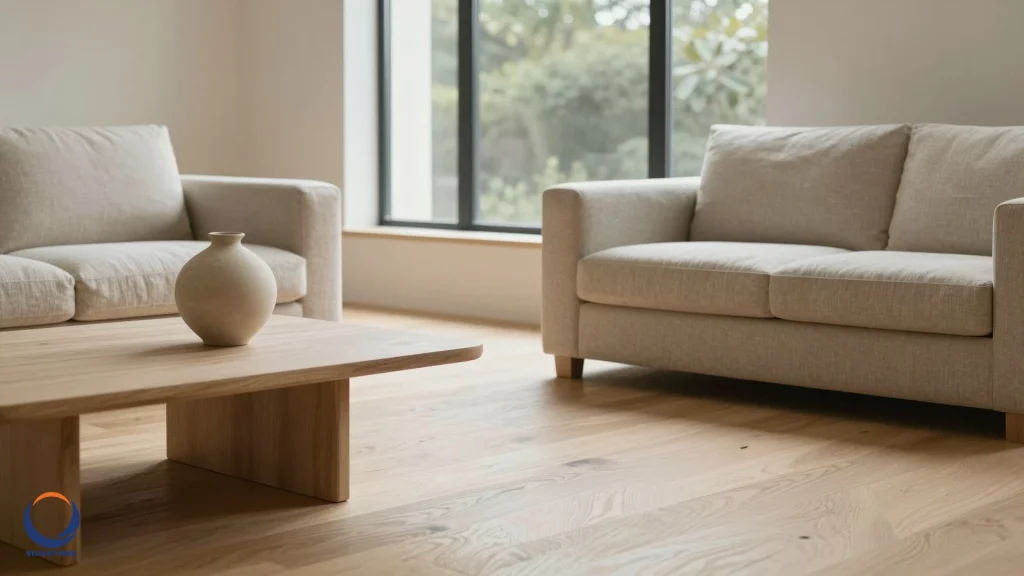
The evolution of luxury: from ostentation to understated elegance
Historically, luxury was synonymous with grandeur. Think of Baroque palaces, Victorian mansions, or even the Gilded Age estates, all characterized by their elaborate ornamentation, rich textiles, and an abundance of decorative elements. These spaces were designed to convey status and power through overt displays of wealth and intricate artistry. The more elaborate, the more luxurious it was perceived.
However, the 21st century has ushered in a different sensibility. Modern life, with its relentless pace and digital noise, has cultivated a yearning for calm and clarity. Consumers are increasingly aware of the environmental impact of over-consumption and are seeking more sustainable, meaningful ways of living. This collective shift has naturally extended to interior design, where the focus has moved from external showmanship to internal experience.
The contemporary interpretation of luxury is less about what something costs and more about its inherent value, its story, and its ability to enhance daily life. It's about investing in pieces that are built to last, that possess timeless appeal, and that contribute to a peaceful and functional environment. This is the core reason why simplicity is redefining luxury [3].
Defining quiet luxury: more than just aesthetics
Quiet luxury is not merely a trend; it is a philosophy that permeates every aspect of interior design. It eschews flashy logos and overt branding in favor of subtle sophistication. The true essence lies in the meticulous selection of materials, the precision of craftsmanship, and the thoughtful arrangement of space [5]. It's about creating an atmosphere where comfort, functionality, and beauty coexist harmoniously.
This approach prioritizes quality over quantity, investing in fewer, better items that will endure both physically and aesthetically. A quiet luxury interior might feature a single, exquisitely crafted armchair instead of a room full of mediocre furniture. It values the tactile experience of natural fabrics, the warmth of solid wood, and the subtle sheen of polished stone. These elements combine to create a sense of enduring value and refined taste that doesn't need to shout for attention.
Ultimately, quiet luxury is about creating a personal sanctuary. It's a space that feels authentic, comfortable, and deeply personal, reflecting the homeowner's discerning eye and their appreciation for the finer, often understated, things in life.
The key pillars of simple luxury interiors
Achieving a simple yet luxurious interior involves a deliberate focus on several core design principles. These elements work in concert to create spaces that are both visually appealing and profoundly calming.
Neutral color palettes for serene backdrops
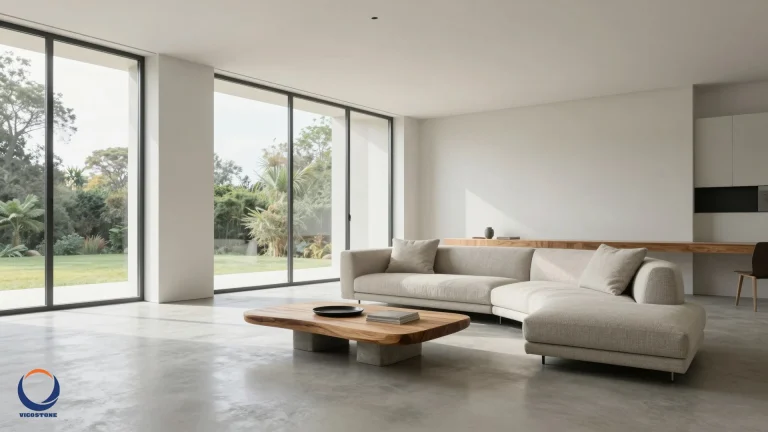
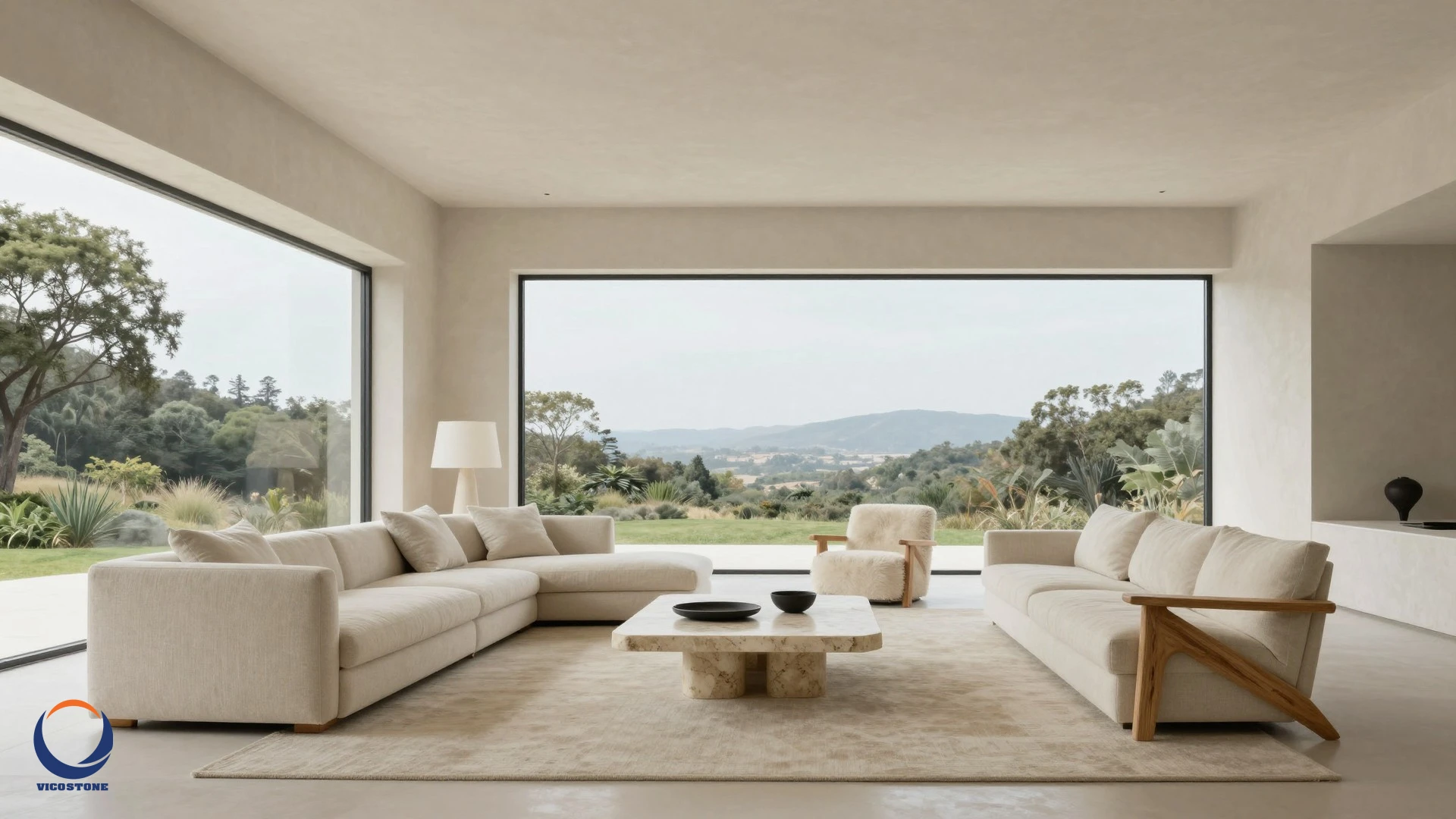
The foundation of a simple luxury interior often begins with a carefully curated neutral color palette. Shades of white, cream, beige, soft gray, and muted earth tones dominate these spaces. These hues create an immediate sense of tranquility and serve as a versatile canvas, allowing other design elements to shine without overwhelming the senses [1]. They reflect natural light beautifully, making rooms feel more expansive and airy [5].
The beauty of neutrals lies in their ability to evoke calm and sophistication. They provide a timeless backdrop that can be subtly enhanced with textures, natural materials, and carefully chosen accent pieces. This approach ensures that the space remains elegant and inviting for years to come, transcending fleeting trends.
High-quality, natural materials as the focal point
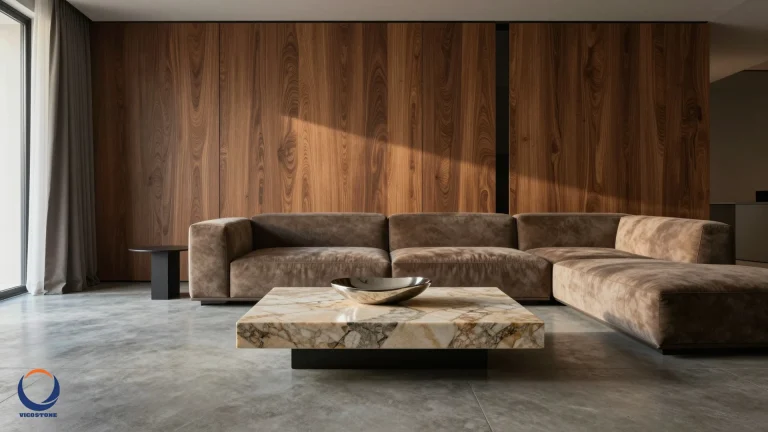
In simple luxury, materials are paramount. The emphasis is on natural, authentic, and durable substances that age gracefully and offer a rich tactile experience. Think of solid hardwoods like oak or walnut, luxurious natural stones such as marble or granite, and textiles like linen, cashmere, silk, and high-thread-count cotton [5]. These materials are chosen not for their ostentatious display but for their inherent beauty, longevity, and the sensory pleasure they provide.
The investment in such materials speaks to an appreciation for craftsmanship and sustainability. They often have unique textures and variations that add depth and character to a space, creating visual interest without relying on excessive ornamentation. For instance, the subtle veining in a marble countertop or the natural grain of a wooden floor elevates the entire room.
Functional simplicity and clean lines
A hallmark of simple luxury is its unwavering commitment to functionality and clean design. Every piece of furniture and decor is carefully selected for its purpose and its aesthetic contribution, ensuring that there is no superfluous clutter [1]. Furniture often features streamlined silhouettes, minimalist forms, and an absence of unnecessary embellishments [2]. This focus on utility ensures that spaces are not only beautiful but also highly livable.
The principle of "less is more" is evident here, where the absence of clutter allows the quality and form of individual pieces to be truly appreciated. This design approach creates an environment that feels organized, efficient, and effortlessly elegant. It promotes a sense of calm by reducing visual noise, allowing the mind to relax and focus.
Abundant natural light and thoughtful lighting design
Natural light is a powerful design element in simple luxury interiors. Large windows, open layouts, and light-colored surfaces are utilized to maximize the influx of sunlight, creating bright and inviting spaces [1]. The interplay of light and shadow adds dynamic interest and a sense of airiness to a room, enhancing its overall atmosphere.
Beyond natural light, artificial lighting is also approached with subtlety and purpose. Rather than harsh overhead fixtures, simple luxury often employs layered lighting, with soft, ambient sources like hidden LED strips, elegant floor lamps, and understated wall sconces. These create a warm, inviting glow that can be adjusted to suit different moods and times of day, contributing to the overall sense of tranquility [5].
Space optimization and open layouts
Efficient space utilization is a defining characteristic of simple luxury. This doesn't necessarily mean small spaces, but rather a thoughtful approach to how space is used and perceived. Open floor plans are common, fostering a sense of flow and connection between different areas [2]. Clever storage solutions are integrated seamlessly into the design, keeping clutter out of sight and maintaining the clean aesthetic [1].
The goal is to create an environment that feels expansive and unencumbered, allowing residents to move freely and comfortably. This strategic use of space contributes significantly to the feeling of calm and order that is central to the simple luxury aesthetic. It's about maximizing the potential of every square foot without overcrowding.
The "less is more" philosophy and its enduring roots
The concept of "less is more" is deeply embedded in the minimalist movement, which serves as a significant precursor to today's simple luxury trend. This philosophy originated in the early 20th century with movements like Bauhaus and Functionalism, championed by architectural pioneers such as Ludwig Mies van der Rohe [2]. His iconic works demonstrated that beauty and functionality could be achieved through stark simplicity and precise execution.
Beyond Western modernism, the principles of minimalism also found harmony with Eastern philosophies, particularly Zen. Japanese design, for example, has long embraced simplicity, natural materials, and a profound connection to nature, influencing minimalist aesthetics globally [2]. This cross-cultural appeal highlights the universal desire for balance and serenity that minimalism offers.
Today, this philosophy extends beyond mere aesthetics. It embodies a sustainable way of living, encouraging conscious consumption and a focus on essential needs. Minimalist design aims to provide clarity and balance in an increasingly complex world, making it a natural fit for the modern definition of luxury.
Cultural resonance: global and local perspectives
The embrace of simplicity in luxury interiors is a global phenomenon, yet it often takes on unique characteristics rooted in local cultures. In Vietnam, for instance, minimalist interior design is a testament to the nation's commitment to simplicity, sustainability, and natural beauty [1]. This approach integrates Buddhist principles of mindfulness and harmony with nature, along with traditional Vietnamese craftsmanship like lacquerware and bamboo weaving [1].
This cultural integration transforms minimalist principles into a distinctly local expression of luxury. Experts argue that interior design acts as a "third skin," connecting people, their environment, and their cultural identity [4]. The goal is not to copy global trends but to create a unique identity that reflects local values and heritage, fostering a deeper connection to one's living space. This is a key aspect of how EON Tech approaches design consultations, ensuring cultural relevance is integrated.
The desire for personalization and sustainable products, along with an appreciation for green architecture, are also prominent trends shaping interior design globally. This indicates a widespread movement towards interiors that are not only beautiful but also ethical and reflective of individual and collective values [4].
The psychological impact: cultivating calm and clarity
One of the most compelling aspects of simple luxury interiors is their profound psychological impact. In a world saturated with information and visual stimuli, a minimalist environment offers a much-needed respite. By reducing visual noise and clutter, these spaces promote a sense of calm, reduce stress, and foster mental clarity.
The emphasis on open spaces, natural light, and harmonious color palettes contributes to an atmosphere of serenity and well-being. This design approach creates a sanctuary where one can truly unwind, reflect, and recharge away from the demands of modern life. It encourages a mindful way of living, where attention is drawn to the quality of experience rather than the quantity of possessions. The Psychology of Clean and Minimal Surfaces: Cultivating Calm and Clarity provides further insight into this phenomenon [Internal Link].
The absence of excessive decoration allows the mind to relax, promoting a sense of peace and balance. This intentional design choice supports mental health by creating environments that are conducive to focus, creativity, and emotional stability. It's a luxury that nurtures the soul.
Practical applications for the discerning homeowner
For homeowners looking to embrace simple luxury, the journey begins with intentionality. Start by decluttering and paring down possessions to only those that are truly functional, beautiful, or hold significant personal value. This process of curation is fundamental to creating a refined space.
Next, invest in high-quality, timeless pieces rather than chasing fleeting trends. Focus on materials that are durable and aesthetically pleasing, such as natural wood, stone, and fine fabrics. Consider the craftsmanship and origin of each item. Thoughtful lighting, both natural and artificial, is also crucial for setting the right mood and enhancing the space.
Finally, remember that simple luxury is about personalization and authenticity. The goal is to create a space that feels uniquely yours, reflecting your values and providing a comfortable, serene backdrop for your life. It's about finding the perfect balance between comfort, functionality, and understated elegance, making your home a true reflection of modern luxury. Why designers prefer neutral tones for timeless spaces can offer more guidance [Internal Link].
Conclusion
The definition of luxury interiors has undeniably evolved. What was once characterized by overt extravagance has now matured into an appreciation for simplicity, quality, and mindful living. Simple luxury, or quiet luxury, offers a sophisticated alternative to traditional opulence, focusing on the inherent value of materials, the elegance of clean lines, and the profound impact of serene spaces.
This shift reflects a deeper societal desire for authenticity, sustainability, and personal well-being. By embracing neutral palettes, natural materials, functional design, and abundant light, contemporary luxury interiors create sanctuaries that nourish the soul and stand the test of time. As we navigate an increasingly complex world, the ability to create a calm, uncluttered, and genuinely comfortable home has become the ultimate luxury, proving that sometimes, less truly is more. The timeless tranquility found in minimalist design, as seen in various cultures, exemplifies this enduring appeal [1]. This refined approach is shaping the future of high-end interior design, offering a refreshing and sustainable vision of what it means to live luxuriously [2].
More information
- Minimalist Interior Design: A design philosophy emphasizing simplicity, functionality, and the removal of excess. It focuses on clean lines, open layouts, and neutral color palettes to create harmonious and uncluttered spaces, often influenced by Zen principles.
- Quiet Luxury: An aesthetic and lifestyle philosophy in interior design that prioritizes understated elegance, high-quality materials, and subtle sophistication over overt displays of wealth. It values timelessness, durability, and a focus on tactile experience.
- Bauhaus Movement: An influential German art school (1919-1933) known for its functionalist approach to design, emphasizing simplicity, rationality, and mass production. It laid foundational principles for modern architecture and minimalist design.
- Neutral Color Palette: A range of colors including whites, creams, grays, and soft browns. These hues are favored in simple luxury interiors for their ability to create serene, versatile backdrops that promote tranquility and make spaces feel more expansive.
- Space Optimization: The strategic and efficient use of available space in an interior design. This often involves clever storage solutions, multi-functional furniture, and open layouts to maximize usability and maintain an uncluttered aesthetic.