The concept of luxury is undergoing a profound transformation. Gone are the days when opulence was solely defined by ostentatious displays or brand logos. Today, a more discerning consumer base seeks deeper value. This shift embraces authenticity, ethical sourcing, and environmental responsibility [1]. Consequently, "sustainable luxury" has emerged as a guiding principle, particularly within the realm of premium interior surfaces.
This evolving paradigm emphasizes quality, craftsmanship, and enduring design over fleeting trends. It reflects a growing awareness of our environmental footprint and social impact. Therefore, integrating sustainability into luxury interiors is no longer a niche concern. It is a fundamental expectation for the future.
The quiet revolution: from logomania to mindful elegance
For many years, the luxury market was dominated by "logomania." Consumers often sought visible brand symbols to signify status. However, a significant cultural shift is now underway. This movement, often termed "Quiet Luxury," prioritizes intrinsic value and understated sophistication [1]. It represents a maturation of consumer tastes.
This new approach moves beyond mere ownership. Instead, it focuses on curated experiences and products with a profound sense of identity. Consumers are increasingly looking inward. They seek transparency regarding a product's origin and its sustainable attributes. This evolution signifies a demand for luxury that aligns with personal values and a global conscience.
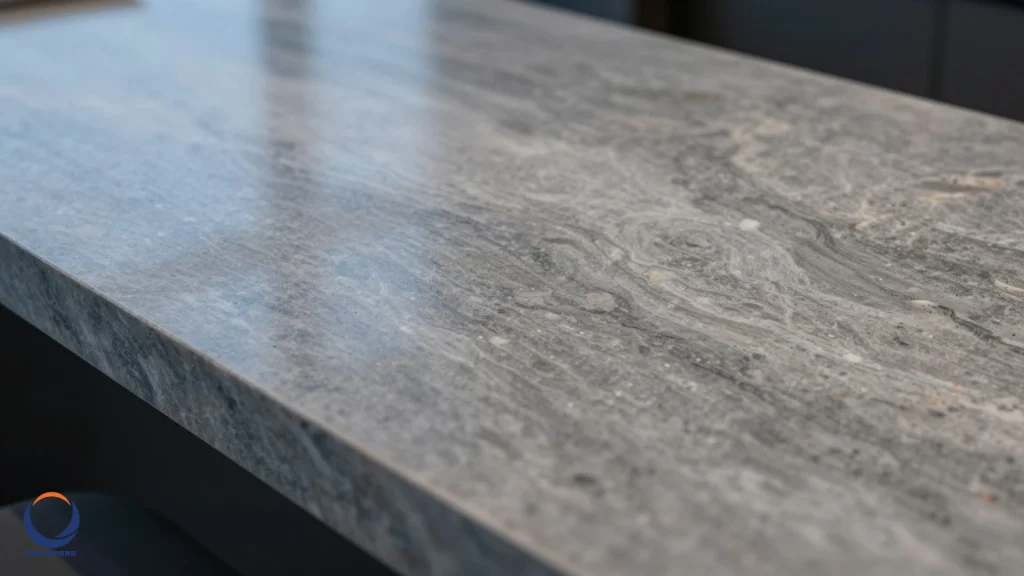
Defining sustainability in premium interior design
Sustainability, at its core, refers to the ability to continue over a long period [5]. In modern usage, it generally describes a state where the environment, economy, and society can thrive indefinitely. The United Nations' 2030 Agenda for Sustainable Development provides a shared blueprint for this goal. It outlines 17 Sustainable Development Goals (SDGs) as an urgent call for global action [2]. These goals address critical issues like climate change, biodiversity loss, and responsible consumption.
When applied to premium interior surfaces, sustainability encompasses several key dimensions. It involves the entire lifecycle of a material. This includes raw material extraction, manufacturing processes, product longevity, and end-of-life disposal or recycling. Therefore, sustainable surfaces minimize environmental harm. They also contribute positively to social well-being and economic viability.
Pillars of sustainable premium surfaces
The integration of sustainability into luxury surfaces rests on several foundational pillars. Each element contributes to a more responsible and enduring design philosophy. Understanding these aspects is crucial for both designers and consumers.
Ethical sourcing and transparent supply chains
Knowing the origin of materials is paramount in sustainable luxury. Ethical sourcing ensures that raw materials are obtained responsibly. This means avoiding practices that harm the environment or exploit labor. For example, timber should come from certified forests. Minerals should be extracted without contributing to conflict or pollution. Transparency in the supply chain builds trust. It also allows consumers to make informed choices.
Furthermore, fair labor practices throughout the production process are non-negotiable. This commitment extends from the quarry or forest to the factory floor. Ultimately, ethical sourcing reduces the negative environmental and social impacts associated with material acquisition.
Eco-friendly materials and material innovation
The choice of materials is central to sustainable interior design. Many buyers now actively seek sustainable material sources [3]. This includes a growing demand for recycled content. Examples include recycled wood, repurposed metals, and glass. Renewable resources like bamboo, cork, and organic fabrics are also highly valued. These materials offer beauty without depleting finite resources.
Moreover, advancements in material science are creating innovative solutions. Low-VOC (volatile organic compound) and non-toxic finishes improve indoor air quality. Engineered stone, for instance, offers a durable and aesthetically pleasing alternative to natural stone. It often incorporates recycled content and boasts a longer lifespan. This reduces the need for frequent replacements. How Modern Surface Materials Support Sustainable Architecture is a topic gaining significant traction in the industry.
Certifications play a vital role in verifying sustainability claims. Standards like FSC (Forest Stewardship Council) for wood, GRS (Global Recycled Standard), and OEKO-TEX for textiles are essential. These certifications assure consumers that products meet rigorous environmental and social criteria [3]. They are increasingly required for exporting to major markets like the U.S. and Europe.
Durability and longevity: the circular economy approach
A truly sustainable product is one that lasts. Premium interior surfaces are an investment. Their durability reduces the need for frequent replacements. This, in turn, minimizes waste and resource consumption. Long-lasting design is a core principle of the circular economy [3]. This economic model aims to eliminate waste and pollution. It also circulates products and materials, and regenerates nature.
Choosing surfaces that withstand the test of time is inherently sustainable. It means selecting materials that are robust, easy to maintain, and resistant to wear. This approach contrasts sharply with disposable design trends. It champions products designed for a lifetime of use. This reduces industrial waste significantly.
Craftsmanship and heritage: valuing the human touch
Sustainable luxury often celebrates the artistry of handcrafted items. These pieces carry a story and reflect a commitment to quality. Supporting traditional skills and local artisans fosters cultural heritage. It also provides economic stability to communities. The value of craftsmanship lies in its timeless appeal. It ensures products remain cherished for generations. This reduces the cycle of consumption and disposal. EON Tech is exploring ways to use AI to help preserve and promote traditional craftsmanship through digital archiving and educational platforms.
The indispensable role of the luxury curator
In this complex landscape, the role of a "Luxury Curator" has become crucial. Traditional luxury distributors often focused on simply supplying products. However, a curator acts as a cultural scout and a discerning filter [1]. They possess the expertise and integrity to select only the most exquisite and sustainable offerings. This ensures clients receive products that embody true value.
Architect Vương Đạo Hoàng emphasizes the ethical weight of this role. Curators must have the courage to reject short-term glamour. They instead champion enduring quality and sustainability for their clients [1]. In Vietnam, EUDS exemplifies this model. They meticulously select and validate interior ecosystems. These systems meet stringent European standards for aesthetics and quality [1]. This approach ensures that every surface and fixture contributes to a cohesive, sustainable, and luxurious environment.
Emerging trends shaping sustainable luxury surfaces
Several key trends are converging to define the future of sustainable luxury surfaces. These trends reflect evolving consumer preferences and technological advancements. They also highlight a deeper connection to nature and personal well-being.
Biophilic design: bringing nature indoors
Biophilic design is more than just an aesthetic. It seeks to connect building occupants more closely to nature. This approach improves well-being and space quality. It integrates natural materials like marble, solid wood, bamboo, and rattan into interiors [3]. Furthermore, it incorporates elements like built-in planters and natural lighting. This creates a seamless blend between indoor and outdoor environments. Such designs foster a sense of calm and enhance productivity.
Personalization and humanization
The trend towards personalization is strong in luxury interiors. Consumers desire living spaces that reflect their unique identity and values [4]. Sustainable luxury surfaces support this by offering bespoke options. These options can be tailored to individual tastes while adhering to eco-friendly principles. Humanized design focuses on comfort, functionality, and emotional connection. It ensures that spaces are not only beautiful but also nurturing and responsive to human needs.
Technology integration for smarter, greener spaces
Technology is reshaping how we interact with our living spaces. Smart furniture with adjustable lighting or temperature control is becoming more common [3]. For surfaces, technology can enhance sustainability. Digital tools can optimize material usage. They can also track supply chains for greater transparency. Innovations in manufacturing processes can reduce waste and energy consumption. This creates smarter, more efficient, and greener interiors.
The circular economy and material innovation
The principles of the circular economy are gaining traction. This involves designing products for disassembly, reuse, and recycling. For interior surfaces, this means selecting materials that can be easily reclaimed and repurposed. It also encourages manufacturers to take back their products at the end of their life cycle. This minimizes landfill waste. It also maximizes resource efficiency. This approach ensures that materials remain in use for as long as possible.
Challenges and opportunities in sustainable luxury
Despite its growing appeal, the path to fully sustainable luxury surfaces faces challenges. The initial cost of ethically sourced or innovative eco-materials can be higher. Consumer awareness, while increasing, still needs further development. Greenwashing, where companies make misleading claims about sustainability, remains a concern. Complex global supply chains also pose hurdles for full transparency.
However, these challenges present significant opportunities. Businesses embracing sustainable practices can differentiate themselves. They can build stronger brand loyalty among conscious consumers. Innovation in material science and production methods will drive new solutions. Furthermore, increasing regulatory support and global partnerships will accelerate the transition to a more sustainable future [2]. For example, 85% of European customers prefer furniture with green certifications, highlighting a clear market demand [3].
The luxury furniture segment itself is experiencing significant growth. It is expanding by 15% in Europe and North America [3]. This growth creates major opportunities for manufacturers and exporters committed to sustainable practices. Events like the Vietnam International Sourcing Expo 2025 provide platforms for connecting with buyers who prioritize sustainability [3]. This further solidifies the market for eco-conscious products. Why simplicity is the new definition of luxury interiors also plays into this trend, emphasizing quality over excessive ornamentation.
Conclusion: a lasting legacy of mindful design
Sustainable luxury is not a fleeting trend. It represents a fundamental shift in values and priorities within the premium interior design sector. It moves beyond superficial aesthetics to embrace a holistic approach. This approach considers environmental impact, social responsibility, and enduring quality.
The future of premium interior surfaces lies in materials that are ethically sourced, eco-friendly, and built to last. It also involves design philosophies that connect us to nature and reflect our deepest values. By championing "Quiet Luxury" and embracing the expertise of luxury curators, the industry can create spaces that are not only beautiful and exclusive but also profoundly responsible. This commitment ensures a lasting legacy of mindful design for generations to come.
More information
- Quiet Luxury: A design philosophy emphasizing understated elegance, intrinsic value, and high-quality craftsmanship over overt branding or ostentatious displays. It prioritizes authenticity, longevity, and a subtle sophistication that resonates with discerning consumers.
- Sustainable Development Goals (SDGs): A collection of 17 interlinked global goals designed to be a "blueprint to achieve a better and more sustainable future for all." Adopted by the United Nations in 2015, they address global challenges including poverty, inequality, climate change, environmental degradation, peace, and justice.
- Circular Economy: An economic system aimed at eliminating waste and the continual use of resources. It involves designing products for durability, reuse, repair, and recycling, keeping materials in use for as long as possible and regenerating natural systems.
- Luxury Curator: A professional or entity responsible for meticulously selecting, validating, and presenting high-end products or experiences. They act as a discerning filter, ensuring offerings meet stringent standards of quality, ethics, and sustainability, often guiding clients toward choices that align with deeper values.
- Biophilic Design: An architectural and interior design approach that seeks to connect building occupants with nature. It incorporates natural light, ventilation, materials, and views, aiming to improve well-being, productivity, and overall quality of life by fostering an innate human connection to the natural world.