In today's dynamic retail landscape, the physical store is no longer just a point of sale. It has evolved into a powerful brand ambassador, an immersive destination, and a critical touchpoint for customer engagement. For retail business owners, creating an elegant and memorable space is paramount. Premium surfaces play a pivotal role in this transformation, moving beyond mere aesthetics to convey authenticity, foster emotional connections, and enhance the overall shopping experience.
The modern consumer seeks more than just products; they desire sanctuary, connection, and emotional resonance from their shopping journey [1]. This shift redefines luxury, emphasizing meaning over mere opulence. Thoughtful design, particularly through the selection of high-quality materials, helps businesses adapt to these evolving expectations.
The new luxury: authenticity over excess
The concept of luxury has undergone a significant transformation. Today's discerning shoppers, whether in bustling urban centers or tranquil heritage towns, prioritize authenticity and meaning above flashy displays. They appreciate spaces that are "elegant yet approachable" [1]. This demands a nuanced design intelligence, one that skillfully balances prestige with warmth and exclusivity with inclusivity [1].
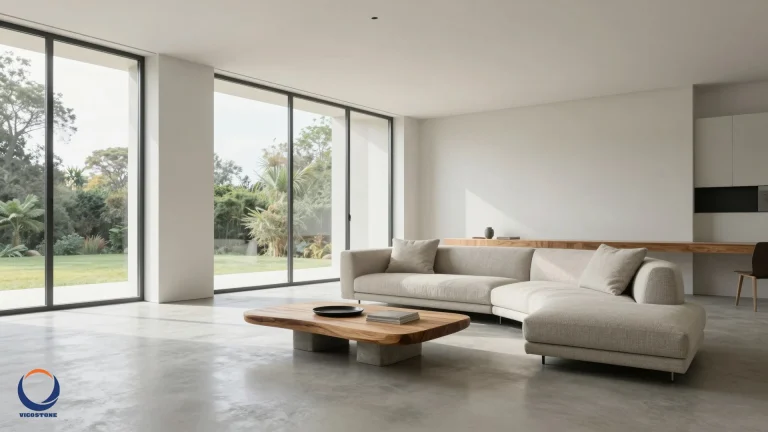
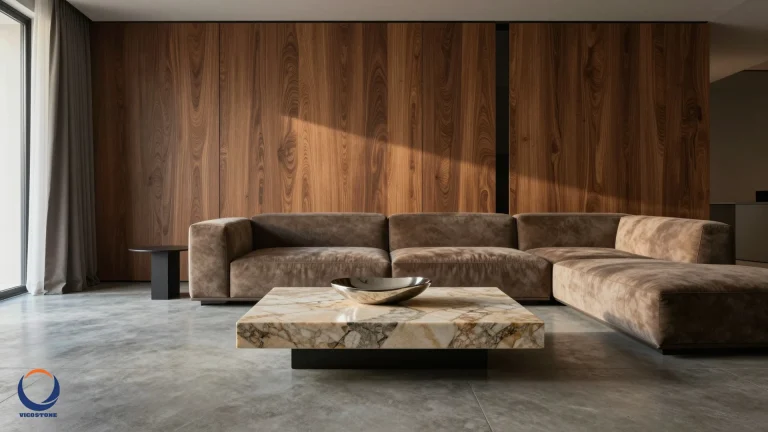
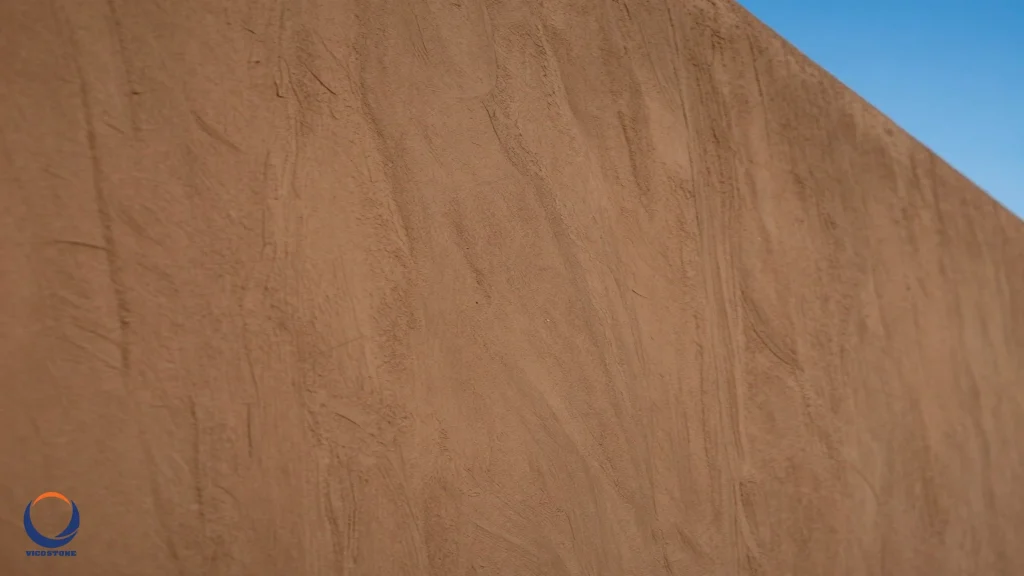
Premium surfaces are instrumental in achieving this balance. For instance, a hand-troweled plaster wall in a warm earth tone can evoke a sense of grounding and tradition [2]. Similarly, reclaimed wood display tables speak to sustainability and heritage. These choices create an environment that whispers quality rather than shouts it, inviting customers to linger and connect on a deeper level.
Spatial storytelling: crafting immersive narratives
Great retail design begins with a compelling story. It asks: What narrative does your brand carry? What memories do you want customers to take home? [1] Every texture, light angle, and surface choice contributes to this spatial storytelling. It transforms a simple transaction into an immersive journey, making visitors feel seen, valued, and inspired [1].
Consider a heritage silk brand that transformed a 100-year-old merchant house. Customers could run their fingers over handwoven fabrics and witness artisans at work [1]. Here, the aged wooden beams and traditional tiled floors became part of the brand's legacy. For a premium skincare boutique, walls finished with bamboo fiber plaster and custom display tables carved from reclaimed wood echoed botanical origins [1]. These intentional material choices build trust and create a distinct brand identity.
Engaging the senses: the power of multisensory design
Luxury today is inherently multisensory. Effective retail spaces engage beyond the visual, appealing to touch, sound, and scent [1]. Premium surfaces are crucial for stimulating these senses, creating a richer, more memorable experience. For example, cool stone floors underfoot or the inviting feel of upholstered seating made from natural fibers enhance the tactile experience [1].
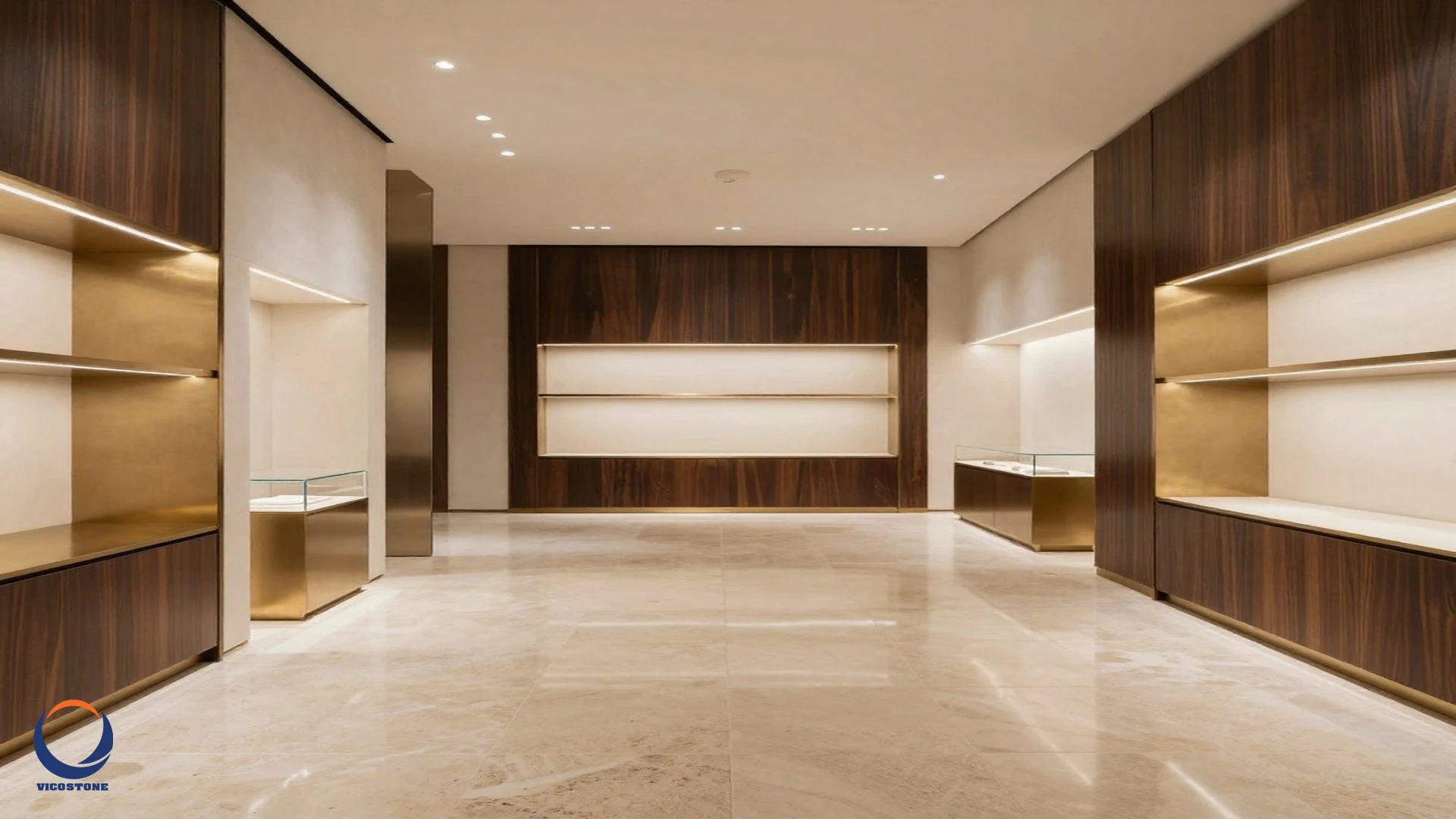
Thoughtful lighting, often warm and directional LEDs, highlights product textures without glare [1]. This makes premium surfaces like polished stone or finely crafted wood truly shine. Acoustic baffles disguised as woven rattan panels can soften urban noise, contributing to a tranquil atmosphere [1]. Custom scent diffusers, using local botanicals like jasmine or lotus, further deepen the sensory immersion [1], [3]. The harmonious blend of these elements creates a powerful, emotional connection with the brand.
Smart material choices for resilient luxury
In challenging economic times, smart design becomes even more critical. Budget constraints do not necessitate compromising on quality; instead, they demand smarter material choices [1]. Retail business owners should prioritize materials that offer durability, aesthetic appeal, and sustainability. Locally sourced materials, for instance, can significantly reduce costs, carbon footprint, and lead times [1], [2].
Resilient luxury also involves selecting materials that stand the test of time in high-traffic environments. Engineered stone is an excellent example, offering both durability and a sophisticated look. It can maintain its pristine appearance for years, making it a wise investment for long-term property value. How engineered stone supports long-term property value for investors. Moreover, strategic use of a single, high-quality statement material, such as hand-glazed ceramic tiles, can create a cohesive and premium feel while being more cost-effective than a mixed-material approach [2]. This approach demonstrates that luxury can be both attainable and sustainable.
Flagship showrooms: emblems of prestige and strategic foresight
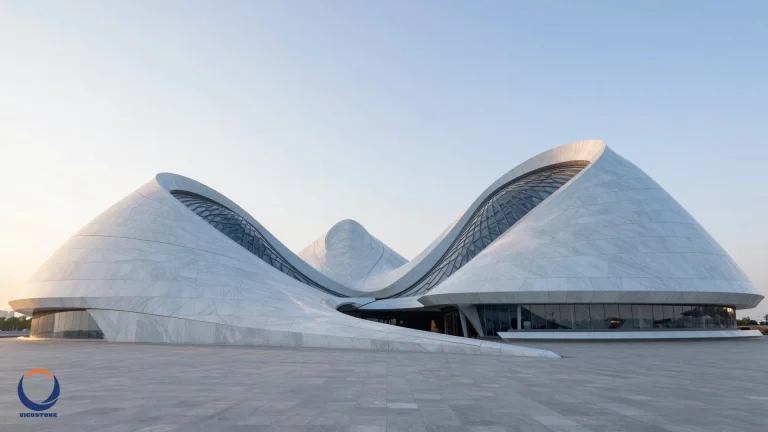
A flagship showroom transcends mere product display; it is a strategic declaration and a brand's manifesto in three dimensions [3], [4]. For brands seeking to establish a distinctive legacy, a meticulously designed flagship showroom becomes an icon of prestige. It is where design artistry converges with strategic intent to craft an extraordinary experience [4]. These spaces attract foot traffic, build loyalty, and drive sales, becoming destinations in their own right.
The facade of a flagship showroom serves as the brand's "face," creating the crucial first impression [4]. It must captivate passersby, seamlessly blending architecture, lighting, and premium materials to create a compelling visual accent [4]. Inside, premium surfaces continue this narrative, reflecting the enterprise's stature and ethos with eloquence. Integrated design ensures that the brand's essence is felt in every texture, light beam, and spatial rhythm, creating a unified and impactful experience [3].
Key elements of a high-performance retail space
Achieving a high-performance retail space involves several interconnected pillars, all significantly influenced by the choice of premium surfaces:
- Spatial storytelling: Every customer journey is carefully curated, from the moment they approach the sidewalk to their checkout experience [3]. Material transitions and surface patterns can subtly guide discovery.
- Sensory engagement: Activating all five senses is paramount. Premium surfaces contribute tactile richness, visual depth, and can even influence acoustics [3].
- Brand as environment: The brand's identity is not just on the logo; it's embedded in the grain of the counter, the hue of the lighting, and the flow of circulation [3]. Consistent use of premium surfaces reinforces this identity.
- Operational intelligence: While often unseen, optimized back-of-house zones contribute to a seamless customer experience by ensuring staff efficiency [3]. Durable, easy-to-maintain surfaces are vital here.
- Climate-smart sustainability: Specifying low-VOC finishes, utilizing passive cooling strategies, and choosing locally sourced materials are increasingly important [3]. Premium surfaces often align with these sustainable practices, offering longevity and reduced environmental impact.
Integrating digital and physical experiences
In an increasingly digital world, the physical retail space must complement and enhance online interactions. While the elegance of premium surfaces draws customers into the store, digital tools often play a significant role in their initial discovery and ongoing engagement. For instance, mobile applications offer diverse information and personalized shopping experiences, allowing consumers to explore products and promotions before or after their visit [5]. Retailers can create seamless transitions between these online and in-store interactions. EON Tech helps businesses integrate these experiences, ensuring a cohesive brand presence across all touchpoints. This synergy between the tangible and the digital creates a truly comprehensive customer journey, fostering deeper loyalty and repeat visits.
Conclusion
Designing elegant retail spaces with premium surfaces is a strategic imperative for today's business owners. It moves beyond traditional notions of luxury, focusing instead on authenticity, emotional resonance, and immersive experiences. By carefully selecting materials that tell a story, engage the senses, and offer resilience, retailers can create environments that not only attract customers but also build lasting connections. Investing in thoughtful design and quality surfaces is an investment in your brand's future, transforming your store into a cherished destination rather than just a place to shop. Embrace this new era of retail design to captivate and inspire your clientele.
More Information
- Spatial Storytelling: A design approach where every element of a space, including materials, layout, and lighting, is curated to communicate a brand's narrative, values, and desired customer experience, fostering emotional connection.
- Multisensory Design: The practice of designing environments that engage all five human senses—sight, sound, touch, smell, and taste—to create a more immersive, memorable, and emotionally resonant experience for visitors.
- Flagship Showroom: A brand's primary or most prominent retail location, often larger and more elaborately designed than other stores, serving as a strategic declaration of brand identity, values, and an immersive customer destination.
- Resilient Luxury: A design philosophy that prioritizes high-quality, durable, and often sustainable materials and construction methods, ensuring that luxurious spaces maintain their aesthetic and functional integrity over time, even with heavy use.
- Integrated Design: A collaborative approach to design and construction where various disciplines (strategy, design, architecture, construction) work together from the outset to ensure a cohesive vision and seamless execution, preventing dilution of the brand's essence.