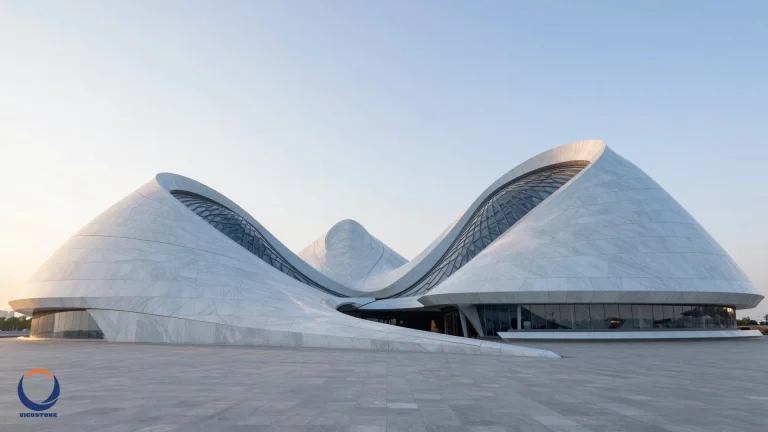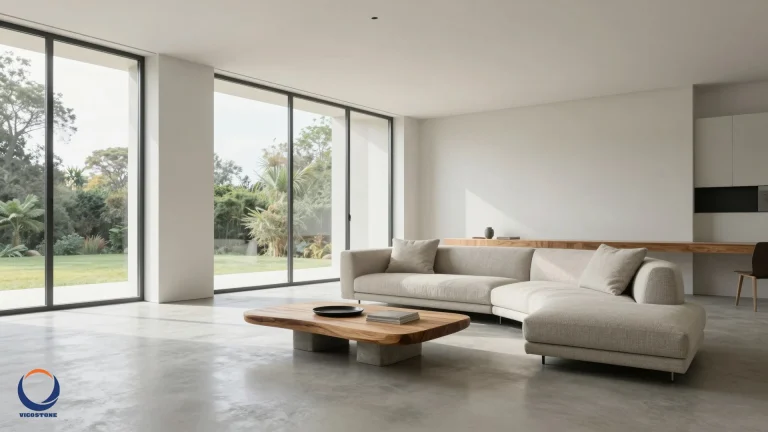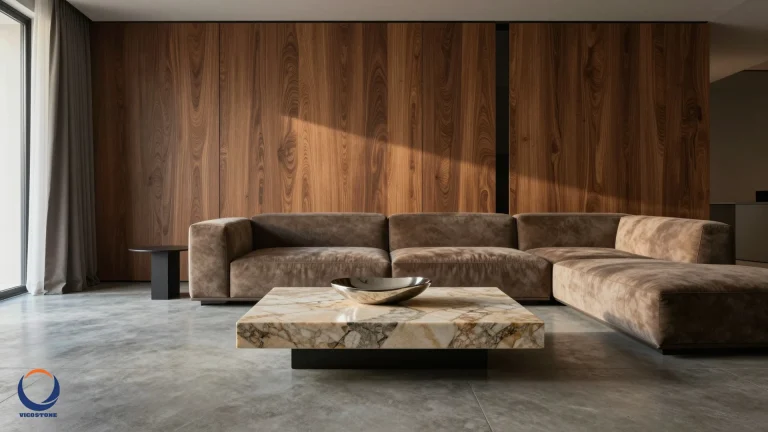
Contemporary luxury homes are defined by their sophisticated aesthetics, unparalleled functionality, and a seamless integration of innovative materials. These residences are not merely structures; they are curated environments designed for comfort, elegance, and enduring value. Homeowners seeking to create such spaces often prioritize materials that offer both visual appeal and practical benefits. In this pursuit, engineered stone has emerged as a leading contender, perfectly aligning with the demands of modern luxury design.
Natural stone, with its timeless beauty and authenticity, has long been a hallmark of high-end properties [2]. However, engineered stone presents a compelling alternative, often surpassing its natural counterpart in consistency, performance, and versatility. This article explores how engineered stone not only meets but often elevates the standards of contemporary luxury, making it an indispensable material for discerning homeowners.
The essence of contemporary luxury design
Modern luxury homes embody a philosophy of understated elegance. They feature clean lines, open-plan layouts, and a focus on natural light. Functionality is paramount, with every element serving a purpose while contributing to an overall sense of calm and sophistication. Materials chosen for these homes must reflect these values.
Luxury homeowners seek surfaces that are not only beautiful but also durable and easy to maintain. They desire bespoke solutions that can be tailored to their unique vision. Furthermore, there is a growing emphasis on sustainability and materials that contribute to a healthy living environment. Engineered stone addresses these diverse requirements with remarkable efficacy.
Understanding engineered stone
Engineered stone is a composite material made from crushed stone aggregates, such as quartz, bound together by a polymer resin. This manufacturing process allows for precise control over the material's properties, resulting in a product that is highly consistent in color, pattern, and texture. Unlike natural stone, which is quarried directly from the earth and exhibits natural variations, engineered stone offers a uniform appearance that can be replicated across large surfaces.
Two prominent types of engineered stone are quartz and sintered stone. Quartz surfaces, like those produced by Nova Stone Quartz Vietnam, are renowned for their high quartz content, typically around 90-95%, making them exceptionally hard and durable [3]. Sintered stone, exemplified by brands like Vasta Stone, is manufactured using a complex process that mimics the natural formation of stone, resulting in surfaces with superior strength and resistance to extreme conditions [4]. Both types offer distinct advantages for luxury applications.
Unmatched durability and performance
One of the primary reasons engineered stone is favored in luxury homes is its outstanding durability. These surfaces are engineered to withstand the rigors of daily life, maintaining their pristine appearance for decades. For instance, quartz countertops are highly resistant to scratches, chips, and cracks. Their non-porous nature means they do not absorb liquids, making them exceptionally stain-resistant and hygienic. This is a significant advantage over many natural stones, which often require regular sealing to prevent staining and bacterial growth.
Sintered stone takes durability a step further. It boasts remarkable resistance to heat, UV rays, and abrasion, making it suitable for both indoor and outdoor applications. This superior performance ensures that surfaces in luxury homes remain beautiful and functional, even in high-traffic areas or challenging environments. Such longevity means engineered stone is not just a building material but a long-term investment in the home's value and aesthetic integrity [2].
Aesthetic versatility and design freedom
The ability to customize and achieve specific design visions is crucial in luxury home building. Engineered stone excels in this regard, offering an expansive palette of colors, patterns, and finishes. Whether a homeowner desires the classic elegance of marble veining, the subtle texture of concrete, or a vibrant, contemporary hue, engineered stone can deliver. Manufacturers can replicate the intricate patterns of natural stone or create entirely new, innovative designs. This flexibility allows architects and designers to push creative boundaries.
Furthermore, engineered stone is available in large slab formats, such as the 3500x2000mm super jumbo slabs offered by Nova Stone [3]. These large sizes enable seamless installations, minimizing visible seams and creating a sleek, continuous look that is highly sought after in modern luxury interiors. This capability is particularly beneficial for expansive kitchen islands, feature walls, and large flooring areas, where a monolithic appearance enhances the sense of grandeur and sophistication. The consistent quality ensures that every piece matches perfectly, a challenge often faced with natural stone.
Seamless integration across the home
Engineered stone's versatility allows for its application in virtually every area of a luxury home, creating a cohesive and sophisticated aesthetic. Its properties make it ideal for various functional and decorative purposes.
Kitchens: the heart of the home
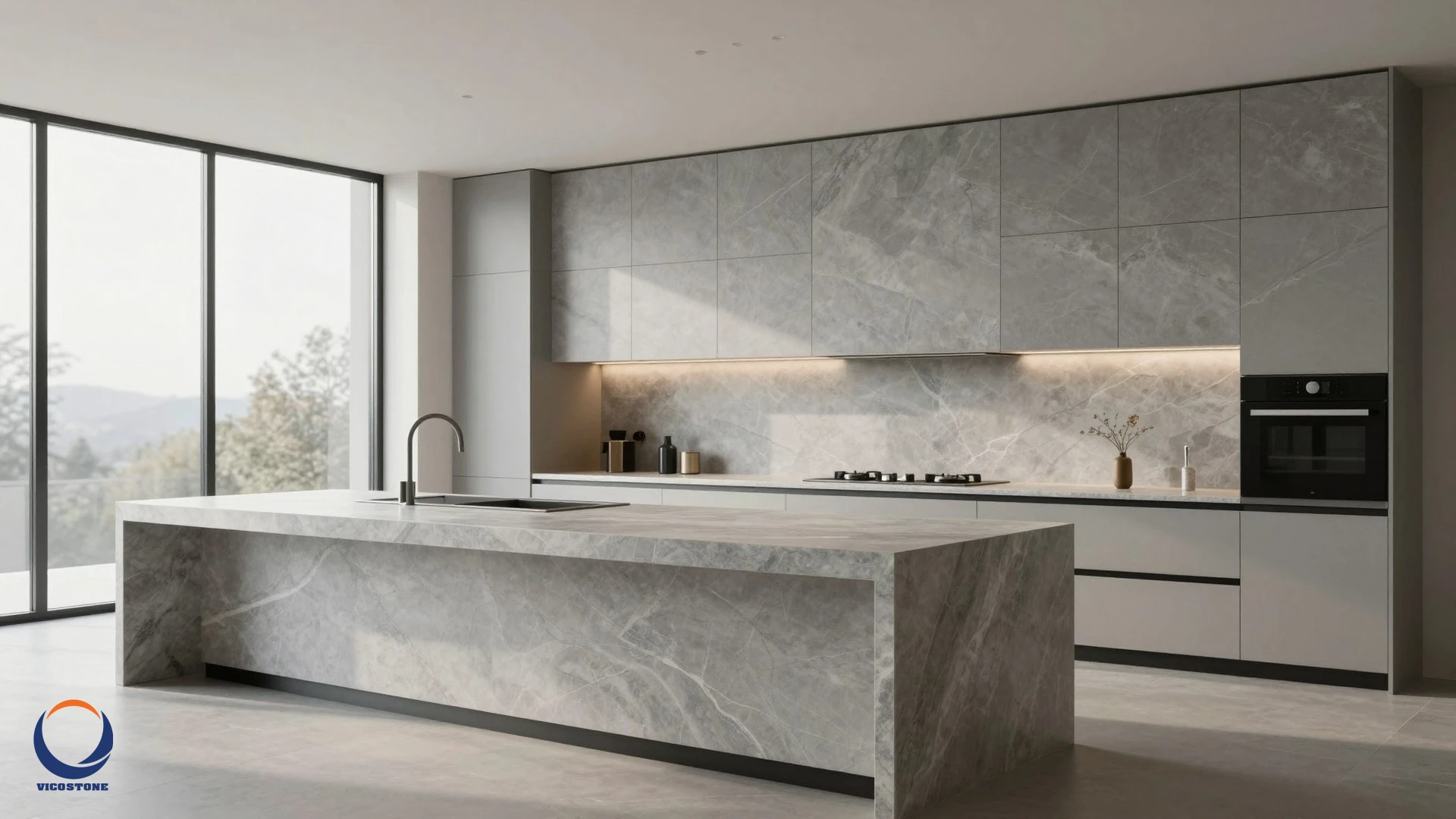
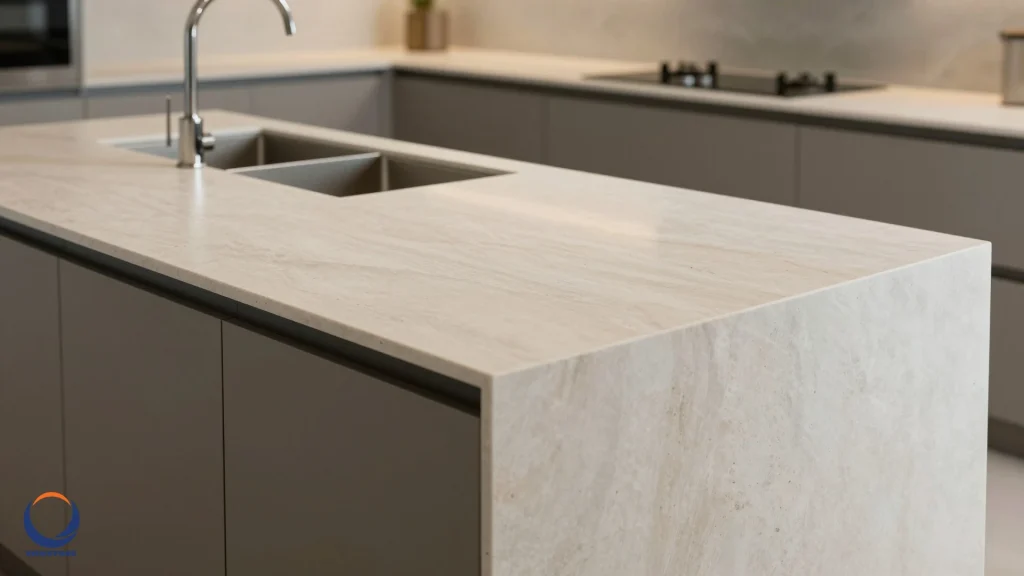
In luxury kitchens, engineered stone countertops are a top-tier choice. Their non-porous surface prevents bacterial growth, making them ideal for food preparation areas. They can withstand heavy use and frequent cleaning without losing their luster [3]. Homeowners can select from a vast array of colors and patterns to complement custom cabinetry and high-end appliances. Large engineered stone islands become central focal points, offering ample workspace and a stylish entertaining area. They provide a practical and stylish workspace for food preparation.
Bathrooms: private sanctuaries
For luxury bathrooms, engineered quartz stones are commonly used for vanity tops and sink areas. Their durability and resistance to moisture make them perfectly suited for these environments [3]. Engineered stone can also be used for shower surrounds, bath decks, and even flooring, creating a spa-like atmosphere that is both elegant and easy to maintain. The seamless installation possible with large slabs minimizes grout lines, contributing to a clean and luxurious feel.
Living areas: architectural statements
Beyond traditional wet areas, engineered stone is increasingly used to create stunning architectural details in living spaces. Feature walls clad in sintered stone can add dramatic texture and visual interest. Fireplace surrounds, custom shelving, and even bespoke furniture pieces can be crafted from engineered stone, showcasing its ability to transform spaces. Its consistent appearance ensures a harmonious flow throughout open-concept living areas.
Outdoor spaces: extending luxury beyond walls
The superior weather resistance of sintered stone makes it an excellent choice for outdoor luxury. It can be used for patio paving, outdoor kitchen countertops, and pool coping, providing durable and aesthetically pleasing surfaces that withstand the elements. This allows for a seamless transition between indoor and outdoor living, a key characteristic of contemporary luxury design. Natural stone, such as basalt or granite, is also popular for outdoor landscaping [1], but engineered stone offers consistent performance.
Sustainability and responsible sourcing
Luxury homeowners are increasingly conscious of the environmental impact of their material choices. Engineered stone can offer a more sustainable option compared to some natural stones. The manufacturing process often utilizes recycled materials, and the controlled production minimizes waste. Companies like Nova Stone emphasize sustainable methods that reduce waste and improve efficiency [3]. Furthermore, the longevity and low maintenance requirements of engineered stone contribute to a reduced lifecycle impact, making it a responsible choice for eco-conscious luxury living.
The consistent quality and predictable performance of engineered stone also reduce the need for replacements or repairs, further contributing to its sustainability profile. When considering the future of interior surfaces, safe, sustainable, and sophisticated materials are paramount. For example, the importance of material innovation in contemporary homes cannot be overstated, and engineered stone is at the forefront of this trend. The importance of material innovation in contemporary homes is a topic that resonates deeply with those who value both aesthetics and ethical considerations.
Long-term value and maintenance
Investing in a luxury home means investing in materials that will retain their beauty and functionality over time. Engineered stone's inherent durability translates into significant long-term value. Its resistance to stains, scratches, and heat means surfaces remain pristine with minimal effort. Unlike natural stone, which may require specialized cleaning products and periodic sealing, engineered stone typically only needs simple soap and water for maintenance. This ease of care is a major draw for busy luxury homeowners who value convenience without compromising on elegance.
The predictable nature of engineered stone also means fewer surprises during installation and throughout the lifespan of the material. This reliability, combined with its aesthetic appeal and robust performance, ensures that engineered stone contributes positively to the resale value of a luxury property. The EON Tech platform, for instance, highlights how advanced material science contributes to such long-term value in modern construction.
Choosing the right engineered stone
When selecting engineered stone for a luxury home, several factors come into play. Homeowners should consider the specific application (e.g., kitchen countertop, bathroom vanity, outdoor patio) to determine the most suitable type of engineered stone. Quartz is excellent for interior surfaces requiring high stain and scratch resistance, while sintered stone offers superior performance for areas exposed to extreme heat or UV rays. The aesthetic preferences, including color, pattern, and finish, are also crucial for achieving the desired design outcome.
Working with reputable suppliers and fabricators is essential to ensure high-quality materials and expert installation. Many companies specialize in providing tailored precision and seamless installation processes, ensuring that the final product perfectly fits the space [3]. For projects that aim to deliver both visual impact and lasting value, engineered stone remains one of the most reliable materials available [2]. Understanding why engineered stone is becoming a global design standard can further inform these choices.
Conclusion
Engineered stone has firmly established itself as a cornerstone material in contemporary luxury homes. Its unique blend of aesthetic versatility, unmatched durability, and practical benefits makes it an ideal choice for discerning homeowners. From the pristine surfaces of a minimalist kitchen to the elegant finishes of a spa-like bathroom, engineered stone offers solutions that are both beautiful and built to last. By embracing this innovative material, luxury homeowners can create spaces that are not only visually stunning but also functional, sustainable, and truly reflective of modern sophistication.
More information
- Engineered Stone: A composite material made from crushed stone aggregates (like quartz or marble) bound together by a polymer resin, offering superior consistency, durability, and customization compared to natural stone.
- Sintered Stone: A type of engineered stone manufactured by fusing natural minerals under extreme heat and pressure, resulting in a highly dense, non-porous surface with exceptional resistance to scratches, heat, UV, and chemicals.
- Quartz Surface: An engineered stone product primarily composed of natural quartz crystals (typically 90-95%) combined with resins and pigments, known for its hardness, non-porosity, and wide range of aesthetic options.
- Contemporary Luxury: An architectural and interior design style characterized by clean lines, open spaces, minimalist aesthetics, high-quality materials, advanced technology, and a focus on comfort and functionality.
- Non-Porous: A material property indicating that the surface does not have pores or openings, preventing the absorption of liquids, stains, and bacteria, thus making it hygienic and easy to clean.