Hospitality spaces demand a delicate balance of aesthetic appeal, robust functionality, and enduring quality. From bustling hotel lobbies to serene spa environments, every surface contributes significantly to the guest experience. Developers face the challenge of selecting materials that withstand heavy traffic while maintaining a luxurious feel. Engineered stone has emerged as a premier material choice for developers and designers in this demanding sector. Its unique properties offer significant advantages over traditional materials. This article explores how engineered stone elevates hospitality design, ensuring both beauty and performance for lasting impressions.
The modern traveler expects sophisticated and pristine environments. Therefore, material selection is critical for creating memorable guest experiences. Engineered stone provides an ideal solution, blending high performance with limitless design possibilities. It addresses the rigorous demands of hotels, resorts, and restaurants effectively.
Key advantages of engineered stone in hospitality
Engineered stone offers a compelling suite of benefits for hospitality developers. These advantages contribute to both operational efficiency and enhanced guest satisfaction. Understanding these core benefits helps in making informed material choices.
Exceptional durability and longevity
Hospitality environments endure constant traffic and frequent use. Engineered stone, particularly quartz, is renowned for its exceptional hardness. It resists scratches, impacts, and daily wear effectively [2]. This inherent strength translates into surfaces that maintain their pristine appearance for many years. It significantly reduces the need for frequent repairs or replacements. Furthermore, engineered stone exhibits good resistance to heat and common chemicals. This makes it suitable for various applications within a hotel or restaurant. Its long lifespan contributes to a lower total cost of ownership.
Aesthetic versatility and design freedom
The aesthetic range of engineered stone is vast. Manufacturers like New Stone create unique collections that blend natural beauty with advanced technology [4]. From mimicking natural stone patterns to offering vibrant, consistent colors, engineered stone provides endless design possibilities. This allows designers to achieve specific brand identities and ambiance. Its uniform appearance ensures consistency across large areas. Customization options, including unique patterns and textures, enable truly bespoke designs. This flexibility helps create distinctive and inviting spaces.
Superior hygiene and easy maintenance
A non-porous surface is crucial in hospitality settings. Engineered stone does not absorb liquids, preventing stains and inhibiting the growth of bacteria and mold [2]. This makes it incredibly easy to clean and sanitize. Spills can be wiped away effortlessly, ensuring a hygienic environment for guests and staff. The ease of cleaning also reduces labor time and expense. This is a significant operational advantage, especially in high-traffic areas like kitchens and bathrooms. Its resistance to common stains from food and beverages further simplifies upkeep.
Commitment to sustainability
Many engineered stone manufacturers prioritize sustainable methods. They aim to reduce waste and improve efficiency throughout their production processes [2]. This commitment aligns with the growing demand for environmentally responsible building materials. The longer lifecycle of engineered stone also contributes to sustainability. It reduces the frequency of material replacement and subsequent landfill waste. Choosing such materials supports a greener approach to development.
Cost-effectiveness over time
While the initial investment might be comparable to some natural stones, the long-term cost savings are significant. Its exceptional durability minimizes maintenance and replacement costs. The ease of cleaning reduces labor time and the need for specialized cleaning products. This contributes to a lower operational budget over the lifespan of the property. Such economic benefits make engineered stone an attractive option for developers focused on long-term value.
Diverse applications in hospitality settings
Engineered stone's versatility allows for its application across various areas within a hospitality establishment. Its performance characteristics make it suitable for both front-of-house and back-of-house operations. Each application benefits from the material's inherent strengths.
Reception desks and lobbies
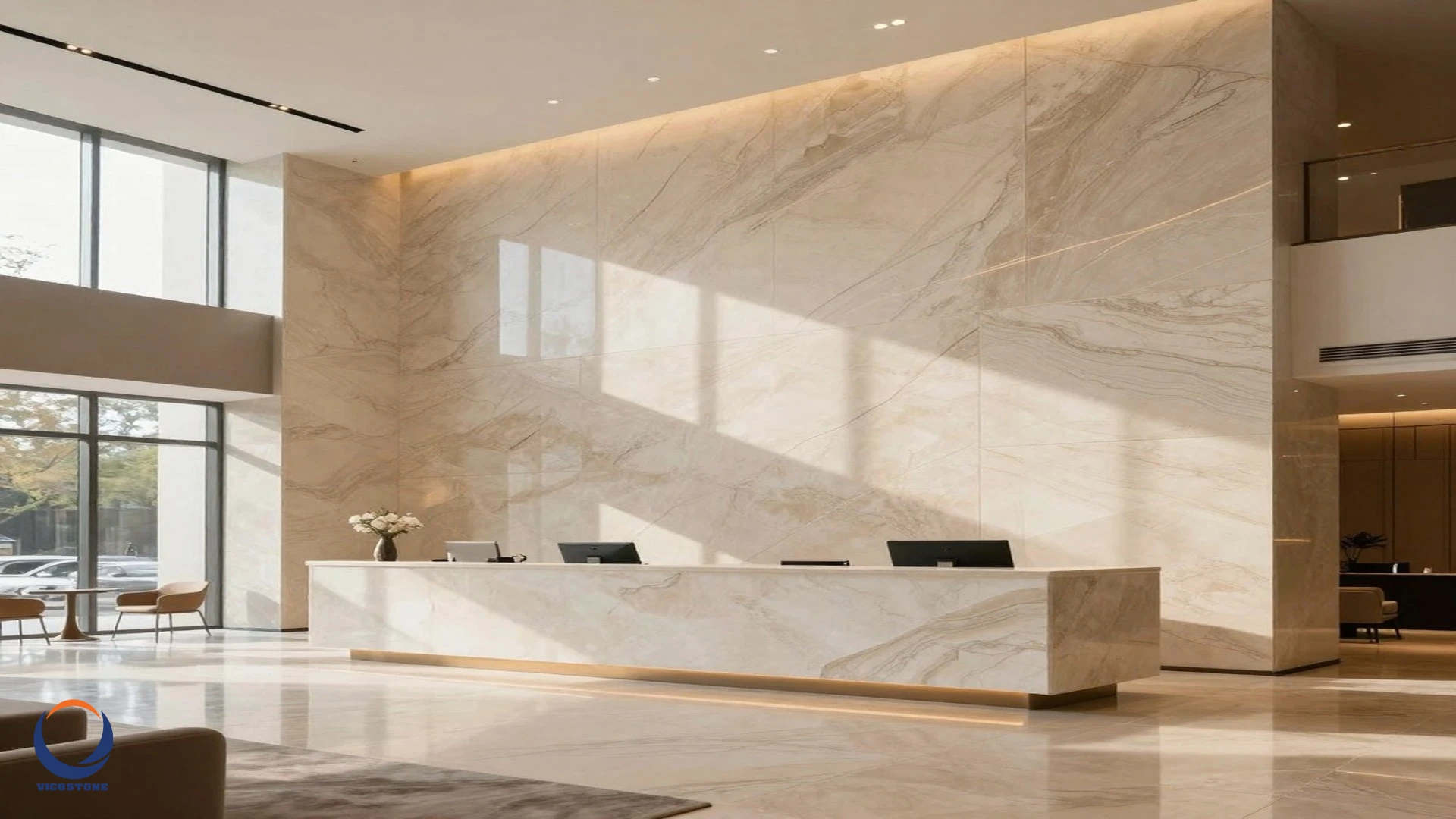
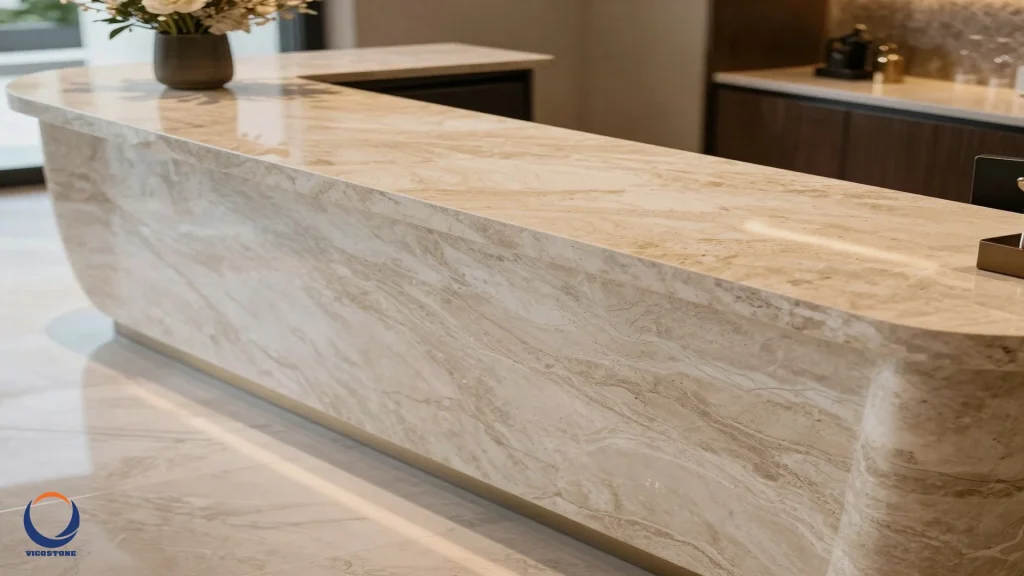
These areas create the first impression for guests. Engineered stone provides a luxurious and welcoming surface that withstands heavy daily use [2]. Its elegant appearance enhances the overall grandeur of the entrance. The ability to create large, seamless surfaces is particularly beneficial here. This allows for grand, uninterrupted designs. Backlighting options can further enhance the aesthetic impact, creating a dramatic focal point.
Guest rooms and suites
Vanity tops and shower surrounds in guest bathrooms benefit greatly from engineered stone's moisture resistance and easy cleaning. It offers a sophisticated touch that elevates the guest experience. Custom-built quartz can be crafted to fit unique space requirements, ensuring a tailored look [2]. Integrated sinks create a seamless and modern aesthetic. This simplifies cleaning and maintenance for housekeeping staff. The material's non-porous nature also prevents mildew formation in damp environments.
Restaurants and bars
High-traffic food preparation and serving areas require robust and hygienic surfaces. Engineered quartz countertops are a top-tier choice for commercial buffets, cafeterias, and restaurants [2]. They resist spills and stains from various beverages like wine and coffee. This helps maintain their luster and cleanliness. Their durability ensures they can withstand the constant activity of a busy food service environment. This makes them ideal for both front-of-house and back-of-house kitchen applications.
Spas and wellness centers
The serene and clean environment of a spa demands materials that are both beautiful and practical. Engineered stone's non-porous nature and resistance to moisture make it ideal for these spaces. It ensures a pristine and calming atmosphere. Its smooth, cool surface can contribute to a relaxing ambiance. The material's resistance to chemicals found in spa products is also a significant advantage. This helps preserve its appearance over time.
Commercial retail spaces and back-of-house areas
Engineered stone is also suitable for commercial retail spaces within hospitality complexes. This includes gift shops and cosmetic counters [2]. Its solvent resistance and easy-to-clean surface make it practical for cashier counters and display areas. Even in less visible areas like commercial kitchens, engineered stone offers superior performance. Its durability and ease of maintenance support efficient operations. This ensures a consistent standard of quality throughout the entire property.
The manufacturing process and quality assurance
Engineered stone is a composite material. It typically consists of crushed natural stone, often quartz, bound together by a polymer resin. Advanced manufacturing facilities employ precision engineering to ensure consistent quality and efficient production [2]. Companies like Nova Stone utilize integrated quartz manufacturing and fabrication facilities. They produce super jumbo slabs up to 3500x2000mm [2]. This allows for seamless installations and reduced waste in large projects. The process involves strict quality control, from raw material selection to the final product. New Stone, for example, emphasizes pure ingredients and rigorous control [4]. They also leverage advanced technologies like Nano Ink for intricate designs [4]. This technology breaks design limitations for artificial quartz stone. Such innovations ensure high-quality, durable, and aesthetically pleasing surfaces.
Choosing the right engineered stone supplier
Selecting the right engineered stone supplier is paramount for successful hospitality projects. Developers should look for manufacturers with proven capacity and a focus on quality. Companies specializing in large-scale commercial project fabrication for the American market, like Nova Stone, offer significant advantages [2]. They often provide AD/CVD duties-free imports for U.S. markets, ensuring lower tariff access [2]. Timely communication and instant replies are also crucial for project execution [2]. Just as readily available support helps users navigate complex software features [1], comprehensive documentation and expert advice are invaluable when selecting specialized materials. Furthermore, suppliers offering pre-fabricated solutions and custom cutting services, such as New Stone's Prefabs and Cut-to-size collections, can optimize construction time and ensure precise fit [4]. The ability to handle complex designs with CNC cutting technology ensures aesthetic consistency across all elements. This attention to detail and service streamlines the entire development process.
Future trends and innovation in engineered stone
The engineered stone industry continues to innovate. Manufacturers are constantly developing new collections that push the boundaries of design and performance. This includes enhanced resistance properties and more sophisticated aesthetic finishes. The focus on sustainable practices is also growing, with efforts to reduce environmental impact. Developers can expect even more versatile and eco-friendly options in the future. Staying informed about these advancements, much like staying updated on Windows features for improved performance [5], is key to leveraging the best materials. This continuous evolution ensures engineered stone remains a leading choice for modern hospitality spaces. The seamless integration of advanced materials, supported by robust design and manufacturing, ensures projects meet the highest standards. EON Tech is at the forefront of applying innovative solutions to enhance material science and design integration. Efficient project management is crucial in hospitality development. It ensures smooth execution and timely completion. Just as digital tools help organize and manage files effectively [3], selecting materials that simplify installation and long-term maintenance contributes to overall project efficiency. Consider exploring what makes engineered stone different from natural stone for more insights into its unique properties. Also, understanding why quartz-based surfaces remain popular in luxury homes can further inform your choices.
Conclusion
Engineered stone offers an unparalleled combination of beauty, durability, and practicality for hospitality environments. Its ability to withstand heavy use, maintain hygiene, and adapt to diverse design visions makes it an ideal choice. For hotel and hospitality developers, investing in engineered stone means creating spaces that are not only visually stunning but also highly functional and long-lasting. This ensures a superior guest experience and a strong return on investment. By embracing this advanced material, developers can craft spaces that truly stand out. They will meet the evolving demands of the modern hospitality sector. It represents a smart and sustainable choice for future-proof designs.
More Information
- Engineered Stone: A composite material made from crushed natural stone (typically quartz) bound together with a polymer resin, offering superior durability, aesthetic versatility, and low maintenance compared to natural stone.
- Quartz Countertops: A specific type of engineered stone where quartz is the primary aggregate, known for its extreme hardness, non-porous nature, and resistance to scratches, stains, and heat, making it ideal for high-traffic areas.
- Non-Porous Surface: A material characteristic meaning it does not absorb liquids or gases, preventing the growth of bacteria, mold, and stains, which is crucial for hygiene in hospitality and food service environments.
- Pre-fabricated Solutions: Engineered stone products that are manufactured and cut to specific dimensions or shapes off-site, optimizing installation time and ensuring precision for large-scale construction projects.
- AD/CVD Duties: Anti-dumping and countervailing duties are tariffs imposed by governments on imported goods to counteract unfair pricing practices and subsidies from foreign countries, impacting the cost of materials like engineered stone.