In today's rapidly evolving construction landscape, sustainable architecture is no longer a niche concept. It is a fundamental requirement. Architects and builders increasingly seek ways to minimize environmental impact while creating healthy, efficient, and aesthetically pleasing structures. Modern surface materials play a pivotal role in achieving these ambitious goals.
The shift towards green building practices is undeniable. It is driven by global commitments to reduce carbon emissions and the urgent need to transition to green, energy-saving, and low-emission materials [1]. This article explores how contemporary surface materials are instrumental in supporting sustainable architecture, offering both ecological benefits and innovative design possibilities.
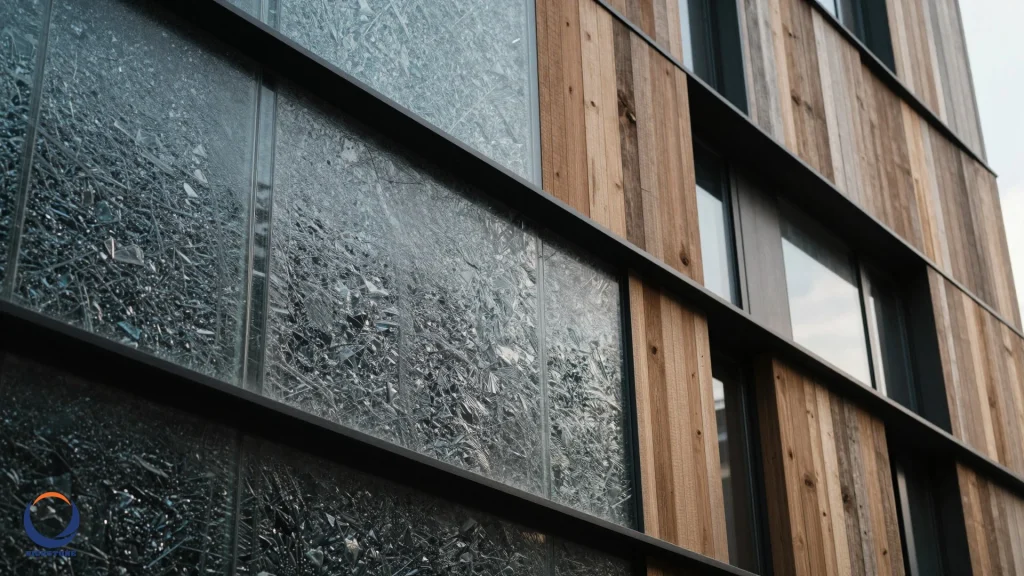
The imperative for sustainable building practices
The construction industry significantly contributes to global greenhouse gas emissions. Therefore, developing transparent environmental information mechanisms, such as Lifecycle Assessment (LCA) and Environmental Product Declarations (EPD), is crucial [1]. These tools affirm a company's commitment to sustainability and enhance competitiveness in the global green material supply chain. Green building is not merely an option; it is an essential path to achieving net-zero targets [1].
Modern architecture, often characterized by clean lines and functional design, frequently incorporates materials like concrete, glass, and steel [4]. While these materials are integral to the modern aesthetic, their sustainable variants are now paramount. Architects must consider the entire lifecycle of materials, from extraction and manufacturing to transportation, use, and end-of-life disposal. This holistic approach ensures that environmental benefits are maximized at every stage.
Key principles of sustainable material selection
Selecting sustainable surface materials involves adhering to several core principles. These principles guide architects and builders toward choices that benefit both the environment and building occupants. Understanding these criteria is essential for effective green building design.
Lifecycle assessment and embodied carbon
A critical aspect of sustainable material selection is understanding its Lifecycle Assessment (LCA). LCA evaluates a material's environmental impact throughout its entire existence. This includes raw material extraction, processing, manufacturing, transportation, installation, maintenance, and disposal [1]. Consequently, materials with lower embodied carbon, meaning less carbon emitted during their production and transport, are preferred.
Environmental Product Declarations (EPDs) provide verified, transparent information about a product's environmental performance [1]. They help designers make informed decisions by offering comparable data across different products. Utilizing materials with readily available EPDs demonstrates a commitment to environmental transparency.
Resource efficiency and circularity
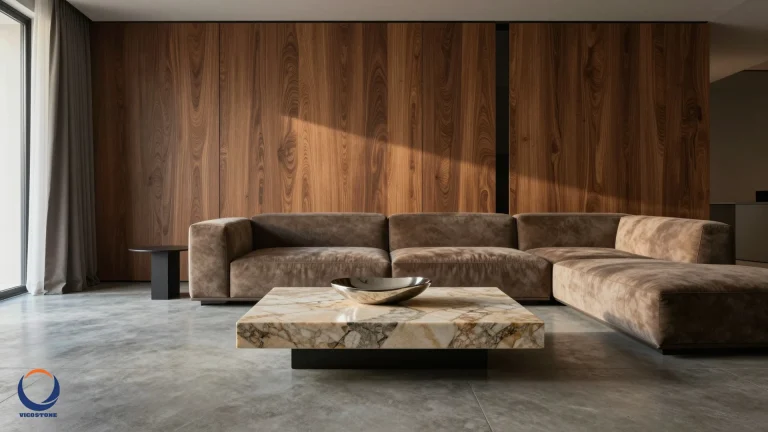
Sustainable materials prioritize resource efficiency. This means they are either made from rapidly renewable resources, contain recycled content, or are recyclable themselves. Embracing circular economy principles, where materials are kept in use for as long as possible and then recycled or repurposed, is key. This approach significantly reduces waste and the demand for virgin resources. For instance, using high-quality natural wood in furniture, as seen in modern interior designs, can be sustainable if sourced responsibly [2].
Health and well-being
The impact of materials on indoor air quality and human health is another vital consideration. Sustainable surface materials often feature low or zero volatile organic compounds (VOCs) and are free from harmful chemicals. This contributes to healthier indoor environments, reducing potential health issues for occupants. This focus on occupant well-being aligns with broader wellness trends in modern design.
Innovative modern surface materials for sustainable architecture
The market now offers a diverse range of modern surface materials that excel in sustainability. These materials combine aesthetic appeal with high performance and environmental responsibility. Architects and builders have more options than ever to create truly green buildings.
Recycled and reclaimed materials
Recycled content materials give new life to waste products. Examples include recycled glass countertops, recycled plastic panels, and reclaimed wood flooring. These materials reduce landfill waste and often require less energy to produce than their virgin counterparts. Reclaimed timber, for instance, offers unique character and significantly reduces the demand for new logging [3].
Recycled metal panels are another excellent option for facades and interior finishes. They provide durability and a modern industrial aesthetic. Using these materials helps close the loop in the production cycle, moving towards a more circular economy.
Bio-based and rapidly renewable materials
Bio-based materials are derived from living organisms, such as plants. Bamboo, cork, and linoleum are popular choices for flooring and wall coverings. These materials are rapidly renewable, meaning they can be harvested without depleting natural resources. They also often have a lower carbon footprint compared to synthetic alternatives.
Emerging bio-composites, made from agricultural waste or plant fibers, are also gaining traction. These innovative materials offer new possibilities for lightweight, strong, and sustainable surfaces. They are pushing the boundaries of what is possible in green construction.
Low-VOC and non-toxic finishes
Paints, sealants, and adhesives can emit harmful VOCs, impacting indoor air quality. Modern sustainable architecture prioritizes low-VOC or zero-VOC alternatives. These products ensure a healthier environment for both construction workers and building occupants. They are crucial for achieving certifications like LEED and BREEAM.
Natural plasters, mineral paints, and water-based finishes are excellent examples of non-toxic surface treatments. They provide durable and attractive finishes without compromising air quality. This commitment to health extends beyond the materials themselves to their application.
Durable and long-lasting materials
Durability is a cornerstone of sustainability. Materials that last longer reduce the need for frequent replacement, thereby conserving resources and minimizing waste over the building's lifespan. Engineered stone, for example, is known for its exceptional durability and resistance to wear, making it a sustainable choice for high-traffic areas like kitchens and bathrooms Why durability is essential in family kitchens.
High-performance concrete, advanced ceramics, and certain types of natural stone also offer superior longevity. Investing in durable surfaces is a long-term sustainability strategy. It minimizes maintenance and replacement costs while ensuring aesthetic integrity for decades.
Energy-efficient materials
Some surface materials contribute to a building's energy performance. For instance, reflective roofing materials reduce heat absorption, lowering cooling loads. Insulated wall panels with integrated finishes improve thermal performance, reducing heating and cooling demands. These materials directly impact operational energy consumption.
Smart glass and advanced facade systems can also be considered surface materials that enhance energy efficiency. They control solar gain and natural light, optimizing indoor comfort and reducing reliance on artificial lighting and HVAC systems. This integration of function and form is a hallmark of modern sustainable design.
Benefits for architects and builders
Adopting modern sustainable surface materials offers a multitude of benefits for architects and builders. These advantages extend beyond environmental stewardship to include economic and social gains.
Environmental impact reduction
The most evident benefit is the significant reduction in environmental impact. By choosing materials with lower embodied carbon, less waste, and fewer toxic chemicals, projects contribute to mitigating climate change and preserving natural resources. This aligns with global sustainability goals and enhances a project's green credentials.
Enhanced health and well-being
Sustainable materials create healthier indoor environments. Reduced exposure to VOCs and other pollutants leads to better air quality, which can improve occupant comfort, productivity, and overall health. This is a major selling point for residential and commercial projects alike.
Long-term cost savings
While some sustainable materials may have a higher initial cost, they often offer long-term savings. Their durability reduces maintenance and replacement expenses. Furthermore, energy-efficient materials lower utility bills over the building's lifetime. These operational savings contribute to a more attractive return on investment.
Meeting market demand and increasing competitiveness
There is a growing demand for sustainable buildings from clients, tenants, and investors. Architects and builders who specialize in green construction and utilize sustainable materials gain a competitive edge. This positions them as leaders in the industry. For example, the focus on sustainable interior materials is a global shift The Global Shift Toward Sustainable Interior Materials.
Certification and compliance
Using sustainable surface materials is crucial for achieving green building certifications such as LEED, BREEAM, and LOTUS Green Product (LGP) [1]. These certifications validate a project's sustainability performance and can lead to various incentives, including tax breaks and increased property value. They also provide a recognized benchmark for environmental excellence.
Challenges and solutions in adopting sustainable surfaces
Despite the clear benefits, integrating sustainable surface materials can present challenges. Addressing these obstacles is essential for broader adoption.
Initial cost and availability
Some sustainable materials may have a higher upfront cost or limited availability compared to conventional options. This can be a barrier for some projects. However, as demand grows, prices are becoming more competitive, and supply chains are expanding. Early planning and budgeting for sustainable materials can mitigate this issue.
Education and awareness
A lack of awareness or understanding about sustainable materials can hinder their adoption. Architects, builders, and clients need education on the benefits, performance, and proper application of these materials. Industry events, workshops, and readily accessible information can help bridge this knowledge gap. This is where platforms like EON Tech can provide valuable resources and insights into emerging material innovations.
Performance and aesthetic concerns
Concerns about the performance or aesthetic limitations of sustainable materials sometimes arise. However, modern sustainable surfaces are often designed to meet or exceed the performance of traditional materials while offering diverse aesthetic options. For instance, engineered stone provides both durability and a wide range of designs, including those with bold veining for luxury homes Designing statement kitchen islands with bold veining for luxury homes.
Showcasing successful projects and providing samples can help overcome these perceptions. It demonstrates that sustainability does not mean compromising on quality or design.
The future of sustainable surfaces
The trajectory for modern surface materials in sustainable architecture is one of continuous innovation. Research and development are constantly introducing new materials with enhanced environmental performance and expanded functionalities. The emphasis will increasingly be on materials that are not only sustainable but also smart, adapting to environmental conditions and user needs.
Further integration of digital tools for material selection, lifecycle analysis, and supply chain optimization will streamline the process for architects and builders. The collaboration between material scientists, designers, and manufacturers will drive the next generation of truly transformative sustainable surfaces. The global commitment to net-zero emissions will continue to accelerate this progress [5].
Conclusion
Modern surface materials are indispensable to the advancement of sustainable architecture. They offer a powerful combination of environmental responsibility, enhanced occupant well-being, and long-term economic benefits. By embracing recycled, bio-based, low-VOC, durable, and energy-efficient materials, architects and builders can design and construct buildings that are not only beautiful and functional but also profoundly respectful of our planet.
As the industry continues its green transformation, the role of innovative surface materials will only grow in importance. They are key to creating a built environment that supports a healthier, more sustainable future for all.
More Information
- Lifecycle Assessment (LCA): A comprehensive methodology for evaluating the environmental impacts associated with all stages of a product's life, from raw material extraction through processing, manufacturing, distribution, use, repair and maintenance, and disposal or recycling.
- Environmental Product Declaration (EPD): A standardized document that provides transparent and verified information about the environmental performance of a product throughout its lifecycle, based on an LCA. EPDs help purchasers compare products objectively.
- Embodied Carbon: The total greenhouse gas emissions generated to produce a material, from raw material extraction, manufacturing, transportation, and construction. Reducing embodied carbon is a key goal in sustainable building.
- Volatile Organic Compounds (VOCs): Organic chemicals that have a high vapor pressure at ordinary room temperature. VOCs are emitted from various building materials and can have short- and long-term adverse health effects. Low-VOC materials are preferred in green building.
- Net-Zero Building: A building with zero net energy consumption, meaning the total amount of energy used by the building on an annual basis is roughly equal to the amount of renewable energy created on the site. This often involves highly efficient design and materials.