Modern wellness trends extend far beyond diet and exercise. They now encompass every aspect of our lives, including the environments we inhabit. People increasingly seek holistic well-being, focusing on clean living, sustainable choices, and non-toxic materials within their homes. This growing awareness has profoundly influenced interior design and material selection, particularly for high-contact surfaces like countertops and vanities.
Traditional surface materials, while aesthetically pleasing, sometimes carry hidden health and environmental concerns. However, a significant shift is underway in the industry. Silica-free surfaces are emerging as a leading solution, perfectly aligning with this contemporary focus on health, safety, and sustainability. These innovative materials offer peace of mind, contributing to healthier living spaces for families and the planet.
Understanding the Silica Challenge in Traditional Surfaces
Silica, or silicon dioxide (SiO₂), is one of Earth's most abundant minerals [3]. It forms the primary component of natural sand, rock, and quartz [5]. In its crystalline form, silica is a key ingredient in traditional engineered quartz surfaces, often making up 90% to 95% of the material [1].
While finished quartz products are safe for daily use, the danger lies in the fabrication process. Cutting, grinding, and polishing these materials release fine, respirable crystalline silica dust into the air. Inhaling this dust can lead to silicosis, a severe, incurable, and sometimes fatal lung disease [1]. This health risk primarily affects workers in manufacturing and installation.
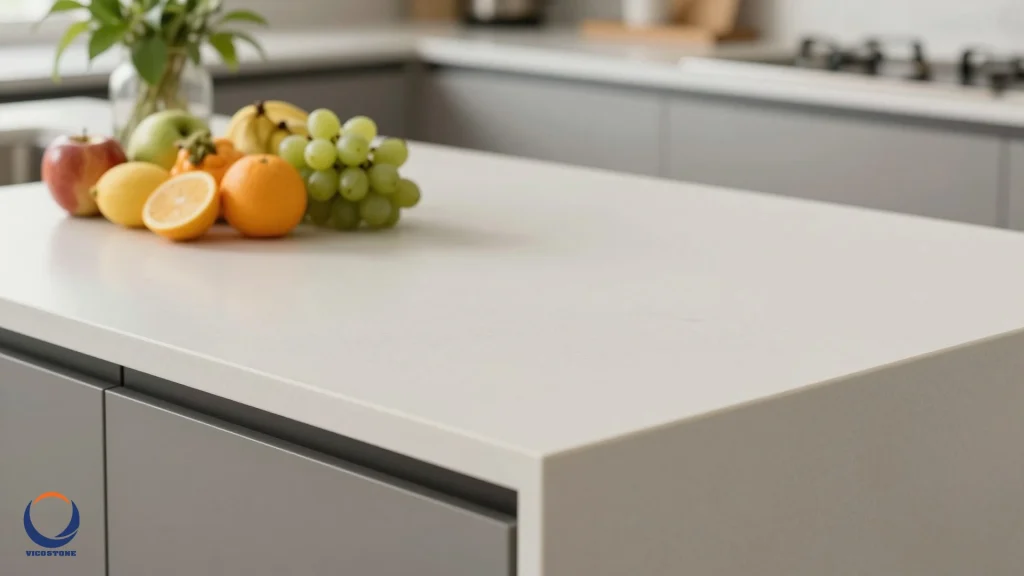
The global community has responded to this crisis with urgency. Australia, for instance, implemented a nationwide ban on engineered stone containing more than 1% crystalline silica, effective July 2024 [2]. California has also introduced emergency safety rules and is considering a broader ban [1]. These regulations underscore the critical need for safer alternatives in the surface material industry.
The Evolution: Low-Silica vs. Silica-Free Surfaces
The industry has innovated to address silica-related health concerns, introducing both low-silica and silica-free options. It is crucial to understand the distinction between these categories. Traditional quartz slabs, as mentioned, contain a high percentage of crystalline silica [1].
Low-silica quartz slabs represent an improvement, typically containing less than 40% crystalline silica [1]. Some brands have even reduced content to under 10% [2]. This reduction significantly mitigates the risk of harmful dust during fabrication. However, experts emphasize that "low silica" does not equate to "silica-free" and does not entirely eliminate the danger [2].
Silica-free surfaces, on the other hand, are engineered to contain little to no crystalline silica [1]. These materials eliminate the risk entirely during fabrication, offering a "zero-risk" environment for workers [2]. Examples of truly silica-free materials include porcelain slabs, ultracompact surfaces like Dekton, and sintered stone [2]. These alternatives prove that reduced silica content does not compromise quality; rather, it reflects innovation and a proactive response to market demands [1].
Wellness Integration: Benefits of Silica-Free Surfaces
Silica-free surfaces offer a compelling suite of benefits that resonate deeply with modern wellness trends. They provide more than just aesthetic appeal; they contribute to a healthier, more sustainable, and stress-free living environment.
Prioritizing Health and Safety in Your Home
The most direct wellness benefit of silica-free surfaces is the enhanced safety they offer. While finished products are generally safe, choosing silica-free options provides peace of mind for homeowners. This is particularly relevant if future renovations or modifications might involve cutting the material, ensuring minimal exposure risk for anyone involved [4].
Furthermore, many silica-free materials, such as porcelain and sintered stone, are non-porous. This characteristic makes them incredibly hygienic, preventing bacterial growth and making them ideal for kitchens and bathrooms [2]. A clean, germ-resistant surface contributes significantly to a healthier home environment, reducing the need for harsh chemical cleaners.
Embracing Environmental Responsibility
Modern wellness often includes a strong commitment to environmental stewardship. Silica-free surfaces align perfectly with this value. Many of these materials incorporate recycled or alternative components, reducing reliance on extensive mining and supporting more environmentally friendly manufacturing practices [4]. By lowering the silica content, the overall environmental impact of mining and processing is also reduced [4].
Choosing silica-free options supports a sustainable and responsible supply chain in the building materials industry. This eco-conscious approach allows consumers to make choices that benefit both their personal well-being and the planet's health, a cornerstone of modern wellness philosophy.
Uncompromised Durability and Low Maintenance
Wellness also means reducing stress and simplifying daily life. Silica-free surfaces excel in durability and ease of maintenance, contributing to a more relaxed home environment. They are highly resistant to scratches, stains, and heat, ensuring they stand up to the rigors of daily life without constant worry [4].
Unlike natural stone, these materials typically do not require regular sealing, further simplifying upkeep and reducing the need for specialized cleaning products [4]. For outdoor applications, materials like Dekton and porcelain are 100% UV stable, meaning they will not yellow or fade under sun exposure, unlike some traditional quartz options [2]. This longevity and low-maintenance profile contribute to a stress-free living experience.
Aesthetic Versatility and Innovative Integration
Wellness also encompasses creating spaces that inspire and uplift. Silica-free surfaces offer immense aesthetic versatility, capable of mimicking the luxurious look of marble or granite without their fragility or high maintenance [4]. This design flexibility allows homeowners to create beautiful, personalized spaces that reflect their unique style and promote a sense of calm and beauty.
Furthermore, these materials are at the forefront of technological integration. Because they are often resin-free and silica-free, they are the only materials safe for integrated technologies like Invisacook (invisible induction cooktops) and invisible touch switches [2]. This seamless integration of smart technology enhances functionality and modern convenience, aligning with the desire for efficient, intelligent homes.
The Future is Here: Adopting Silica-Free for a Healthier Lifestyle
The global shift towards silica-free surfaces is not merely a trend; it represents a fundamental change in how we approach material selection for our homes and commercial spaces. As health and safety standards continue to tighten, choosing silica-free options is a forward-thinking decision that future-proofs your home [4]. It ensures compliance with evolving regulations and reflects a commitment to long-term well-being.
For consumers, this means making conscious choices that support the health of their families and the planet. For manufacturers and suppliers, it signifies a move towards more responsible and innovative production. Countries like Vietnam, for example, despite not having domestic bans, see forward-looking manufacturers investing in safer production methods and diversifying product lines to meet global demand for these materials [1]. This proactive approach ensures a competitive and reliable supply of high-quality alternatives.
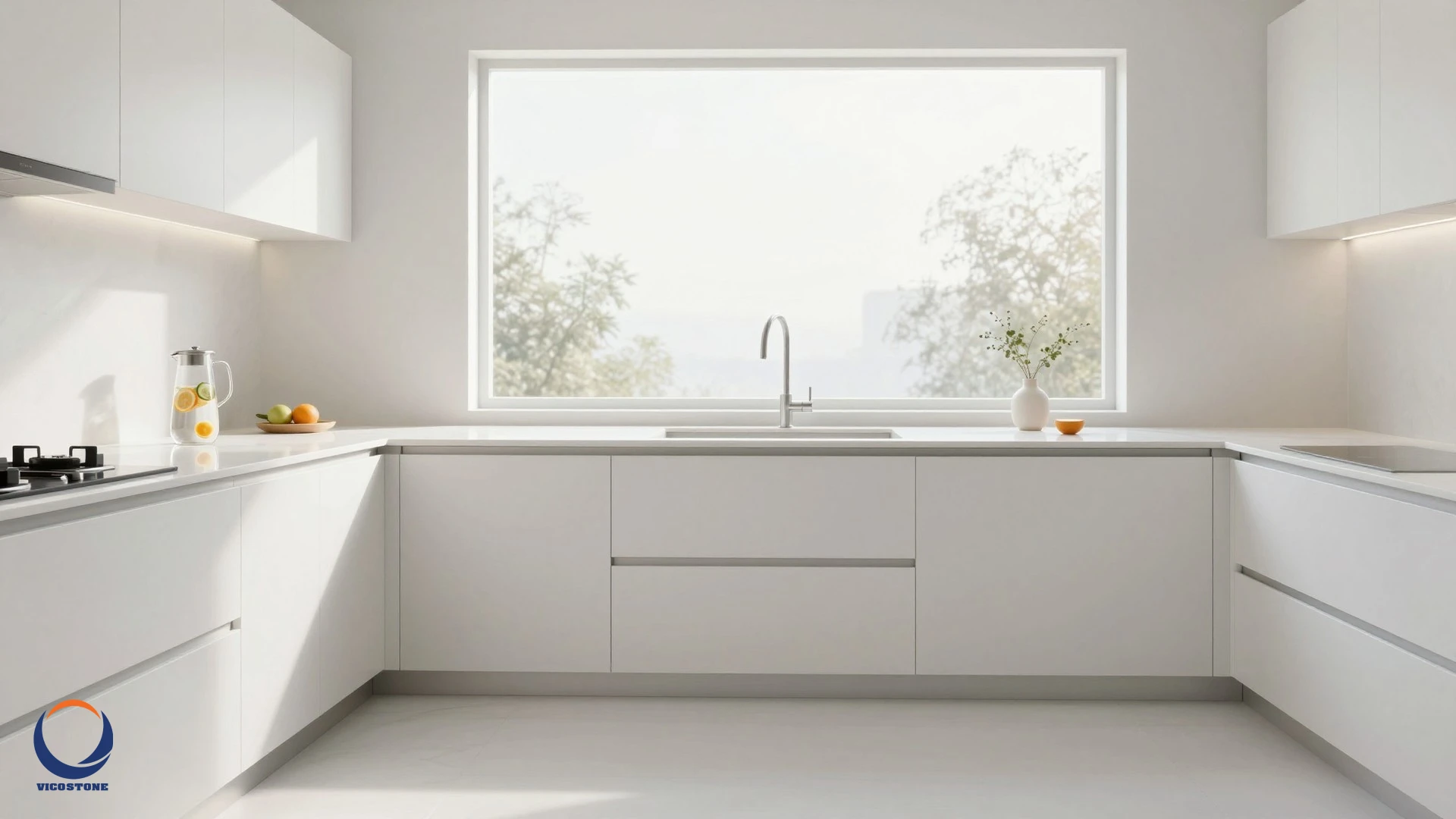
The innovation seen in silica-free materials is truly remarkable. Companies are constantly pushing boundaries to create products that are not only safer and more sustainable but also aesthetically superior and functionally advanced. The commitment to research and development in this sector is evident, and platforms like EON Tech are increasingly highlighting these advancements to a broader audience. Embracing silica-free options is a powerful step towards creating healthier, more sustainable, and truly modern living environments. Explore designing health-conscious kitchens with modern surface materials to see how these choices can transform your space. You can also learn more about exploring non-silica quartz surfaces as a modern alternative.
Conclusion
Silica-free surfaces are more than just a new product category; they are a cornerstone of modern wellness. They address critical health concerns, champion environmental responsibility, and offer unparalleled durability and design flexibility. By choosing these innovative materials, consumers can create living spaces that are not only beautiful and functional but also genuinely contribute to a healthier, more sustainable, and stress-free lifestyle. This alignment with holistic well-being makes silica-free surfaces an intelligent and responsible choice for any contemporary home or commercial project. The global shift toward sustainable interior materials is undeniable, and silica-free options are leading the way. For more detailed insights into specific materials, consider visiting Lais Luz's guide on silica-free countertops.
More Information
- Crystalline Silica: A common mineral found in quartz, sand, and rock. Inhaling fine dust from crystalline silica during fabrication can cause serious lung diseases like silicosis.
- Silicosis: A severe and incurable lung disease caused by the inhalation of respirable crystalline silica dust. It primarily affects workers in industries involved in cutting, grinding, or polishing silica-containing materials.
- Low-Silica Surfaces: Engineered stone products that contain a reduced percentage of crystalline silica, typically less than 40%. While safer than traditional high-silica options, they do not eliminate the risk entirely during fabrication.
- Silica-Free Surfaces: Surface materials designed to contain little to no crystalline silica. These options, such as porcelain, Dekton, and sintered stone, completely eliminate the risk of silicosis during fabrication.
- Engineered Stone: A composite material made from crushed stone (often quartz) bound together with an adhesive, typically polymer resin. Traditional engineered stone has a high silica content, leading to health concerns during processing.