In the competitive world of retail, first impressions are everything. Customers often form an opinion about a store within seconds of stepping inside. This initial judgment significantly influences their shopping experience and ultimately, their purchasing decisions. For retail developers, understanding this dynamic is crucial. The materials chosen for floors, walls, fixtures, and even ceilings play a pivotal role in crafting these critical first impressions. They communicate a store's brand, set the mood, and guide customer perception long before any product is even touched.
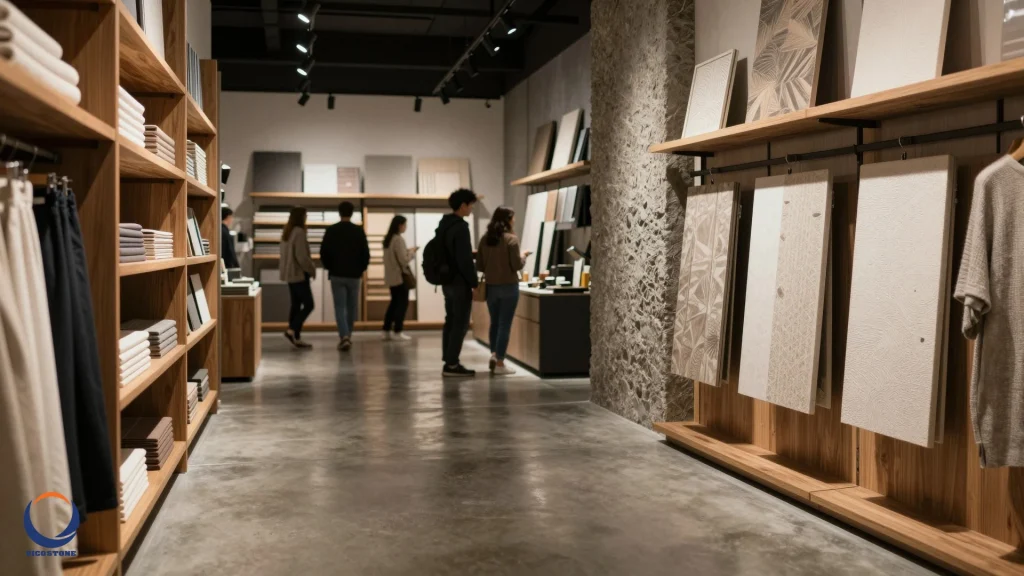
The tactile and visual qualities of surface materials create an immediate sensory experience. These elements can evoke feelings of luxury, comfort, innovation, or practicality. Therefore, strategic material selection is not merely an aesthetic choice; it is a powerful tool for customer engagement and brand differentiation. Thoughtful design choices, such as blending nature-inspired elements with minimalist aesthetics, can elevate a retail space, ensuring it reflects warmth, elegance, and a unique energy [2].
The psychology of surfaces: beyond aesthetics
The impact of surface materials extends far beyond their visual appeal. They engage multiple senses, influencing customer psychology and behavior. A smooth, cool marble floor, for instance, conveys sophistication and luxury. Conversely, natural wood flooring might evoke warmth and approachability. These subtle cues shape how customers perceive the store's offerings and brand identity.
Research indicates that sensory design, engaging sight, sound, touch, and even scent, is vital in physical retail [4]. Online shopping primarily engages sight, but brick-and-mortar stores can awaken all senses. This multi-sensory approach creates a richer, more memorable experience for the customer. Therefore, selecting materials that appeal to touch and sight is paramount for retail success.
Texture: the tactile experience
Texture is one of the most immediate and impactful aspects of a surface material. It invites interaction and communicates quality. A rough, natural stone wall can suggest authenticity and ruggedness, fitting for an outdoor gear store. Smooth, polished metals or glass, on the other hand, convey modernity and precision, often seen in electronics or high-tech retail environments [5]. Incorporating natural elements like wood, stone, and woven textiles adds warmth and texture, creating a calming and inviting atmosphere [2]. This encourages customers to linger longer, increasing their engagement with the products.
Color: setting the mood and brand identity
The color of surface materials profoundly affects the mood and atmosphere of a retail space. Warm colors like reds and oranges can create excitement and urgency, often used in sale areas. Cool colors such as blues and greens promote calmness and tranquility, suitable for wellness or luxury brands. Neutral tones provide a versatile backdrop, allowing products to stand out. The consistent use of brand colors in surface materials reinforces brand identity, making the store instantly recognizable. This strategic use of color helps guide customer emotions and perceptions.
Finish: gloss, matte, and everything in between
The finish of a surface material dictates its reflectivity and perceived elegance. A high-gloss finish, common in luxury retail, reflects light beautifully, creating a sense of spaciousness and opulence. It also suggests high maintenance and pristine conditions. Conversely, a matte finish absorbs light, offering a more subdued, sophisticated, and often contemporary feel. It can also hide imperfections better, making it practical for high-traffic areas. The choice between gloss and matte depends heavily on the desired brand image and practical considerations like durability and maintenance.
Pattern and design: visual storytelling
Patterns and designs on surface materials contribute to the store's visual narrative. Intricate patterns can add a sense of heritage or artistry, while geometric designs might convey modernity and structure. For example, weaving traditional patterns into design elements or using local artisan-sourced materials can evoke a sense of pride and connection, especially in culturally rich areas [4]. These design choices are not merely decorative flourishes; they are strategic elements that differentiate, delight, and drive dwell time. They help tell the brand's story and create a unique shopping experience.
Strategic material choices for diverse retail environments
Different retail sectors require distinct approaches to surface material selection. What works for a luxury boutique will not suit a discount store. Retail developers must tailor their material choices to the specific market segment, brand ethos, and customer expectations.
Luxury boutiques: elegance and exclusivity
In luxury retail, surface materials are chosen for their intrinsic value, rarity, and aesthetic appeal. Polished natural stone, such as marble or granite, conveys opulence and timelessness. Rich, dark woods like walnut or mahogany add warmth and sophistication. High-quality metals, specialized glass, and bespoke textiles contribute to an exclusive atmosphere. These materials often come with a higher price tag and require meticulous maintenance, but they are essential for creating the desired high-end experience. They signal quality and exclusivity, justifying premium pricing.
Mass market and everyday stores: durability and practicality
For mass-market retailers, durability, ease of maintenance, and cost-effectiveness are paramount. Vinyl flooring, laminate, and durable ceramic tiles are common choices for high-traffic areas. These materials withstand heavy footfall, are easy to clean, and offer a wide range of aesthetic options at a lower price point. While less luxurious, they can still be visually appealing and contribute to a clean, organized, and efficient shopping environment. The focus here is on functionality without compromising too much on appearance.
Specialty stores: tech, wellness, and bespoke concepts
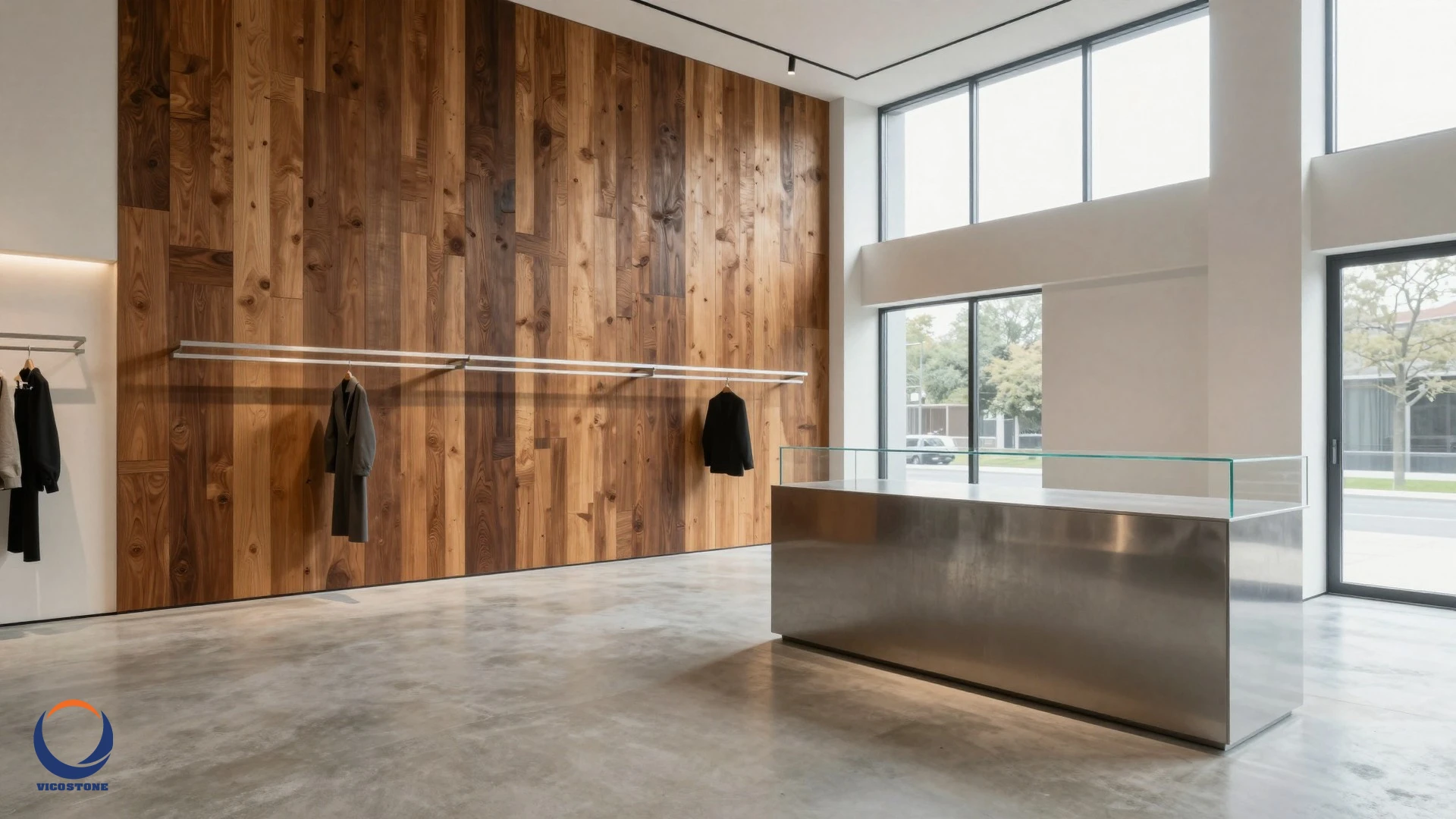
Specialty stores often use surface materials to reinforce their unique niche. Tech stores might favor sleek, modern materials like polished concrete, brushed aluminum, and glass to reflect innovation and cutting-edge design. For example, the use of CNC-cut aluminum alloy in products like Microsoft Surface devices emphasizes a minimalist yet elegant aesthetic and long-term durability [5]. This same principle can be applied to retail spaces selling such products. Wellness brands might incorporate natural, calming materials such as bamboo, light woods, and soft, earthy-toned fabrics to create a serene and inviting atmosphere [2]. These choices create an environment that aligns perfectly with the products being sold.
Impact on customer behavior and brand perception
The strategic use of surface materials directly influences how customers interact with a retail space and perceive the brand. This impact can be measured in various ways, from dwell time to perceived value.
Encouraging dwell time
Comfortable and aesthetically pleasing environments encourage customers to stay longer. Natural materials and thoughtful layouts create a calming and inviting atmosphere, making customers feel more at ease [2]. When customers linger, they are more likely to explore products, engage with staff, and ultimately make a purchase. Surface materials that contribute to a positive ambiance are therefore crucial for maximizing sales opportunities. They transform a quick stop into a browsing experience.
Influencing perceived value
The quality of surface materials can significantly influence a customer's perception of product value. A product displayed on a high-quality, well-maintained surface is often perceived as more valuable than the same product on a worn or cheap-looking surface. This phenomenon is particularly evident in luxury goods, where the retail environment itself becomes part of the product's allure. This is why brands invest heavily in premium finishes.
Reinforcing brand identity
Consistent use of surface materials that align with a brand's identity strengthens its message. A brand emphasizing sustainability might use reclaimed wood, recycled glass, or sustainable surface materials. A brand focused on innovation might opt for sleek, minimalist, and technologically advanced surfaces. This consistency creates a cohesive brand experience that resonates with target customers. It builds trust and loyalty over time.
Creating emotional connections
Beyond functionality, surface materials can evoke emotions. A cozy, textured rug can make a space feel more homely and welcoming. A vibrant, patterned tile can inject energy and playfulness. These emotional connections are vital for building customer loyalty and creating memorable shopping experiences. They transform a transactional visit into an enjoyable outing. EON Tech recognizes that these emotional connections are key to fostering long-term customer relationships.
Practical considerations for retail developers
While aesthetics and psychological impact are important, retail developers must also consider practical aspects when selecting surface materials. These include durability, maintenance, sustainability, and budget.
Durability and maintenance: long-term investment
Retail spaces experience significant wear and tear. Therefore, selecting durable materials that can withstand heavy foot traffic, spills, and constant cleaning is essential. Materials like engineered stone offer excellent durability and ease of maintenance, making them ideal for high-traffic areas [internal link]. The long-term costs associated with maintenance and potential replacement should always be factored into the initial material selection. A cheaper material upfront might prove more expensive over time if it requires frequent repairs or replacement.
Sustainability: appealing to conscious consumers
An increasing number of consumers are environmentally conscious. Choosing sustainable surface materials, such as recycled content, rapidly renewable resources, or locally sourced materials, can enhance a brand's image. This commitment to sustainability can be a significant selling point, attracting customers who prioritize ethical consumption. It also aligns with corporate social responsibility goals. Businesses must consider their environmental footprint.
Budgeting: balancing vision with reality
Budget constraints are always a factor in retail development. Developers must balance their design vision with financial realities. This often involves creative solutions, such as using high-impact materials in key areas and more cost-effective alternatives in less prominent spaces. Value engineering can help achieve desired aesthetics within budget limitations. It's about smart allocation of resources.
Local context and cultural relevance
In diverse markets, incorporating local culture into retail design can create a deeper connection with customers. For example, in Vietnam, incorporating traditional elements like bamboo accents or lotus-inspired motifs can evoke a sense of pride and connection [2]. Similarly, sourcing materials from local artisans, like terracotta tiles from Bat Trang, adds authenticity and supports local economies [4]. This cultural fluency helps spaces feel both contemporary and deeply rooted in local traditions. It makes the store feel like part of the community.
The future of retail surfaces: innovation and technology
The landscape of surface materials is constantly evolving. Innovations in manufacturing are leading to new materials with enhanced properties, such as self-cleaning surfaces, antimicrobial coatings, and integrated smart technologies. These advancements offer exciting possibilities for retail developers to create even more engaging, hygienic, and interactive spaces. For instance, companies like Surface Viet and Surface City specialize in high-tech devices, and their physical stores might leverage advanced materials that reflect this innovation [1][3]. Smart surfaces could potentially display dynamic information or react to customer presence, further blurring the lines between physical and digital retail experiences.
The integration of digital displays with traditional materials also represents a key trend. This allows for dynamic content alongside the timeless appeal of natural textures. For example, combining digital displays with materials like reclaimed teak or natural stone creates a harmonious blend of old and new [4]. This approach caters to tech-savvy consumers while honoring traditional aesthetics. It offers the best of both worlds.
Conclusion
Surface materials are far more than just decorative elements in retail design. They are fundamental to shaping first impressions, influencing customer emotions, and reinforcing brand identity. From the texture of the flooring to the finish of the fixtures, every material choice contributes to the overall sensory experience of a retail space. For retail developers, a deep understanding of how these materials impact perception and behavior is essential for creating successful, memorable, and profitable environments. By strategically selecting materials that align with brand values, customer expectations, and practical considerations, developers can craft spaces that not only attract but also captivate and convert shoppers. The power of surfaces truly defines the retail journey.
Retail interior design is about crafting spaces that connect and captivate. It involves blending aesthetics, functionality, and emotion to create environments that resonate with customers [2]. This holistic approach ensures that every detail, including surface materials, contributes to a cohesive and impactful retail experience. Ultimately, the right materials can transform a store into a destination, inviting customers into a world that extends beyond mere transactions [4]. This is the true art and science of retail development.More Information
- Sensory Design: An approach to interior design that intentionally engages multiple human senses (sight, sound, touch, smell, and sometimes taste) to create a more immersive and memorable experience within a space. It aims to evoke specific emotions and behaviors.
- Dwell Time: The amount of time a customer spends inside a retail store or in a specific area of the store. Longer dwell times often correlate with increased engagement, product exploration, and higher purchase likelihood.
- Brand Identity: The visible elements of a brand, such as color, design, and logo, that identify and distinguish the brand in consumers' minds. Surface materials are a key component in physically manifesting this identity within a retail space.
- Tactile Experience: The sensory experience related to touch. In retail, this refers to how customers perceive and interact with the physical textures and temperatures of surface materials, influencing their comfort and perception of quality.
- Value Engineering: A systematic, organized approach to providing the necessary functions in a project at the lowest cost. It involves analyzing and optimizing material choices to achieve desired performance and aesthetics within budget constraints.