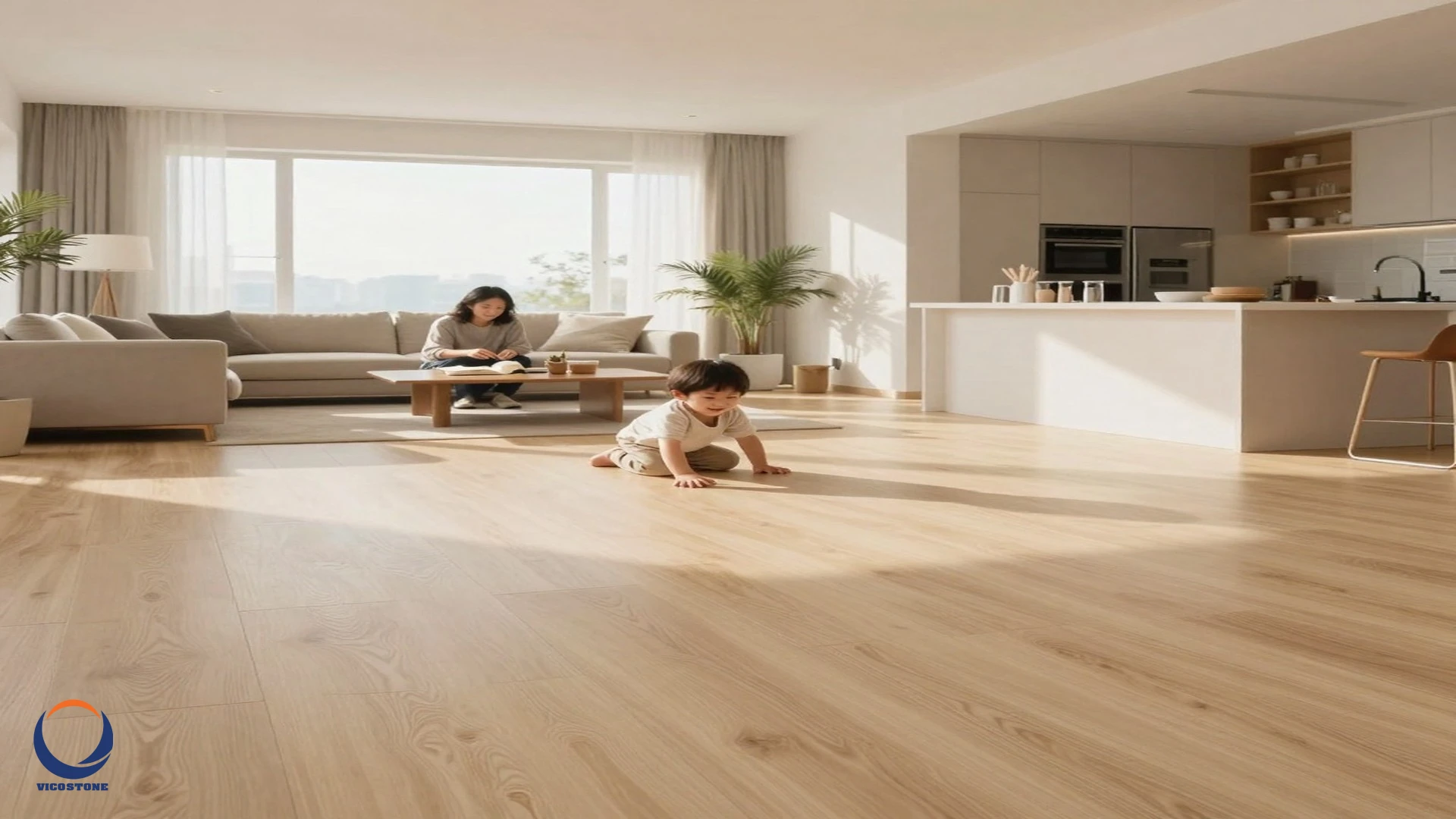
Creating a family-centered home means prioritizing the well-being and safety of every inhabitant. This includes children, pets, and adults. The choice of surface materials plays a crucial role in achieving this goal. It impacts everything from indoor air quality to accident prevention and long-term durability.
Families need surfaces that are not only aesthetically pleasing but also robust, non-toxic, and easy to maintain. This comprehensive guide explores the best safe surface materials for various areas of your home. It helps you make informed decisions for a healthier and happier living environment.

Understanding safety in home surfaces
Safety in home surfaces encompasses several critical aspects. First, it involves health considerations. Materials should not off-gas harmful volatile organic compounds (VOCs) or harbor allergens. Second, physical safety is paramount. Surfaces must offer adequate slip resistance and be durable enough to withstand daily family life. Finally, ease of cleaning contributes significantly to hygiene and overall safety. A systematic approach, much like the "built-in quality" principle in project management, ensures these safety aspects are considered from the outset [1].
Health and indoor air quality
The air quality inside our homes directly affects our health. Many conventional building materials can release VOCs, which are chemicals that can cause respiratory issues, headaches, and other health problems. Opting for low-VOC or VOC-free materials is essential, especially in homes with young children or individuals with sensitivities. Certifications like Carb-P2/EPA standards, seen in products like KES Group's melamine-coated boards, indicate a commitment to consumer health safety [3]. These standards help ensure materials contribute positively to indoor air quality.
Durability and maintenance
Family homes experience significant wear and tear. Surfaces must resist scratches, dents, and spills. Easy maintenance is also a major benefit for busy parents. Materials that are simple to clean and require minimal upkeep save time and effort. High-quality materials often come with substantial warranties, such as 25-35 years for reputable engineered wood brands, reflecting their expected longevity [3].
Slip resistance and impact absorption
Accidents can happen quickly in a bustling home. Floors, especially in areas prone to moisture like kitchens and bathrooms, should provide good slip resistance. Some materials also offer a degree of impact absorption, which can reduce the severity of injuries from falls. While not explicitly detailed, the general concept of "building safe homes" extends to preventing such common household accidents [2]. Therefore, choosing materials that minimize these risks is a proactive safety measure.
Environmental impact
Many families are increasingly conscious of their environmental footprint. Selecting sustainable and eco-friendly materials benefits not only the planet but also the home environment. Materials that are recycled, renewable, or sourced responsibly contribute to a healthier ecosystem. This also aligns with a broader vision for sustainable living, as explored by organizations like SCP.gov.vn[4].
Safe flooring options for active families
Flooring is arguably the most critical surface in terms of family safety and durability. It covers the largest area and experiences the most direct contact and traffic. Here are some top choices for family-centered homes.
Engineered wood flooring
Engineered wood is a popular choice due to its diverse designs and stability. It offers many advantages over solid wood, including resistance to warping, insect infestation, and shrinkage [3]. This makes it particularly suitable for environments with fluctuating humidity, as detailed by vietnam.vn[3]. For instance, in regions with high humidity and rainy seasons, water resistance is a key factor for extending lifespan [3]. Brands like Robina, Camsan, and Alsafloor offer super water-resistant options for kitchens and other high-moisture areas [3].
Engineered wood is available in various grades, typically from AC3 to AC6. AC3 is suitable for moderate traffic, while AC4, AC5, and AC6 are ideal for higher traffic areas, including private homes that seek long-term integrity [3]. Thickness also matters; 8mm boards are good for moderate traffic, while 12mm boards provide greater stability and load-bearing capacity for busy spaces with more furniture [3]. This material provides both beauty and function, making it a versatile option.
Recycled wood
As natural wood becomes scarcer, recycled wood offers an excellent eco-friendly alternative. It is collected from demolished structures or used products. Recycled wood retains the aesthetic appeal of new wood but often comes at a lower cost [4]. This material reduces demand for new timber, thereby protecting forests and ecosystems. It’s a sustainable choice that adds character and history to a home.
Natural stone
Natural stone, such as granite, marble, or slate, is a durable and elegant option. It is relatively easy to find and does not cause environmental pollution, unlike some metals or plastics [4]. Stone can also be reused, making it a sustainable choice. For example, HomePro Vietnam offers a range of high-quality stone tiles that are meticulously processed and inspired by nature [5]. While beautiful, some natural stones may require sealing to prevent staining and can be cold underfoot. Textured finishes can enhance slip resistance.
Tiles: porcelain and decorative
Porcelain tiles are renowned for their high technical index and durability. They are often inspired by natural materials like wood, stone, and cement, depicting authentic textures [5]. Porcelain is highly water-resistant, making it perfect for kitchens, bathrooms, and entryways. Decorative tiles also offer versatility for personalizing spaces, especially in kitchens and bathrooms [5]. When choosing tiles, consider their PEI (Porcelain Enamel Institute) rating for wear resistance and a coefficient of friction (COF) for slip resistance, particularly in wet areas.
Safe surface materials for countertops and walls
Countertops and wall surfaces also need careful consideration for safety and hygiene. They are frequently touched and exposed to food preparation or cleaning agents.
Engineered stone
Engineered stone, particularly quartz-based surfaces, remains popular in luxury homes for its durability, non-porous nature, and wide range of designs. It is highly resistant to scratches, stains, and heat. This makes it an ideal choice for busy kitchen countertops. The evolution of countertop materials has seen significant advancements, with engineered stone leading the way in balancing beauty and functionality. Furthermore, the industry is moving towards silica-free innovation in surface design, which enhances safety during fabrication and installation.
Engineered stone is non-toxic and does not harbor bacteria, contributing to a hygienic kitchen environment. Its ease of cleaning is a major plus for families. You can learn more about how engineered stone supports long-term property value, which is an added benefit for homeowners.
Recycled metals
While less common for entire wall surfaces, recycled metals like aluminum or stainless steel can be used for backsplashes or decorative accents. Mining operations have significant environmental impacts, so using recycled metals helps reduce pollution and conserve natural resources [4]. These materials are durable, easy to clean, and offer a modern aesthetic. They are particularly suitable for industrial-style kitchens or utility areas.
Other eco-friendly and safe surface options
Beyond traditional flooring and countertops, other materials can enhance the safety and sustainability of your family home.
Bamboo
Bamboo is a rapidly renewable resource that is gaining popularity as a sustainable building material. It is easy to grow and can be replanted after harvesting, offering an endless source of material [4]. Bamboo can be used for flooring, wall panels, and even furniture. Its natural strength and unique aesthetic make it an attractive option. When choosing bamboo products, look for those made with low-VOC adhesives to ensure optimal indoor air quality.
Choosing the right material for each room
The best material often depends on the specific demands of each room. Tailoring your choices ensures maximum safety and longevity.
Kitchens and bathrooms
These areas require highly water-resistant and easy-to-clean surfaces. For flooring, super water-resistant engineered wood or porcelain tiles are excellent choices. Countertops benefit from engineered stone due to its non-porous and hygienic properties. For walls, decorative tiles or waterproof paint can provide both protection and style. EON Tech solutions often emphasize integrating durable and easy-to-maintain materials in high-traffic, moisture-prone areas.
Living areas and bedrooms
In living rooms and bedrooms, comfort and indoor air quality are key. Engineered wood or recycled wood flooring provides warmth and a natural feel. For walls, low-VOC paints or natural wallpapers are good options. Consider soft rugs made from natural fibers for added comfort and sound absorption, especially in children’s play areas. These choices create a cozy and healthy environment.
Children's rooms and play areas
For children's spaces, prioritize non-toxic, soft, and easy-to-clean materials. Cork flooring, while not explicitly mentioned in the sources, is a good example of a soft, insulating, and natural material. Engineered wood with a durable finish is also suitable. Ensure any paints or finishes used on walls and furniture are certified low-VOC. The focus here is on minimizing exposure to harmful chemicals and providing a forgiving surface for play.
Maintenance and longevity for family homes
Proper care extends the life of your surfaces and maintains their safety features. Regular cleaning and adherence to manufacturer guidelines are crucial. For engineered wood, promptly wiping up spills is vital for longevity [3]. For stone and tile, using appropriate cleaners prevents damage and preserves their finish. Many high-quality products offer excellent warranties, providing peace of mind for families [3].
Understanding the "roadmap" for long-term home care, including regular inspections and timely maintenance, can prevent small issues from becoming larger problems, ensuring the ongoing safety and beauty of your home [1]. This proactive approach helps maintain the value and integrity of your investment.
The future of safe home surfaces
The trend towards safer and more sustainable materials continues to grow. Innovations in manufacturing are leading to even more eco-friendly and health-conscious options. We can expect to see further development in materials that are not only durable and beautiful but also actively contribute to better indoor air quality and reduced environmental impact. The focus on "customer centricity" drives manufacturers to meet these evolving needs with cutting-edge solutions [1]. This ensures that future homes will be even safer and healthier for families.
Conclusion
Choosing safe surface materials is a fundamental aspect of creating a nurturing and healthy family home. By prioritizing non-toxic, durable, easy-to-maintain, and environmentally friendly options, you invest in the long-term well-being of your loved ones. From engineered wood to natural stone and innovative engineered surfaces, a wide array of choices allows you to combine safety with style. Make informed decisions to build a home where your family can thrive securely and comfortably.
More Information
- Scaled Agile Framework (SAFe): A comprehensive knowledge base of proven success patterns for implementing Lean-Agile development at enterprise scale. While primarily for software, its principles of "built-in quality" and "inspect and adapt" can be conceptually applied to systematic decision-making in home design.
- Building Safe Homes and Communities: A broad concept emphasizing the creation of living environments that protect residents from hazards and promote well-being. This includes structural integrity, material safety, and community resilience, though specific details from the provided source were unreadable.
- Engineered Wood AC Rating: An abrasion class rating (AC1 to AC6) that indicates the durability and resistance to wear of laminate and engineered wood flooring. Higher AC ratings denote greater resistance, suitable for higher traffic areas in residential or commercial settings.
- Recycled Materials: Resources obtained from discarded products or waste streams and reprocessed for new uses. Examples include recycled wood, metal, and stone, which reduce the need for virgin materials and lessen environmental impact from extraction and manufacturing.
- Porcelain Enamel Institute (PEI) Rating: A rating system for ceramic and porcelain tiles that measures their resistance to abrasion and wear. Ranging from PEI 0 (no foot traffic) to PEI 5 (heavy commercial traffic), it helps determine suitability for different areas of a home.