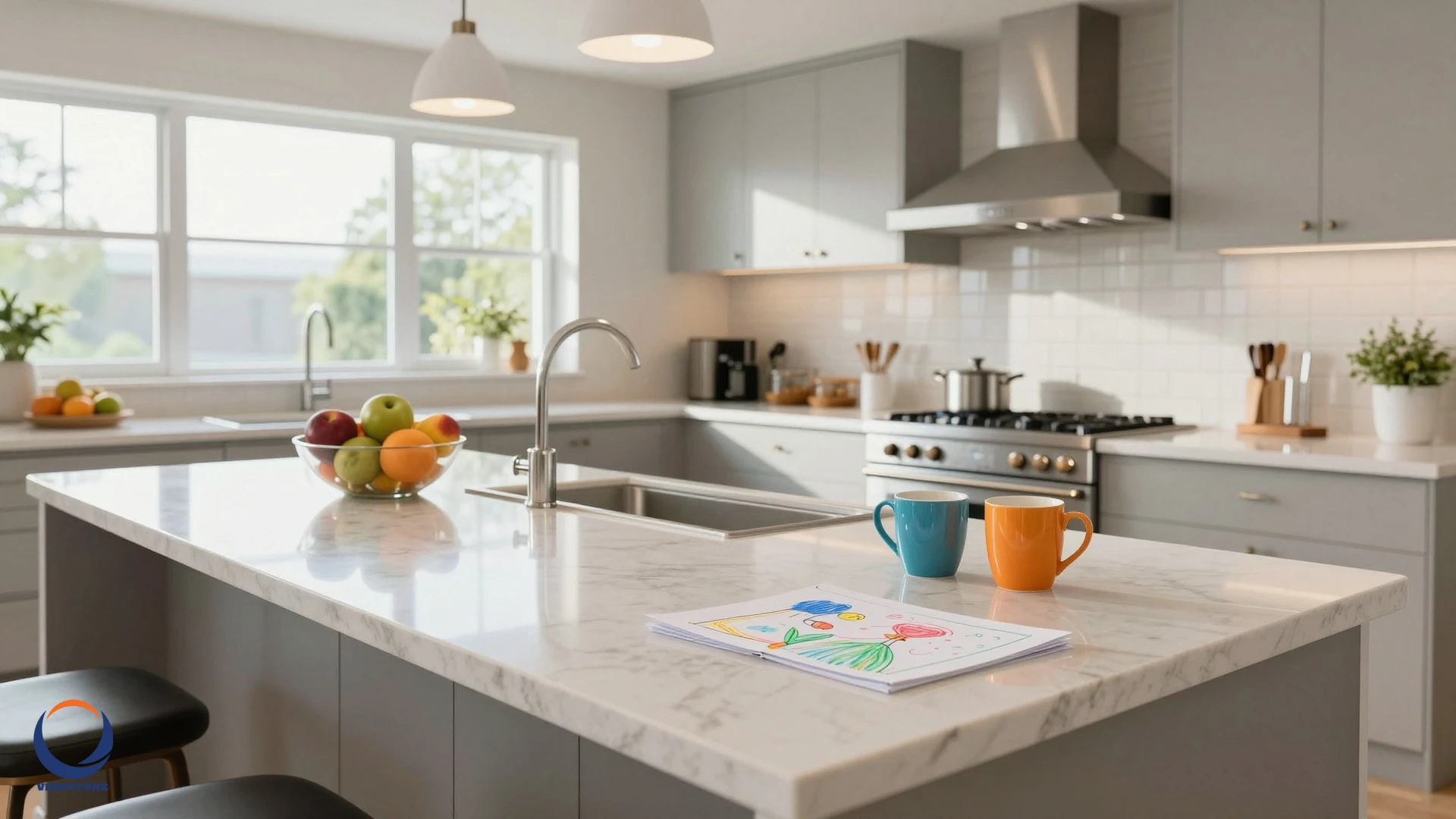
For busy families, the kitchen is often the heart of the home. It's a place for cooking, homework, family meals, and countless daily activities. However, it can also be a source of stress, especially when it comes to cleaning and maintenance. Imagine a kitchen where spills wipe away effortlessly, and surfaces resist the wear and tear of daily life. This dream is achievable with low-maintenance kitchen surfaces.
Choosing the right materials for your kitchen can transform it from a chore-filled space into an efficient, enjoyable hub. Low-maintenance surfaces offer practical advantages. They save precious time, reduce cleaning efforts, and contribute to a healthier home environment. For families constantly juggling schedules, these benefits are invaluable.
Why low-maintenance surfaces are a game-changer for family life
Life with a family is a whirlwind of activity. Between school runs, work, extracurriculars, and quality time, minutes are precious. A kitchen demanding constant attention can quickly become a burden. This is where low-maintenance surfaces truly shine.
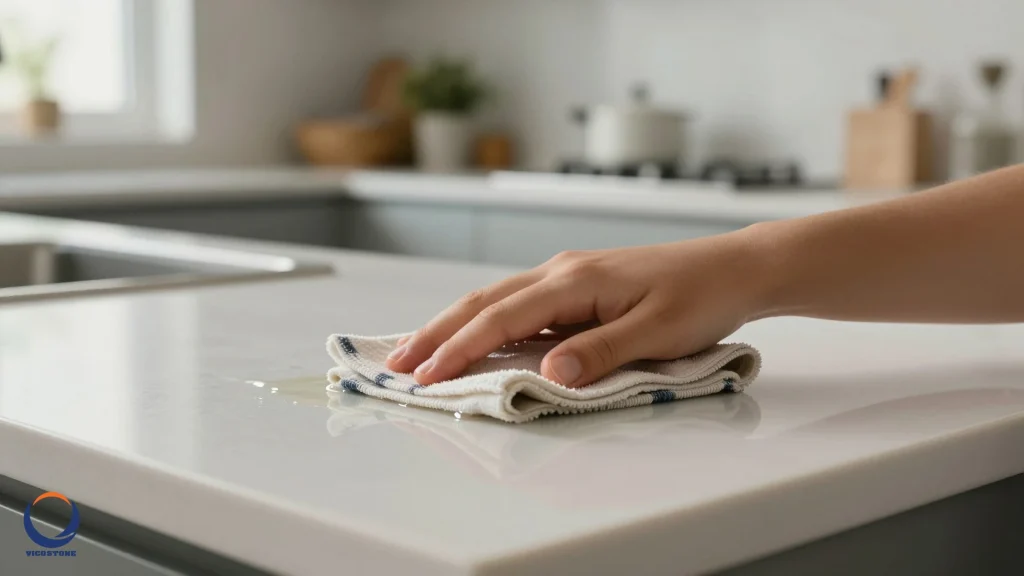
They significantly cut down on cleaning time. Instead of scrubbing stubborn stains, a quick wipe is often all that's needed. This efficiency translates directly into more moments for family bonding or personal relaxation. Less time spent on chores means more time living life. Furthermore, these surfaces contribute to a less stressful home. Knowing that your kitchen can handle spills and messes without permanent damage provides immense peace of mind. It allows families to truly enjoy their space without constant worry.
Key characteristics of low-maintenance kitchen surfaces
Not all kitchen surfaces are created equal when it comes to ease of care. Low-maintenance options share several key characteristics. These features make them ideal for the demands of a busy household.
Firstly, durability is paramount. These surfaces resist scratches, chips, and impacts from everyday use. They also boast excellent stain resistance. This means spilled juice, coffee, or pasta sauce won't leave lasting marks. Heat resistance is another vital trait, protecting against hot pots and pans. Secondly, most low-maintenance materials are non-porous. This prevents liquids and bacteria from seeping into the material. As a result, cleaning becomes much simpler and more effective. A non-porous surface is also inherently more hygienic. It discourages the growth of mold and mildew. Finally, these surfaces often offer aesthetic versatility. They come in a wide array of colors and patterns. This ensures they can complement any kitchen design. The importance of a suitable kitchen counter surface cannot be overstated [4].
Top low-maintenance kitchen surface materials
Several materials stand out for their low-maintenance qualities. Each offers a unique blend of benefits and aesthetic appeal.
Engineered stone (quartz)
Engineered stone, commonly known as quartz, is a top contender for busy families. It combines natural quartz minerals with resins and pigments. This creates an incredibly durable and non-porous surface. Quartz countertops are highly resistant to scratches, stains, and heat. They do not require sealing, unlike natural stone. This eliminates a significant maintenance task. Furthermore, quartz is exceptionally hygienic due to its non-porous nature. It prevents bacteria from harboring on the surface. A wide range of designs is available, mimicking natural stone or offering unique contemporary looks. For families prioritizing health, how silica-free surfaces support healthier living spaces for families is an important consideration, and many engineered stone options now offer this benefit.
Solid surface (acrylic)
Solid surface materials, such as Corian, are made from acrylic polymers and natural minerals. Their primary advantage is their seamless appearance. They can be installed with inconspicuous seams. This creates a smooth, continuous look. Solid surfaces are also non-porous, making them hygienic and stain-resistant. A unique benefit is their repairability. Scratches or minor damage can often be sanded out. This extends their lifespan and keeps them looking new. They are available in a vast spectrum of colors and patterns. This allows for great design flexibility.
Laminate (high-quality)
Modern laminates have come a long way from their predecessors. High-pressure decorative laminates offer excellent performance at an affordable price point. They consist of layers of paper or fabric impregnated with resin. These are then bonded to a substrate. Quality laminates are surprisingly resistant to stains and impacts. They are also easy to clean with just soap and water. The variety of patterns, including convincing stone and wood looks, is extensive. This makes them a versatile choice for many kitchen styles. While not as heat-resistant as quartz, they provide a practical, budget-friendly option for busy homes.
Stainless steel
Often seen in professional kitchens, stainless steel brings an industrial chic to residential spaces. It is incredibly durable, heat-resistant, and hygienic. Its non-porous surface makes it easy to clean and sanitize. This is a major plus for families concerned about food safety. While it can show fingerprints and scratches over time, many find this patina adds to its character. Stainless steel offers a sleek, modern aesthetic. It pairs well with contemporary designs. It's a robust choice for a high-traffic family kitchen.
Beyond cleaning: additional benefits for busy households
The advantages of low-maintenance surfaces extend far beyond just easy cleaning. They contribute to the overall functionality, value, and health of your home.
Enhancing home value and appeal
Investing in quality, low-maintenance kitchen surfaces can significantly boost your home's resale value. Buyers often perceive these upgrades as high-end and thoughtful. A pristine, easy-to-care-for kitchen is a major selling point. It suggests a well-maintained and modern home. Much like built-in kitchen appliances can increase a home's appeal and value [2], durable and attractive countertops signal quality. They show attention to detail. This makes your property more attractive in a competitive market.
Promoting a healthier home environment
The non-porous nature of many low-maintenance surfaces is a boon for family health. It prevents the absorption of liquids and food particles. This means less opportunity for bacteria, mold, and mildew to thrive. Consequently, your kitchen remains more hygienic with minimal effort. This reduces the need for harsh chemical cleaners. Using fewer chemicals creates a healthier indoor air quality. It is especially beneficial for families with young children or allergy sufferers. EON Tech recognizes the importance of such healthy living solutions in modern homes.
Design flexibility and personalization
Modern low-maintenance materials offer unparalleled design flexibility. They come in an extensive range of colors, patterns, and finishes. This allows families to personalize their kitchen to match their unique style. Whether you prefer a minimalist look or a vibrant, eclectic space, there's a low-maintenance option for you. This ability to achieve a polished, designer-level kitchen without compromising function is a significant advantage [2]. The long-term aesthetic satisfaction is a key benefit. Your kitchen will look great for years to come.
Making the right choice: factors to consider
Selecting the perfect low-maintenance surface involves weighing several factors. These considerations ensure your choice aligns with your family's needs and budget.
Firstly, consider your budget. Each material comes with a different price point. Laminate is generally the most affordable. Engineered stone and solid surface are mid-to-high range. Secondly, evaluate your family's lifestyle. Do you cook frequently? Are there young children who might be prone to spills? Do you entertain often? The answers will guide your decision towards more durable or stain-resistant options. Thirdly, think about your aesthetic preferences. The surface should complement your existing cabinetry and overall home decor. Finally, research installation requirements. Some materials are DIY-friendly, while others require professional installation. Understanding these factors is crucial for choosing the right material [4]. It ensures a harmonious and functional kitchen.
Long-term investment for family well-being
Choosing low-maintenance kitchen surfaces is more than a design decision. It's a strategic investment in your family's well-being and the longevity of your home. Just as a robust framework of employee benefits provides essential support for workers in Sri Lanka [1], including schemes like the Employees' Provident Fund [5] and broader welfare programs [3], a well-chosen kitchen surface provides foundational support for daily family life. It minimizes stress, maximizes time, and promotes a healthier living environment. The initial investment in quality materials pays dividends over years. You gain peace of mind and a beautiful, functional space. This allows you to focus on what truly matters: your family.
The ease of cleaning and durability of these surfaces mean less money spent on repairs or replacements. It also means less time and effort dedicated to upkeep. This long-term value makes low-maintenance surfaces a smart choice for any busy household. They are an essential component of a modern, efficient, and family-friendly home.
Conclusion
For busy families, the benefits of low-maintenance kitchen surfaces are undeniable. They offer a powerful combination of durability, hygiene, aesthetic appeal, and significant time savings. By choosing materials like engineered stone, solid surface, high-quality laminate, or stainless steel, you can create a kitchen that supports your lifestyle. It will be a space that is easy to clean, beautiful to behold, and built to last. Invest in your family's comfort and convenience. Transform your kitchen into a truly low-stress, high-function heart of your home.
More Information
- Engineered stone: A composite material made from crushed stone (often quartz) bound together by an adhesive, typically polymer resin. It is known for its durability, non-porosity, and wide range of colors and patterns.
- Non-porous surface: A material that does not have tiny holes or gaps, preventing liquids, stains, and bacteria from penetrating its surface. This characteristic makes it highly hygienic and easy to clean.
- Solid surface: A man-made material composed of acrylic or polyester resins and natural minerals. It is valued for its seamless appearance, repairability, and non-porous qualities, often used for countertops and sinks.
- Laminate countertop: A surface created by bonding layers of decorative paper or fabric impregnated with resin onto a particleboard or MDF core. Modern laminates offer good stain resistance and a wide variety of designs at an affordable price.
- Silica-free surfaces: Countertop materials specifically engineered to contain no or very low levels of crystalline silica, addressing health concerns related to silica dust exposure during fabrication and installation.