The kitchen countertop, once a purely utilitarian surface, has undergone a remarkable transformation. It has evolved into a central design element, reflecting personal taste and societal trends [2]. This journey showcases a fascinating blend of aesthetic desires, technological advancements, and changing priorities for homeowners.
From humble beginnings to avant-garde designs, the materials used for countertops have shifted dramatically over the decades [2]. Understanding this evolution helps homeowners appreciate the vast array of choices available today. It also highlights the innovations that have made modern kitchens both beautiful and highly functional.
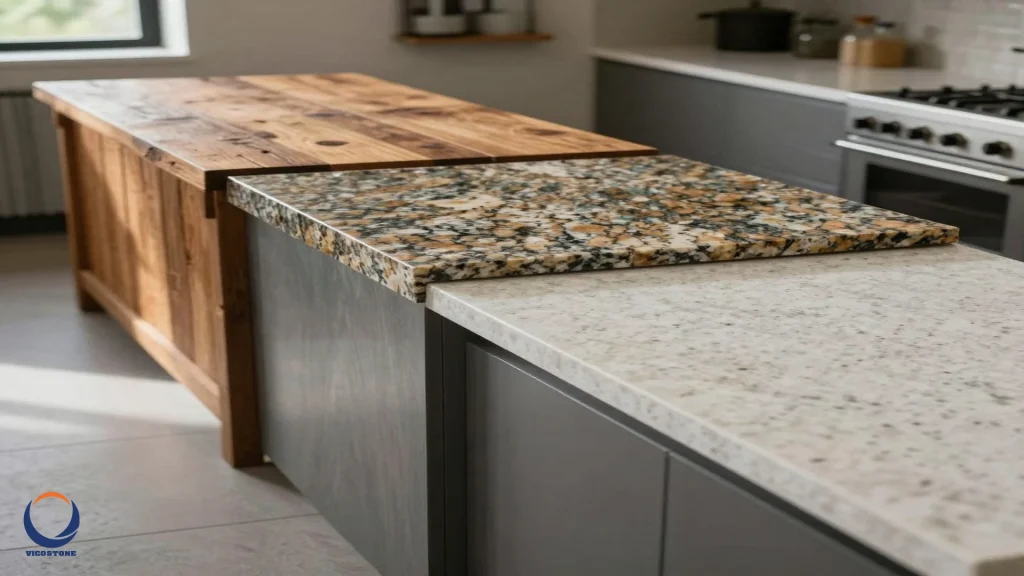
The humble beginnings: wood and laminate
In earlier homes, simplicity often reigned supreme. Wooden counters were a common sight, offering warmth and a rustic charm [2]. Materials like oak or maple provided a functional surface that developed a unique patina over time. Many contemporary homeowners still appreciate the nostalgic roots of wood, incorporating it with modern finishes for a unique blend of old and new [2].
The mid-20th century saw the widespread adoption of plastic laminate. Brands like Formica and Wilsonart dominated the market, holding an impressive 90% share in 1979 [3]. Laminate was affordable, easy to clean, and available in many colors. It offered a practical solution for many households, though it lacked the perceived luxury and durability of later materials.
The rise of natural stone: granite and marble
As society leaned towards greater durability and opulence in the late 20th century, granite made its grand entrance [2]. Kitchens transformed from mere functional spaces into social centers for entertaining guests. Granite, with its inherent robustness and natural beauty, quickly became a symbol of elegance [2].
Each slab of granite boasted unique patterns and significant weight, elevating the kitchen's prestige. Its timeless appeal made it a top choice for high-end renovations as prices became more accessible in the 1990s [3]. Homeowners carefully selected slabs to match their personal style, embracing the natural variations.
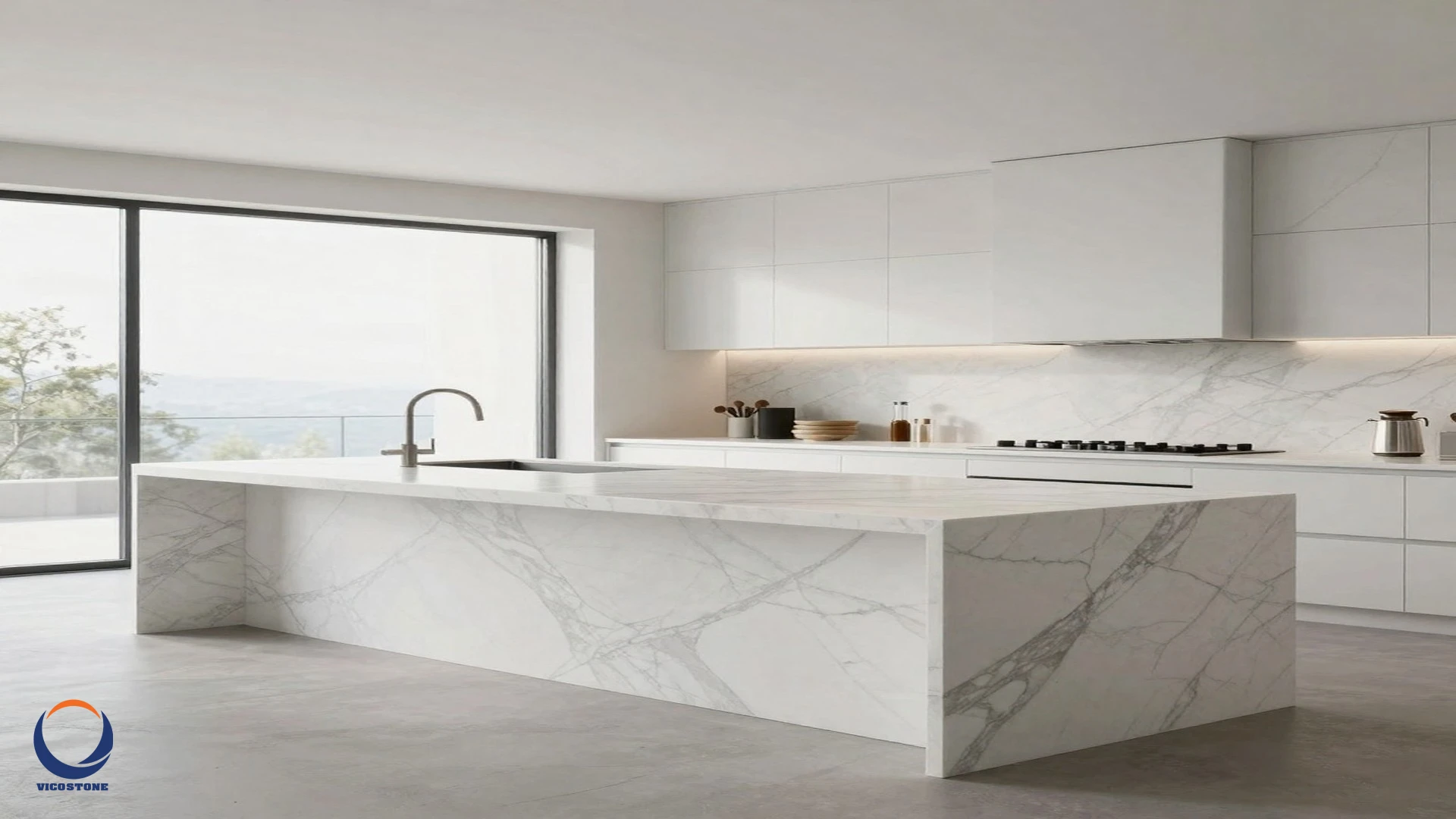
Marble also emerged as a luxurious option for those seeking a classic aesthetic [3]. Its distinctive veining and smooth, cool surface exude sophistication. However, both granite and marble, being natural stones, require regular maintenance to preserve their beauty and prevent staining or water damage [1]. This need for sealing and careful cleaning became a consideration for many homeowners.
The engineered stone revolution: quartz and solid surfacing
The 1980s introduced solid surfacing materials, challenging laminate's dominance [3]. These synthetic marvels offered enhanced durability and stain resistance. They could also be molded into seamless pieces, integrating sinks and backsplashes for a streamlined look [3].
However, the true game-changer was engineered stone, often referred to as quartz. Invented in Italy in 1977, quartz offered the aesthetic appeal of natural stone with improved consistency and durability [3]. Its rise marked a significant shift towards materials that combined the best natural and manufactured properties.
Quartz countertops are non-porous, making them highly hygienic and easy to maintain [2]. They come in a vast array of colors and patterns, providing a sleek, modern touch and allowing for greater design versatility. The ability to choose from matte or glossy finishes further allows homeowners to express their individuality [2].
While engineered stone offers many benefits, it's important to note the manufacturing process. Some types of engineered stone contain high levels of crystalline silica. The fabrication of these materials can generate silica dust, which poses health risks if not properly controlled [1]. Therefore, choosing products with safety certifications and reputable suppliers is crucial for health and quality [1]. This focus on material safety and advanced manufacturing techniques is a key area where companies like EON Tech are making strides in material innovation.
The versatility and low-maintenance nature of quartz have made it a popular choice for busy families. It provides a durable and stylish surface that can withstand daily wear and tear. Furthermore, its consistent appearance ensures a cohesive design throughout the kitchen, which is often a priority for modern homeowners.
Modern innovations and diverse choices
Today's countertop market is more diverse than ever, catering to every taste and budget [3]. While granite and engineered stone remain popular, many other materials are gaining traction. Homeowners now have an unprecedented array of options to personalize their kitchen spaces.
- Concrete: This material offers a modern, industrial aesthetic [2]. It provides a unique, raw look that complements contemporary designs.
- Stainless steel: Often seen in professional kitchens, stainless steel brings a sleek, hygienic, and modern feel to residential spaces [3]. It is highly durable and resistant to heat.
- Butcher block: Reclaiming its place, butcher block offers warmth and functionality. It is particularly favored in rustic or farmhouse-style kitchens [3].
- Recycled glass: An eco-friendly option, recycled glass countertops offer unique visual appeal. They contribute to sustainable living practices and come in various colors and patterns [3].
Beyond these established alternatives, cutting-edge materials are pushing boundaries. Ultra-compact surfaces, such as Dekton, offer exceptional durability and heat resistance [3]. Porcelain slabs provide a sleek look with minimal seaming, ideal for large surfaces. Sintered stone, engineered for extreme durability, resists scratches and stains effectively [3]. These innovative surfaces provide homeowners with truly unique and personalized kitchen options.
Even backlit surfaces are emerging, using translucent materials that can be illuminated for dramatic effect [3]. This innovation transforms the countertop into a dynamic focal point. The continuous evolution of materials means there is always something new to consider for home design.
Sustainability and safety in material selection
Modern homeowners are increasingly concerned with both the environmental impact and health safety of their material choices. The discussion around silica dust in engineered stone fabrication highlights the importance of safe practices [1]. Exposure to silica dust can lead to serious respiratory conditions like silicosis. Therefore, it is vital to choose products from manufacturers committed to safety standards and responsible production.
The availability of eco-friendly options, such as recycled glass, reflects a growing demand for sustainable building materials. These choices not only reduce environmental impact but also often offer unique aesthetic qualities. Homeowners can now align their design choices with their values, opting for materials that are both beautiful and responsible.
Furthermore, advancements in material science are leading to new, safer alternatives. Manufacturers are developing engineered stones with lower or no crystalline silica content. This shift provides homeowners with durable and attractive options without the associated health risks during fabrication. Choosing these silica-free surfaces support healthier living spaces for families.
Choosing the ideal countertop for your home
Selecting the perfect countertop today involves balancing numerous factors. Personal preference is paramount, but durability, maintenance requirements, and safety considerations are equally important [1]. Homeowners must consider their lifestyle, budget, and desired aesthetic. For instance, a busy family might prioritize low-maintenance surfaces, while a gourmet chef might prefer heat-resistant materials.
Research is a critical step in this decision-making process. Homeowners often turn to various resources to gather information and inspiration. Understanding the nuances of various materials requires careful investigation, much like navigating online platforms for content creation requires understanding specific guidelines [4]. Similarly, achieving success in home design often involves meeting certain criteria, akin to qualifying for specialized programs [5]. This diligent approach ensures a choice that will satisfy both immediate needs and long-term enjoyment.
Consider visiting showrooms to see and touch different materials. Talk to designers and fabricators to understand the pros and cons of each option for your specific needs. Think about how the countertop will integrate with your overall kitchen design, including cabinetry, flooring, and backsplash. The right choice enhances both the functionality and beauty of your home.
Ultimately, the best countertop is one that meets your practical needs while reflecting your personal style. It should be a material you love looking at and working on every day. For those seeking a blend of durability and aesthetic appeal, stylish quartz countertop options are often an excellent choice.
The future of countertop design
The evolution of countertop materials is far from over. We can expect further innovations in sustainability, smart technology integration, and personalized aesthetics. Materials that are even more durable, easier to maintain, and environmentally friendly will likely emerge. The kitchen will continue to be a dynamic space, with countertops at its heart, constantly adapting to new lifestyles and technological advancements.
The journey from simple wooden planks to sophisticated engineered surfaces highlights a continuous quest for perfection. Homeowners today benefit from this rich history of innovation. They can select from an incredible range of materials that not only perform exceptionally but also elevate the design of their modern homes. This ongoing evolution ensures that countertops will remain a fascinating and integral part of home design for years to come. For more detailed information on various materials, exploring countertop material guides can be very helpful.
More information
- Countertops: The flat, horizontal work surfaces installed in kitchens, bathrooms, and other areas of a home. They serve both functional purposes, like food preparation, and aesthetic roles, enhancing interior design.
- Granite: A natural igneous rock widely used for countertops, known for its durability, heat resistance, and unique speckled or veined patterns. Each slab is distinct.
- Engineered Stone (Quartz): A manufactured material made from crushed quartz, resins, and pigments. It offers consistent patterns, non-porous surfaces, and high resistance to stains and scratches.
- Silica Dust: Fine particles of crystalline silica, a common mineral, which can be released during the cutting or grinding of certain materials like natural stone and some engineered stones. Inhalation can lead to serious respiratory diseases.
- Solid Surfacing: A synthetic material, typically acrylic or polyester-based, that can be molded into seamless shapes. It is known for its non-porous nature, stain resistance, and repairability.