In our fast-paced modern world, the pursuit of wellness has become more than a trend; it is a fundamental need. People are increasingly seeking ways to enhance their physical, mental, and emotional well-being. Wellness living embraces a holistic approach, focusing on all aspects of a healthy and fulfilling life. However, one crucial, often overlooked, element in this journey is the impact of our material choices. The objects and surfaces that surround us daily profoundly influence our sense of comfort, health, and overall peace of mind.
The term "connection" itself highlights a significant relationship or link between things [1]. In this context, it underscores the deep, often subtle, ties between the materials we choose for our homes and lifestyles and our personal wellness. This article explores how thoughtful material selection can create environments that actively support a healthier, happier existence.
Understanding the fundamental link: how materials shape our environment
Every material in our environment carries a unique set of properties. These properties interact with us on multiple levels. They affect the air we breathe, the light we perceive, and the textures we touch. Consequently, these interactions shape our physical sensations and emotional responses. For instance, the choice of flooring can dictate a room's acoustics, influencing our comfort. A hard surface might echo, while a soft rug absorbs sound, creating a quieter, more peaceful space.
Moreover, the concept of a 'connection' as a significant relationship is not just academic; it's a lived experience. It's about how elements link together to form a cohesive whole, a principle recognized even in broader cultural narratives [2]. Thus, the materials we select are not isolated elements. Instead, they are integral components of a larger system that constantly influences our well-being.
Prioritizing health: non-toxic and natural materials
One of the most direct ways material choices impact wellness is through their effect on indoor air quality. Many conventional building materials and furnishings contain volatile organic compounds (VOCs). These chemicals can off-gas into the air, contributing to respiratory issues, headaches, and other health problems. Opting for non-toxic, natural alternatives is a proactive step towards a healthier home environment.
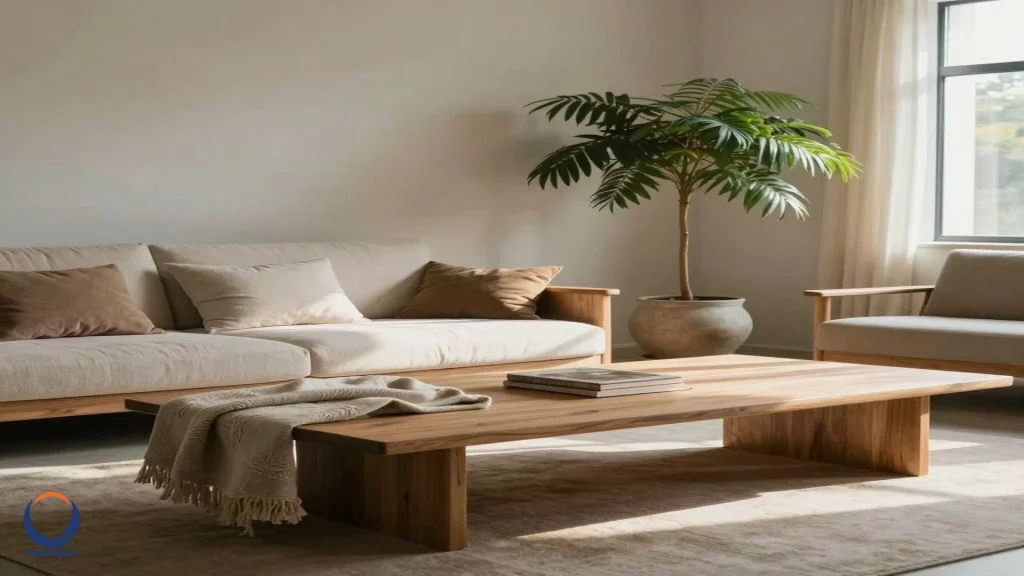
Consider materials like solid wood, natural stone, and organic cotton or wool. These options are inherently low in VOCs. They do not release harmful chemicals into your living space. Furthermore, natural materials often possess intrinsic properties that benefit health. For example, some natural fibers are breathable and hypoallergenic. This helps to reduce allergens and improve air circulation [3]. Making these choices significantly reduces exposure to indoor pollutants. It supports a cleaner, safer atmosphere for everyone.
Sustainability and ethical choices: wellness for the planet and self
The journey towards wellness living extends beyond personal health. It encompasses the health of our planet. Sustainable and ethically sourced materials contribute to environmental well-being. They also foster a sense of moral comfort and peace of mind for consumers. Choosing materials that are recycled, renewable, or produced with minimal environmental impact aligns with a conscious lifestyle. This can reduce eco-anxiety and enhance overall mental wellness.
For example, bamboo is a rapidly renewable resource. Recycled glass or reclaimed wood minimizes waste. These choices reflect a commitment to responsible consumption. They support a circular economy. This approach considers the entire lifecycle of a product. It promotes sustainability from production to disposal. Many people find deep satisfaction in knowing their choices positively impact the world. This positive feedback loop is a powerful component of holistic wellness [4].
The aesthetic dimension: visual harmony and emotional comfort
Our visual environment plays a significant role in our emotional state. The colors, textures, and patterns of the materials around us can evoke specific feelings. They can create a sense of calm, energy, or even stress. Therefore, thoughtful aesthetic choices are crucial for wellness living. A harmonious design can transform a house into a sanctuary.
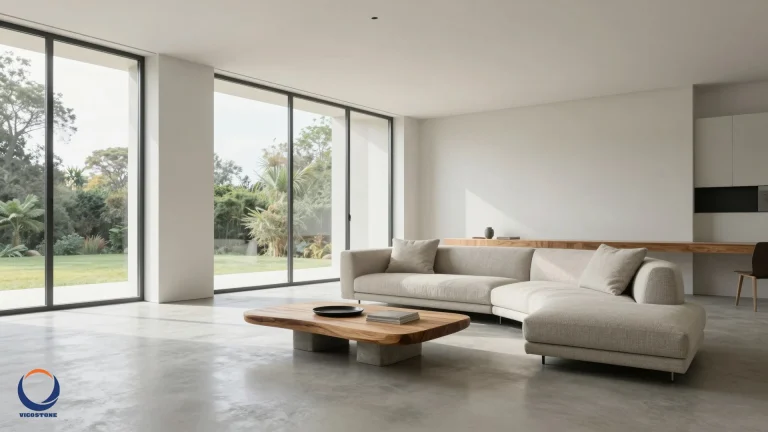
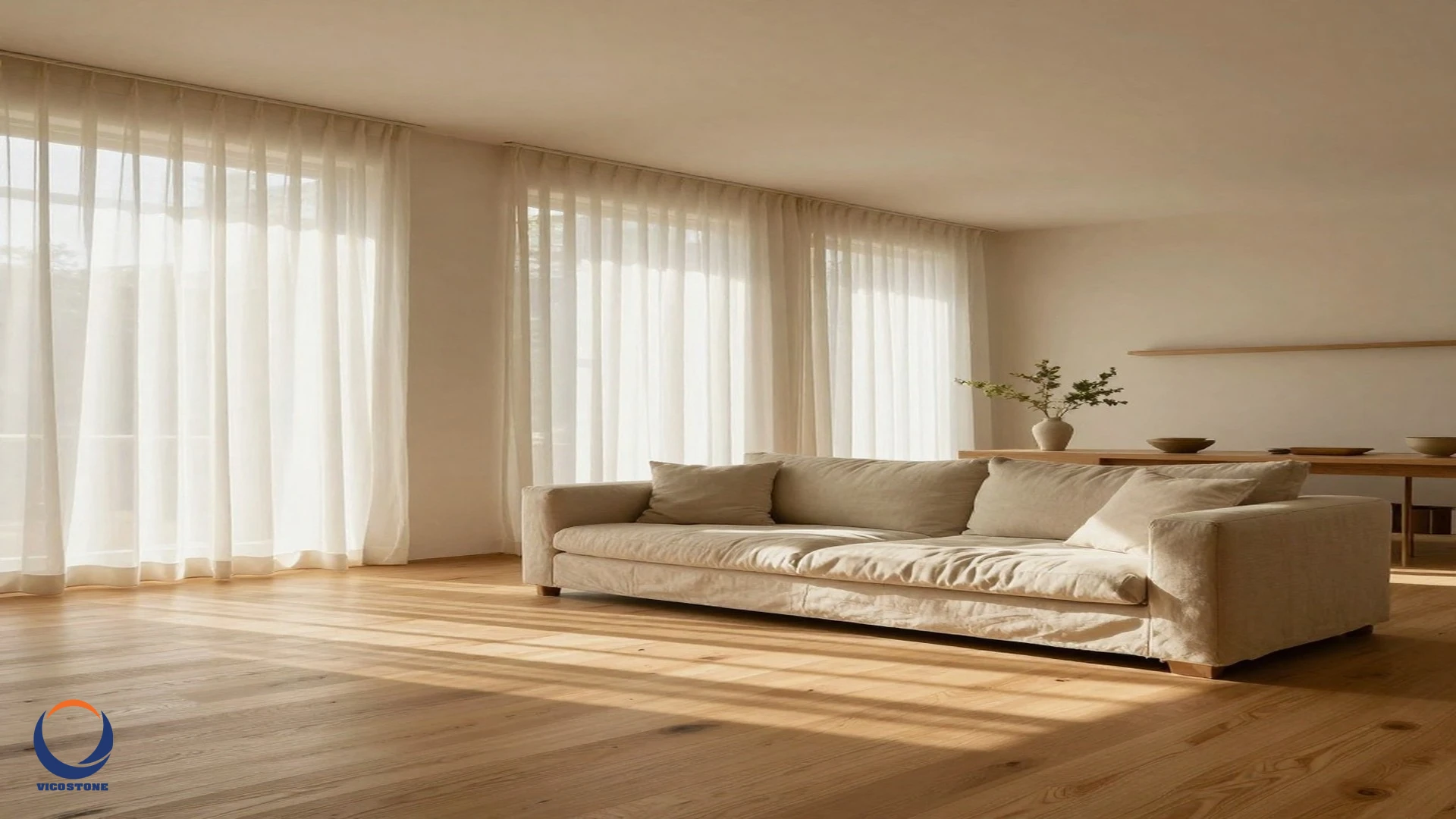
Light-colored, natural materials, for instance, often promote a sense of openness and tranquility. Soft, muted tones can reduce visual clutter and promote relaxation. Conversely, bold, vibrant colors might energize. However, they can also overwhelm if used excessively. Materials that interact beautifully with natural light, such as polished stone or reflective glass, can brighten a space. They enhance mood and reduce the need for artificial lighting. This subtle interplay of aesthetics and emotion is a cornerstone of creating a wellness-focused home.
Tactile experiences: the power of touch
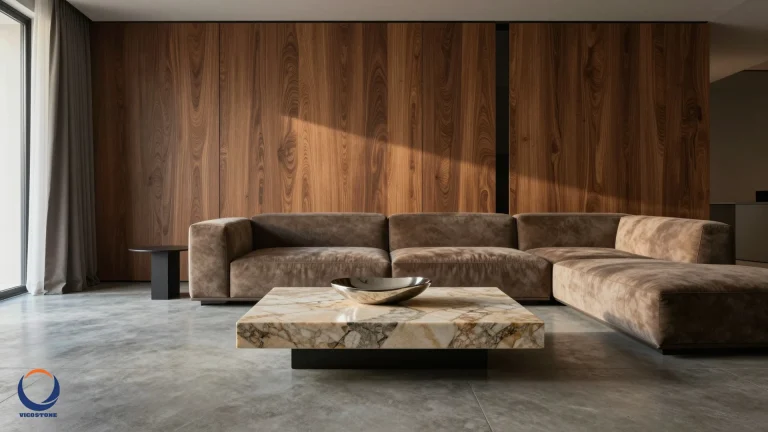
Beyond sight, the sense of touch is incredibly powerful. The tactile qualities of materials directly influence our comfort and psychological well-being. Imagine the feeling of a soft, natural wool rug underfoot. Contrast it with the cold, hard sensation of concrete. These differences are not merely superficial. They contribute to our overall sensory experience of a space. Materials with pleasing textures can provide a comforting, grounding presence.
Natural fibers like linen, cotton, and silk offer unique tactile sensations. They are gentle against the skin. Wood, with its inherent warmth and grain, invites touch. Even the coolness of natural stone can be refreshing in certain contexts. Engaging our sense of touch with high-quality, natural materials can reduce stress. It can also enhance a feeling of being connected to our environment. This sensory engagement is a vital, yet often underestimated, aspect of wellness design.
Durability and longevity: reducing stress and waste
Investing in durable, long-lasting materials is another key aspect of wellness living. High-quality materials require less frequent replacement. This reduces waste and saves resources. More importantly, it minimizes the stress associated with maintenance and repairs. A well-built environment with resilient materials offers peace of mind. It allows occupants to focus on living rather than constant upkeep.
For instance, engineered stone surfaces are known for their exceptional durability and low maintenance. They resist scratches, stains, and heat, making them ideal for high-traffic areas like kitchens and bathrooms. Such materials provide lasting beauty and functionality. They contribute to a sense of stability and security in the home. This long-term perspective on material choices aligns perfectly with a sustainable and stress-free lifestyle. Why durable surfaces matter in high-traffic homes is a question many homeowners consider. Ultimately, choosing materials that stand the test of time is an investment in both personal and environmental wellness.
Mindful consumption: a holistic approach to material choices
Mindful consumption is at the heart of making informed material choices. It involves being intentional about what we bring into our homes. It means understanding the origin, production, and impact of each item. This approach encourages research and thoughtful decision-making. It moves away from impulsive purchases. Instead, it promotes a deeper connection with our belongings.
Before acquiring new items, consider their purpose, longevity, and environmental footprint. Ask questions about the materials used, the manufacturing process, and ethical labor practices. This conscious approach not only benefits the planet. It also cultivates a sense of gratitude and appreciation for our possessions. It reduces clutter and promotes a more organized, serene living space. This intentionality is a powerful tool for enhancing overall well-being [5].
Integrating technology and smart materials for enhanced wellness
As technology advances, so does the potential for materials to enhance our wellness. Smart materials and integrated technologies offer innovative solutions. They can adapt to our needs and optimize our living environments. For example, smart windows can adjust tinting to control light and temperature. Air purification systems can be seamlessly integrated into walls or furniture. These advancements contribute to a more responsive and health-supportive home.
Companies like EON Tech are at the forefront of developing materials that not only look good but also actively contribute to healthier spaces. This includes surfaces with antimicrobial properties or materials that can regulate humidity. The integration of such intelligent solutions represents the next frontier in wellness living. It allows for dynamic environments that proactively support our health and comfort. This fusion of design and technology creates spaces that are not just beautiful but also intelligently responsive to our well-being.
Creating wellness zones: practical applications of material choices
Applying these principles throughout different areas of your home can create dedicated wellness zones. Each space can be optimized for specific activities and emotional states. For instance, in the bedroom, focus on materials that promote restful sleep. Organic cotton bedding, natural wood furniture, and low-VOC paints contribute to a tranquil atmosphere. The goal is to create a serene retreat.
For the kitchen, prioritize non-toxic and easy-to-clean surfaces. Stainless steel, natural stone countertops, and sustainable cabinetry ensure a healthy and hygienic food preparation area. In the living room, choose soft, inviting textures and a calming color palette. Natural fiber rugs, comfortable upholstery, and ambient lighting can foster relaxation and social connection. How surface materials influence emotional comfort at home is a key consideration for every room.
The long-term benefits of mindful material selection
The benefits of making mindful material choices extend far beyond immediate aesthetic appeal. They contribute to long-term health, financial savings, and environmental stewardship. A home built and furnished with wellness in mind becomes a foundation for a healthier life. It reduces exposure to harmful chemicals. It supports mental clarity and emotional balance. It fosters a deeper connection to nature and a sense of responsibility.
Ultimately, our material choices are a powerful expression of our values. They reflect our commitment to ourselves, our families, and the planet. By consciously selecting materials, we actively participate in creating a world that is more sustainable, more beautiful, and more conducive to holistic well-being. This journey is continuous, evolving with new knowledge and innovations. However, the core principle remains: the materials we surround ourselves with matter deeply to our overall wellness.
Conclusion
The connection between wellness living and material choices is undeniable and profound. From the air we breathe to the textures we touch, every material in our environment impacts our physical, mental, and emotional health. Prioritizing non-toxic, sustainable, aesthetically pleasing, and durable materials is not merely a design preference. It is a fundamental aspect of creating spaces that nurture and support our well-being. By making conscious decisions about the materials in our homes, we can transform our living environments into true sanctuaries of health and happiness. This mindful approach empowers us to build a foundation for a truly well-lived life.
The term "connection" itself highlights a significant relationship or link between things. Moreover, the concept of a 'connection' as a significant relationship is not just academic; it's a lived experience, a principle recognized even in broader cultural narratives as seen in various forms of media.More Information
- Connection: The act or process of bringing two things into contact; a junction or union. It also refers to any relationship, association, or alliance between things or events, indicating a link or bond.
- Wellness Living: A holistic approach to life that actively pursues and integrates physical, mental, and emotional health, often encompassing mindful practices, healthy habits, and a supportive environment.
- Volatile Organic Compounds (VOCs): Organic chemicals that have a high vapor pressure at room temperature. They can off-gas from various products and materials, contributing to indoor air pollution and potential health issues.
- Sustainable Materials: Resources that can be harvested or produced without depleting natural resources or causing severe environmental damage. They often involve renewable, recycled, or responsibly sourced components.
- Mindful Consumption: An intentional approach to purchasing and using goods and services. It involves considering the environmental, social, and personal impacts of consumption choices, promoting conscious and responsible habits.