Embarking on a kitchen renovation project is an exciting endeavor for any homeowner. It offers a chance to transform a central living space into something both beautiful and highly functional. However, the myriad of material choices can often feel overwhelming. From cabinetry to flooring, every decision shapes the final look and feel of your home. Among these critical choices, countertops stand out, not just for their aesthetic impact but also for their daily utility and long-term durability.
In recent years, a significant shift has been occurring within the surface material industry. Homeowners are increasingly prioritizing not only design and performance but also health and safety. This growing awareness has propelled silica-free surfaces into the spotlight, particularly for modern kitchen designs. These innovative materials offer a compelling alternative to traditional options, addressing emerging health concerns while delivering exceptional quality and style.
This article will explore the reasons behind the rising popularity of silica-free surfaces. We will delve into their benefits, design versatility, and what homeowners should consider when integrating them into their dream kitchens. Understanding these advancements can help you make an informed choice for a healthier, more sustainable, and undeniably stunning kitchen renovation.
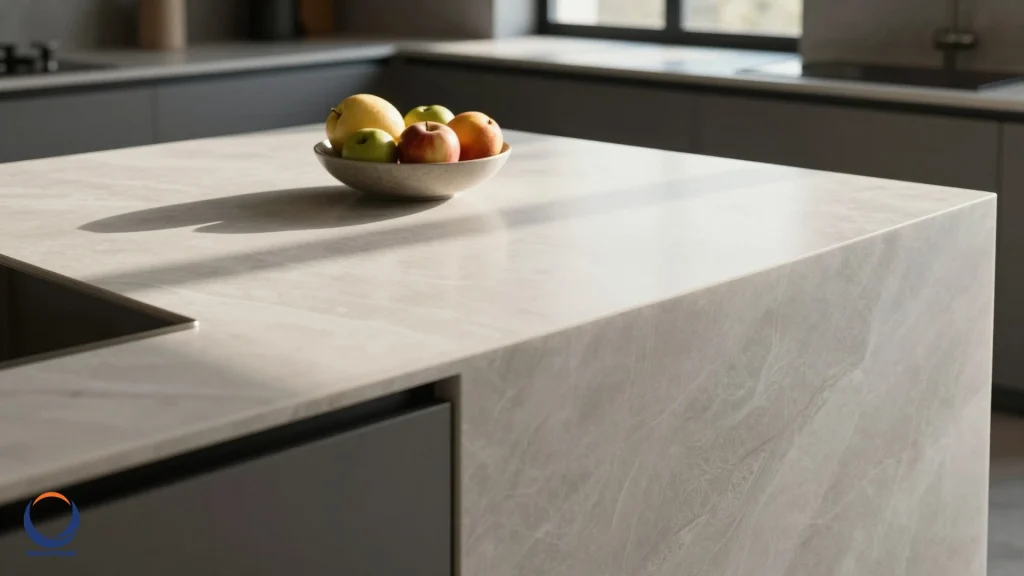
Understanding the Shift: Why Silica is a Concern
For many years, engineered quartz countertops have been a popular choice in kitchens due to their durability and aesthetic appeal. They typically contain a high percentage of crushed natural quartz, which is a form of crystalline silica [2]. While the finished product is safe for use in your home, the concern arises during the fabrication process. Activities like cutting, grinding, and polishing can release fine crystalline silica dust into the air [2].
Long-term exposure to high levels of this respirable crystalline silica dust is linked to serious health issues. Silicosis, a severe and sometimes fatal lung disease, is a primary risk for workers in the fabrication industry [2]. Consequently, governments and health organizations worldwide are taking decisive action. Australia, for instance, has implemented a nationwide ban on engineered stone containing crystalline silica, effective July 1, 2024 [2]. The United States and European Union countries are also actively reviewing regulations, with California already implementing emergency safety rules [2].
This global regulatory shift directly impacts the materials available to homeowners. It also highlights a growing awareness of occupational health and safety. As a result, the demand for safer alternatives has surged, pushing manufacturers to innovate and develop new surface solutions. This evolution is driven by a commitment to protecting workers and providing peace of mind for consumers. Just as modern travelers seek out unique and comfortable experiences in their leisure time [1], homeowners now expect the same level of care and innovation in their living spaces.
Traditional vs. Low-Silica vs. Silica-Free: What's the Difference?
The market for engineered surfaces now offers a spectrum of options based on silica content. Understanding these distinctions is crucial for making an informed decision for your kitchen. Traditional quartz slabs, as mentioned, typically contain between 90% and 95% crushed natural quartz [2]. These have been a staple in kitchen design for decades.
Low-silica quartz slabs represent a significant step towards safer alternatives. These materials are engineered to contain less than 40% crystalline silica [2]. This reduced composition substantially lowers the risk of harmful dust release during fabrication processes. They are gaining attention among contractors, developers, and fabricators exploring new surface materials [3].
Silica-free surfaces, however, take this innovation even further. These products are specifically engineered to contain little to no crystalline silica [2]. This ensures exposure levels remain well within or even below the strictest emerging regulations. Importantly, choosing a silica-free option does not mean compromising on quality or aesthetics. These alternatives offer strong durability, stain resistance, and elegant designs [2].
Indeed, the development of silica-free surfaces reflects innovation and a proactive response to market demands [2]. They are designed to function identically to other engineered surfaces in kitchens, providing consistent appearance and durable performance [3]. This allows homeowners to achieve their desired kitchen aesthetic without the associated health concerns.
The Benefits of Choosing Silica-Free Surfaces for Your Kitchen
Opting for silica-free surfaces brings a multitude of advantages to your kitchen renovation. These benefits extend beyond just the aesthetic appeal. They encompass safety, sustainability, and long-term value. Homeowners are increasingly seeking products that align with a modern, health-conscious lifestyle, much like how they seek quality in other aspects of their lives [4].
Enhanced safety for fabrication and installation
One of the most compelling reasons for the rise of silica-free surfaces is the significantly enhanced safety they offer to workers. By minimizing or eliminating crystalline silica, these materials drastically reduce the risk of silicosis and other respiratory illnesses for those involved in cutting, shaping, and installing countertops. This commitment to worker well-being is a crucial ethical consideration for many homeowners. It ensures that your beautiful new kitchen doesn't come at the cost of someone else's health.
Peace of mind for homeowners
While finished quartz countertops are generally considered safe, the conversation around silica exposure has naturally raised questions for homeowners. Choosing a silica-free surface eliminates any lingering concerns about potential long-term health impacts from the material itself. You can enjoy your kitchen with complete confidence, knowing that you've selected a product designed with the highest safety standards in mind. This provides invaluable peace of mind for you and your family.
Sustainable and eco-friendly options
Many manufacturers of silica-free surfaces are also at the forefront of sustainable practices. They often incorporate recycled materials into their designs, reducing waste and their environmental footprint [5]. Furthermore, the durability and long lifespan of these engineered materials mean less frequent replacement, saving resources and energy over time [5]. This aligns perfectly with the growing demand for eco-conscious home improvements. EON Tech is one of the companies leading the way in developing these innovative and sustainable material solutions.
Uncompromised aesthetics and durability
The innovation in silica-free formulations means that homeowners no longer have to choose between safety and style. These surfaces offer the same, if not superior, strength, scratch resistance, and chip resistance as traditional engineered quartz [5]. They are also non-porous, making them impervious to liquids, acids, and oils, which translates to easy cleaning and low maintenance [5]. You can achieve any design vision, from classic elegance to ultra-modern minimalism, with a vast array of colors and patterns.
Design Versatility: Integrating Silica-Free Surfaces into Your Dream Kitchen
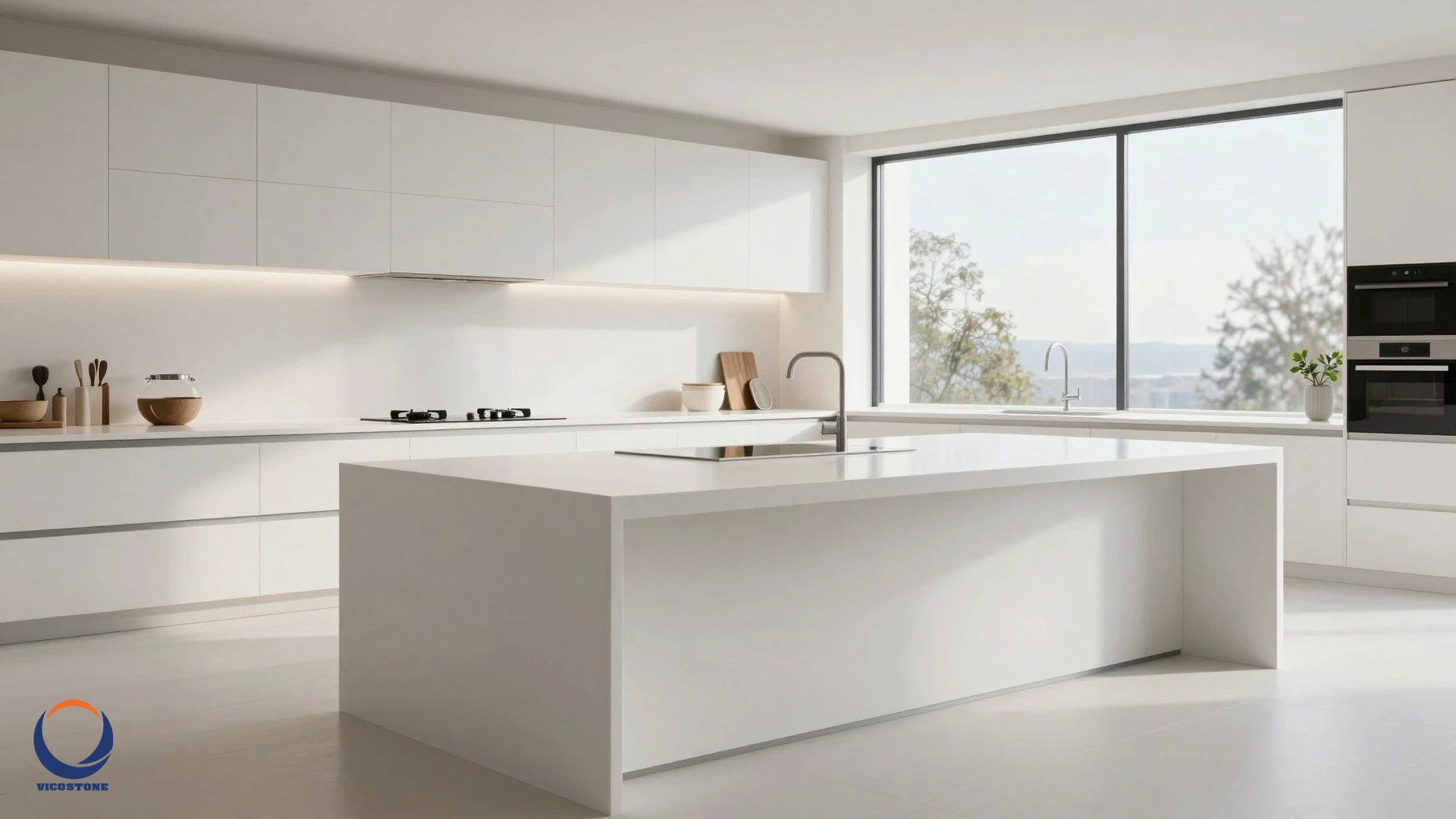
Silica-free surfaces offer remarkable design flexibility, making them suitable for a wide range of kitchen styles. Modern kitchens, in particular, often emphasize neutral colors, clean lines, and expansive, continuous surfaces. Engineered countertop materials, including silica-free options, excel at achieving these design goals while maintaining exceptional durability [3].
These materials can be seamlessly integrated into various elements of your kitchen. They are perfect for main countertop surfaces, providing a cohesive and elegant look. Kitchen islands, often the focal point of a modern kitchen, benefit greatly from the large, consistent slabs available in silica-free options. Furthermore, they can be used for backsplashes, creating a unified and easy-to-clean environment. The consistent colors and patterns of engineered quartz cannot be replicated by natural stone, allowing designers to create a uniform aesthetic throughout any interior space [5].
Whether you envision a minimalist design with crisp white countertops or a more dramatic look with dark, richly veined surfaces, silica-free materials can bring your vision to life. Their consistent quality ensures that every inch of your kitchen reflects your chosen aesthetic. This versatility extends beyond residential kitchens, as these materials are also being evaluated for multi-family housing projects and commercial interiors due to their consistent design and durable performance [3].
The ability to create large, uninterrupted surfaces is a key advantage, especially in open-plan kitchens where visual flow is paramount. Homeowners can explore options that mimic natural stone or opt for unique, contemporary finishes. This allows for truly personalized kitchen spaces. For more inspiration on how innovative materials can redefine your surfaces, consider exploring resources like BEYOND SCALE: WHY SUPER JUMBO REDEFINES MODERN SURFACES 8.
What to Look For When Choosing Silica-Free Countertops
As the market for silica-free surfaces expands, it's essential for homeowners to be discerning in their selection process. Not all products are created equal, and asking the right questions will ensure you choose the best material for your needs. Begin by researching reputable manufacturers known for their transparency and commitment to safety. Look for companies that openly disclose the composition of their products.
Always inquire about the specific silica content of the material. While "silica-free" implies zero or near-zero, understanding the exact percentage is important. Some products might be "low-silica" rather than truly "silica-free," which still offers significant safety improvements. Don't hesitate to ask for certifications or documentation that validate these claims. Many manufacturers offer engineered quartz products that have earned globally recognized safety and environmental certifications [5].
Consider the warranty and after-sales support offered by the manufacturer. A strong warranty indicates confidence in the product's durability and longevity. Furthermore, ask about the installation process and recommended fabricators. Ensuring that your chosen material is handled by experienced professionals who adhere to safety protocols is crucial. You can find more information about understanding silica bans and alternative solutions at Lux Quartz Vietnam.
Finally, think about the long-term sustainability of your choice. Many low-silica and silica-free options are designed with environmental responsibility in mind, incorporating recycled content and adhering to eco-friendly production standards [5]. This commitment to sustainability adds another layer of value to your kitchen renovation. For further insights into low silica options, refer to Viccorp's blog on low silica countertops.
The Future of Kitchen Surfaces: A Safer, Smarter Choice
The rise of silica-free surfaces signifies a pivotal moment in kitchen design and construction. It reflects a broader societal trend towards greater awareness of health, safety, and environmental responsibility. For homeowners planning a renovation, these innovative materials offer an unparalleled combination of benefits. They provide peace of mind regarding health risks, contribute to a more sustainable home, and deliver uncompromising aesthetic appeal and durability.
The industry is continuously evolving, with manufacturers investing in safer production methods and diversified product lines [2]. This ensures that homeowners will have an ever-growing array of choices to meet their specific needs and design preferences. Embracing silica-free options means choosing a kitchen that is not only beautiful and functional but also contributes to a healthier living environment for your family and a safer working environment for professionals. Consider exploring Why Silica-Free Engineered Stone Is Shaping the Future of Interior Design for more details.
As you plan your next kitchen renovation, consider making the smart and responsible choice. Explore the world of silica-free surfaces. You will find that these modern materials are setting new standards for quality, safety, and design in contemporary homes. Your dream kitchen can truly be a sanctuary of both style and well-being.
More Information
- Crystalline Silica: A common mineral found in the earth's crust, often present in materials like sand, rock, and quartz. When inhaled as fine dust, it can cause serious lung diseases.
- Silicosis: A severe and often fatal lung disease caused by the inhalation of crystalline silica dust, leading to inflammation and scarring of the lungs.
- Engineered Quartz: A composite material made from crushed quartz, resins, polymers, and pigments. It is known for its durability and non-porous properties.
- Low-Silica Quartz: Engineered quartz surfaces specifically formulated with a significantly reduced percentage of crystalline silica, typically less than 40%, to mitigate health risks during fabrication.
- Silica-Free Surfaces: Countertop materials engineered to contain minimal to no crystalline silica, offering a safer alternative for both fabrication workers and homeowners.