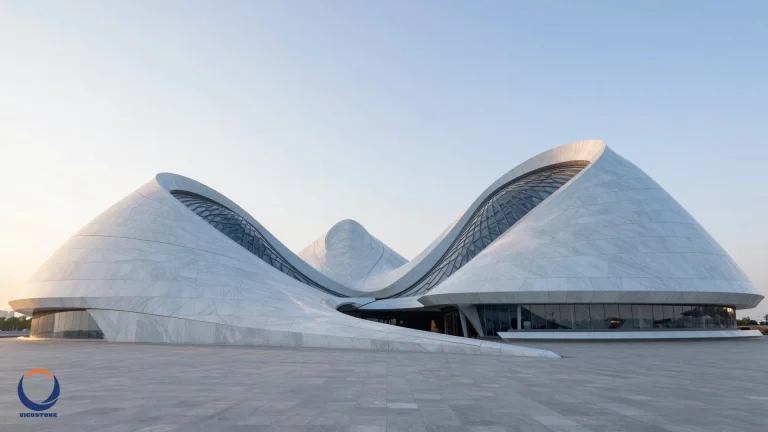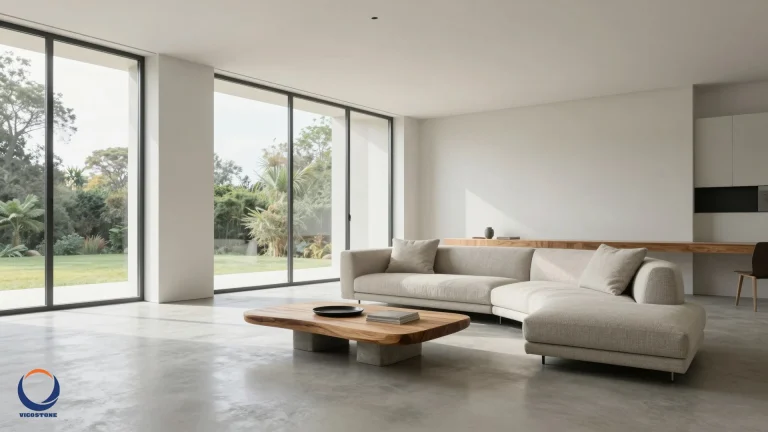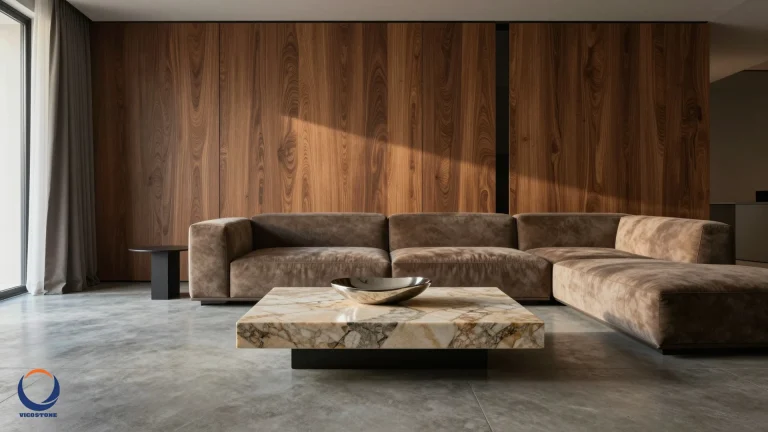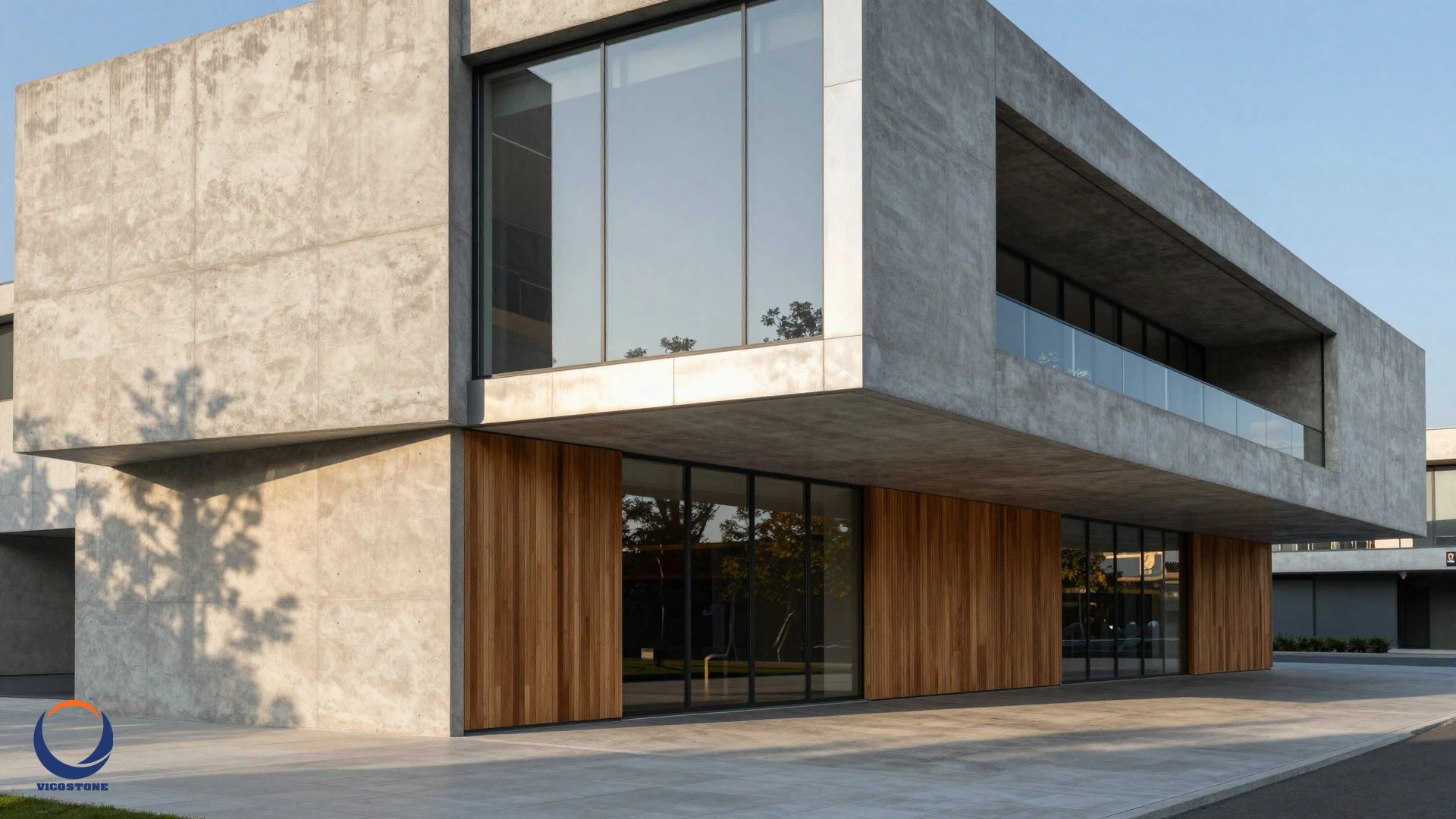
In the dynamic world of architecture, surface materials are far more than mere decorative elements. They are fundamental components that shape the very essence of a building. These materials dictate a structure's functionality, aesthetic appeal, and long-term sustainability. Understanding their multifaceted impact is crucial for modern design professionals.
Architects and specifiers increasingly recognize that material choices influence everything. From structural integrity to occupant well-being, every surface plays a vital part. This article explores the critical role these materials play in today's architectural landscape, examining their evolution, impact, and future potential.
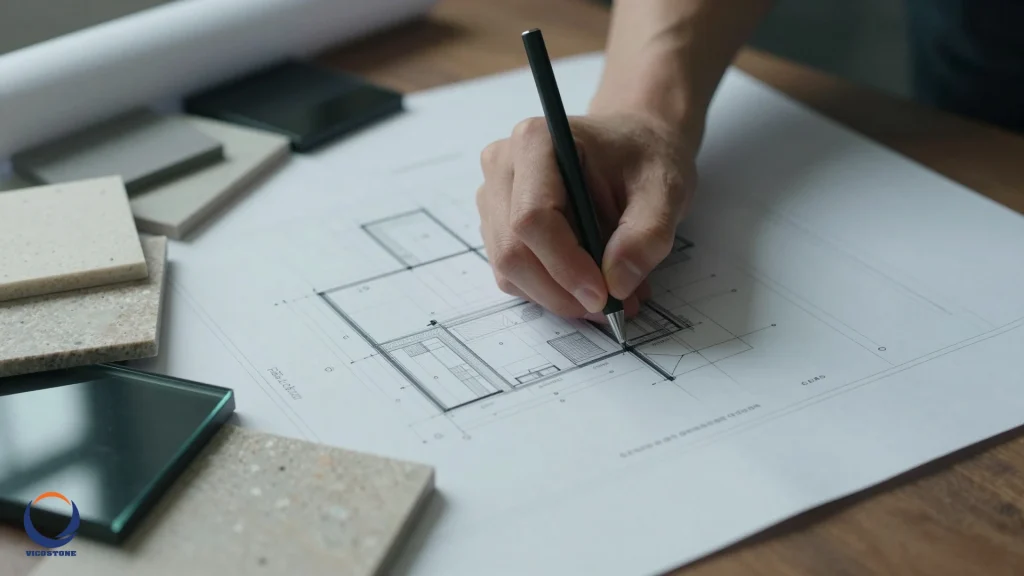
Beyond aesthetics: the multifaceted impact of surfaces
The term "role" in this context refers to the specific function or purpose a material serves within a design [1]. Surface materials contribute significantly to a building's overall performance. They are not just about how a space looks; they are about how it performs and feels.
Functional performance and durability
Materials must withstand daily wear and tear. For example, high-traffic areas demand surfaces with exceptional durability and abrasion resistance. Think about flooring in a bustling airport or countertops in a commercial kitchen. These environments require robust solutions.
Beyond physical resilience, surfaces often fulfill specific technical requirements. Acoustic panels, for instance, manage sound reverberation, creating more comfortable interior environments. Thermal properties of facade materials can significantly impact a building's energy efficiency. Therefore, material selection is a strategic decision.
Aesthetic and psychological influence
Surfaces profoundly affect the perception and experience of a space. Textures, colors, and patterns evoke specific moods and emotions. A rough, natural stone might convey solidity and tradition, while a smooth, reflective glass suggests modernity and openness. These choices define the character of an interior or exterior.
Moreover, materials can influence wayfinding and spatial hierarchy. Different finishes can delineate zones within an open-plan office. They can also highlight architectural features, drawing the eye to specific elements. This thoughtful application guides occupants through a building.
Sustainability and environmental responsibility
The environmental footprint of building materials is a growing concern. Architects are now prioritizing materials with low embodied energy and high recycled content. They also consider the material's end-of-life cycle. This includes its potential for recycling or biodegradability.
Traditional building materials, like earth, wood, and bamboo, have long been valued for their natural origins and local availability [2]. Today, modern innovations seek to emulate these sustainable qualities. They aim to reduce environmental impact without compromising performance. This shift reflects a broader commitment to ecological design principles.
Traditional versus contemporary: a shifting paradigm
Historically, architects relied on locally available natural resources. Stone, timber, and clay were the primary building blocks. These materials offered inherent beauty and proven durability. They also connected structures deeply with their surrounding environment. This approach fostered a sense of regional identity.
The industrial revolution introduced new possibilities. Steel, concrete, and glass became prevalent. These materials allowed for unprecedented structural forms and expansive fenestration. They ushered in an era of modernist architecture. This period emphasized function and clean lines.
The rise of engineered and advanced materials
Today, technological advancements have revolutionized material science. Engineered stone, high-performance composites, and smart glass are just a few examples. These materials often surpass natural options in specific performance metrics. They offer enhanced durability, reduced maintenance, and superior aesthetic consistency. Furthermore, they provide architects with greater design flexibility.
For instance, engineered stone offers exceptional resistance to stains and scratches. It is a popular choice for why designers are switching to silica-free countertops. These modern alternatives often provide a broader palette of colors and patterns. They also ensure consistent quality across large projects. This predictability is invaluable for complex designs.
Technology's influence on material development
Digital fabrication techniques, like 3D printing, are transforming material application. They allow for intricate geometries and custom textures. This level of customization was previously unattainable. Advanced manufacturing processes also enable the creation of hybrid materials. These combine the best properties of different substances. They offer tailored solutions for specific architectural challenges. This innovation pushes the boundaries of design.
Key considerations for architects and specifiers
Selecting the right surface material involves a complex decision-making process. Architects and specifiers must balance numerous factors. These include performance, cost, aesthetics, and long-term implications. A holistic approach ensures optimal outcomes for both the building and its occupants.
Performance criteria and technical specifications
Every material must meet specific technical performance standards. For example, flooring materials require appropriate slip resistance ratings. Wall coverings need fire ratings to ensure occupant safety. Exterior cladding must withstand extreme weather conditions. Architects meticulously evaluate these specifications.
Understanding these criteria is essential for compliance and safety. It also guarantees the longevity of the installation. A material's technical data sheet provides crucial information. This data helps in making informed decisions. It prevents costly failures down the line.
Maintenance, lifecycle costs, and longevity
The initial cost of a material is only one part of the equation. Architects must also consider lifecycle costs. These include installation, cleaning, repair, and eventual replacement. A seemingly expensive material might prove more economical over time. This is due to its low maintenance requirements and extended lifespan.
For instance, some low-maintenance kitchen surfaces can significantly reduce ongoing operational expenses. Moreover, durable materials contribute to a building's sustainability. They reduce waste and the need for frequent renovations. This long-term perspective is vital for responsible design.
Health, wellness, and indoor air quality
The impact of materials on occupant health is increasingly recognized. Volatile Organic Compounds (VOCs) emitted by certain materials can degrade indoor air quality. This can lead to health issues. Specifiers now prioritize low-VOC and non-toxic options. They aim to create healthier living and working environments.
Antimicrobial surfaces are gaining traction in healthcare and public spaces. They help prevent the spread of pathogens. Furthermore, the industry is seeing a rise in silica-free surfaces. These support healthier living spaces for families. These conscious choices promote well-being within buildings.
Regulatory compliance and certifications
Building codes and industry standards dictate many material choices. Architects must ensure all specified materials comply with local regulations. Certifications like LEED, WELL, and Cradle to Cradle provide valuable guidance. They verify a material's environmental and health attributes. These certifications help specifiers make responsible choices. They also demonstrate a commitment to sustainable practices [3].
Innovations in surface technology
The field of surface materials is constantly evolving. New technologies are emerging at a rapid pace. These innovations offer exciting possibilities for architectural design. They push the boundaries of what materials can achieve.
Smart surfaces and interactive elements
Smart surfaces integrate advanced functionalities directly into the material. Self-cleaning glass uses photocatalytic coatings to break down dirt. Energy-generating facades incorporate photovoltaic cells. Interactive surfaces can respond to touch, light, or temperature. These advancements blur the line between building skin and active system. They create dynamic and responsive architectural elements.
Biomimicry and bio-integrated materials
Biomimicry draws inspiration from nature's designs and processes. This approach leads to materials with enhanced properties. For example, surfaces mimicking lotus leaves can be superhydrophobic. This makes them naturally water-repellent. Bio-integrated materials incorporate living organisms. They might use algae for energy generation or air purification. These innovations offer sustainable and regenerative solutions.
Recycled, upcycled, and waste-derived materials
The circular economy promotes the use of waste as a resource. Architects are increasingly specifying materials made from recycled content. Examples include recycled glass, plastics, and industrial byproducts. Upcycled materials find new life in architectural applications. This reduces landfill waste and conserves natural resources. It also supports a more sustainable construction industry [4].
Digital fabrication and customization
Advanced manufacturing techniques allow for unprecedented customization. 3D printing enables the creation of complex, bespoke surface textures and forms. CNC milling can produce intricate patterns on various substrates. This digital precision minimizes material waste. It also opens up new avenues for artistic expression in architecture. Architects can now realize highly specific design visions.
The future of surface materials in architecture
The trajectory of surface material development points towards greater integration and intelligence. Buildings will become more responsive, efficient, and healthy. Architects will continue to play a pivotal role in this evolution. Their choices will shape the built environment for generations.
Integration with smart building systems
Future surfaces will seamlessly integrate with building management systems. They will monitor environmental conditions and adjust accordingly. For example, dynamic facades could respond to sunlight and temperature changes. This optimizes energy use and occupant comfort. This level of integration will redefine building performance.
Circular economy principles and material passports
The focus on circularity will intensify. Materials will be designed for disassembly and reuse. "Material passports" will track the composition and origin of building components. This facilitates their recovery and re-entry into the supply chain. This approach minimizes waste and maximizes resource efficiency. It represents a significant shift in material sourcing and management.
Personalization and bespoke solutions
Advances in digital fabrication will make personalized surfaces more accessible. Architects can specify unique textures, patterns, and colors for individual projects. This allows for unparalleled design freedom. It also enables buildings to better reflect their context and occupants. This bespoke approach elevates architectural expression.
EON Tech is at the forefront of developing innovative software tools that assist architects in navigating this complex landscape of material selection and specification, ensuring optimal performance and sustainability outcomes for their projects. These tools streamline the decision-making process. They provide data-driven insights into material properties and lifecycle impacts.
The role of advanced research and development
Ongoing research will continue to yield groundbreaking materials. Scientists are exploring self-healing concretes and carbon-capturing facades. These innovations address critical environmental challenges. They offer solutions for a more resilient and sustainable future. Collaboration between industry and academia drives this progress [5].
Conclusion
Surface materials are undeniably central to contemporary architecture. They are not merely finishes but active contributors to a building's performance, aesthetic, and environmental impact. Architects and specifiers must approach material selection with informed discernment. Their choices shape the functionality, beauty, and sustainability of the built world.
As technology advances, so too will the capabilities of these materials. Embracing innovation while prioritizing sustainability is paramount. The future of architecture relies on thoughtful, responsible material specification. This ensures buildings are not only visually striking but also perform optimally and contribute positively to our planet. For a deeper dive into sustainable options, consider exploring the future of safe and sustainable surface materials.
More information
- Role: The function or position that something or someone has in a particular situation, organization, or society. In architecture, it refers to the specific purpose a material serves in a design.
- Embodied energy: The total energy consumed by all processes associated with the production of a building material. This includes extraction, manufacturing, transportation, and construction.
- Volatile Organic Compounds (VOCs): Organic chemicals that have a high vapor pressure at ordinary room temperature. They can be emitted from building materials and contribute to indoor air pollution.
- Biomimicry: An approach to innovation that seeks sustainable solutions to human challenges by emulating nature's time-tested patterns and strategies. It applies natural designs to materials and structures.
- Circular economy: An economic system aimed at eliminating waste and the continual use of resources. It involves designing products for durability, reuse, and recycling, minimizing environmental impact.